Cancer Neurophysiology Research Group
The Neurophysiology of Cancer Research Group combines neurobiology with oncology. Our goal is to understand the neurogenic regulation of tumorigenesis and tumor-associated pain. Using state-of-the-art techniques (including in vivo optical imaging, electrophysiology, and optogenetics), we selectively monitor and modulate the activity of genetically defined neuronal populations to investigate their influence on tumor biology. We aim to develop innovative therapies for cancer and cancer-related pain based on a deep understanding of the nervous system.
Our research also focuses on the presynaptic modulation of sensory endings in the spinal cord, which represents one of the key mechanisms regulating pain perception and immune responses within the tumor. Using advanced electrophysiological approaches and in vivo calcium imaging, we analyze how signals originating from the brain affect the activity of peripheral sensory neurons, and how this influence shapes the tumor microenvironment.
This perspective not only allows us to better understand the neurobiological foundations of cancer pain, but also to identify new therapeutic targets at the intersection of neurobiology and oncology.
Group members
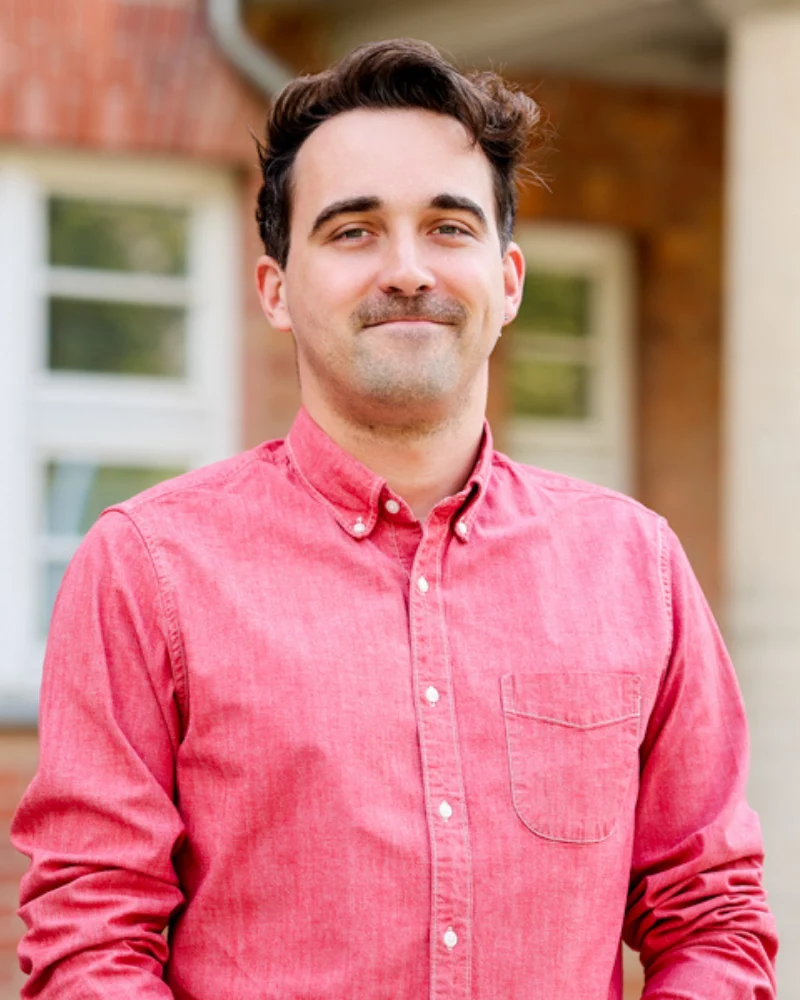
Dr. Mateusz W. Kucharczyk
Mateusz completed his bachelor’s and master’s studies in biotechnology at the Jagiellonian University in Kraków. As a Marie Skłodowska-Curie fellow, he obtained his PhD in neurobiology at University College London, specializing in in vivo electrophysiology (with Prof. Anthony Dickenson) and in vivo calcium imaging (with Prof. Stephen McMahon at King’s College London), where he investigated cancer-induced bone pain.
He then completed a fellowship in the laboratory of Yves De Koninck (Quebec, Canada), gaining experience in optogenetics. He also worked as a PDRA in the group of Dr. Kirsty Bannister (King’s College London), where he developed optogenetic and chemogenetic techniques to study descending modulatory pathways in health and disease.
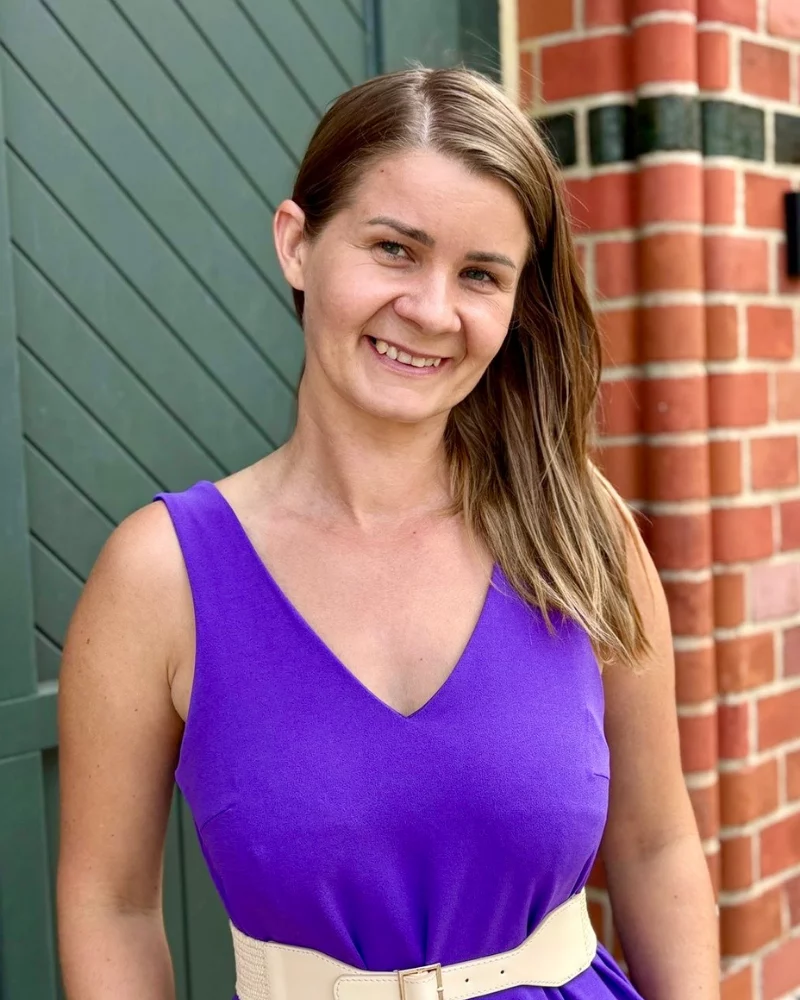
Dr. Ewelina Krzywińska
Ewelina obtained her PhD in Health Biology from the University of Montpellier (France), carried out at the Institute of Regenerative Medicine and Biotherapy. In her doctoral work, she investigated the use of metabolic drugs and NK cell–based immunotherapy in cancer treatment (Krzywinska et al., EBioMedicine 2015). During her first postdoctoral fellowship at the Paris Cardiovascular Research Center, she studied the cytotoxic function of NK cells in hypoxic tumor regions (Nature Communications 2017) and VEGF signaling in myeloid cells (Nature Communications 2016).
In her subsequent postdoc at the Institute of Anatomy, University of Zurich, she examined the impact of HIF factors on the phenotype of ILC1 and NKp46⁺ ILC3 (Nature Communications 2021; JEM 2022). She also participated in a vaccination-based immunotherapy project demonstrating effective cytotoxic T-cell responses in reducing fibroblasts and fibrosis in the liver and lungs (Cell Stem Cell 2022). She later worked as an R&D expert in a biotechnology company in Poland, developing biological assays and troubleshooting immuno-oncology projects.
In her free time, she enjoys sailing and spending time outdoors.

Dr. Eliza Kramarska
Eliza completed her bachelor’s and master’s degrees in microbiology at the University of Wrocław. Already during her bachelor’s project—conducted in collaboration with the Hirszfeld Institute of Immunology and Experimental Therapy PAS—she developed an interest in antibodies and protein biochemistry. She then participated in the Erasmus+ program and moved to Belgium, where she continued her research in protein biochemistry at the University of Louvain. She pursued her PhD in biomolecular sciences (specializing in biochemistry) in Italy as part of the Marie Skłodowska-Curie ITN BactiVax program.
She conducted her research at the Institute of Biostructure and Bioimaging (CNR, Naples) and earned her doctorate at Vanvitelli University. Her work focused on structure-based vaccine design, with particular emphasis on vaccines targeting Gram-positive ESKAPE pathogens.
In our team, Eliza specializes in in silico approaches. Her research interests include host–microbe interactions and the application of advanced computational techniques in biology. She is also actively involved in science communication and science policy, collaborating with initiatives at both the local and European level.
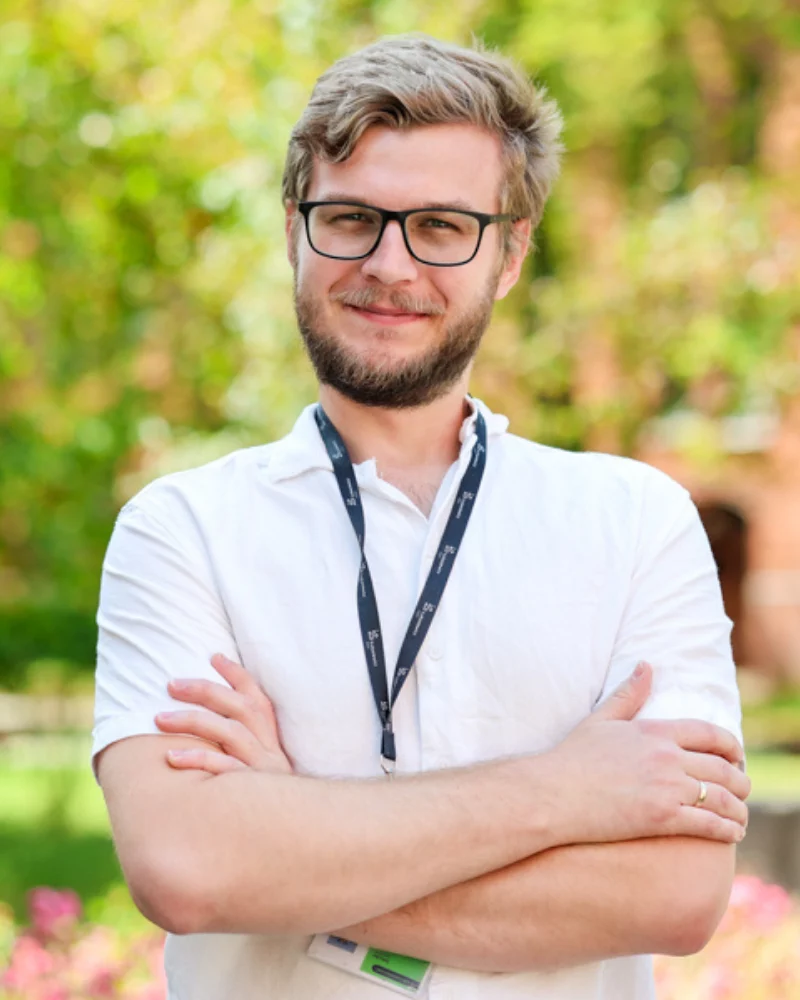
Dr. Łukasz Pietras
Łukasz earned his bachelor’s and master’s degrees in Genetics and Experimental Biology at the University of Wrocław. Between 2020 and 2024, he conducted his doctoral research at the Department of Physiology and Molecular Neurobiology, receiving his PhD with distinction in May 2025. His doctoral work focused on the mechanisms regulating mitochondrial dynamics and mitophagy in a cellular model.
In the Neurophysiological Oncology Research Group, Łukasz works on a bone cancer model, studying the influence of dormant nociceptors on tumor development. Outside the laboratory, he is interested in birdwatching (especially ducks), hitchhiking, and modern history.
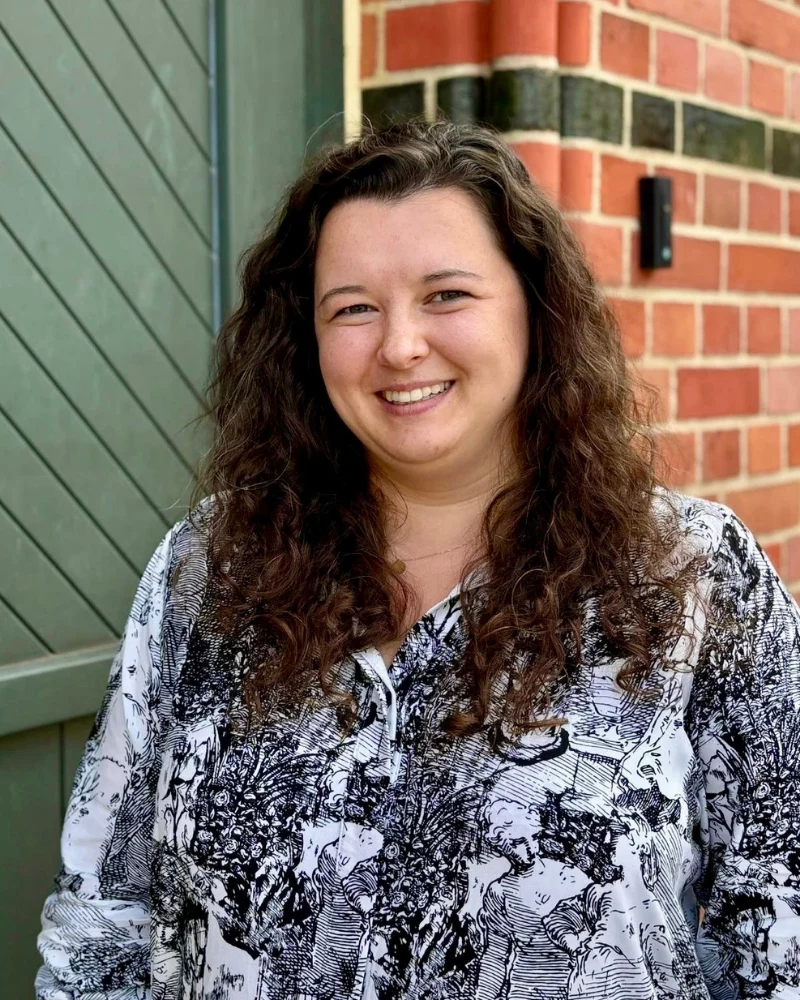
Dr. Joanna Bernacka
Joanna earned her master’s degree in neurobiology from the Jagiellonian University and subsequently completed her doctoral studies at the Krakow Interdisciplinary Doctoral School affiliated with the Maj Institute of Pharmacology of the Polish Academy of Sciences. Her research focused on noradrenergic regulation of dopamine release in the mesolimbic system, with particular emphasis on receptor-mediated mechanisms in the ventral tegmental area (VTA) under stress conditions.
This work provided valuable insights into the interaction between the noradrenergic and dopaminergic systems under stress and resulted in her receiving a PhD in medical sciences in March 2024. In our team, Joanna leads the physiological part of the project dedicated to noradrenergic modulation of central sensory terminals.
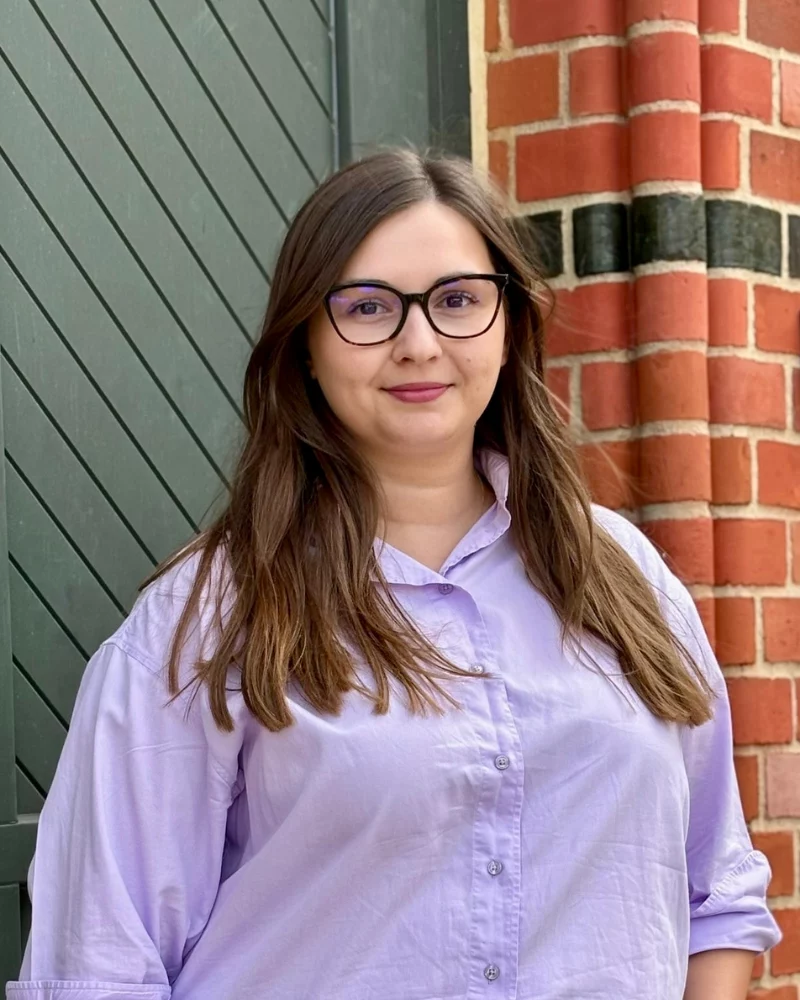
Monika Szczot
Monika completed her bachelor’s degree in Biology at the University of Wrocław and her master’s degree at the Wrocław University of Environmental and Life Sciences. She previously served as a laboratory manager in the Synaptogenesis Group at Łukasiewicz – PORT, and she now continues this role in our team. She is responsible for coordinating orders, budget control, documentation, and the overall organization of laboratory work. Privately, she is passionate about yoga, Pilates, sailing, skiing, and traveling.
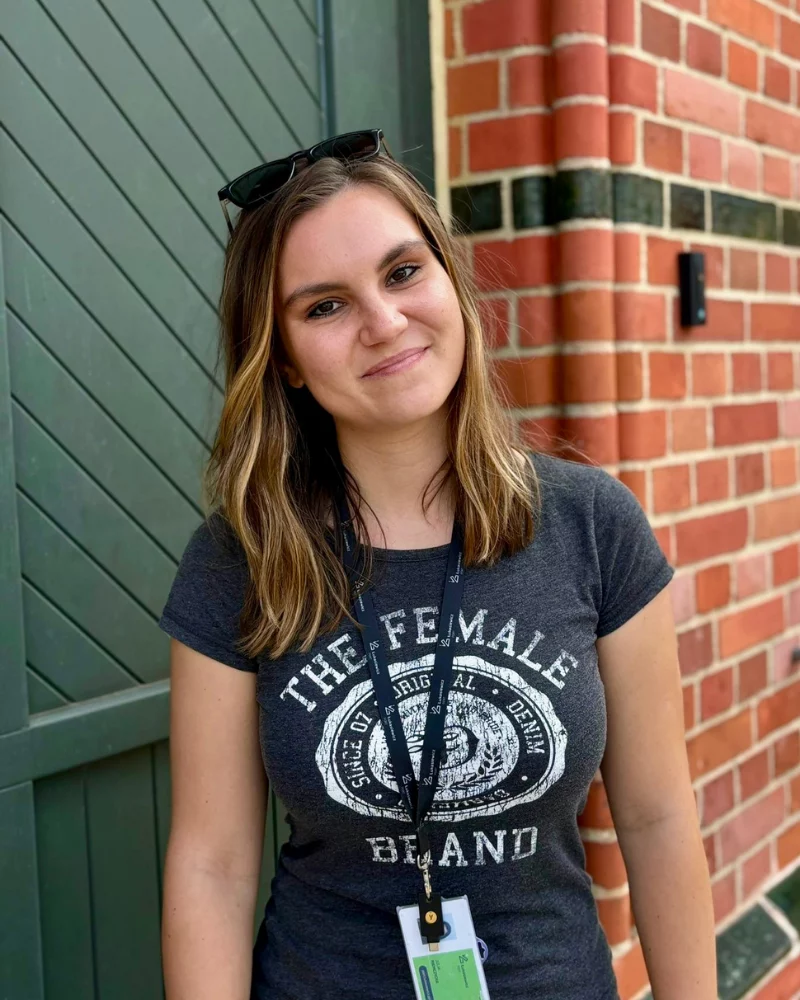
Julia Niemczycka
Julia completed her Bachelor’s and Master’s degrees in pharmaceutical biotechnology at Wrocław University of Science and Technology. During her Master’s thesis, she focused on optimizing the expression and purification conditions of nuclear receptors. In our team, she is primarily responsible for genotyping and overseeing wet lab operations.

Oleksandra Babeshko
The scientist’s description is being prepared.