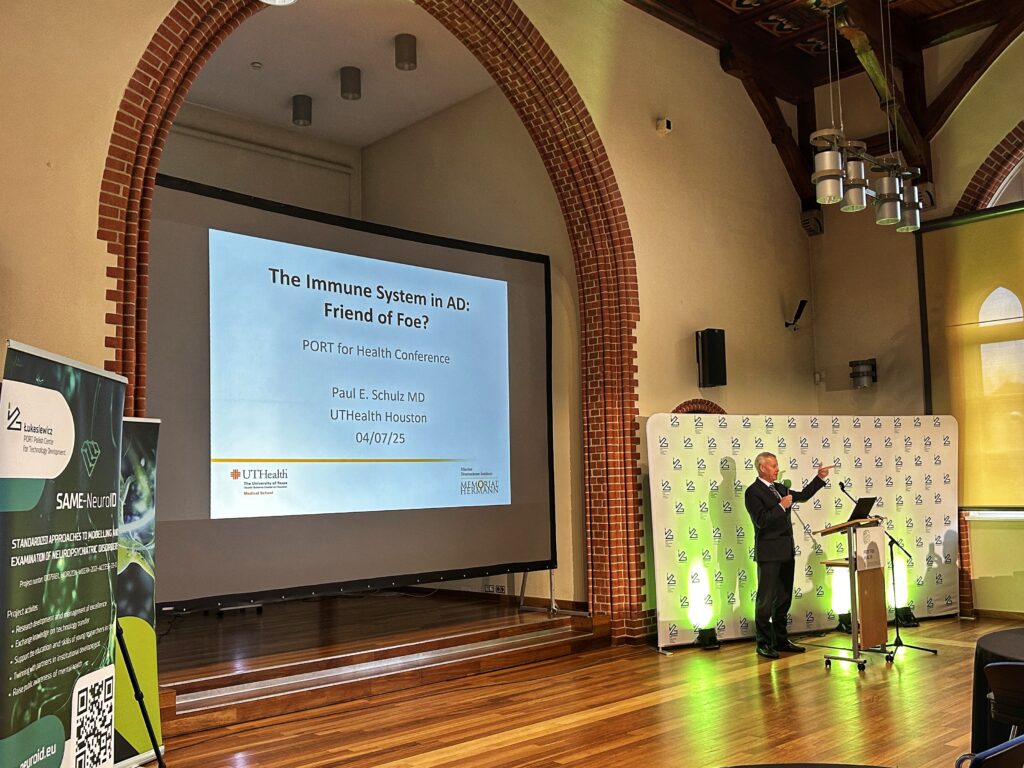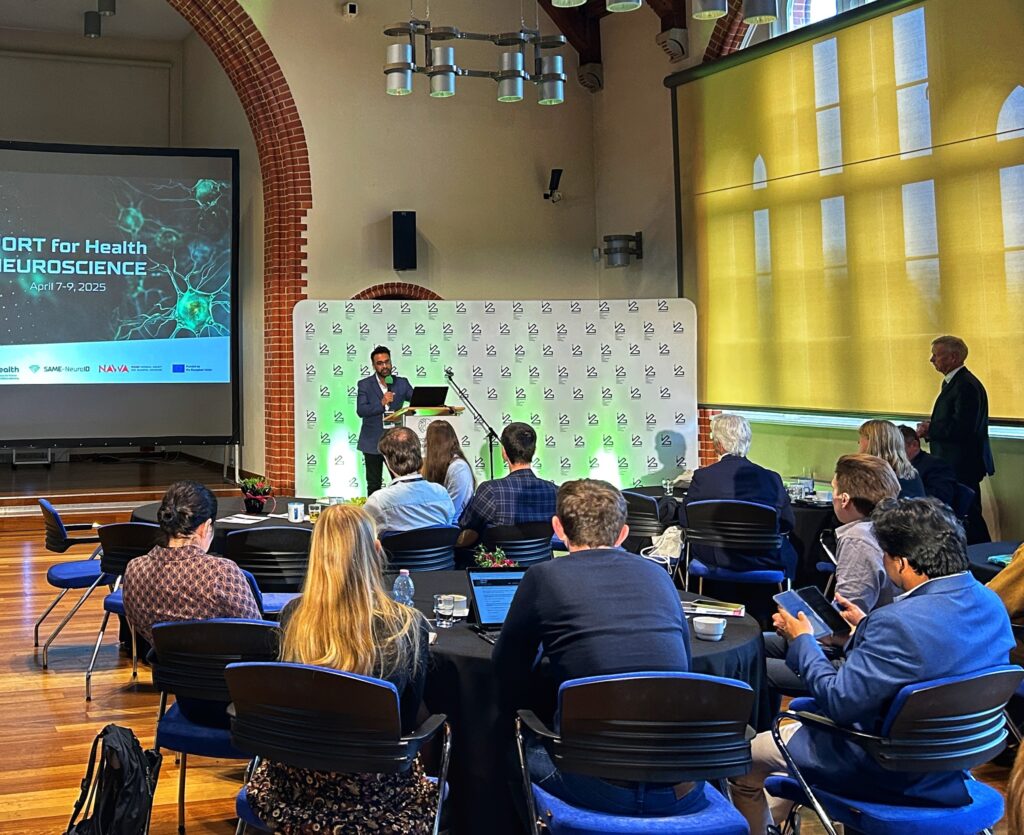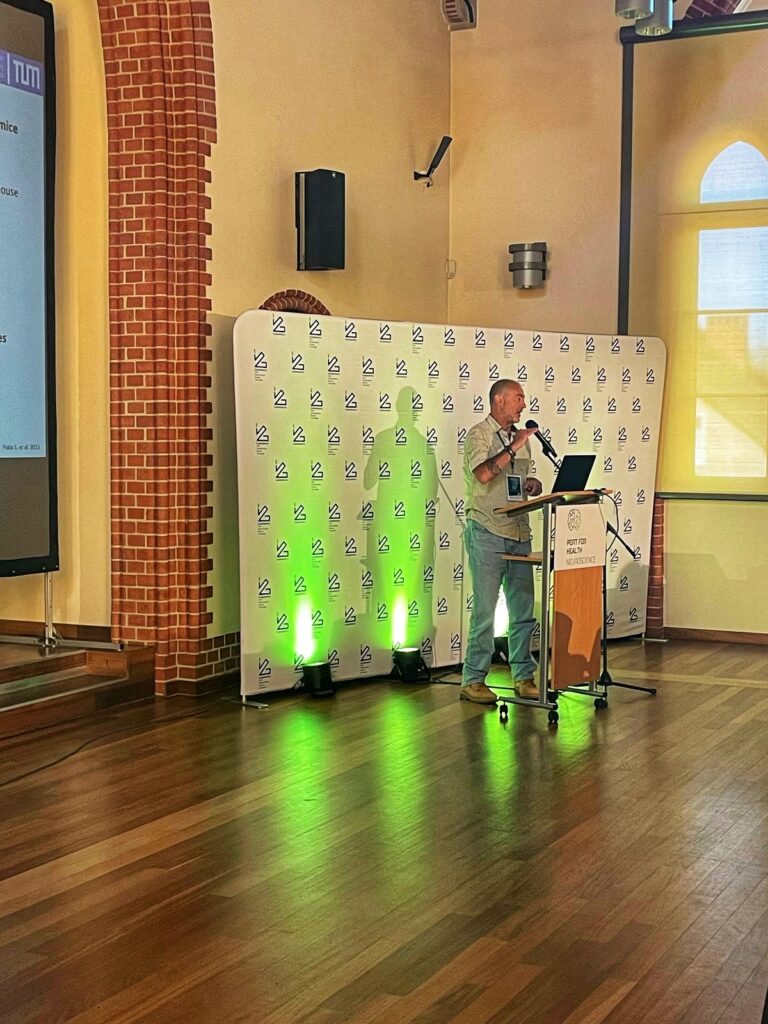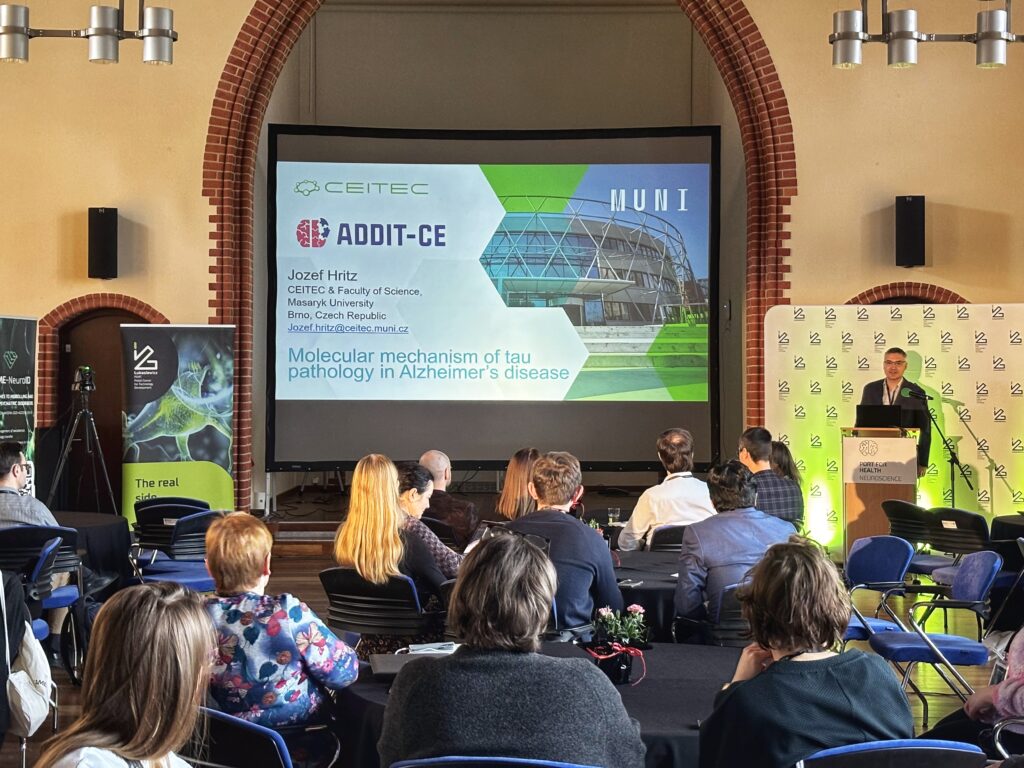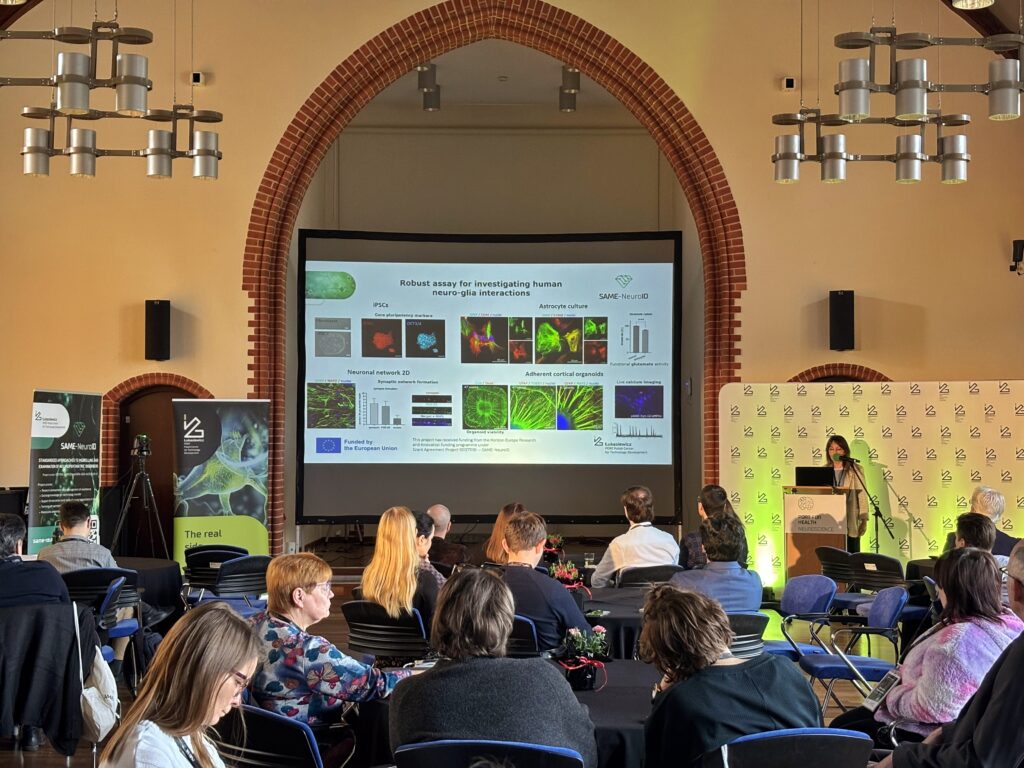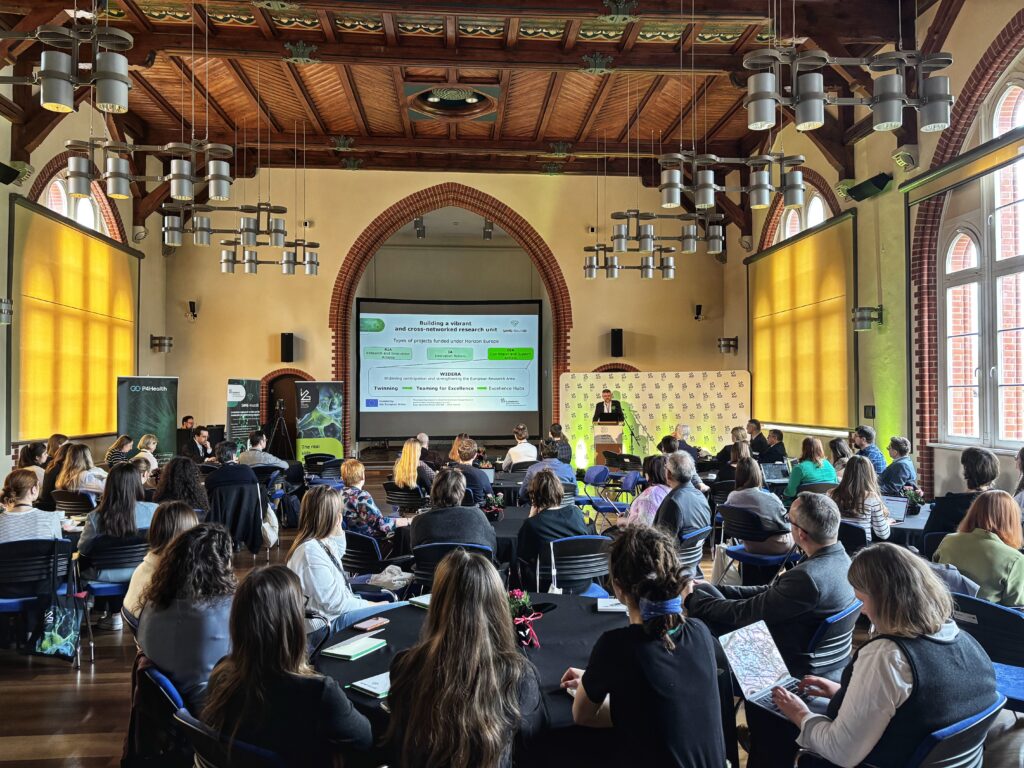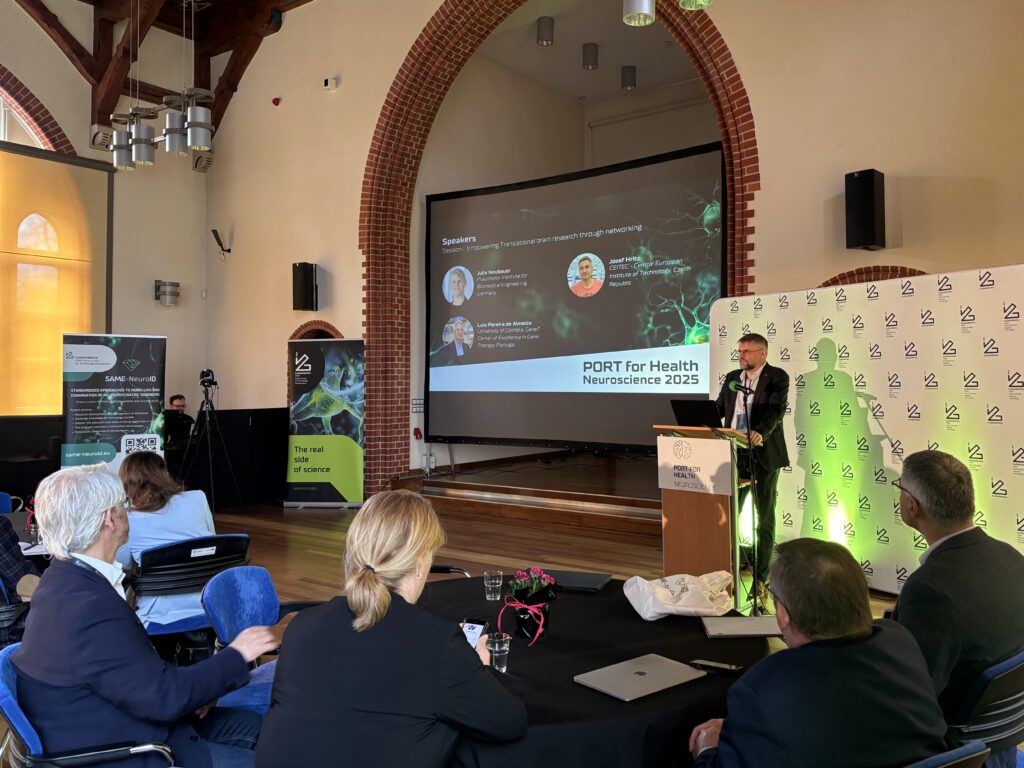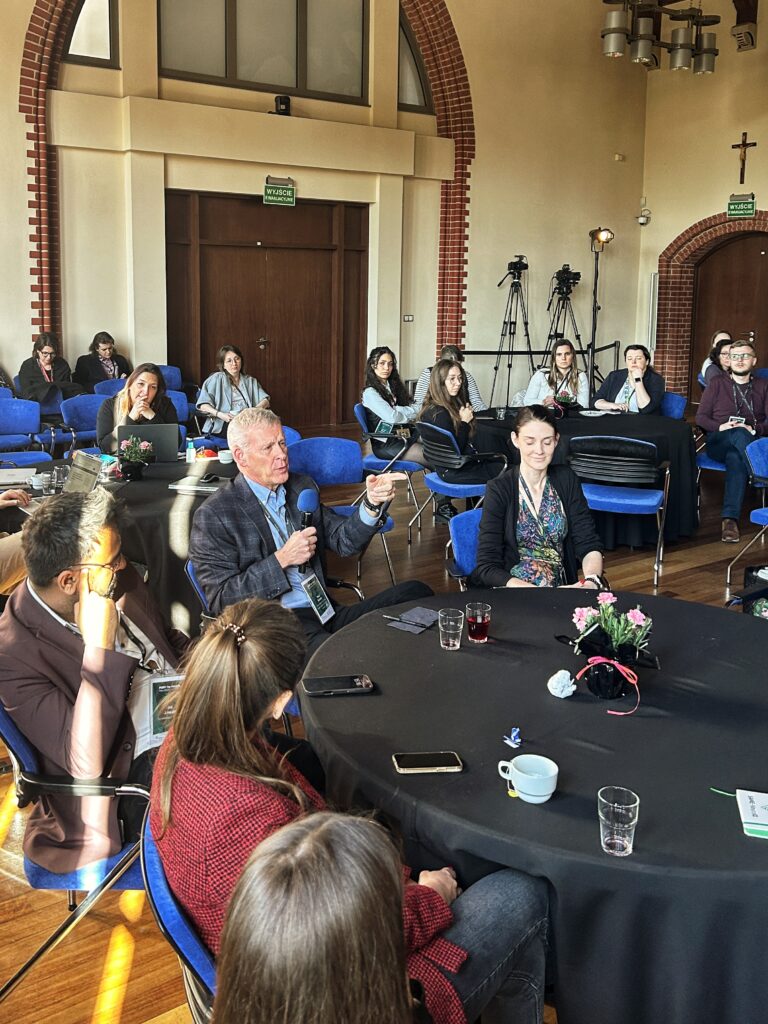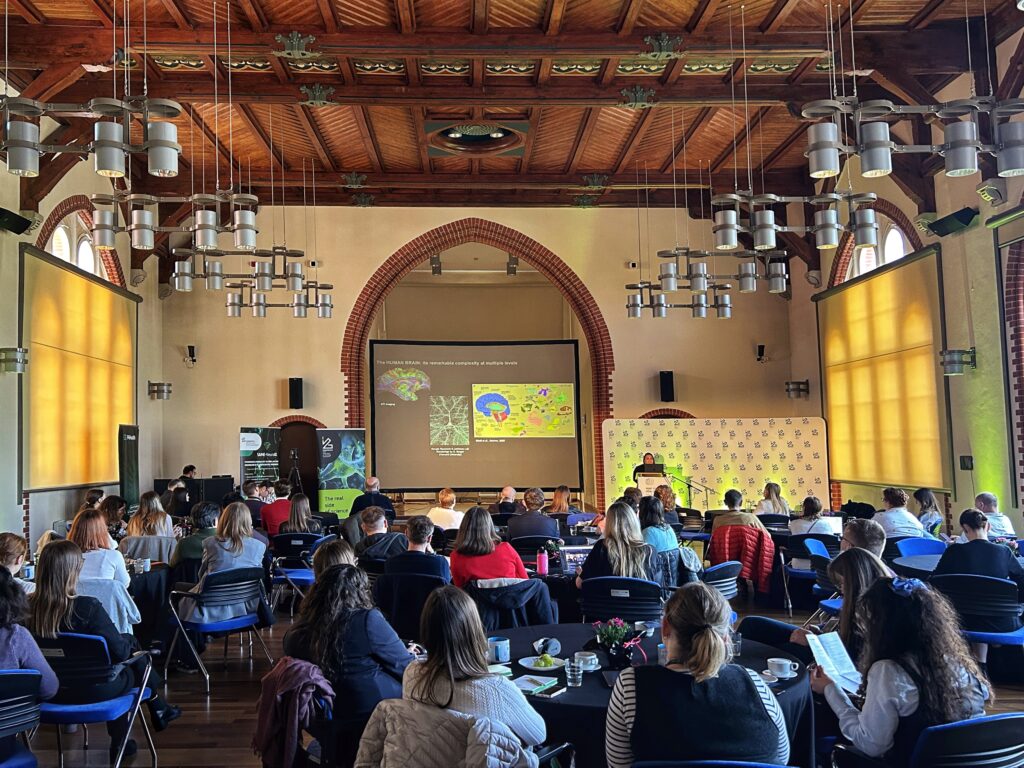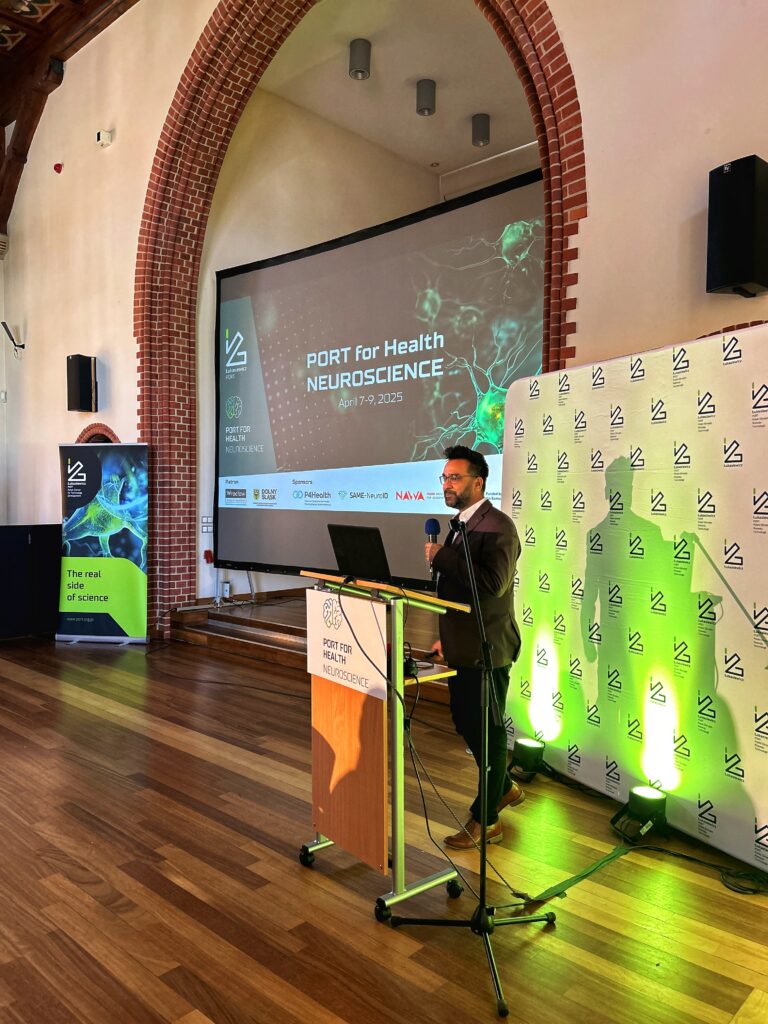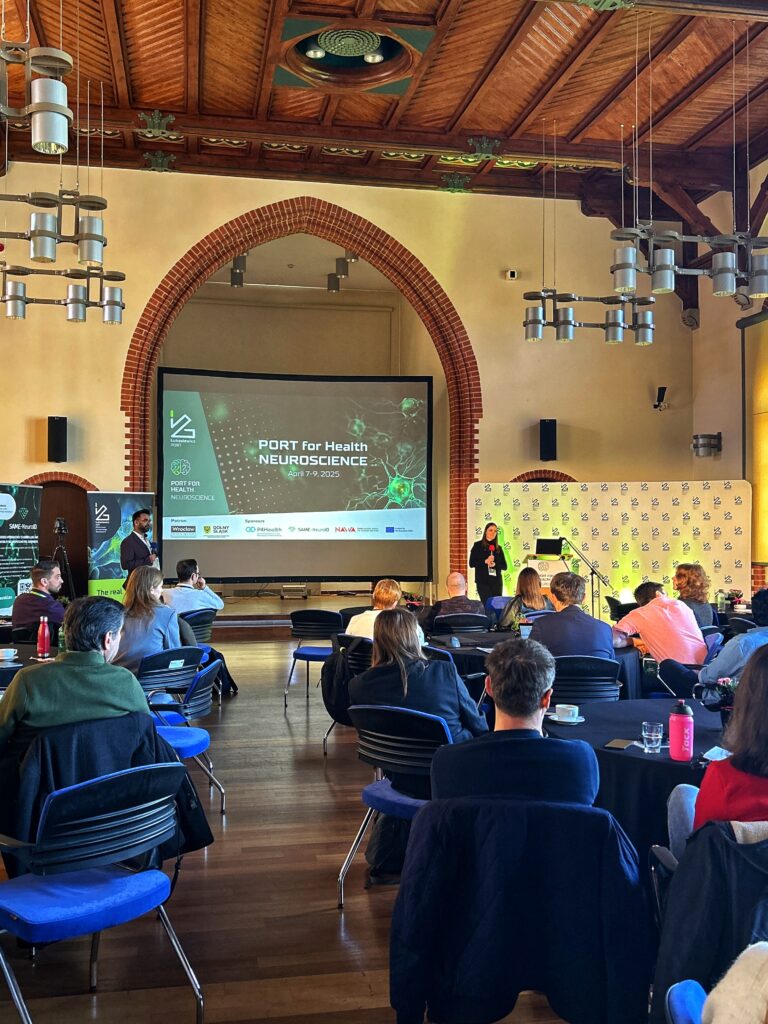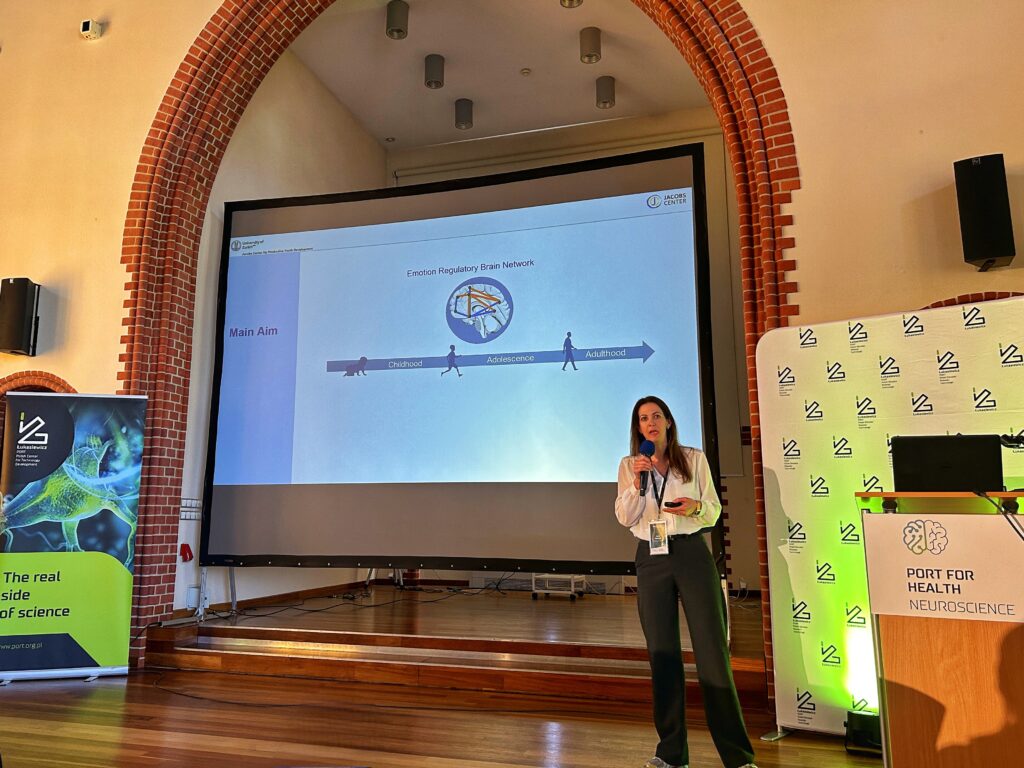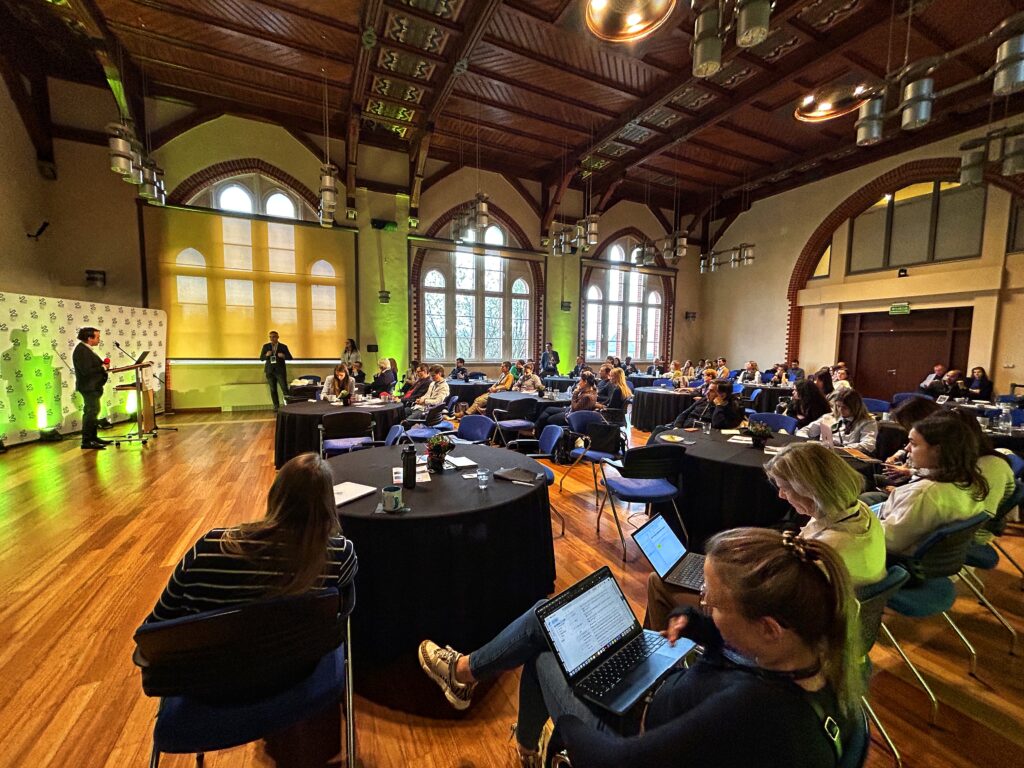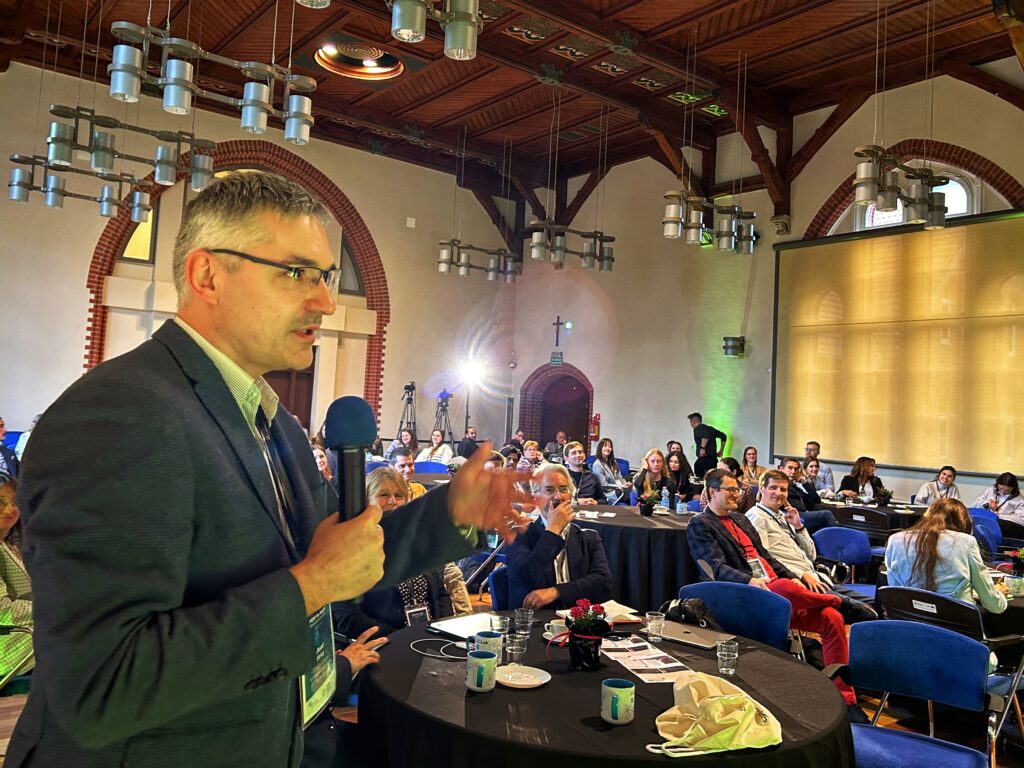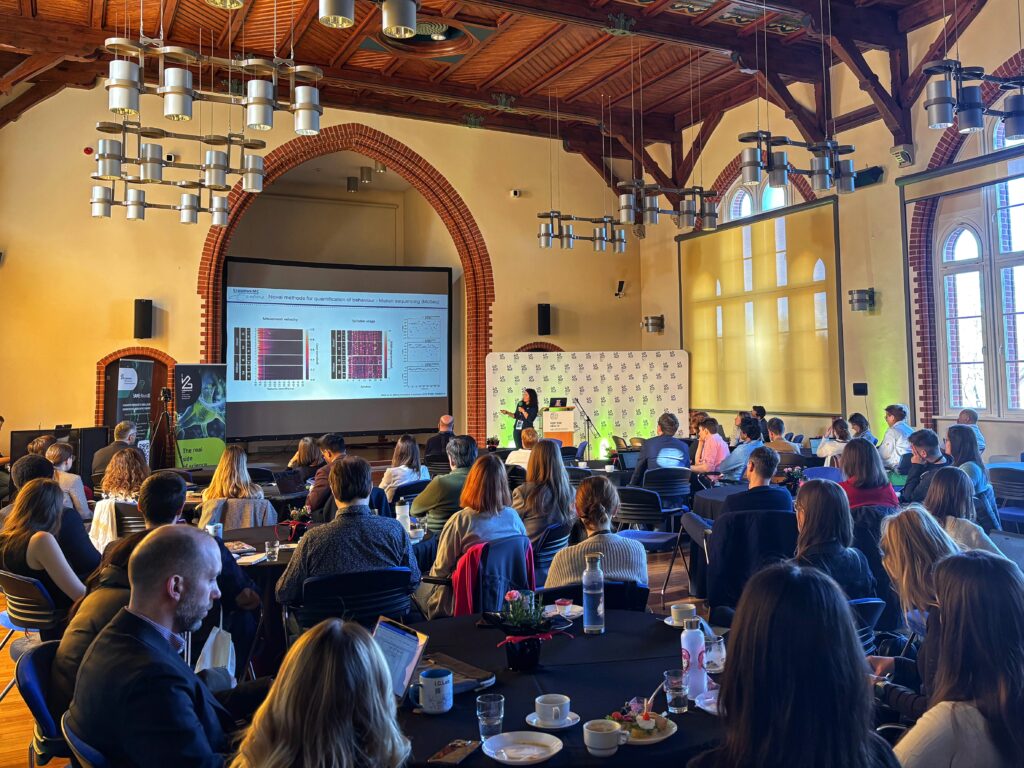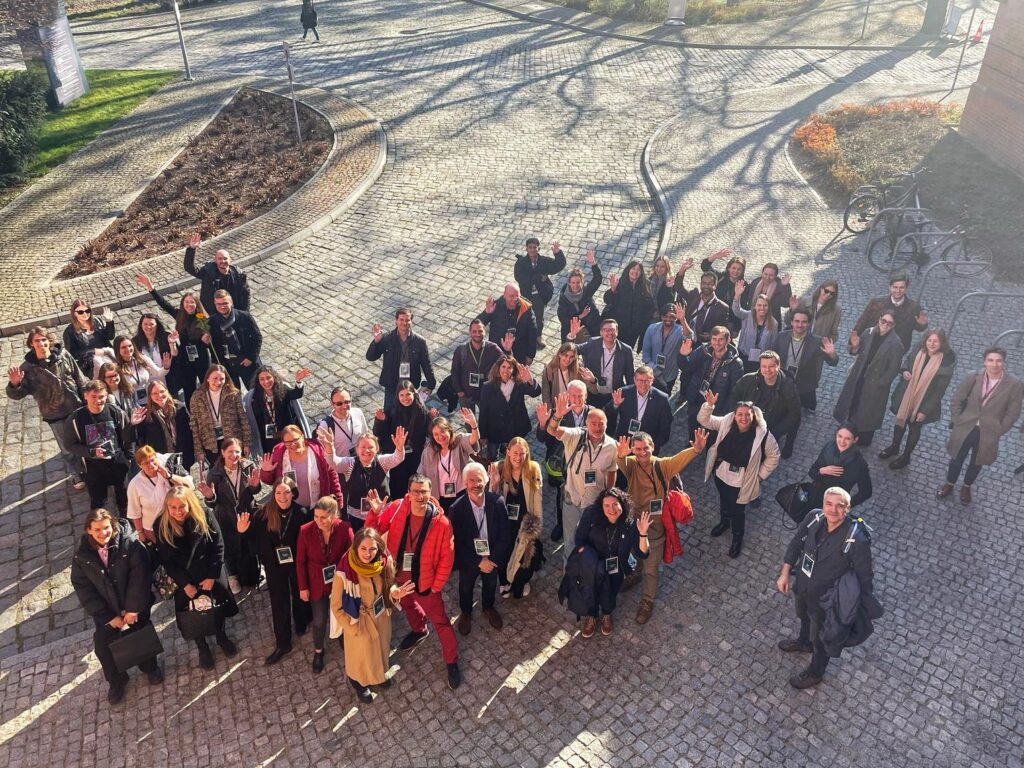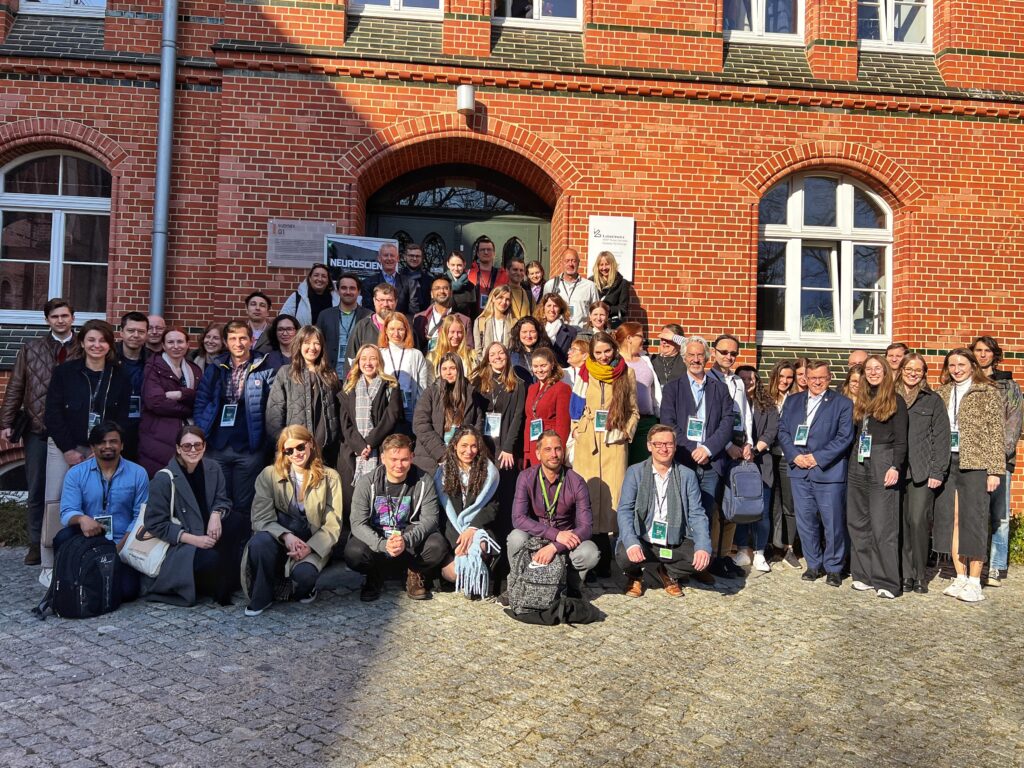
PORT for Health: Neuroscience 2025 once again brought world-class neuroscience experts, clinicians and entrepreneurs to Łukasiewicz – PORT. This year’s edition focused on innovative approaches to understanding brain disorders, including neuroimmune interactions and the use of advanced computational tools to study behaviour and neurodegeneration.
The conference was organised under the umbrella of the P4Health and SAME-NeuroID projects, whose goals are to advance personalised medicine and to integrate scientific research with medical care.
Participants shared insights into the latest neurological discoveries, emerging diagnostic tools and their impressions of the event.
Sharing experience and research results
– Scientific work is both collaborative and creative. We always need someone with whom we can confront our ideas – said Dr Michał Malewicz, Director of the Centre for Life Sciences and Biotechnology at Łukasiewicz – PORT, highlighting the importance of exchanging scientific experience and building new networks.
The keynote speaker, Prof. Simona Lodato from the Humanitas Research Center in Italy, added:
– Research results are the essence of our work. Communication and feedback on experiments and tested hypotheses enable recognition of researchers’ efforts and help keep the scientific community up to date.
– The organisers aimed to create a space where three sectors meet – science, clinical practice and industry – to jointly improve diagnostics, therapies and care for patients with brain disorders – summarised Dr Michał Ślęzak, leader of the Astrocyte Biology Research Group at Łukasiewicz – PORT.
Challenges facing neurologists
Scientists still do not fully understand the fundamental mechanisms underlying Alzheimer’s, Parkinson’s or Huntington’s disease, which constitutes a major societal challenge. Early diagnosis is crucial, as therapies are most effective at early stages. However, as Prof. Paul Schultz from the University of Texas Health Science Center in Houston pointed out, public awareness remains insufficient – many people do not know which symptoms should prompt a medical consultation.
Neurological disorders are often accompanied by chronic pain, and understanding it as well as developing effective therapies remains an unmet scientific goal. Another major challenge is the gap between basic research and its translation into clinical practice.
– Only through collaborative networks can fragmented knowledge and experience from scientists, physicians and industry representatives be brought together – emphasised Dr Ślęzak.
Prof. Simona Lodato identified a further major challenge for modern neuroscience:
– We are seeing enormous progress in areas such as artificial intelligence and “omics” research, but we now need a moment of reflection to use these tools wisely.
Latest trends in neurology
A significant portion of the conference focused on Alzheimer’s disease. Dr Jozef Hritz from the Central European Institute of Technology (Czech Republic) stressed the importance of early diagnosis, noting that pathological changes in the brain can appear up to 10 years before clinical symptoms.
The conference’s special guest, Prof. Paul Schultz, who has long been working on solutions for Alzheimer’s patients, spoke enthusiastically about his work:
– Even though I haven’t invented a cure, I feel part of real progress. Three new drugs in the last four years represent a breakthrough – my patients’ conditions are deteriorating much more slowly.
Great hope is also placed in gene therapy. Many neurological diseases have a genetic basis. Prof. Luis Pereira de Almeida from the University of Coimbra and the GeneT – Center of Excellence in Gene Therapy (Portugal) discussed treatments based on gene editing and gene silencing techniques.
Prof. Aleksandra Badura from Erasmus University MC (Netherlands), who studies the biological foundations of autism, presented research on sex differences in autism mechanisms, which could accelerate diagnosis and ensure equal access to care.
Speakers also presented new diagnostic tools for autism. Dr Kayleigh Gultig from Erasmus University MC & Blink Lab (Netherlands) introduced a smartphone-based neurobehavioural testing application that analyses, for example, facial reactions to sound stimuli and behaviours typical of the autism spectrum. Katsiaryna Stankevich, CEO of the start-up the Cognity, explained how artificial intelligence can help people on the autism spectrum practise social scenarios, voice intonation and build self-confidence.
– We are living in incredibly exciting times for neuroscience. Fifteen years ago, such brain diagnostics would have been unimaginable – concluded Prof. Lodato.
PORT for Health – a place for scientific dialogue
– Laboratories and clinicians usually speak different languages. Conferences like this bring these two worlds closer together – said Prof. Paul Schultz, summarising his stay in Wrocław.
Discussions during the conference led to initial ideas for future collaboration.
– We are already planning joint research with PORT scientists in the area of structural biology and neurodegeneration – noted Dr Jozef Hritz.
– So many different perspectives: business, clinic, academia. I value the opportunity for such conversations and hope for more conferences like this – summarised Prof. Aleksandra Badura.
The organisers also expressed their satisfaction with the high level of engagement:
– The reception of the event was phenomenal – participants were highly involved and full of enthusiasm – recalled Dr Ali Jawaid, leader of the Translational Neuropsychiatry Research Group at Łukasiewicz – PORT.
The conference was held under the honorary patronage of the Mayor of Wrocław and the Marshal of the Lower Silesian Voivodeship, and was funded by resources from NAWA and the European Union as part of the P4Health and SAME-NeuroID projects.