Patients diagnosed with breast cancer often hear from doctors that cancer is not a death sentence. Modern medicine offers a range of treatment options depending on the stage of the disease: surgery, chemotherapy, radiotherapy, or costly monoclonal antibody therapies. Unfortunately, mortality among patients remains high: in 2022, 2.3 million breast cancer cases were diagnosed worldwide, of which 670,000 were fatal (WHO data).
A new project in Tomasz Lipiński’s team
Scientists from the company Vaxican (Dr Łukasz Rąbalski and Dr Krzysztof Łepek) together with the team of Dr Tomasz Lipiński – the Bioengineering Research Group at Łukasiewicz – PORT – have received a PLN 4.6 million grant in a competition announced by the Medical Research Agency (ABM) for projects in the areas of drug safety, innovative therapies, and future medicines.
The newly formed Vaxican–PORT consortium will carry out the project entitled:
“Optimization of production and purification of virus-like particles (VLPs) presenting the HER-2 antigen as a candidate for a therapeutic vaccine against breast cancer: process scaling and preclinical product characterization.”
The goal of the project is to develop a therapeutic vaccine, meaning one administered to patients after a cancer diagnosis.
Teaching the immune system to fight cancer
The HER-2 antigen is a well-characterized marker of, among others, breast cancer. Researchers decided to use it as a molecular target for the vaccine. First, the Gdańsk-based company Vaxican will produce virus-like particles (VLPs) which, unlike real viruses, do not contain genetic material and cannot replicate in the human body.
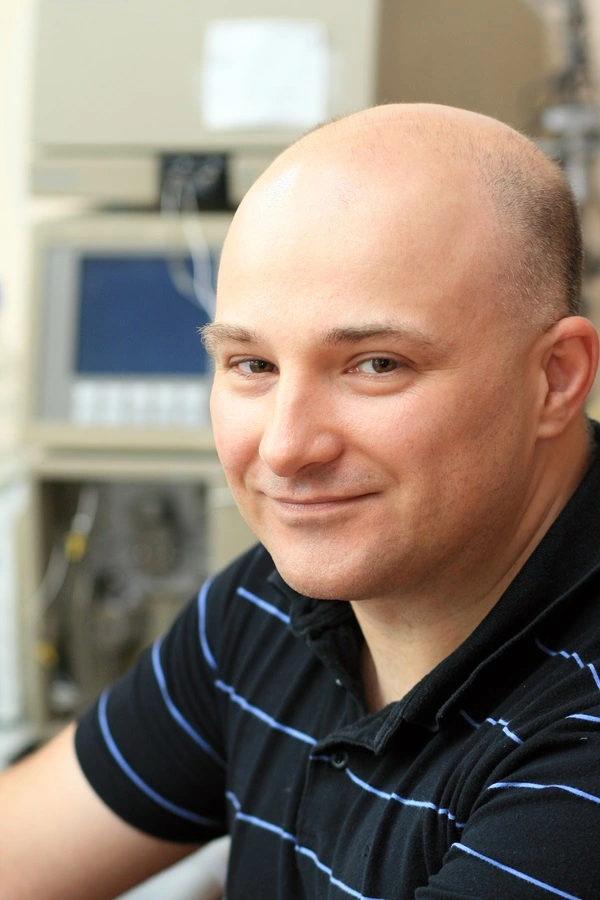
“They will serve to present the tumor antigen HER-2 to immune system cells, embedded in the proteins forming the viral capsid,” explains Dr Lipiński.
A crucial stage of the project is the purification process of these particles, which will be carried out at Łukasiewicz – PORT. Producing VLPs requires the use of cell lines. When cells are disrupted to release VLPs, their entire contents are also released—thousands of different proteins and other molecules. Before the vaccine particles can be administered to patients, they must be thoroughly purified and characterized.
To achieve this, the team will create an immunoaffinity chromatography column that selectively captures VLPs presenting the HER-2 antigen, allowing them to be separated from other cellular components.
The purified HER-2–VLPs will then be sent back to Gdańsk, where the consortium leader, Vaxican, will continue vaccine development through to the completion of Phase I clinical trials. The final goal is to bring the vaccine to market in cooperation with pharmaceutical companies operating in oncology.
A therapeutic vaccine more effective than monoclonal antibodies?
Researchers expect that administering a therapeutic vaccine containing HER-2–displaying VLPs will stimulate the patient’s immune system to fight the cancer. As in the case of an infection, the immune system will produce specific antibodies against the viral particles and the HER-2 antigen, helping to eliminate cancer cells that express this marker.
“This solution allows for better control of therapeutic antibody levels than monoclonal antibody therapies, which are produced outside the body and most often administered intravenously,” summarizes the head of the Bioengineering Research Group. “As a result, side effects can be minimized and treatment costs significantly reduced.”
In addition, the vaccine will activate cell-mediated immunity, giving it an extra advantage over therapies based solely on monoclonal antibodies. The vaccine is expected to have greater potential to inhibit tumor growth and eliminate cancer cells than treatments relying only on antibodies.
The planned work will conclude at the preclinical stage, but the ultimate objective is to introduce the vaccine to the market. The path from concept to an approved medicine is long and requires substantial financial investment. Dr Lipiński adds optimistically:
“We believe that successful research outcomes will attract further pharmaceutical partners and secure funding for the next stages of vaccine development.”