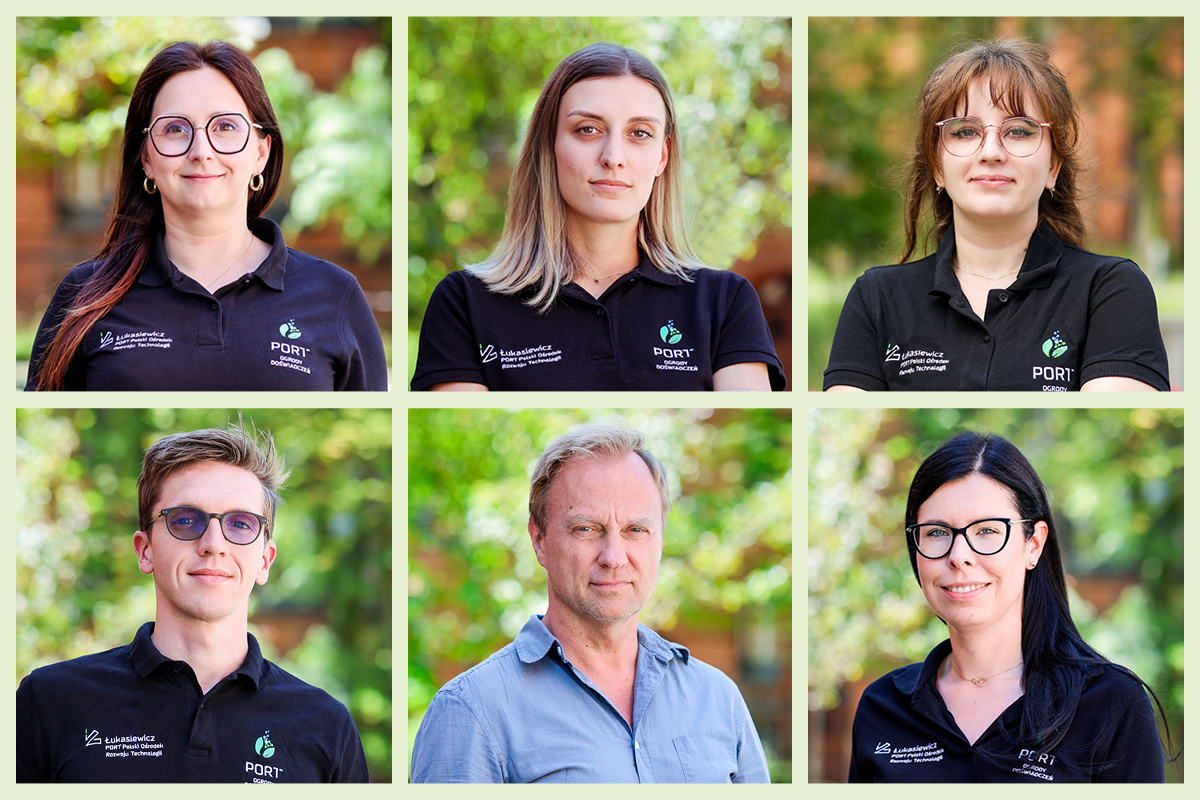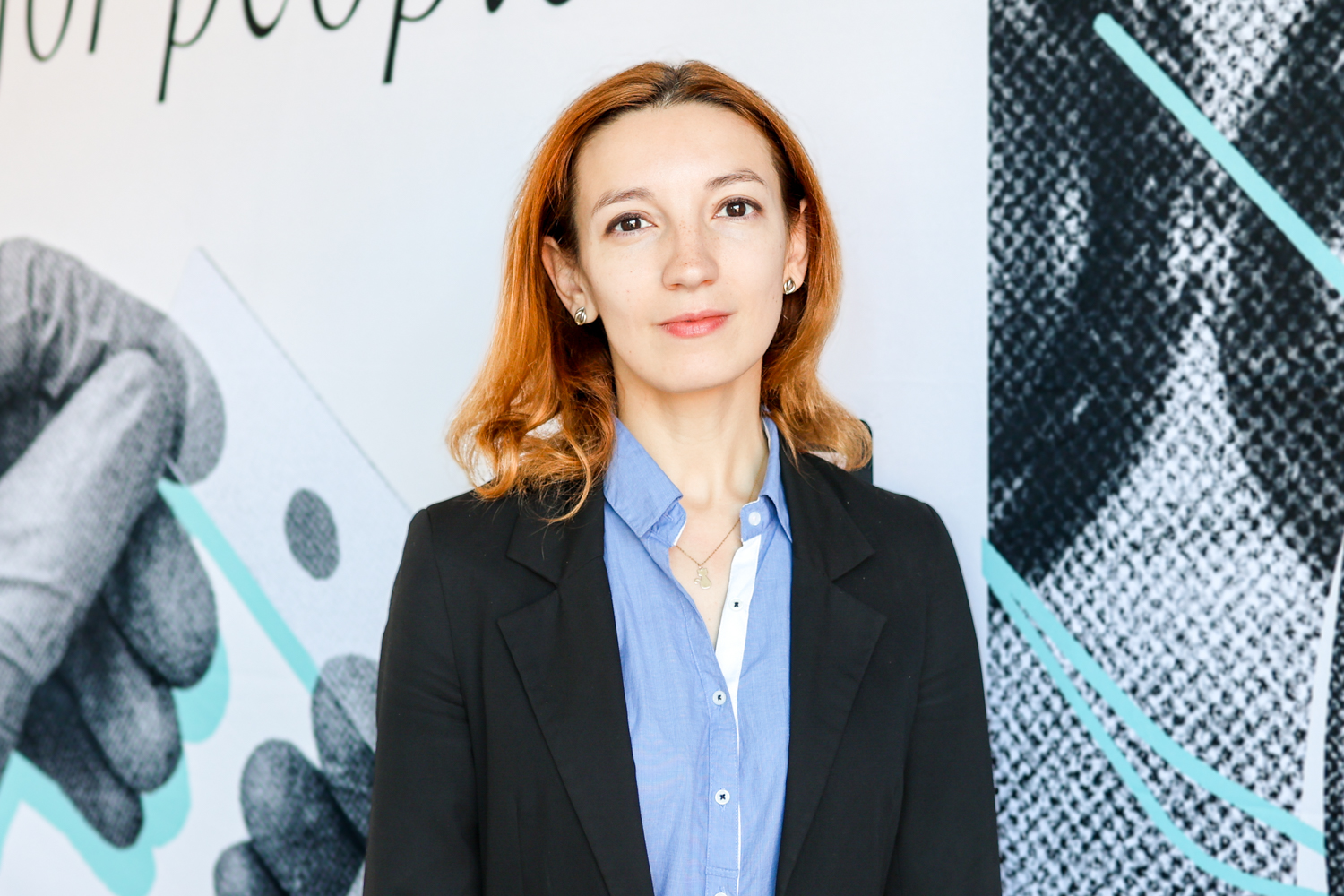
Two more researchers at Łukasiewicz – PORT have been awarded the degree of habilitated doctor. This is not only an important milestone in their individual careers, but also a key element of the institute’s long-term strategy focused on developing independent research teams and educating future generations of scientists.
Two research areas, two complementary paths
Dr. hab. Marek Wagner heads the Innate Immunity Research Group. His research focuses on cancer immunology, with particular emphasis on melanoma – the most aggressive form of skin cancer.
Dr. hab. Heng-Chang Chen, in turn, is a molecular virologist and the head of the Quantitative Virology Research Group. His work includes studies on HIV, in which he combines experimental approaches with biological data analysis.
Both researchers are developing long-term research programs at Łukasiewicz – PORT, drawing on experience gained at research centers around the world.
Innate immunity and melanoma
For over a decade, Dr. hab. Marek Wagner has been investigating how the immune system influences cancer development. His main area of interest is melanoma and the mechanisms of innate immunity that may inhibit its progression. He obtained his PhD at the University of Bergen, where he conducted research on the role of the tumor microenvironment, including the impact of adipose tissue on blood vessel formation within tumors. Part of this work was carried out at Harvard Medical School and Boston Children’s Hospital.
An important stage in his career were also studies conducted in Japan, in the laboratory of Prof. Shigeo Koyasu, focusing on group 2 innate lymphoid cells (ILC2). “Cells that were originally associated mainly with anti-parasitic responses turned out to have properties that inhibit melanoma development. This completely changed the way we think about the role of innate immunity in cancer,” says Dr. hab. Wagner.
As he emphasizes, the habilitation had a reflective dimension for him as well: “For me, habilitation was a moment to pause and take a comprehensive look at what I have achieved so far. It is rather a summary of a certain stage and an ordering of my own research trajectory than a goal in itself.”
His team at Łukasiewicz – PORT is currently working on extending melanoma analyses to include human material and on developing projects with translational potential, carried out in cooperation with clinical centers.
Habilitation – a decision in an international scientific career
Dr. hab. Heng-Chang Chen obtained his PhD in microbiological sciences at Humboldt University in Berlin. Already during his doctoral studies in Germany, he became familiar with the habilitation system, which also operates in some German-speaking countries.
“So, the idea of habilitation was not completely foreign to me. I knew what this stage of a career is and what role it plays in academic systems,” the researcher emphasizes.
After his PhD, he conducted research in Spain and France, where he began his work on HIV. He came to Poland as an established scientist, taking over the leadership of a research group at Łukasiewicz – PORT in 2022.
As he points out, although habilitation is not mandatory in many countries, in the Polish context it serves a very specific function: “This is not just a matter of a title. Habilitation means real independence – the ability to supervise PhD students, greater involvement in teaching, and full participation in academic life. For me, it was a conscious step connected with the further development of my career in Poland,” says Dr. hab. Chen.
The habilitation process required the preparation of a coherent cycle of publications, demonstration of scientific mobility, grant experience, and mentoring competencies. A particular challenge for the virologist was the need to prepare documentation in both English and Polish; however, the entire process was carried out with institutional support and the benevolent attitude of the habilitation committee.
A Leader as a supervisor
The awarding of the habilitated doctor degree to two research team leaders fits into the team development model implemented at Łukasiewicz – PORT.
“For a PhD student to develop properly, they must have a supervisor. The natural supervisor is the leader of the research team in which the doctoral student conducts research. However, in order to perform this role in Poland, habilitation is required. When we speak of scientific independence, we mean a real possibility of education – priority in teaching, supervising PhD students, and full participation in academic life. Combining the roles of leader and supervisor is the most natural development path, both for the scientist and for the doctoral student,” emphasizes the Director of Łukasiewicz – PORT, Prof. Jarosław Bosy.