On February 24, at the headquarters of the Foundation for Polish Science, we officially launched the implementation of the International Research Agendas (MAB) project within the P4Health Center of Excellence. The €8 million grant constitutes a key component of a complementary funding model that enables us to advance a long-term research program in the field of precision medicine.
“Neurons are only part of the story of the brain. They account for just one third of all its cells. The rest are glial cells, which, when discovered 150 years ago, were considered merely a kind of glue filling the space between neurons and giving the brain its structure. Today, we know that glial cells – although far less recognized – play a crucial role in brain function.” With these words, Prof. Bastian Hengerer opened a new chapter in the history of P4Health.
The grant awarded under the International Research Agendas (MAB) program is one of three components of a complementary funding structure that is transforming an ambitious vision into a fully operational P4Health Center of Excellence.
Astrocytes – a new perspective in the treatment of brain disorders
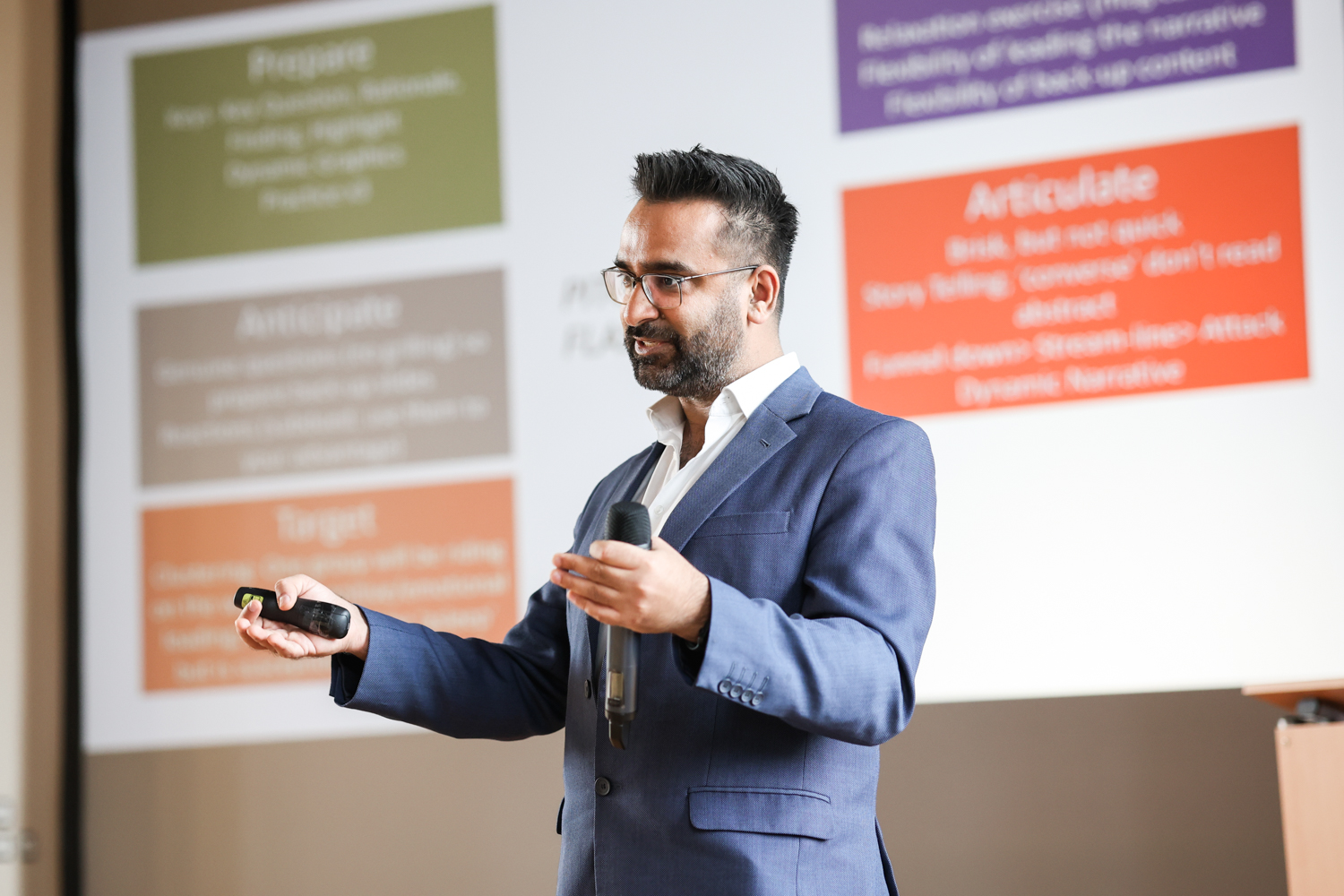
Prof. Bastian Hengerer, a neurobiologist with more than 30 years of experience in the pharmaceutical industry, where he was responsible, among other things, for drug development at Boehringer Ingelheim, serves as the leader of the MAB project and Director of the P4Health Center.
During the kick-off meeting, he explained the essence of the new astrocyte-based research approach, referring to astrocytes as one of the main types of glial cells:
“Astrocytes are cells that do not communicate electrically with one another, as neurons do, yet they are essential for keeping neurons alive. They interact with blood vessels and nerve endings, transporting nutrients and maintaining system homeostasis,” Prof. Hengerer explained. “Our goal is to explore this still largely uncharted area – the biology of astrocytes – and to develop a new therapeutic approach to neurodegenerative diseases such as Alzheimer’s and Parkinson’s, as well as psychiatric disorders, including depression.”
Drawing on the project leader’s extensive industry experience, the initiative places strong emphasis on translating laboratory discoveries into tangible solutions for patients. “I understand what industry needs, and therefore how we must operate: by using our resources strategically and precisely to turn ideas into reality,” Professor emphasized.
The project is carried out by an international research team combining industrial and academic expertise. In addition to Prof. Hengerer, the team includes Dr. Agnieszka Krzyżosiak, Dr. Michał Ślęzak, and Dr. Mykhailo Batiuk, who contribute complementary expertise in molecular biology, neurobiology, and advanced single-cell profiling methodologies.
Science in service of society
The societal significance of the project was emphasized by Prof. Maciej Żylicz, President of the Foundation for Polish Science. He noted that biotechnology and medicine are fields that directly affect the human body, influencing quality of life and the aging process.
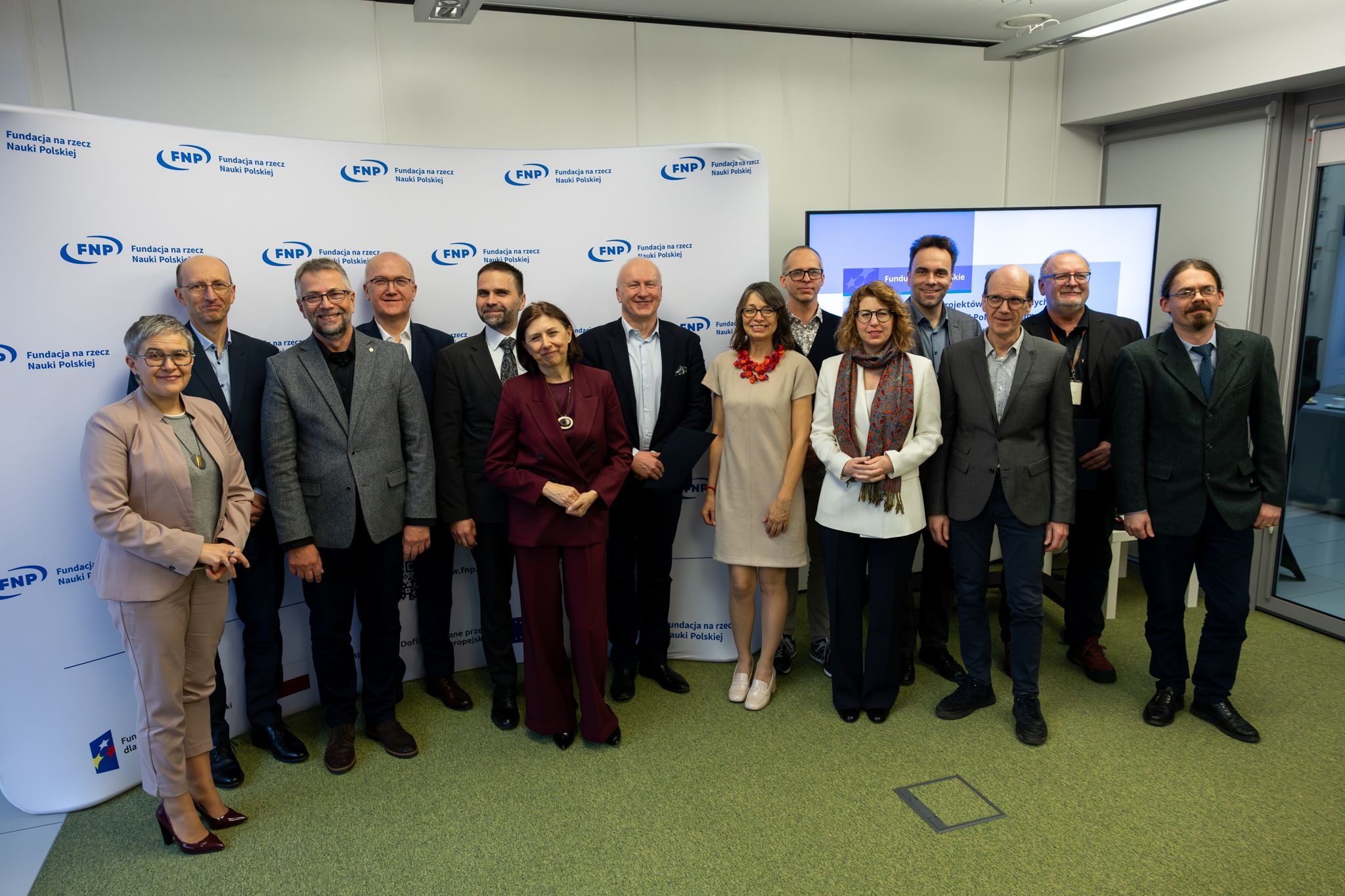
“Initiatives such as the Center of Excellence for Precision Phenotyping and Biological Data Banking for Personalized Brain Health are relevant to us all, as nearly everyone today has someone in their immediate environment who suffers from neurological diseases or disorders,” Prof. Żylicz said, introducing the presentations of ten project leaders who were officially launching their activities that day under the International Research Agendas program.
Funding synergy – the key to long-term stability
Prof. Maria Mrówczyńska, Deputy Minister of Science and Higher Education, who attended the ceremony, highlighted the crucial role of complementary funding streams. She emphasized that cooperation between the Ministry and the Foundation enables the full potential of Polish research institutions to be realized.
The implementation of P4Health is based on a unique funding structure that ensures long-term financial stability and enables research at a world-class level. Its foundation is the prestigious €15 million Teaming for Excellence grant from the European Commission, which Łukasiewicz – PORT has been implementing for over a year in partnership with King’s College London and the French CERBM.
Across five technological platforms, researchers are advancing the 4P model of medicine: predictive, preventive, personalized, and participatory – focusing their efforts on oncology.
As part of the complementary funding, €7 million in support from the Ministry of Science and Higher Education will facilitate the further development of research platforms and infrastructure. The €8 million MAB FENG grant from the Foundation for Polish Science provides targeted funding for research groups and the recruitment of world-class talent in the field of neuroscience.
P4Health: from project to center
With the full funding package now secured, P4Health is no longer a single project – it has become an independent unit within Łukasiewicz – PORT, supported by diversified funding sources and an ambitious research agenda that has the potential to position the Wrocław-based institute as one of the leading centers on the European biomedical research landscape.