Researchers from the Wrocław-based research institute have uncovered biological links between women’s adverse childhood experiences and the composition of their breast milk after childbirth.
The findings, just published in Translational Psychiatry—one of the world’s leading journals in neurobiology—may transform our understanding of how early-life experiences in women influence infant behavioral development and the health of future generations.
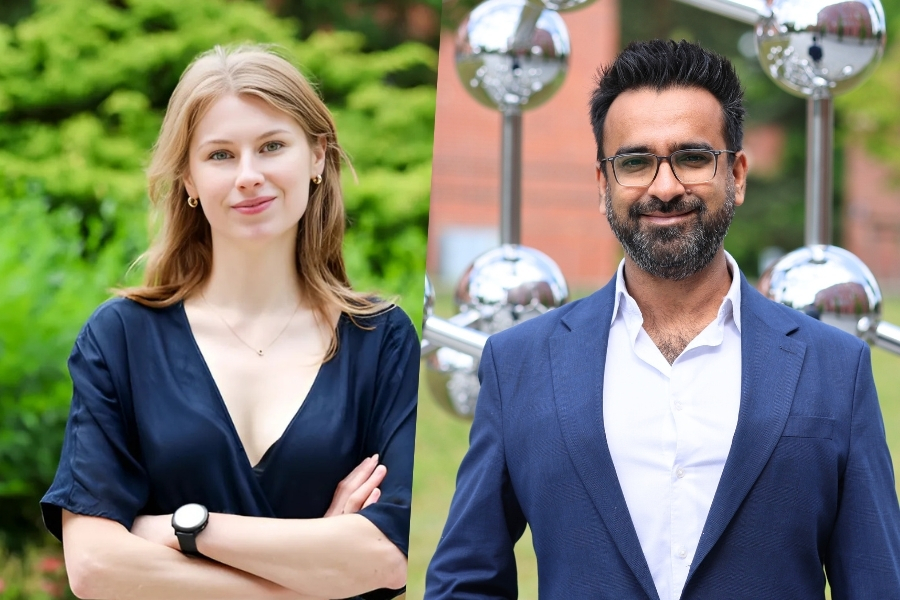
The study was led by Dr. Ali Jawaid, physician and neuroscientist specializing in transgenerational trauma research, who since 2024 has served as the leader of the Translational Neuropsychiatry Research Group at Łukasiewicz – PORT. The project was conducted in collaboration with Prof. Anna Ziomkiewicz-Wichary of Jagiellonian University in Kraków.
Changes in Breast Milk
Researchers examined 103 mothers and their infants, analyzing breast milk composition—specifically epigenetic regulators and fatty acids—and comparing women with different levels of adverse childhood experiences (ACE).
The results clearly show that the milk of mothers who experienced more traumatic events in childhood contained:
- Higher levels of specific microRNAs, which may influence the development of the infant’s immune, nervous, and metabolic systems.
- Lower concentrations of medium-chain fatty acids, which reduce the nutritional value of the milk.
Moreover, these alterations correlated with temperament characteristics observed in infants at 5 and 12 months of age and remained significant even after accounting for maternal postpartum depression symptoms.
Biomarkers of Lived Experience
“Our findings show that human milk is not only a source of nutrients but also a complex carrier of epigenetic signals shaped by mothers’ life experiences—even those from childhood,” says Weronika Tomaszewska of Łukasiewicz – PORT, the paper’s first author, who worked on the project for several years.
Her supervisor, Dr. Ali Jawaid, adds:
“MicroRNAs in breast milk may serve as biomarkers of lived experiences in humans and could predict the transmission of behaviors across generations. It is fascinating to discover that the way we live can not only affect ourselves and our loved ones but also alter the biology of future generations.”