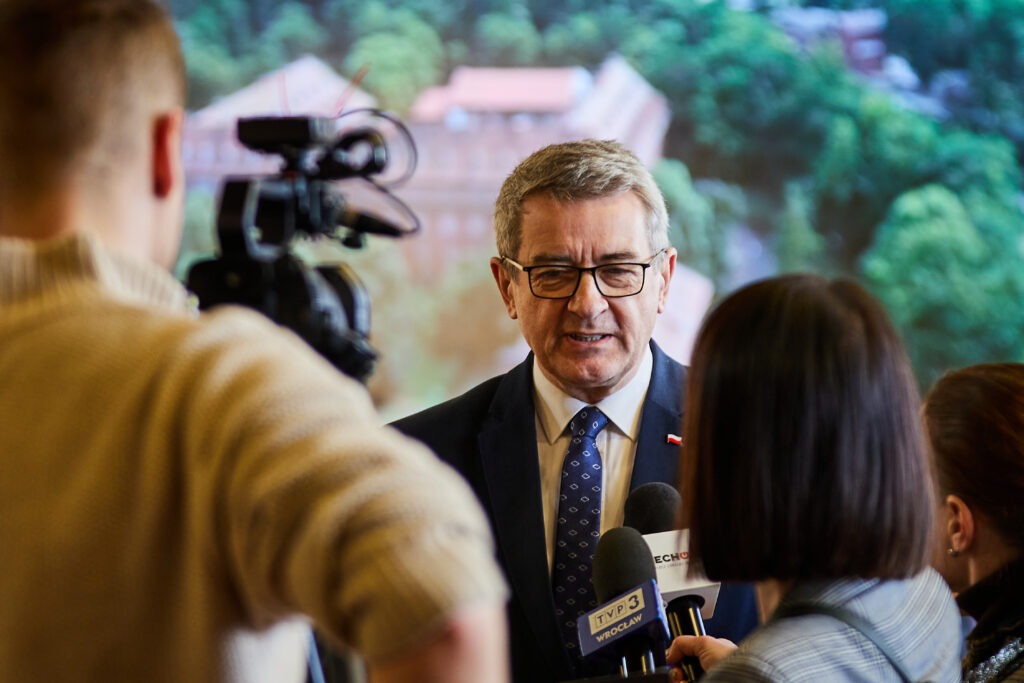
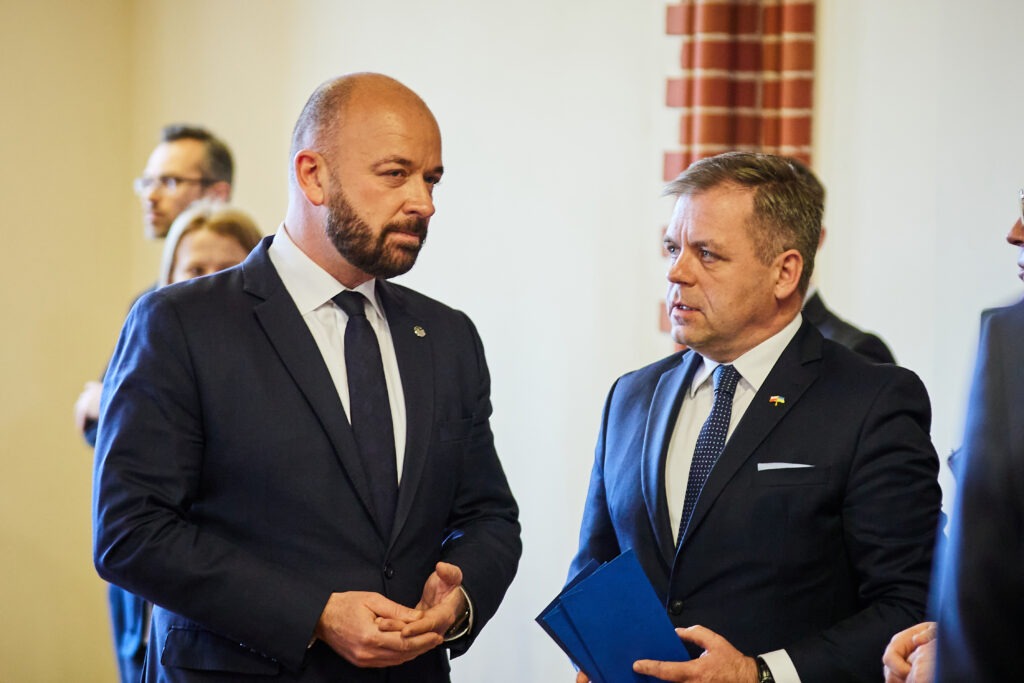
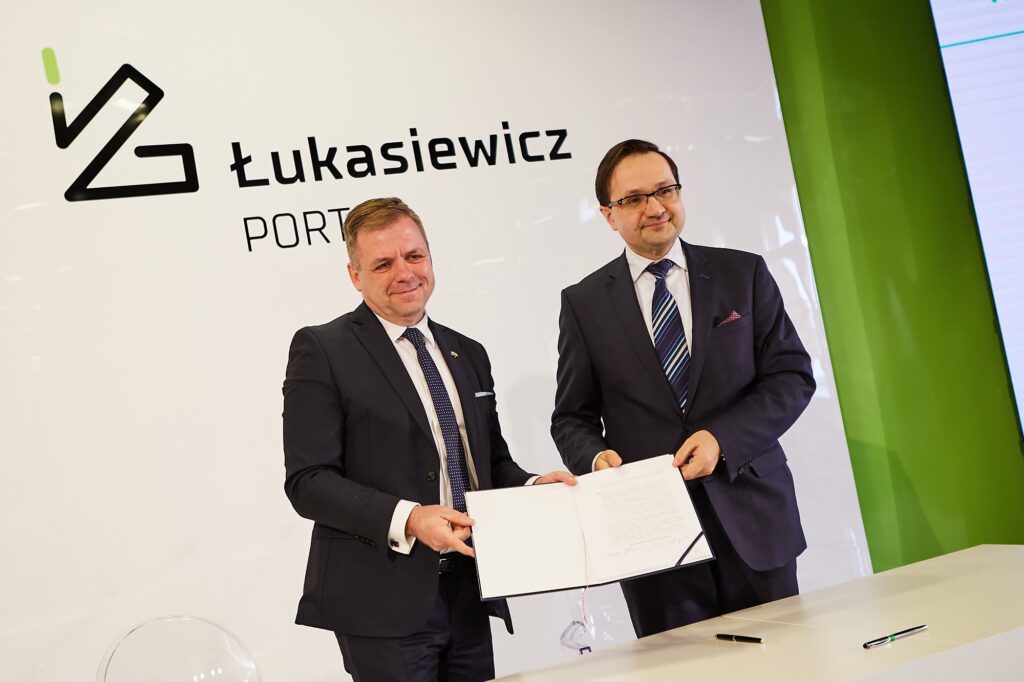
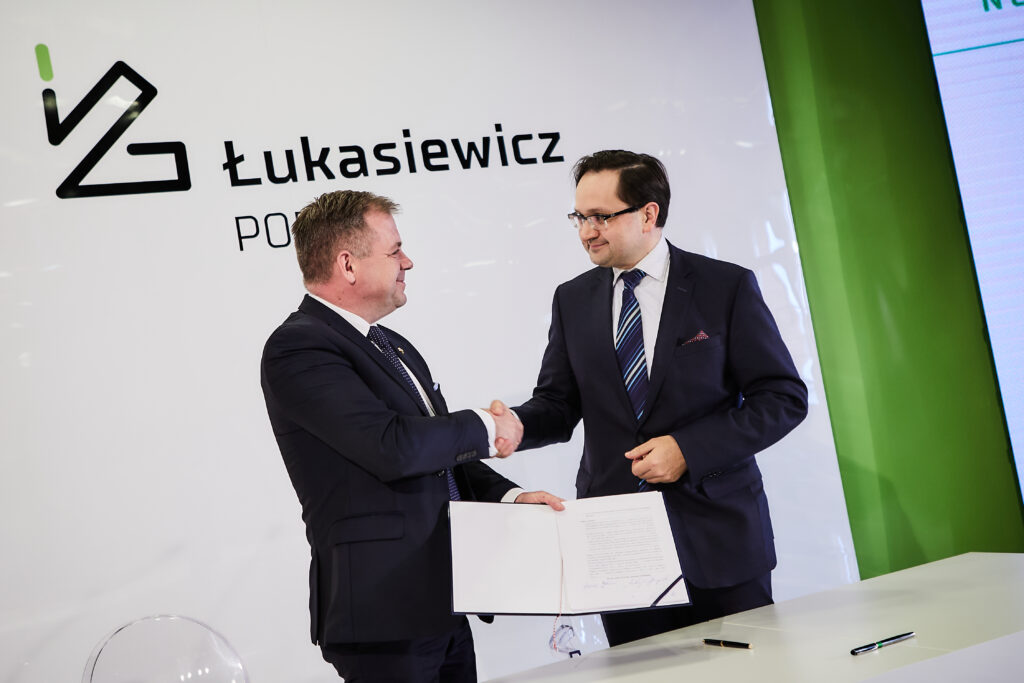
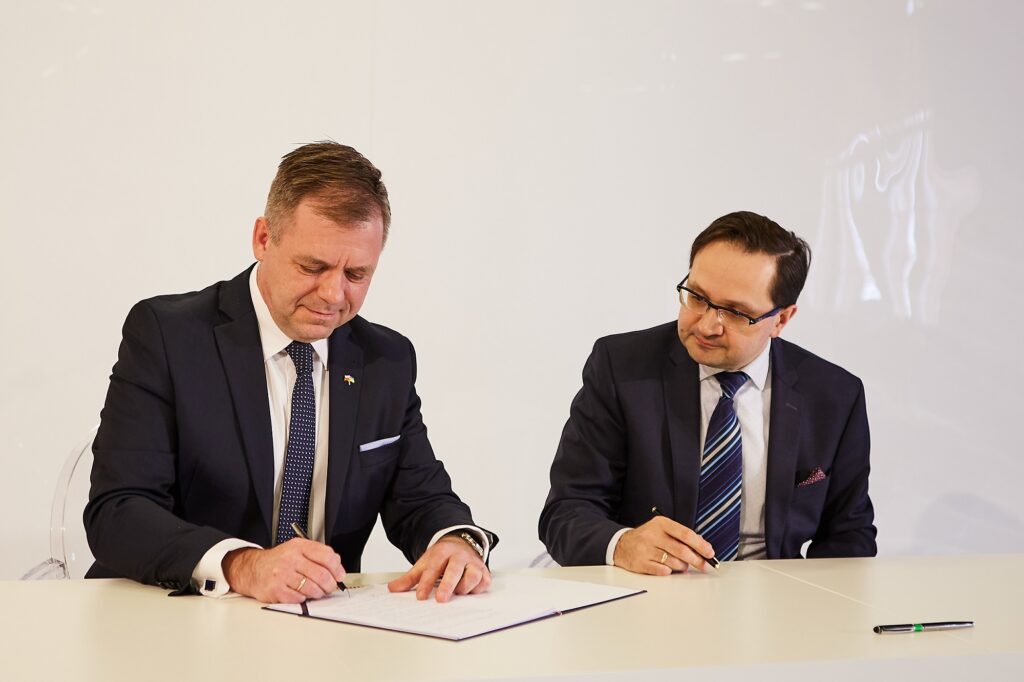
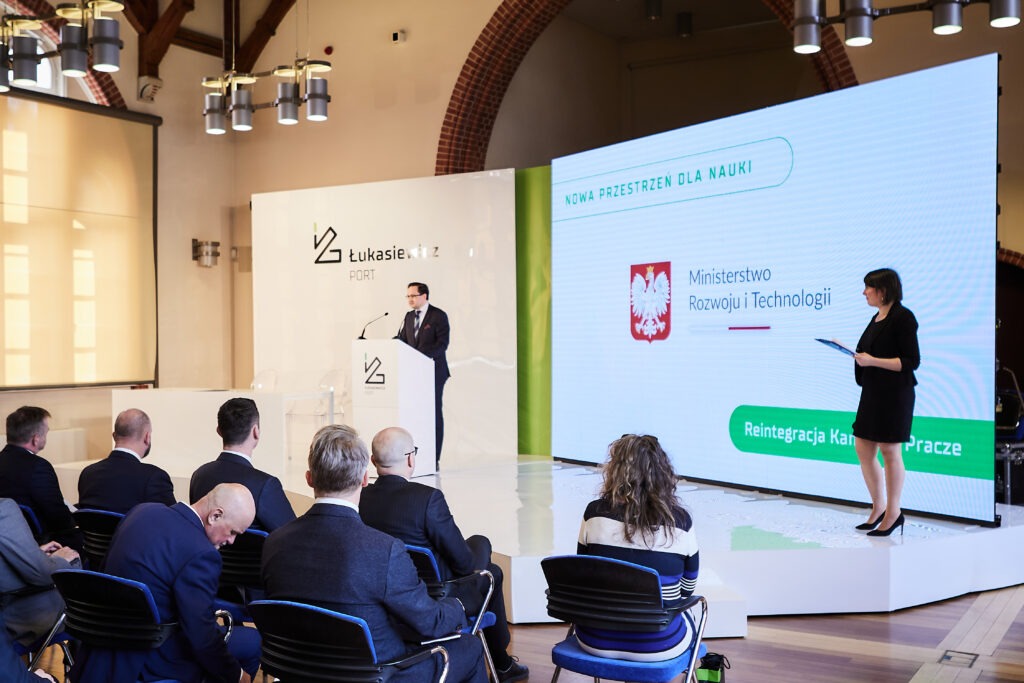
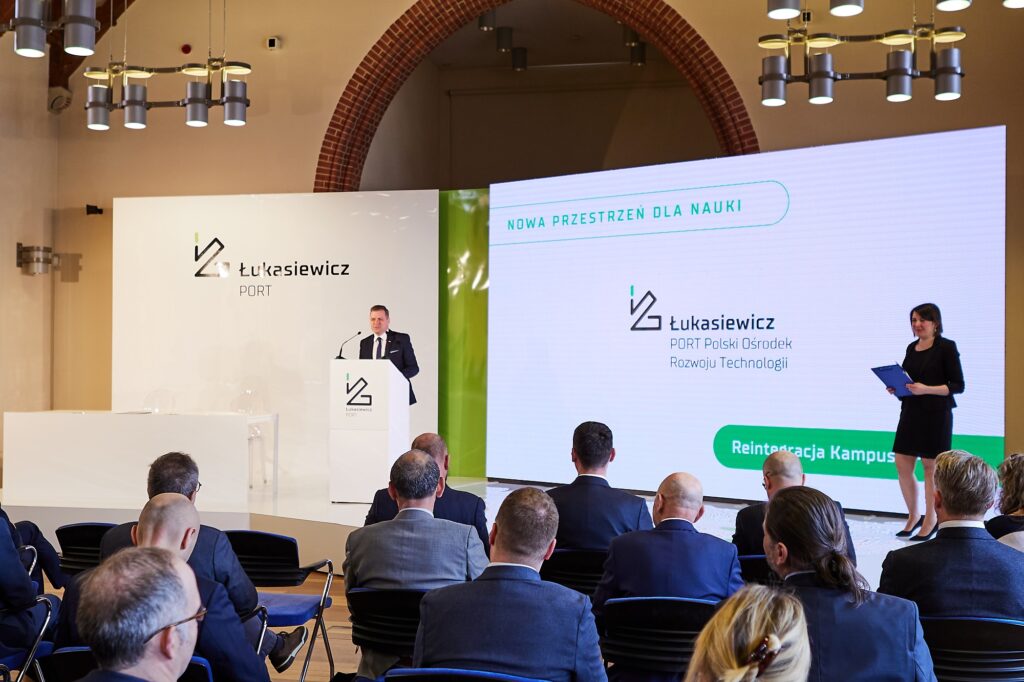
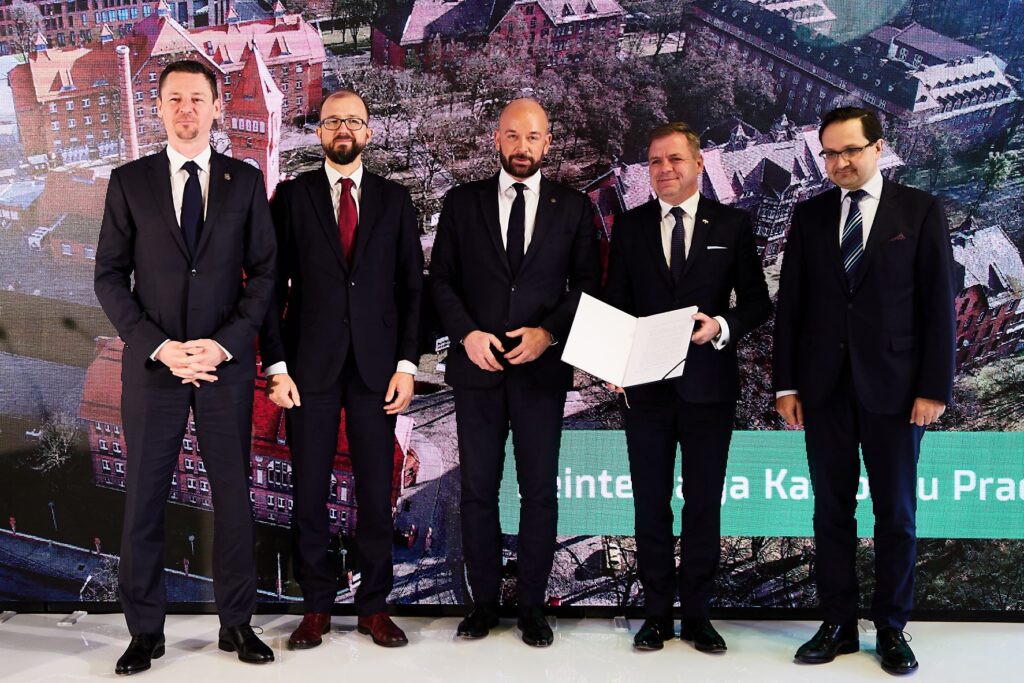
The signing of the agreement marks the reintegration of the Pracze Campus. Until now, Łukasiewicz – PORT occupied only part of the campus area and buildings, while the remaining area belonged to the City of Wrocław. Following a decision of the City Council, the property was transferred to the State Treasury and subsequently, under the equipping agreement, handed over to the Wrocław-based Institute. Łukasiewicz – PORT began efforts to acquire the entire campus as early as 2018. The completion of this process was made possible thanks to effective cooperation between government institutions and the authorities of Wrocław.
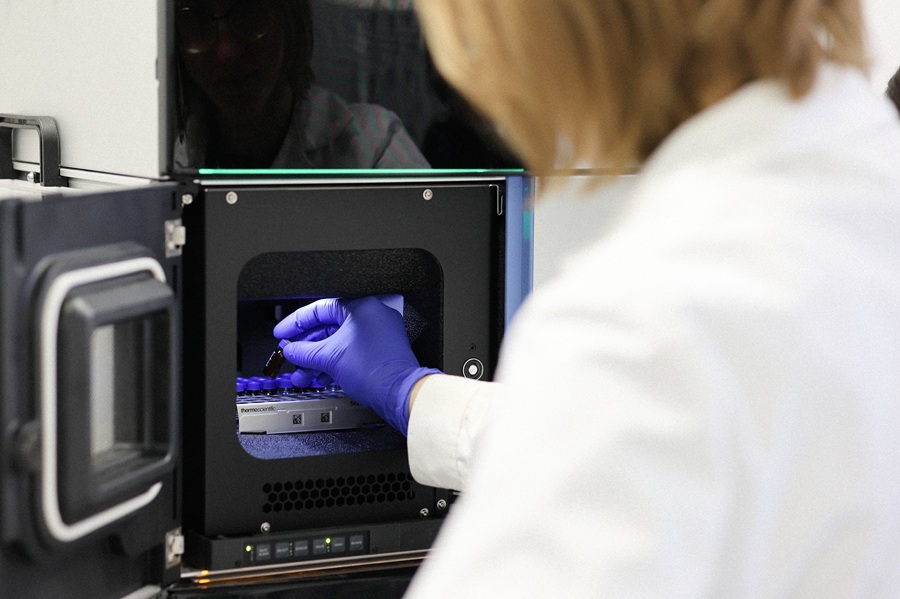
The Pracze Campus, which serves as the headquarters of Łukasiewicz – PORT, is a complex of historic buildings constructed between 1899 and 1913 according to a design by the renowned architect Richard Plüdemann. At that time, the site functioned as municipal care facilities. Today, the brick buildings house modern laboratories equipped with world-class instrumentation, placing Łukasiewicz – PORT among the best-equipped research institutions in Poland. However, the Institute’s continued development, the creation of new research teams and laboratories, and the implementation of valuable initiatives supporting science and its cooperation with industry require increasingly more space.
Among the buildings newly acquired by the Institute, a Technology Incubator for start-ups will be established. This will allow young companies to use the advanced research infrastructure of Łukasiewicz – PORT and to receive expert support in establishing cooperation with large corporations. The Technology Education Center, which delivers educational projects for children and young people, will also be expanded.
The reintegration of the campus represents an opportunity not only for the Łukasiewicz – PORT Institute, which gains new spaces for science and innovation, but also for the historic complex itself. So far, only part of the buildings and the surrounding area has been renovated. The remaining structures—four large and several smaller buildings, including a former church, a pumping station, a workshop, a dovecote, and the former Humanitarium building—are currently in poor technical condition. Restoring them and adapting them to new functions will be a long-term, complex, and costly process, to be carried out in stages over many years.
Following the signing of the equipping agreement, the headquarters of Łukasiewicz – PORT expanded by more than 4 hectares of land and buildings with a total area of nearly 21,000 square meters. As a result, the Institute’s grounds now cover approximately 12 hectares, and the total building area amounts to around 50,000 square meters.