Modern medicine cannot advance without close collaboration with patients. They are the ones who best understand the difficulties they face every day. This is why Łukasiewicz – PORT has launched a dialogue with patient organizations: to ensure that the solutions developed at the institute are genuinely aligned with patients’ needs.
Both researchers and representatives of patient organizations recognize the gap that exists between basic research and clinical practice. For scientists, this means a prolonged path to implementation; for patients, it means losing the chance for longer or more comfortable lives. And time is their most precious resource. There is an urgent need for mechanisms that can shorten the journey “from the lab bench to the patient’s bedside.”
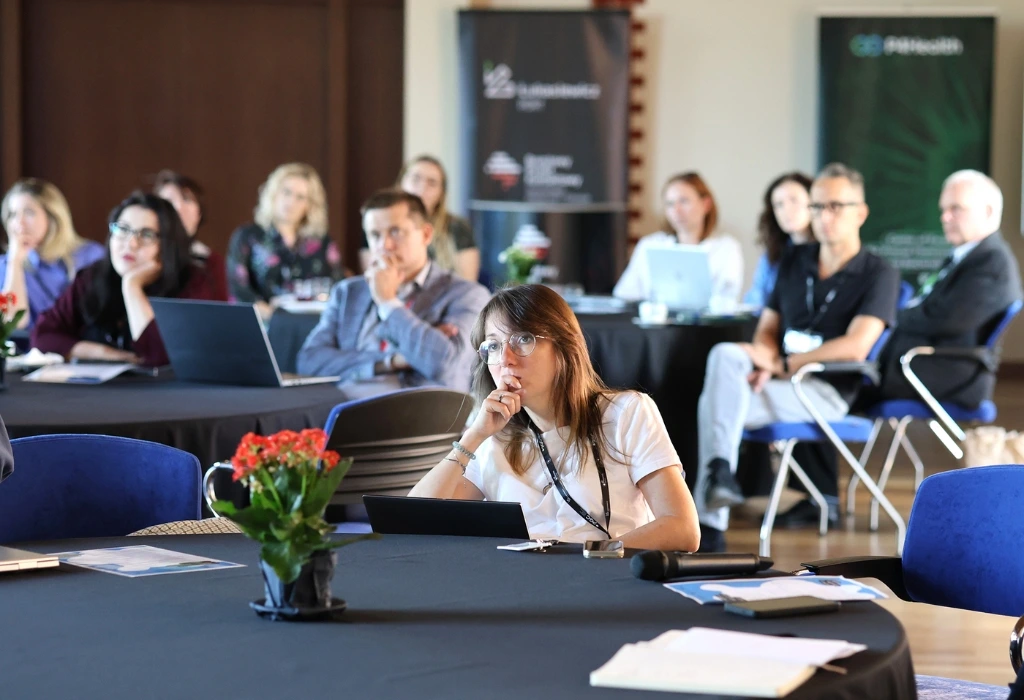
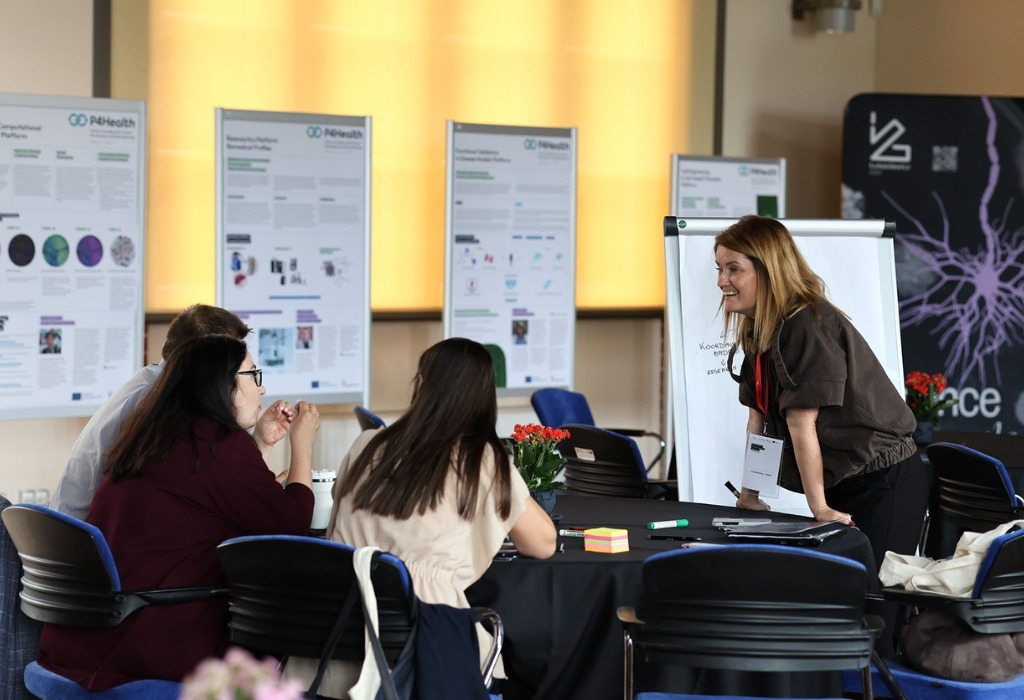
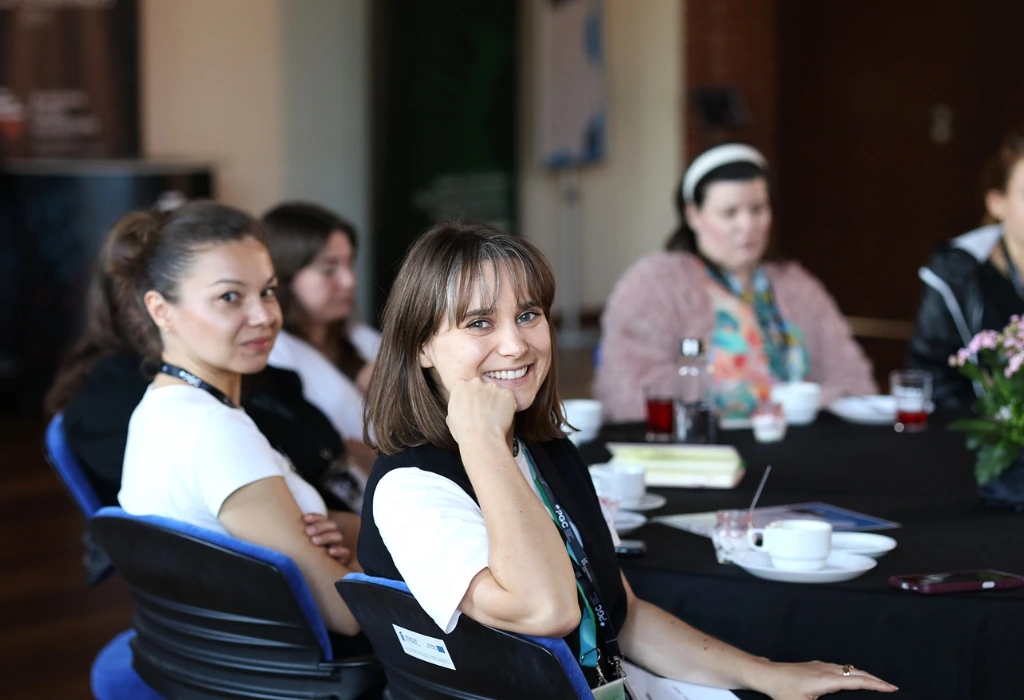
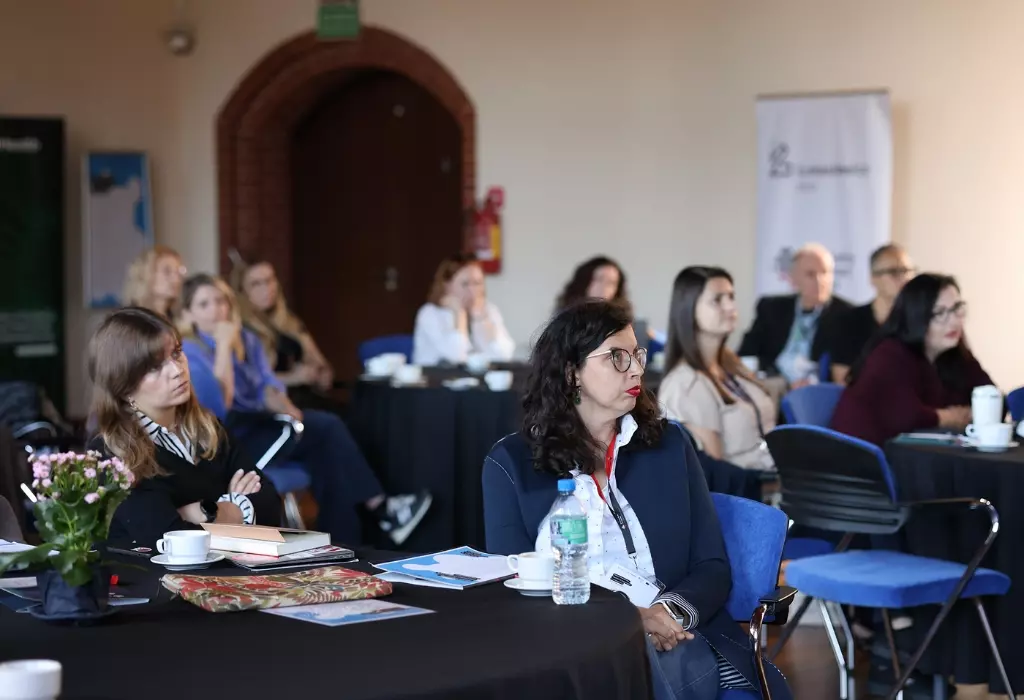
To strengthen collaboration, improve the flow of information, and—above all—listen to one another, the first meeting with patient organizations took place on September 12 at Łukasiewicz – PORT. Most of the invited foundations and organizations represented communities affected by rare and ultra-rare diseases. This gave the meeting a special character: it highlighted both the unique challenges these patient groups face and the immense potential for researcher–patient collaboration in areas where innovative research and new therapies are particularly urgent.
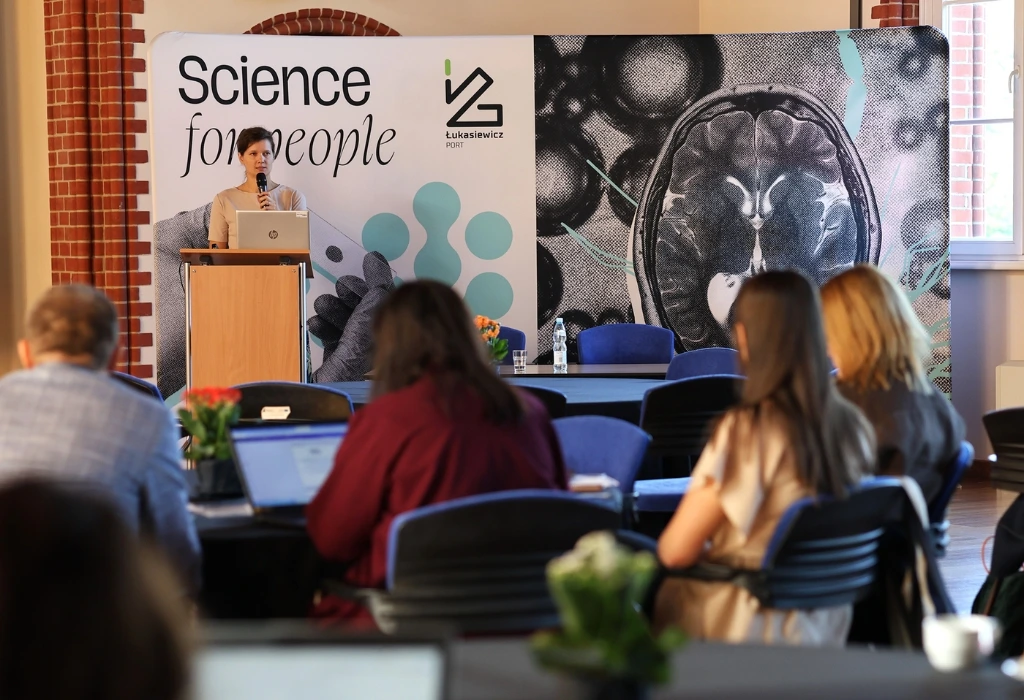
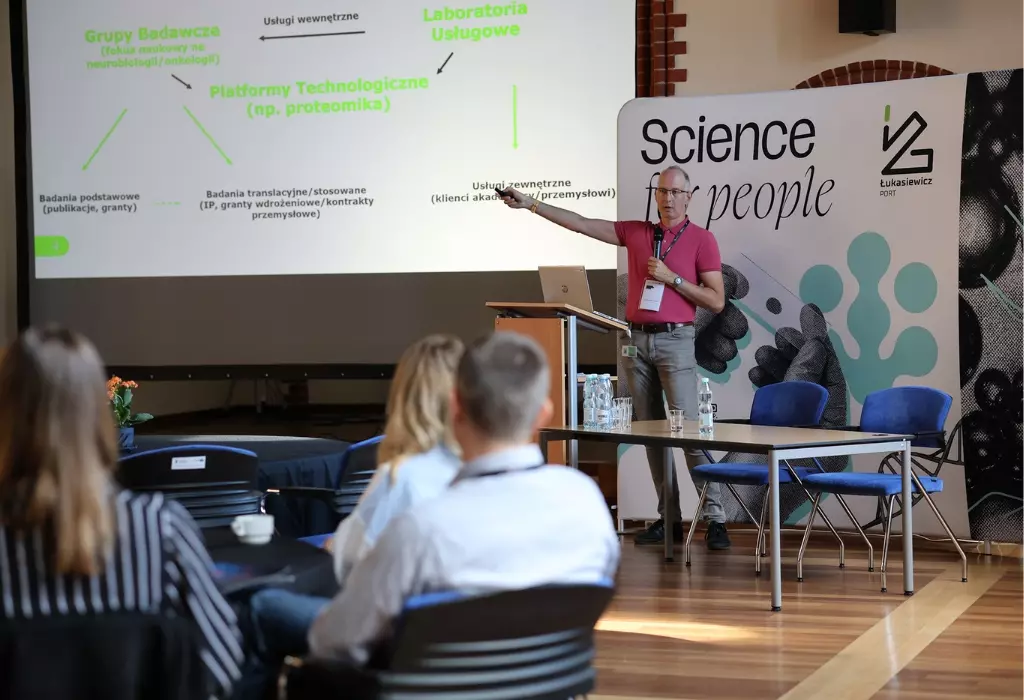
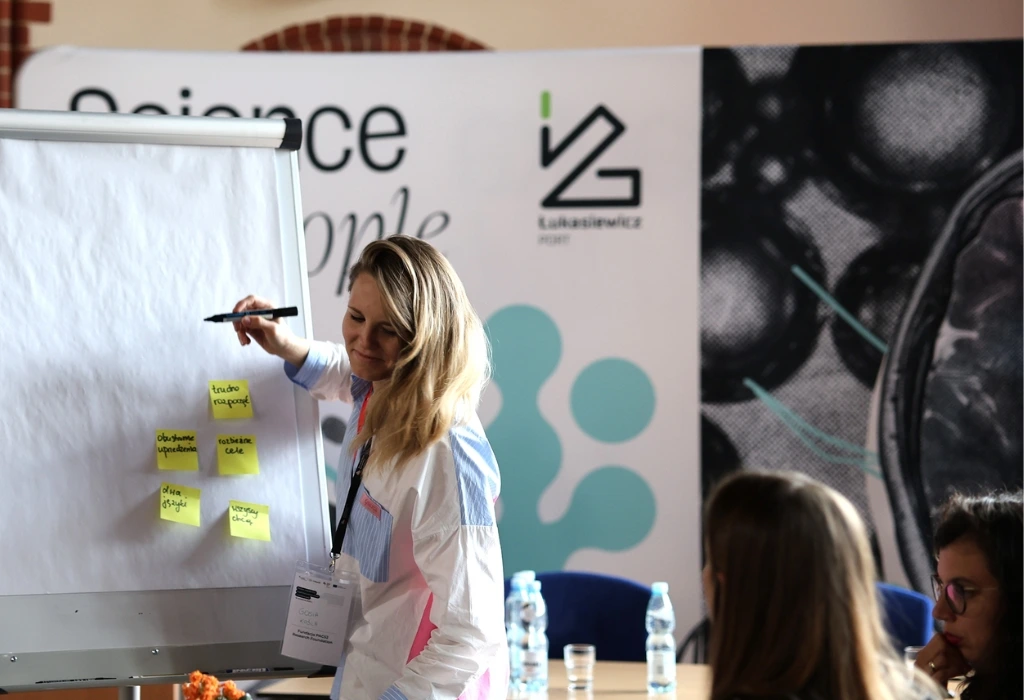
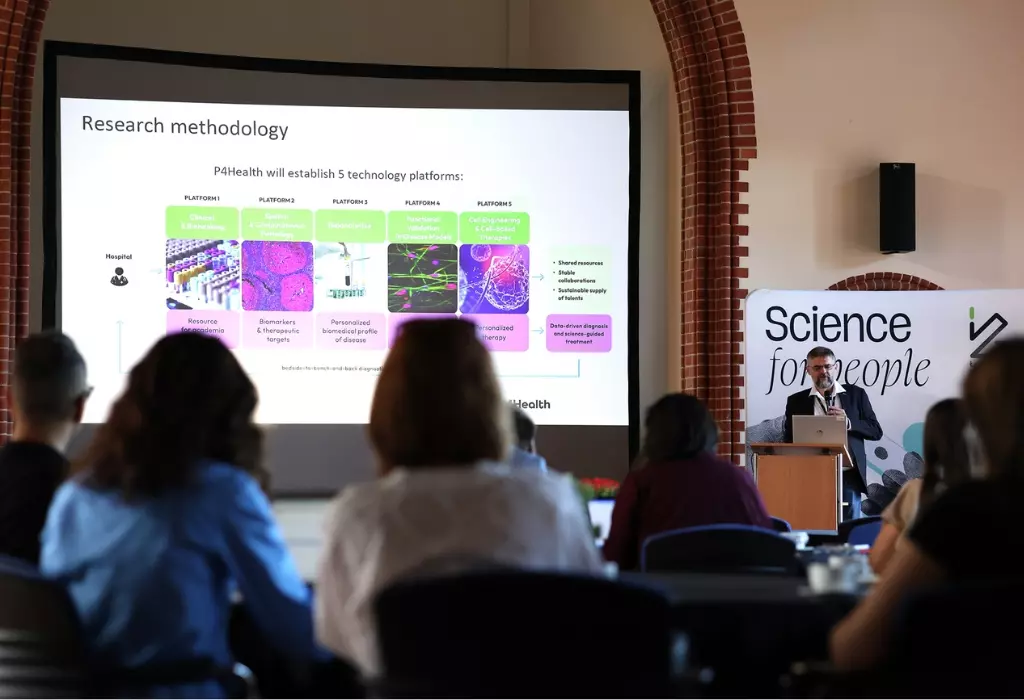
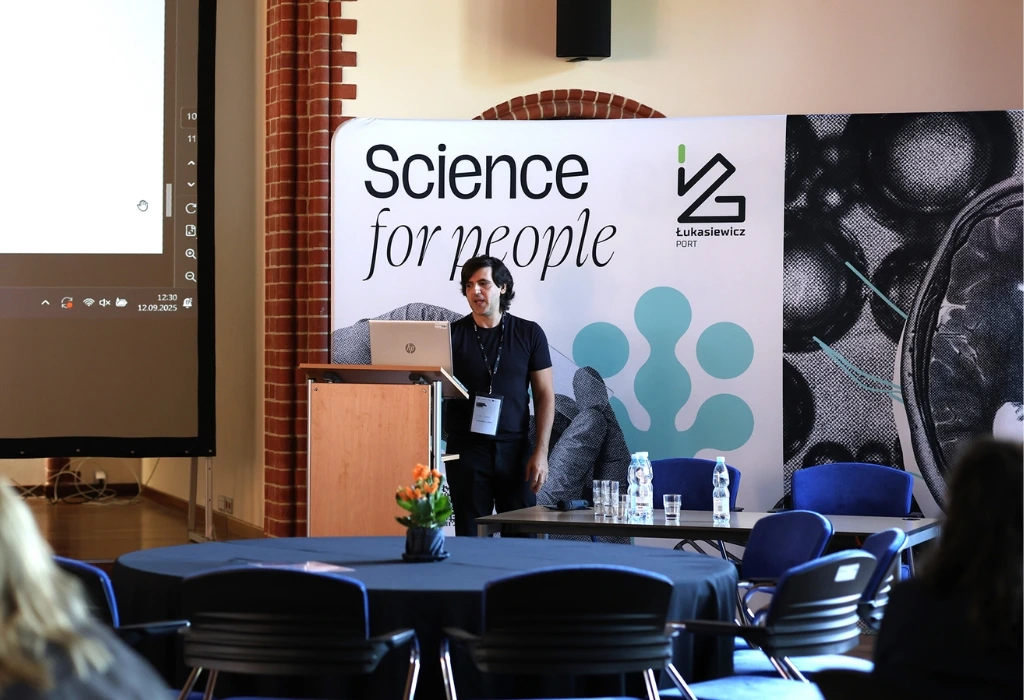
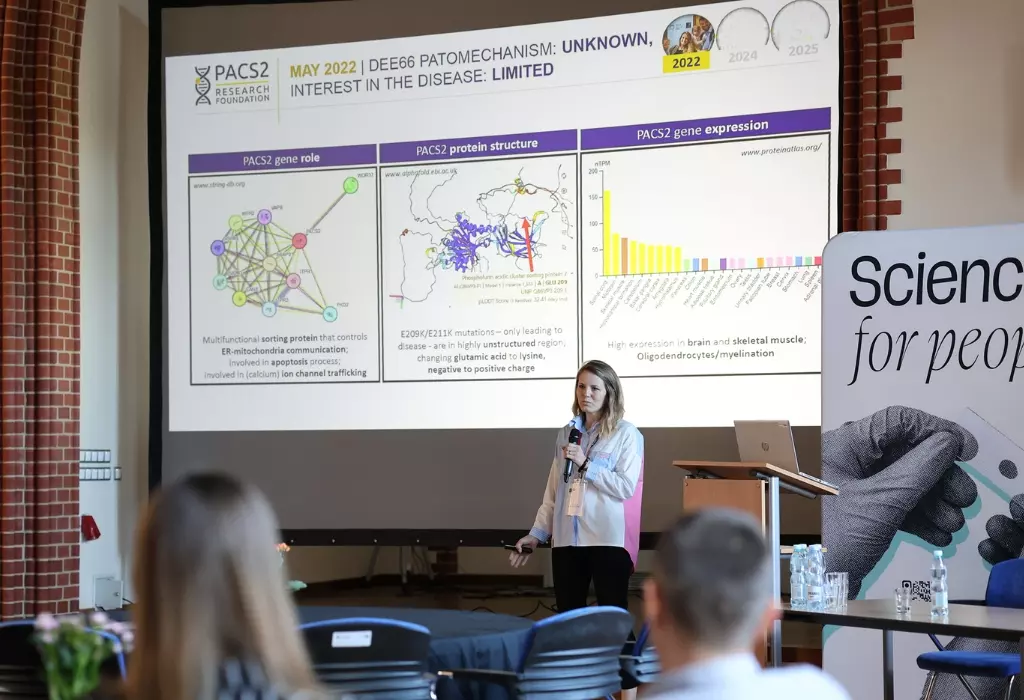
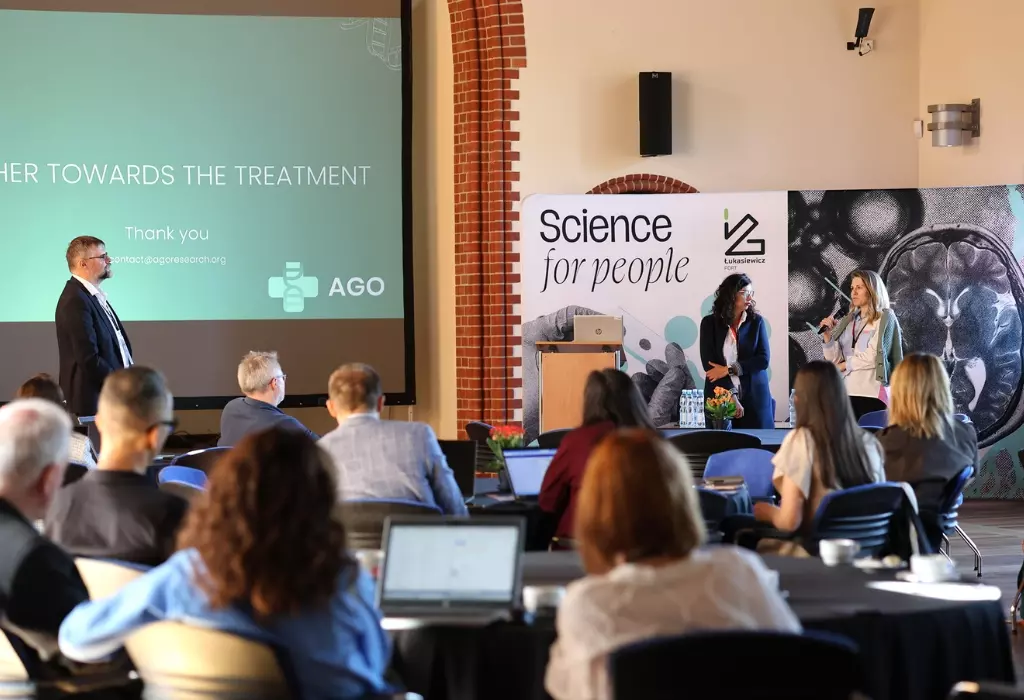
The meeting had a practical format, featuring presentations by PORT scientists, talks from patient organizations, and a session on research funding. The organizers also made space for informal discussions and direct networking.
Precision Medicine at Łukasiewicz – PORT
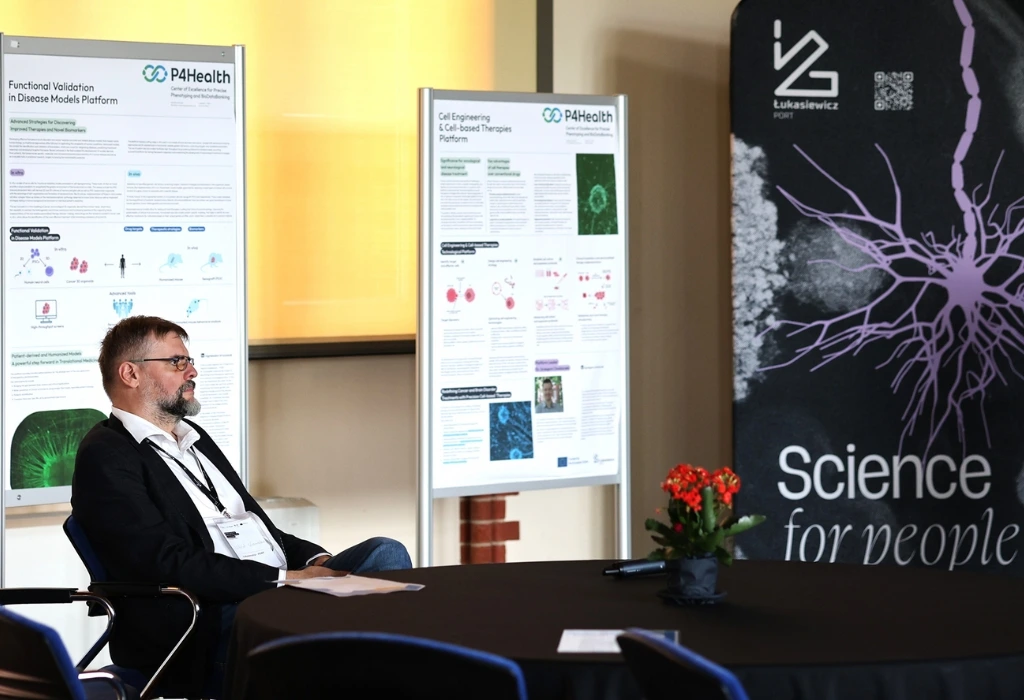
The institute offers extensive laboratory infrastructure, specialized staff, a broad network of international partnerships, and access to major grants focused on developing precision medicine. However, delivering new therapies also requires medical data and close cooperation with patients and their physicians.
Recently, Łukasiewicz – PORT established the Center of Excellence for Precise Phenotyping and Biological Data Banking (P4Health). Its mission is to advance personalized medicine and precisely match therapies to the specific conditions affecting individual patients.
Patients with rare diseases often remain invisible within traditional healthcare systems. Their families fight for research initiatives and improved quality of life. Łukasiewicz – PORT has the research infrastructure necessary to develop advanced molecular diagnostic tools, including those for rare diseases.
“This is the first, but certainly not the last, meeting between our researchers and patient organizations. Both sides have many questions, expectations, and—above all—a shared need to better understand each other’s perspectives. Such events create a space for dialogue, which may lead to future joint research initiatives or public-health projects,” said Daria Stankiewicz-Chodaczek, responsible for PPIE (patient and public involvement and engagement) at Łukasiewicz – PORT.
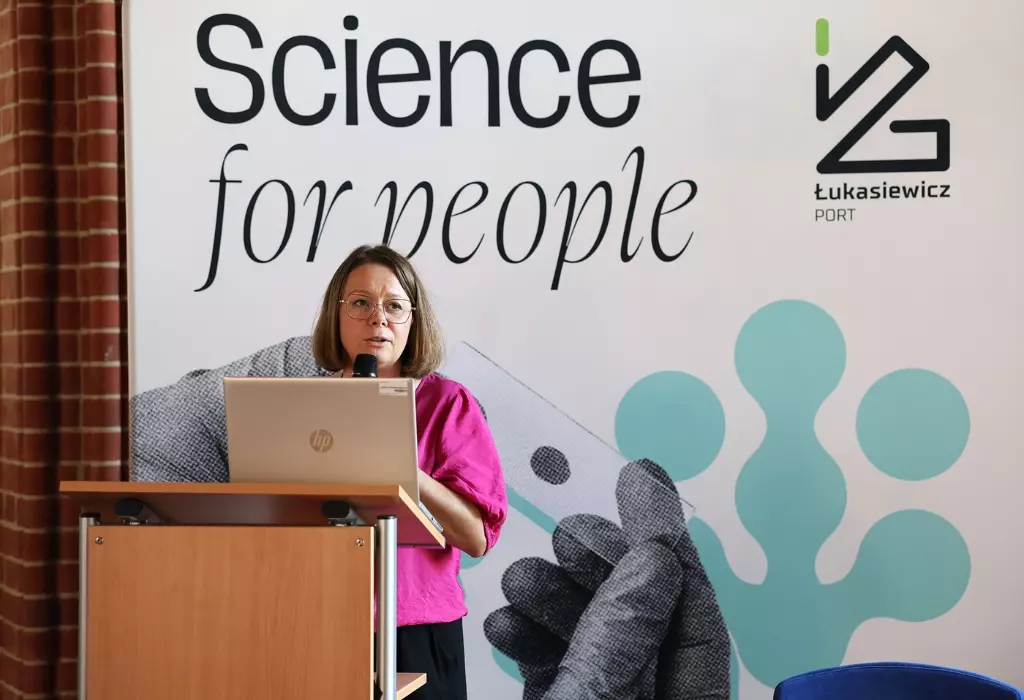
Patient Organizations as Research and Grant Partners
The representatives of patient organizations who presented their work at Łukasiewicz – PORT share a common strength: determination and the ability to build bridges between patients and scientists worldwide.
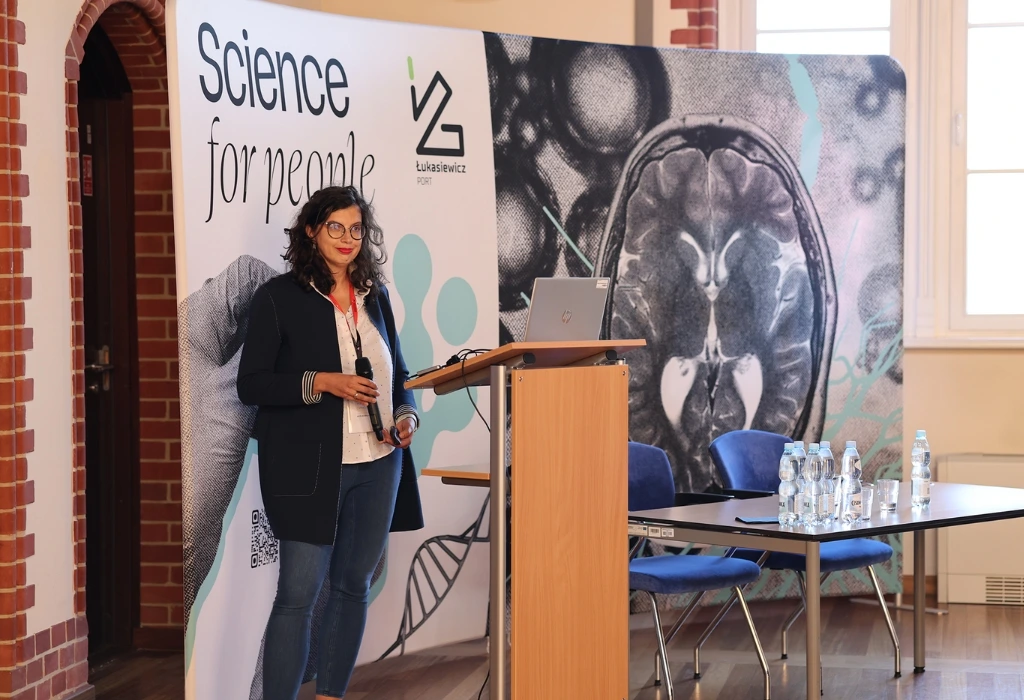
Małgorzata Kośla, who co-founded the PACS2 International Research Foundation three years ago, explained that the foundation already maintains in vivo and in vitro disease models, collaborates with scientific centers around the world, and coordinates numerous projects.
“We connect people—our foundation now comprises 21 research teams in 11 countries. The path ‘from laboratory to patient bed’ is difficult because very few people understand both worlds. That is where foundations can fill the gap,” she emphasized.
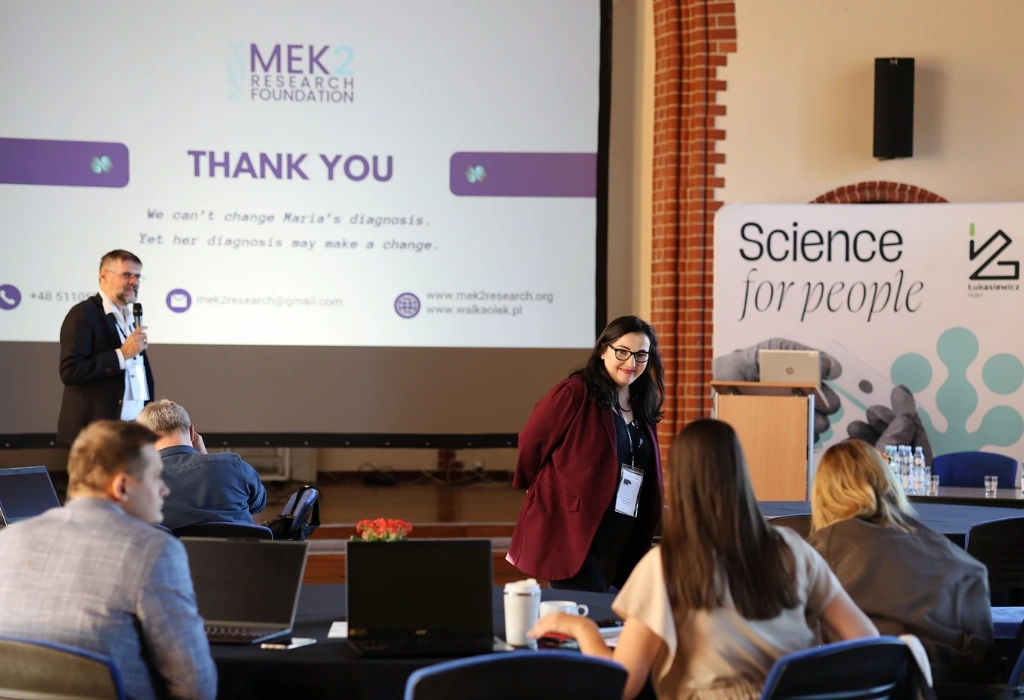
Justyna Walczuk, founder of the MEK2 Research Foundation supporting people with CFC4 syndrome, added:
“We want to strengthen the voice of patients in Poland.”
Her organization supports research, raises awareness, and builds support networks for families.
Similarly, Dr. Aldona Chmielewska, president of AGO Alliance Poland, works to advance research on Argonaute-related disorders.
“The role of patient organizations is to identify gaps that must be addressed in translational research. We fight to improve patients’ quality of life,” she said.
Two Worlds – One Goal
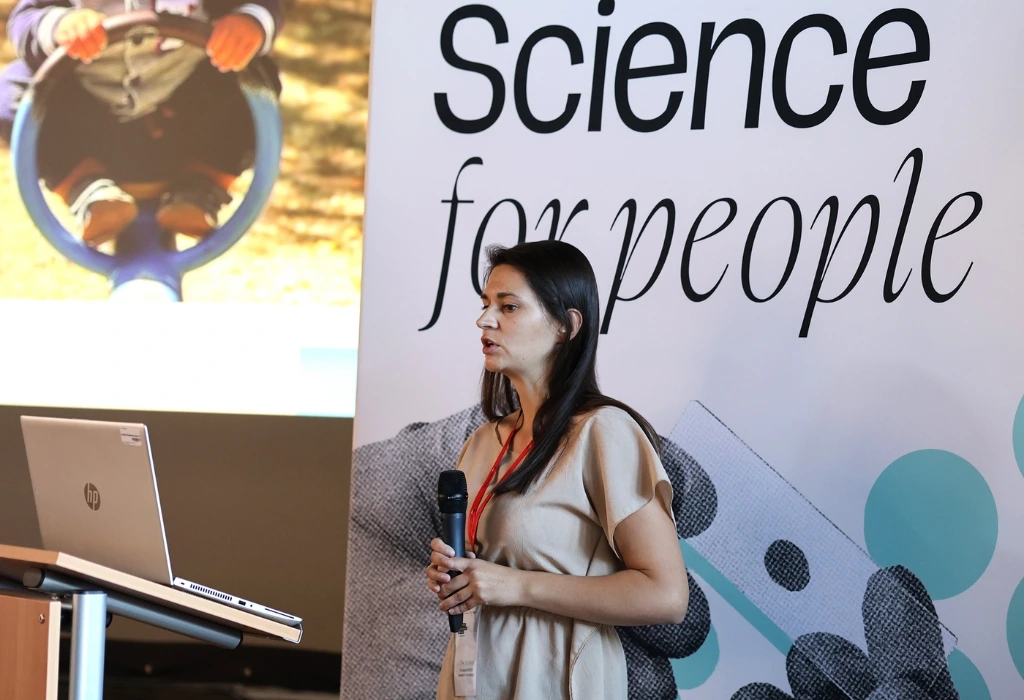
A unique dual perspective—that of a researcher and of someone working closely with patient families—was shared by Dr. Anna Kordala, director of the CURE HSPB8 Foundation.
“Scientists are often afraid to talk to families. They assume they know better what patients need. But families are experts—and they must be heard. Researchers have their own priorities, such as publications and grants, whereas for patients the priorities are treatments and access to data. We are here to bridge that gap and discuss how research can translate into concrete solutions,” she stated.
She also emphasized that for many people the work of scientists is still an enigma. There is a need for effective science communication that shows the practical dimension of research. Meetings like this one help break down barriers and build mutual trust.
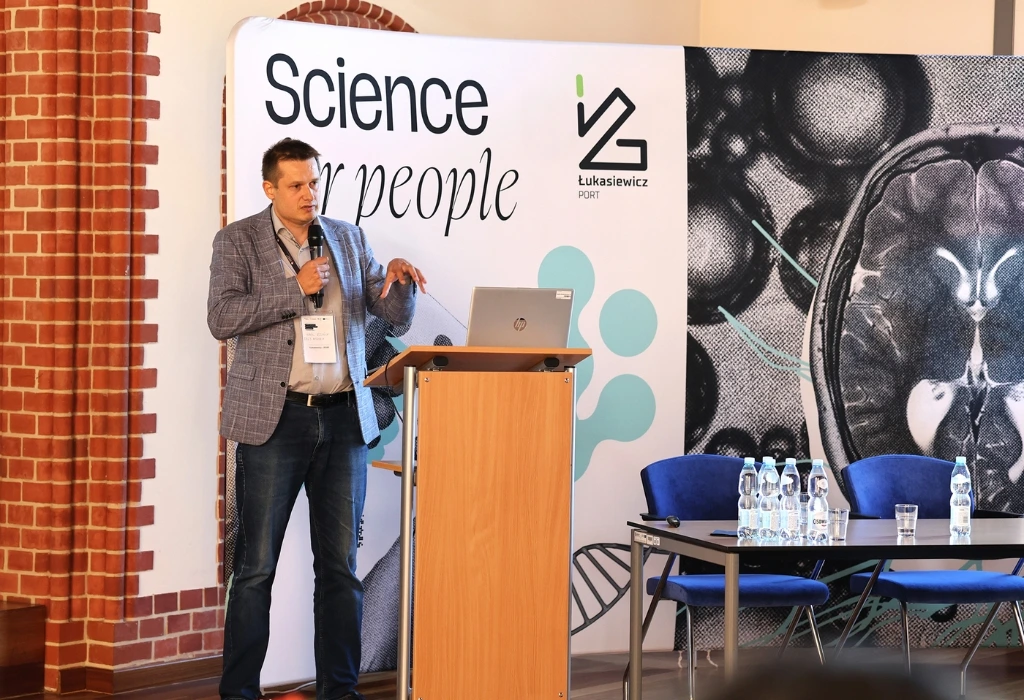
Dr hab. Tomasz Prószyński, head of the Synaptogenesis Research Group at Łukasiewicz – PORT, underscored that researchers must not avoid dialogue:
“Open communication between the scientific and patient communities, and a genuine willingness to understand one another, are absolutely essential.”
However, Dr. Prószyński also noted a challenge: researchers sometimes present unpublished data, which is often confidential. Premature disclosure—whether to competing laboratories or via the media—can expose scientists and institutions to significant risks.
“Science, by nature, contains an element of competition. Research groups race to publish new discoveries. We count on patient organizations to understand this perspective. Only dialogue built on mutual understanding can accelerate research and the development of new therapeutic strategies.”