Dr Joanna Bernacka from the Neurophysiology of Oncology Research Group at Łukasiewicz – PORT has recently returned from a three-week stay at the Champalimaud Centre for the Unknown in Lisbon, where she participated in the highly regarded Cajal course “Interacting with Neural Circuits.”
A Scientific Dream Come True
From the beginning of her career, Joanna has been fascinated by the physiology of the nervous system. After graduating from Jagiellonian University and completing her PhD at the Institute of Pharmacology of the Polish Academy of Sciences, she joined the interdisciplinary team led by Dr Mateusz Kucharczyk.
“When I saw how advanced the techniques planned for our projects were, I knew I wanted to prepare properly,” she recalls. Her ambition to take part in a Cajal course had been with her for years. “It’s one of those almost mythical opportunities you hear about at university — legendary, difficult to get into, but incredibly rewarding.”
Thanks to partial funding from the programme organisers, additional support from her supervisor, and co-financing from a research project, participation became possible.
The course was an intense three-week programme: only two days off, with full-day schedules of lectures by leading scientists from around the world followed by practical mini-projects conducted in small teams. Participants worked with state-of-the-art equipment and received daily support from teaching assistants — young researchers who lived, worked, and learned alongside the course cohort.
“It was a unique atmosphere — no barriers, no judgement, just tremendous support,” says Dr Bernacka.
Neuropixels: A Breakthrough Technology
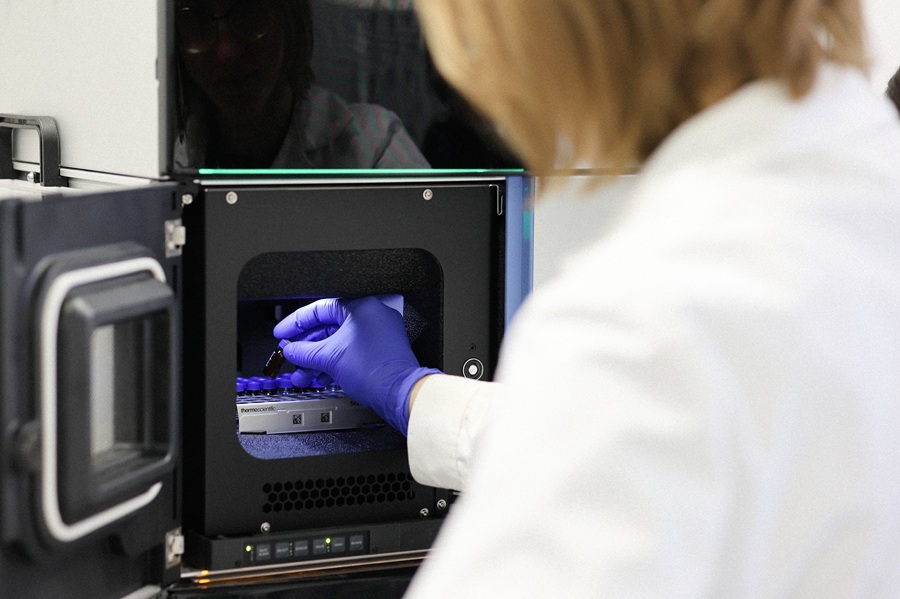
Dr Bernacka chose to train in Neuropixels — an advanced electrode technology capable of simultaneously recording the activity of hundreds of neurons.
“It was my biggest challenge. I knew we planned to implement Neuropixels in our lab, so I wanted to be well prepared,” she explains.
The advantages of the technology are significant: accelerated research workflows, access to more complex datasets, and a reduced number of animals needed for experiments. “In one experiment, we gather data that previously would have required many repetitions,” she emphasises.
As part of her mini-project, Dr Bernacka and her team built a recording setup entirely from scratch.
“We were given a cabinet full of components and told: build whatever you want. Things could break — and they often did — but we always had incredible support,” she says.
One of the organisers’ key messages was that failure is an integral, valuable part of scientific work — and a powerful learning tool.
Building Networks: An Essential Research Asset
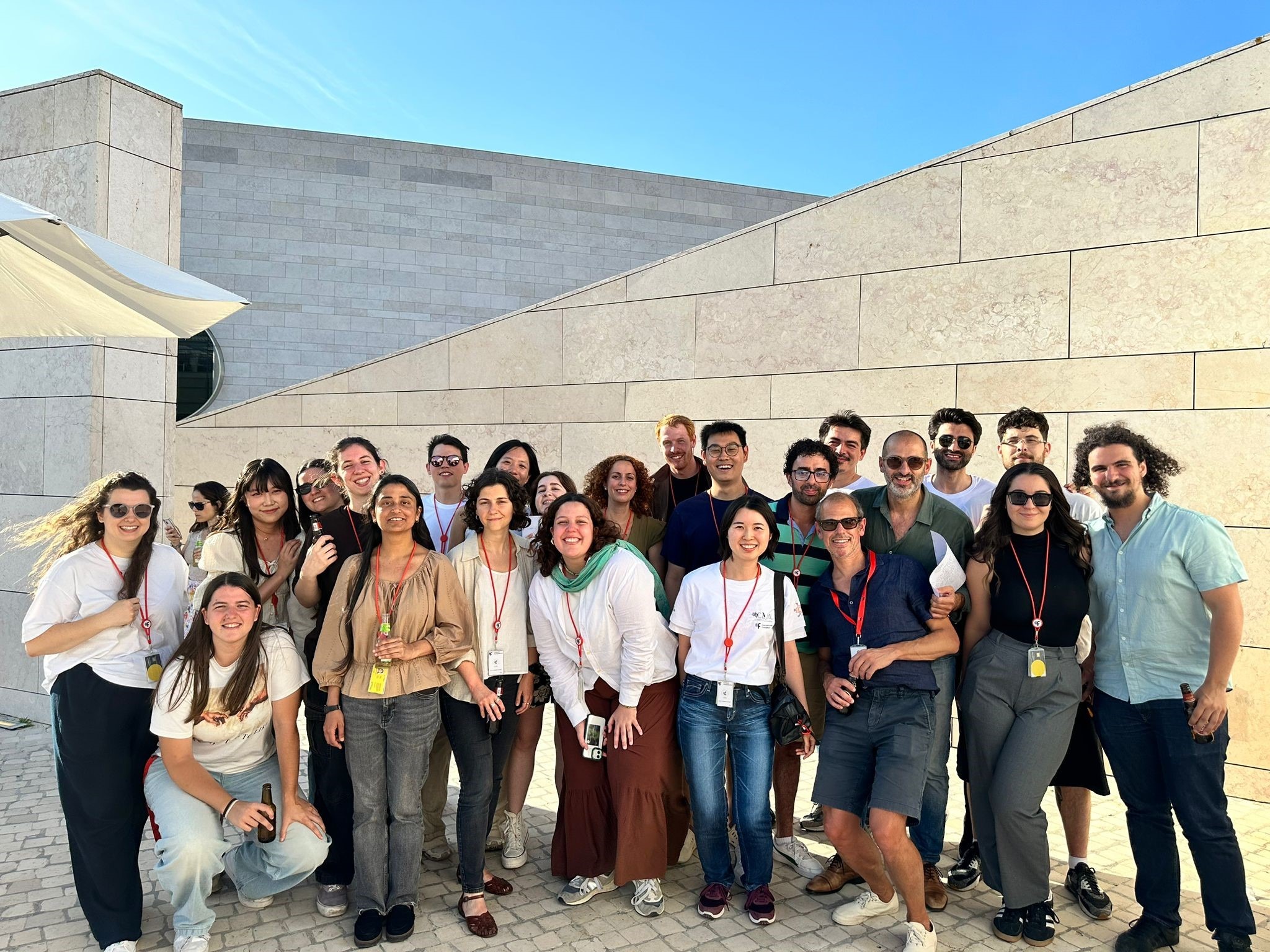
Beyond the technical skills, Dr Bernacka returned with something equally important: new connections and a strong sense of community.
“I met people my age working at top universities. We sat together over coffee, sharing experiences — including failures. It gave me the feeling that I can do this — that we can do this,” she notes.
Among the lecturers were scientists she previously knew only from high-profile conference presentations. In the informal course atmosphere, they shared insights “from behind the scenes”, discussing not only breakthroughs but also the missteps along the way.
Dr Bernacka brought back not just expertise but notebooks full of notes, presentations, and concrete solutions that she is now sharing with her team.
“This is not only my development — it is a gain for the entire group,” she emphasises, already working with her colleagues on building a Neuropixels recording station at Łukasiewicz – PORT.