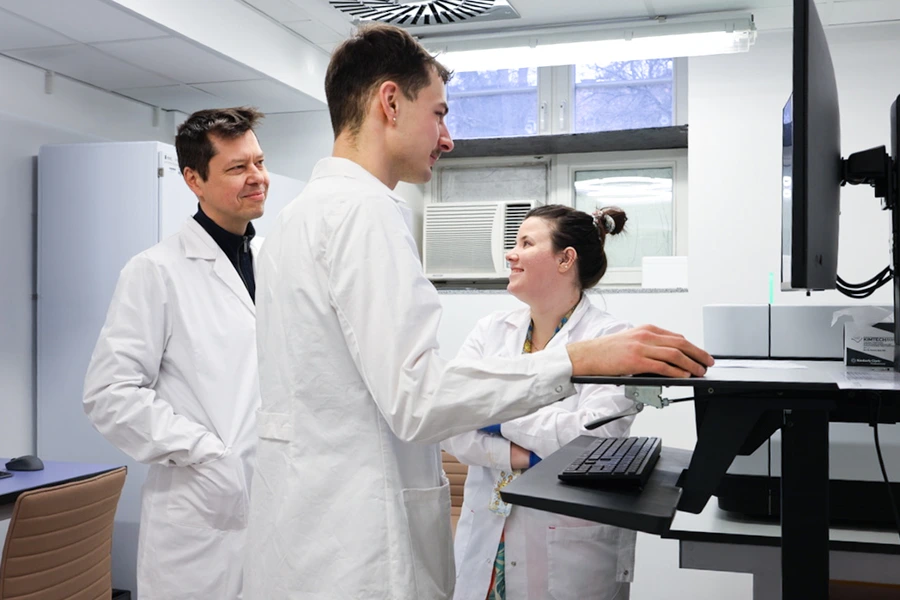
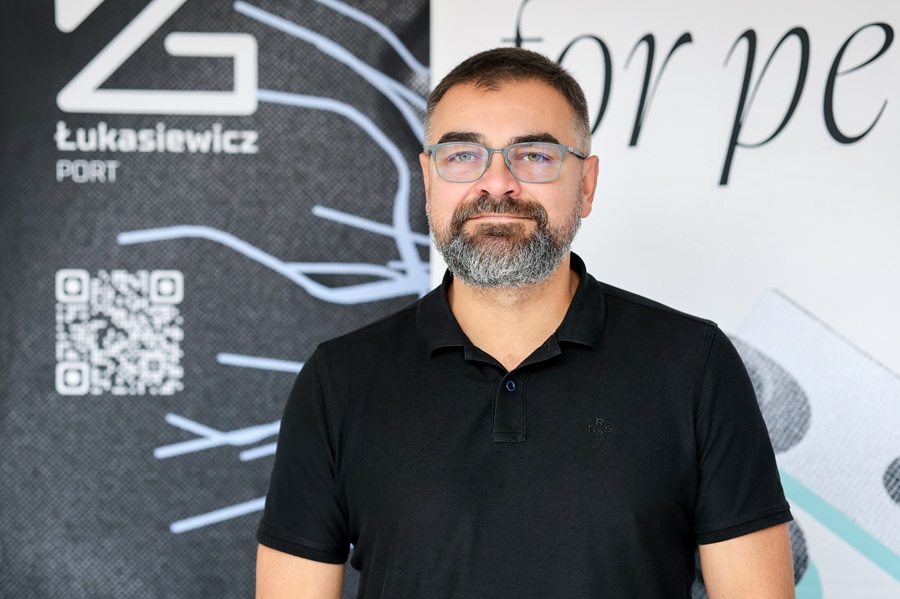
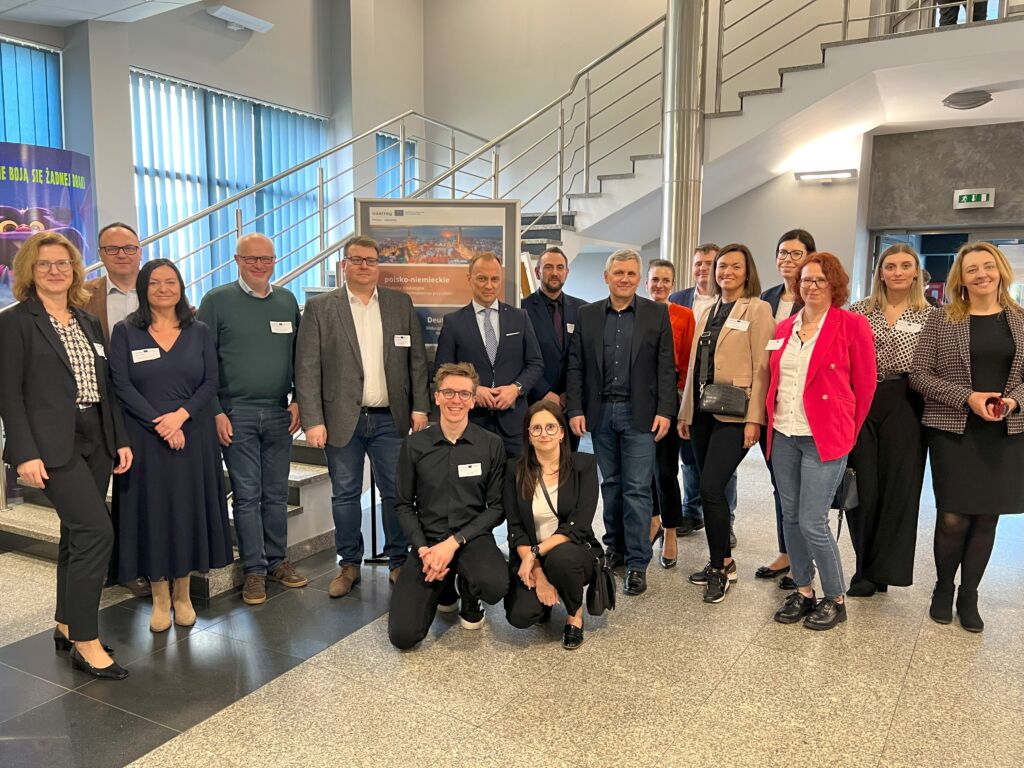
Representatives of partner institutions, local governments, scientific and educational organizations from the Polish–Saxon border region, as well as all those interested in the planned activities, met on 25 March at the Bolesławiec Cultural Centre for the inauguration of the Cross-Border Experience Gardens project.
The project, co-financed by the Interreg Poland–Saxony EU programme, aims to strengthen cross-regional cooperation in education and science, promote the STEM/MINT teaching approach, and develop future-oriented competencies.
The meeting in Bolesławiec—particularly the panel discussion—showed that communities on both sides of the border face similar challenges: the outflow of young people from smaller towns, declining population density in border areas, and shortages of specialists, including teachers, in local communities.
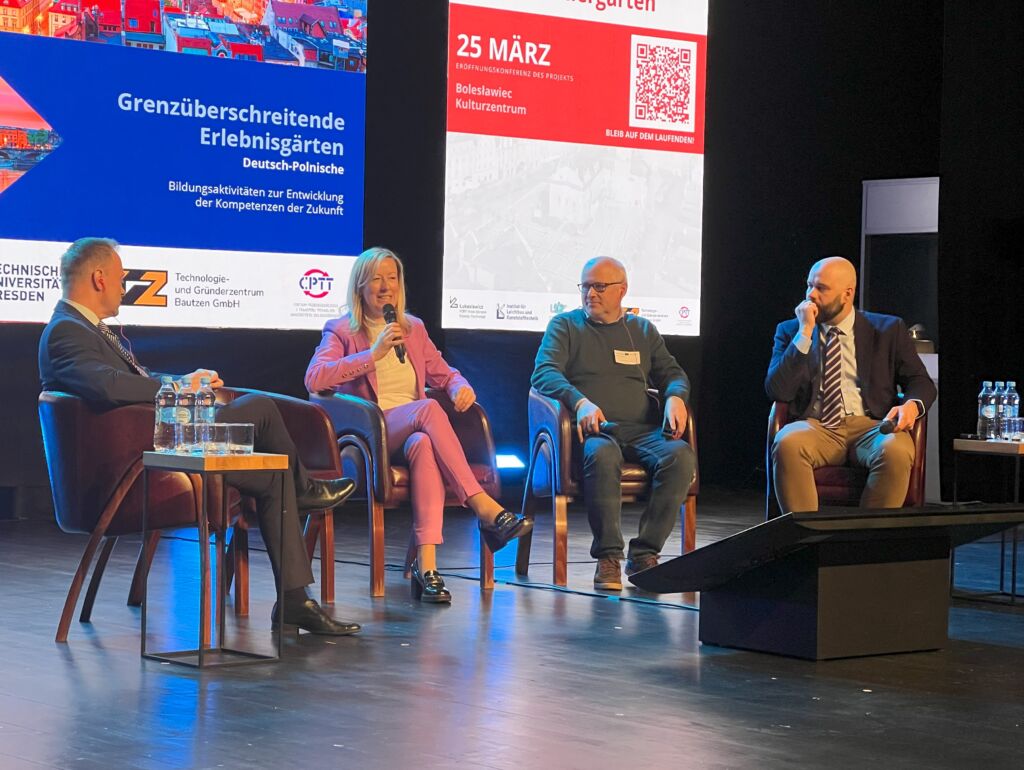
The panel on challenges in science popularization featured:
Tomasz Gabrysiak, Starosta of Bolesławiec County
Paweł Kurant, Łukasiewicz – PORT
Prof. Sophia Keil, Hochschule Zittau/Görlitz
Dr Albert Langkamp, TUD Campus Lausitz
The discussion was moderated by Marek Staniewicz, Director of the Department of Social Responsibility of Science at Łukasiewicz – PORT.
Paweł Kurant, Deputy Director of Łukasiewicz – PORT, emphasized that the Cross-Border Experience Gardens constitute a pilot initiative demonstrating that the goals of science popularization are shared on both sides of the border. The project is intended to initiate further activities that will increase young people’s interest in science. The Department of Social Responsibility of Science at Łukasiewicz – PORT, led by Marek Staniewicz, who is also the project manager, is already working on concepts for engaging workshops and training sessions for students and teachers.
During the discussion, Prof. Sophia Keil from Hochschule Zittau/Görlitz clearly defined the essence of science popularization:
“Young people should be able to imagine that they could study science—that it is possible.”
Mobile exhibitions, school workshops, and local science centers—such as SOWA in Bolesławiec, presented by Elżbieta Ostańska—are meant to build an image of a scientist’s work in young people’s minds and spark interest in such career paths.
The STEM/MINT method promoted within the project is not an alternative to traditional school education but rather its complement. Similarly, research conducted in scientific institutes—often practical and application-oriented—complements academic education at universities. All participating universities emphasized that the technological solutions they develop are intended for everyday use, making continuous cooperation between academic and school environments and business partners essential.
Tomasz Gabrysiak, Starosta of Bolesławiec County, stressed that it is the responsibility of local governments to ensure that educational offerings for young people reflect current trends and labor market needs, and to create development conditions in smaller towns so that graduates can lead fulfilling lives there after completing their studies.
German partners from eastern Saxony—like residents of the Polish border region—are well aware that, in addition to strong educational programmes, effective regional development strategies require young people who are aware of the opportunities offered by science.
All universities involved in the project reiterated that the technologies they develop are meant for practical, everyday application, which makes ongoing collaboration between academia, schools, and business partners indispensable.