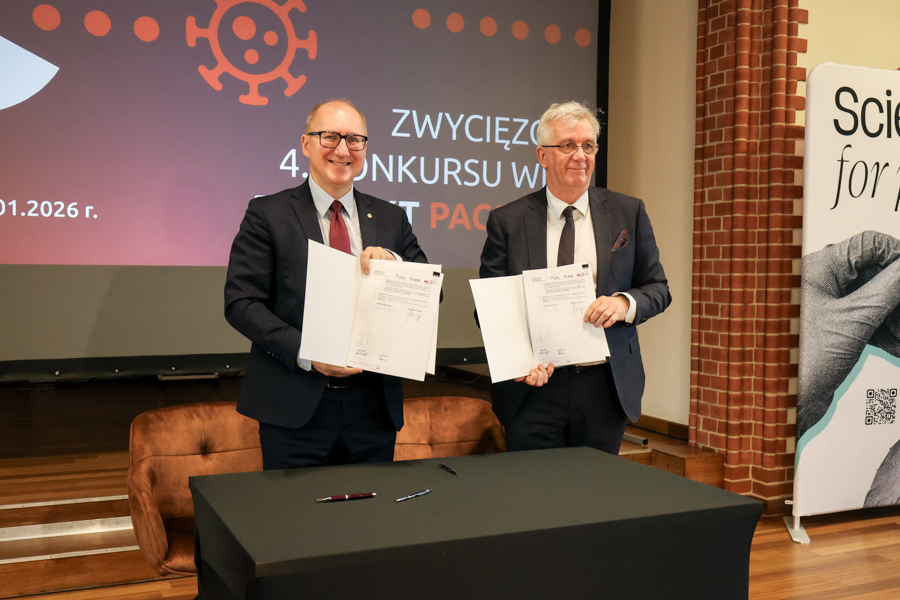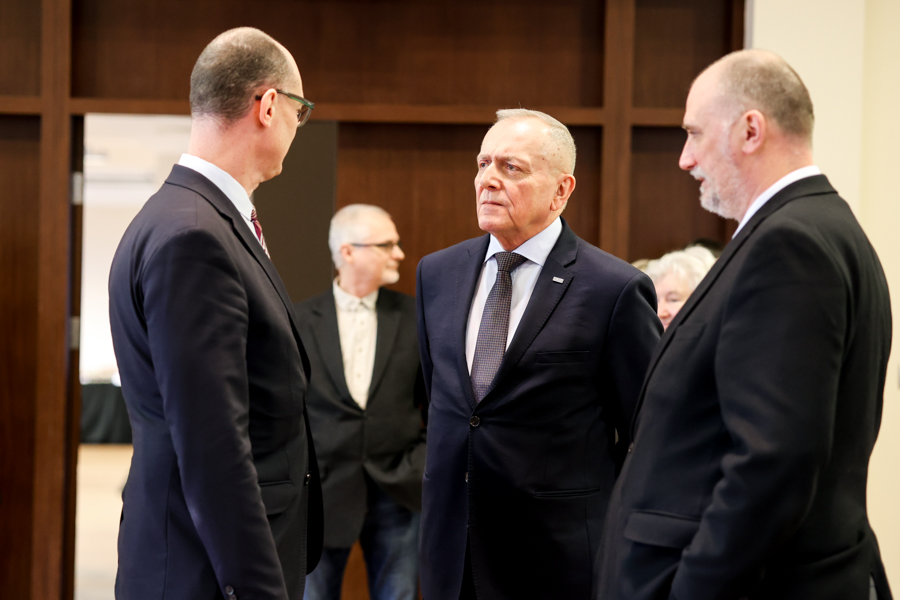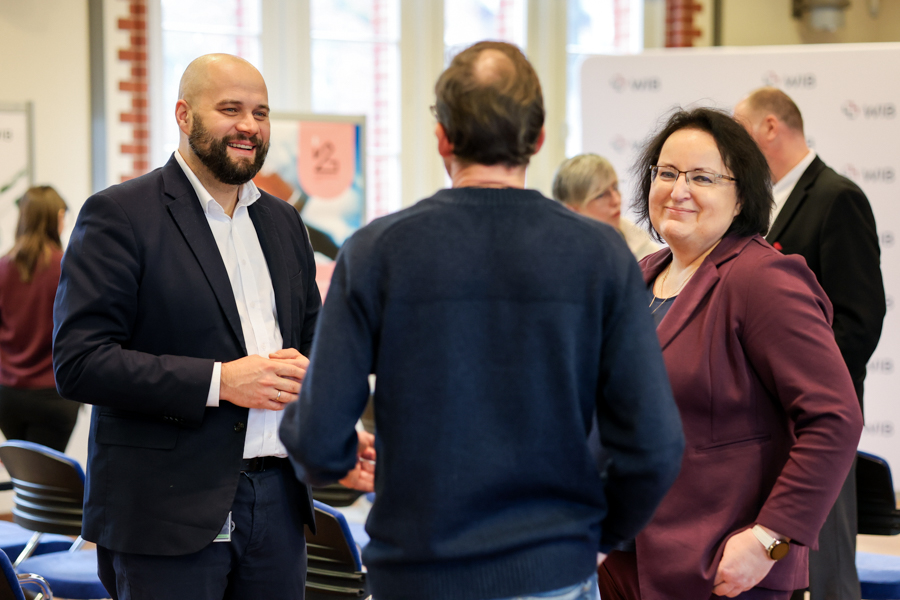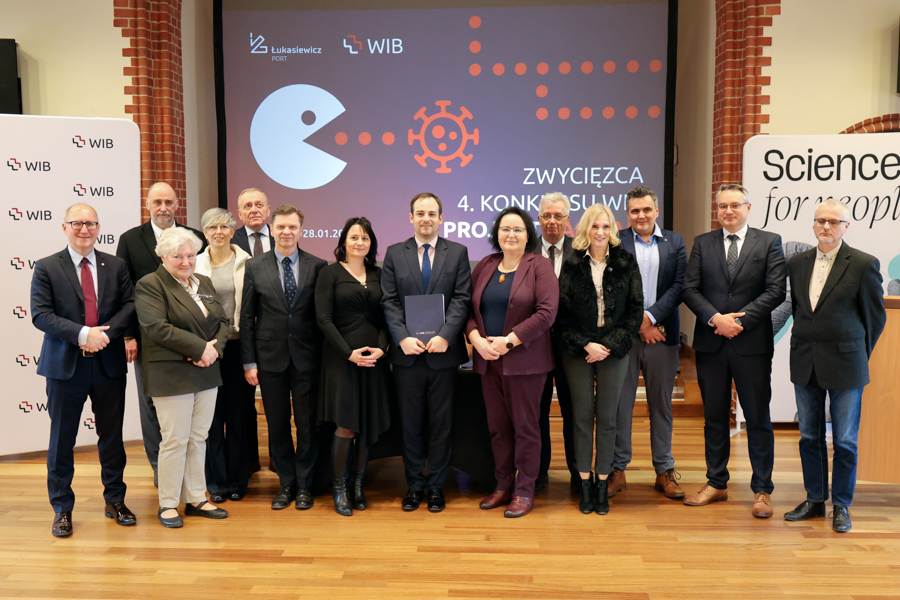
On January 28, 2026, at Łukasiewicz – PORT in Wrocław, a funding agreement was signed for the winning project of the fourth edition of the Virtual Research Institute competition. This marks a symbolic moment opening the implementation phase of research work on new oncology therapies within the PACMAN project.
The PACMAN project –Personalized antibody–drug conjugates activated by matrix metalloproteinases for solid tumors – submitted to the Virtual Research Institute by a consortium of research institutions from Wrocław and Warsaw, was awarded nearly PLN 73 million from the Polish Science Fund by decision of an international panel of experts.
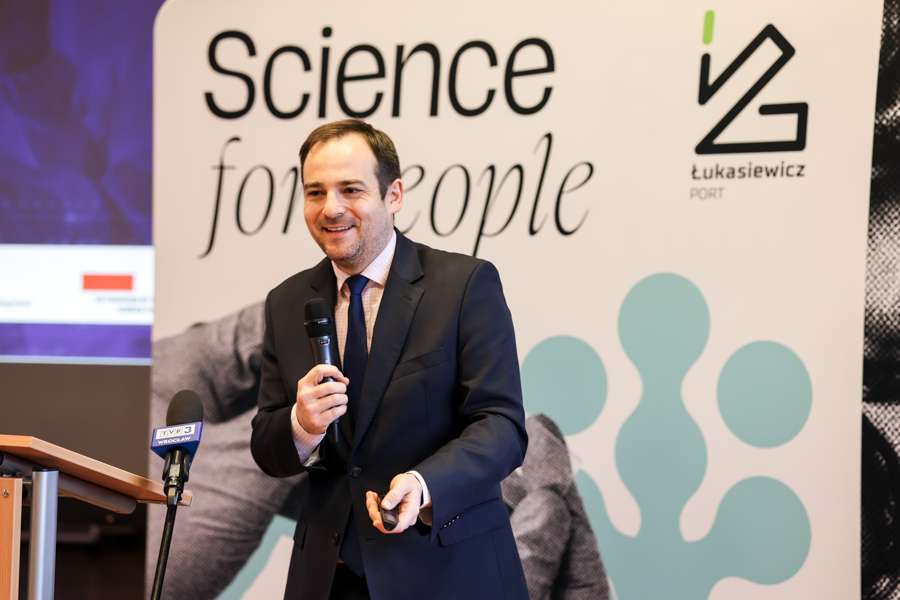
“The goal of our research is to develop an antibody–drug conjugate – a combination of an antibody with a very potent therapeutic compound that on its own is too toxic to be administered into a patient’s bloodstream,” explains Prof. Marcin Poręba of Wrocław University of Science and Technology, who is the project and research leader. Over five years, the project will involve nearly 100 scientists from six research institutions.
This is the first Virtual Research Institute project in which the consortium leader is based in Wrocław. Scientists from Wrocław University of Science and Technology are forming the consortium together with the Hirszfeld Institute of Immunology and Experimental Therapy PAS, the University of Wrocław, and the Wrocław University of Environmental and Life Sciences. From Warsaw, complementary substantive support will be provided by researchers from the Nencki Institute of Experimental Biology PAS and the Institute of Physical Chemistry PAS.
As Prof. Poręba explains, a key element of the project is the use of a Trojan horse strategy: “We want to attach a powerful drug to an antibody and mask it, allowing it to enter the tumor microenvironment and only then begin to act, activated by tumor enzymes. This will ensure high toxicity and, consequently, the death of the cancer cell, while not damaging tissues along the way.”
The scientists selected five solid tumors for their research that pose major clinical challenges for modern medicine: non–small cell lung cancer, cutaneous melanoma, breast cancer, colorectal cancer, and pancreatic cancer. A broad range of basic research – from chemistry through biochemistry, molecular biology, and cytophysiology – will be complemented in the project by advanced analyses using artificial intelligence and mathematical models, as well as in vivo studies.
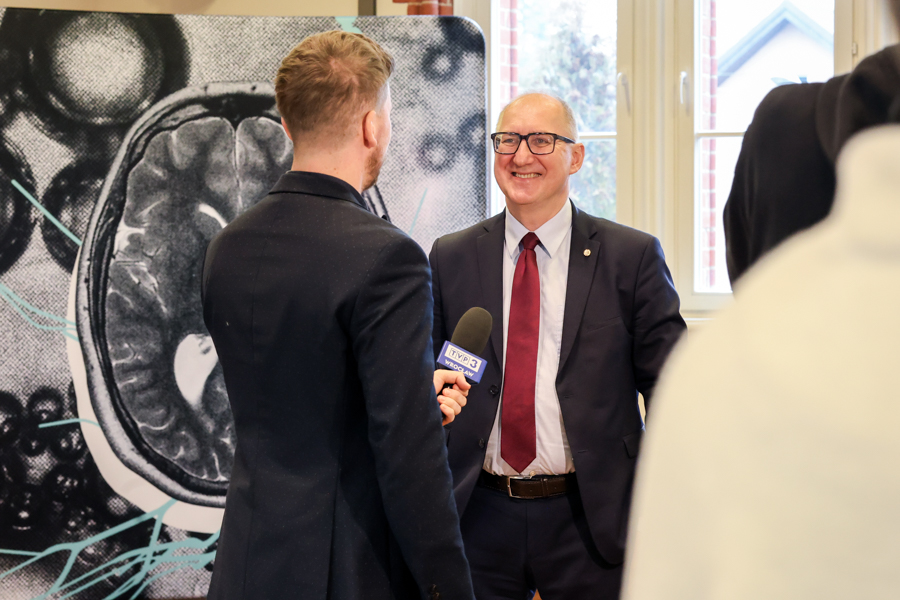
The funding agreement for the PACMAN project was signed by the Rector of Wrocław University of Science and Technology, Prof. Arkadiusz Wójs, and the Director of Łukasiewicz – PORT, Prof. Jarosław Bosy, who emphasized the importance of networking research efforts: “The Virtual Research Institute is not an easy program, but it is a program for the best. It provides substantial funding, but does not disperse it. The funds are meant to be concentrated around outstanding scientists who want to and are able to collaborate within a consortium, who seek interdisciplinarity and development beyond their own institutions, in cooperation with others.”
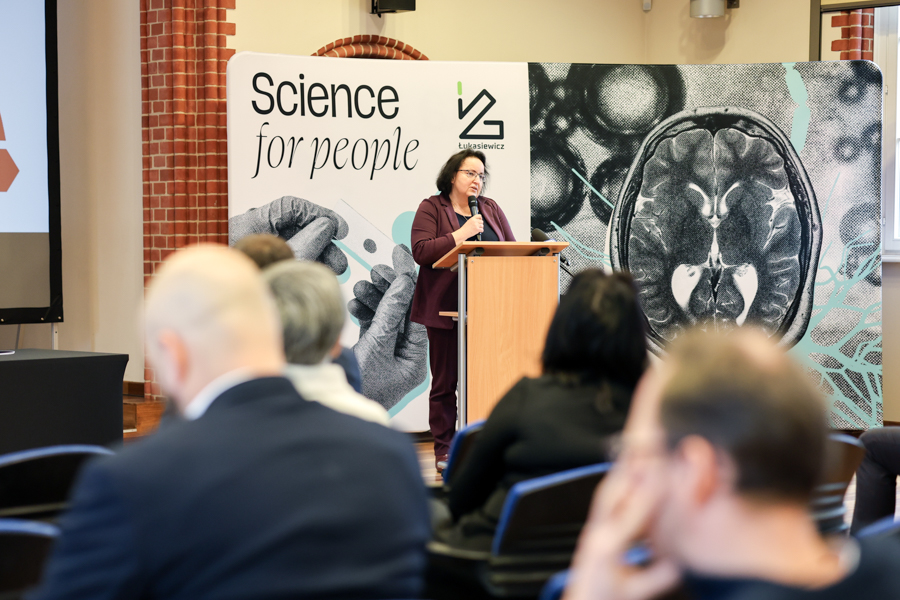
As the program operator, Łukasiewicz – PORT is responsible not only for organizing and running the competitions, but above all for supporting the commercialization of their results. “The foundation of innovation is science. The foundation of innovation is science – I will repeat it twice, because without a solid foundation we will not build any innovation or commercialize anything. The effective use of the unique infrastructure and competencies at our disposal can be combined with the needs of industry, but can also be used to address major societal challenges. And such a challenge is undoubtedly cancer,” said Prof. Jolanta Itrich-Drabarek, Vice President of the Łukasiewicz Research Network, adding that the Network’s goal is to build long-term partnerships, and therefore she hopes that the consortium now being formed will not be the last one for its participants.