Biology of Astrocytes Research Group
The Biology of Astrocytes Research Group aims to understand the role of astrocytes in regulating physiological processes in the brain and the consequences of their disturbances. In recent years, our group has discovered a new mechanism linking abnormalities in the expression of genes specific to astrocytes with neurobiological disorders characteristic, among others, of depression.
In our current projects, the group uses genetic manipulation techniques combined with modern in vivo imaging methods in cellular and animal models, in order to verify selected proteins as new therapeutic targets for psychiatric disorders.
Group Members
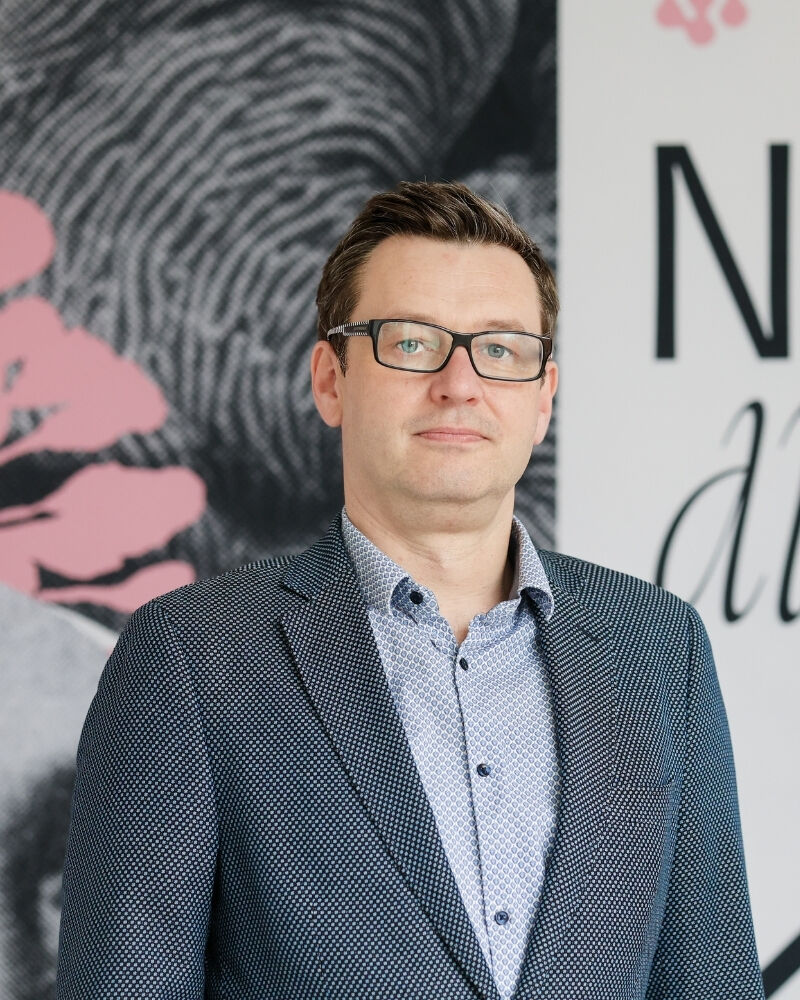
Dr. Michał Ślęzak
Michał completed his studies at Université Louis Pasteur in Strasbourg, working in the laboratory of Dr. Frank W. Pfrieger, where he developed a set of innovative transgenic mouse models enabling inducible, astrocyte-specific cell ablation. He then joined the Institute of Pharmacology of the Polish Academy of Sciences in Kraków, where he received the Young Scientist Award granted by the Ministry of Science and Higher Education. During his stay in Kraków, he discovered that astrocytes constitute key cells mediating the systemic effects of glucocorticoids in the brain.
He completed his postdoctoral training under a Marie Curie IEF fellowship at the VIB Institute and later at KU Leuven. During this time, he obtained direct evidence for the existence of functionally integrated, tripartite synapses (containing tripartite synapse >), using genetic manipulation of astrocytes in vivo. In parallel, he developed new methods for the genetic manipulation of astrocytes in wild-type animals.
He began his independent position at BioMed X in Heidelberg, where he led a project sponsored by Boehringer Ingelheim. Over four years, his team demonstrated convincing evidence that astrocyte dysfunction contributes to depression. This project led to the launch of a drug discovery program by the sponsor.
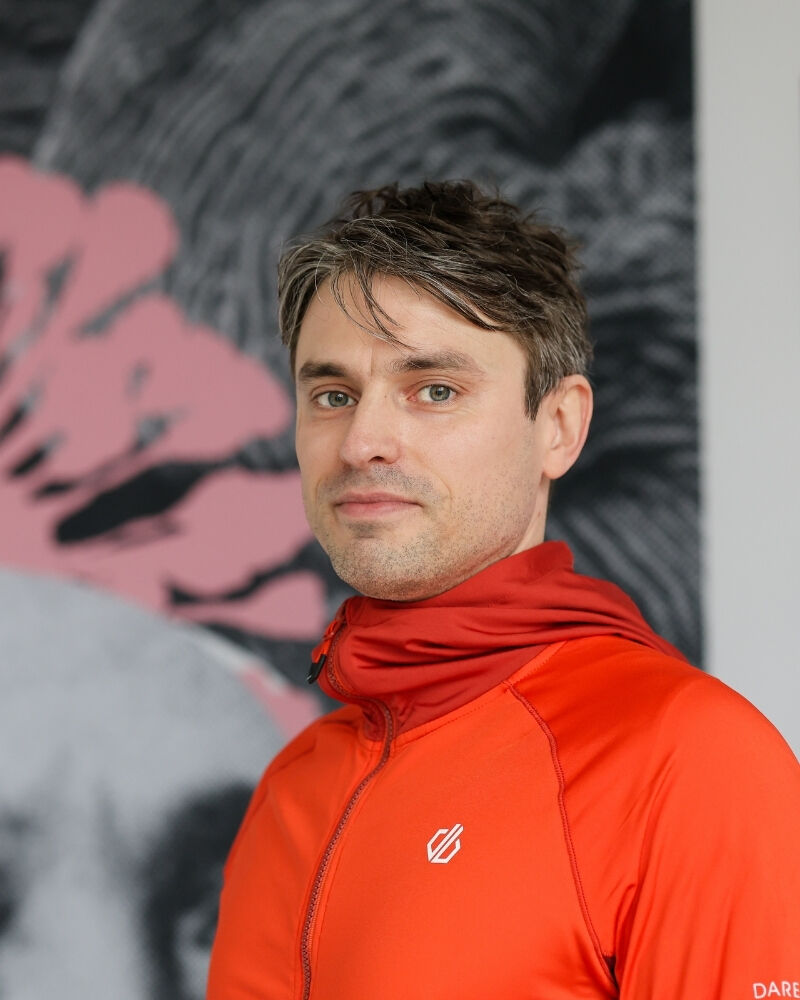
Dr. Bartosz Zgliński
Bartek completed his studies at the University of Warsaw and then began doctoral studies at the Nencki Institute of Experimental Biology of the Polish Academy of Sciences in Warsaw. In both institutions, he participated in projects related to metabolism, with particular emphasis on adipose tissue metabolism and its regulation by microRNAs. This work led to the discovery of several microRNAs associated with the process of non-shivering thermogenesis.
Additionally, Bartek became involved in side projects in the field of cognitive neuroscience, where he developed an interest in non-invasive methods for assessing animal behavior and data analysis. The experience he gained in these methods, combined with inspiration from the metabolic cage system used in his previous project, encouraged him to work with an automated T-maze system connected to animal-behavior analysis using deep learning methods. The use of neural networks enabled analyses at a level difficult to achieve with traditional techniques.
Currently, at Łukasiewicz – PORT, Bartek continues to develop this concept and is responsible for the implementation of a tool known as the “social box,” which enables the characterization of more complex social behaviors in animals.
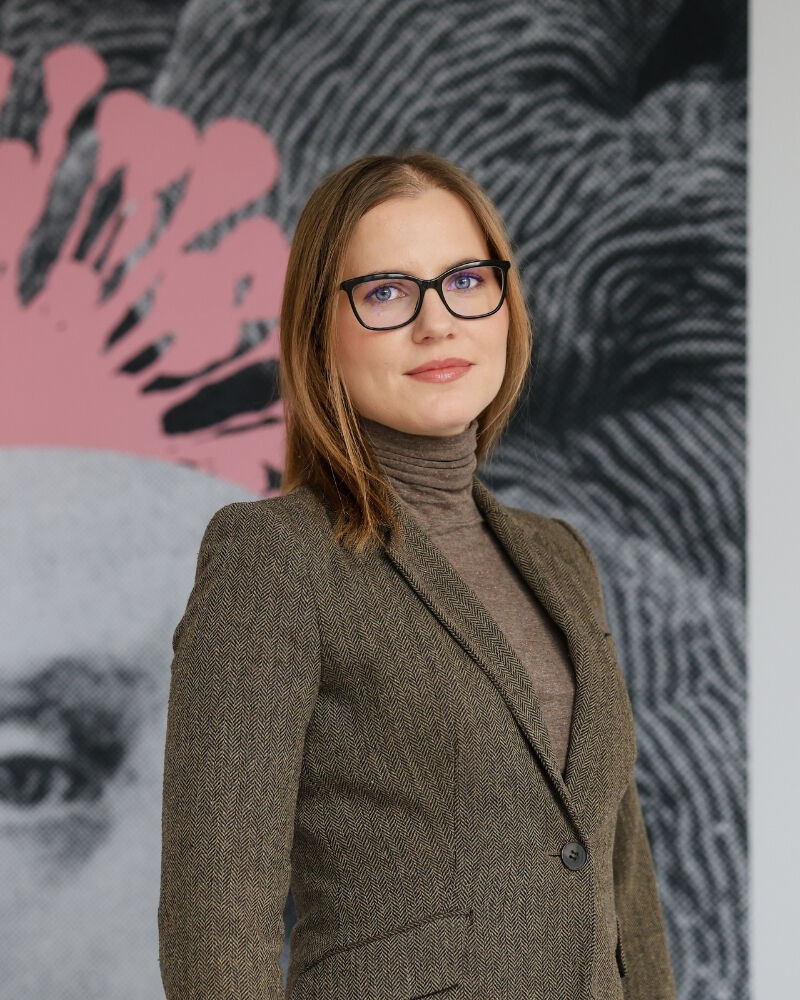
Dr. Katarzyna Terejko
Katarzyna completed her studies at Jagiellonian University in Kraków and subsequently earned her PhD in the Department of Biophysics and Neurobiology at Wrocław Medical University. In her research, she focused on the electrophysiological properties of fast inhibitory synaptic transmission in the mature brains of rodents and analyzed the molecular mechanisms of activation and modulation of the GABAA receptor by benzodiazepines.
During her doctoral studies and a short postdoctoral fellowship at Wrocław Medical University, she continued research on the relationship between pentameric channel structure and the kinetics of ion channels. In the course of this work, she discovered interactions between GABAA receptor subunits and characterized long-range molecular interactions within this receptor.

Dr. Anna Lech
Anna completed her studies at Wrocław University of Science and Technology and then earned her PhD in the Department of Molecular Physiology and Neurobiology at the University of Wrocław. In her research, she focused on the molecular mechanisms of synaptic plasticity in inhibitory GABAergic synapses of the hippocampus.
As a result of this research, she identified the specific role of extracellular matrix metalloproteinases and the trans-synaptic interaction between neuroligin-2 and neurexin in the process of long-term inhibitory potentiation (inhibitory LTP). In our team, Anna will be responsible for in vivo imaging.
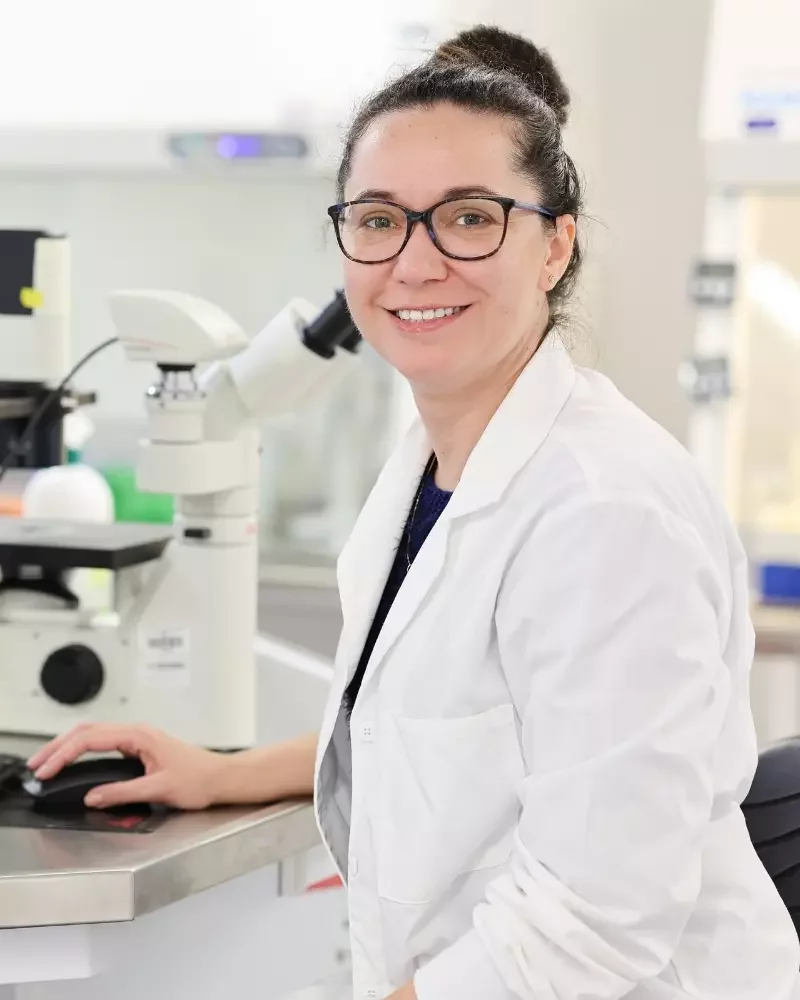
Dr. Viorica Raluca Contu
Raluca earned her bachelor’s and master’s degrees at Hiroshima University, where she investigated toxic dopamine metabolites involved in the etiology of Parkinson’s disease. She completed her doctoral research in the group of Dr. Tomohiro Kabuta at the National Center of Neurology and Psychiatry in Tokyo as part of a collaborative program with Yamanashi University. Her projects focused on the molecular mechanisms and the physiological significance of RN/DNautophagy – a noncanonical form of autophagy directed toward nucleic acids.
During her PhD studies, Raluca received a research fellowship for young scientists from the Japan Society for the Promotion of Science (JSPS), and later an international JSPS postdoctoral fellowship to study lysosomal acidification and ATP consumption during cargo transport in the autophagy process.
During her postdoctoral work at Rutgers University in Newark, Raluca developed 2D and 3D cell culture models derived from human iPSCs in the context of Alzheimer’s disease and investigated autophagy-related disease mechanisms.
In our team, Raluca focuses on studying glucocorticoid receptor (GR)–dependent mechanisms specific to this cell type, through which chronic stress contributes to the development of psychiatric disorders, such as major depressive disorder.
Motto: “Do good, and good will come back to you” – a yoga enthusiast and admirer of local culture.
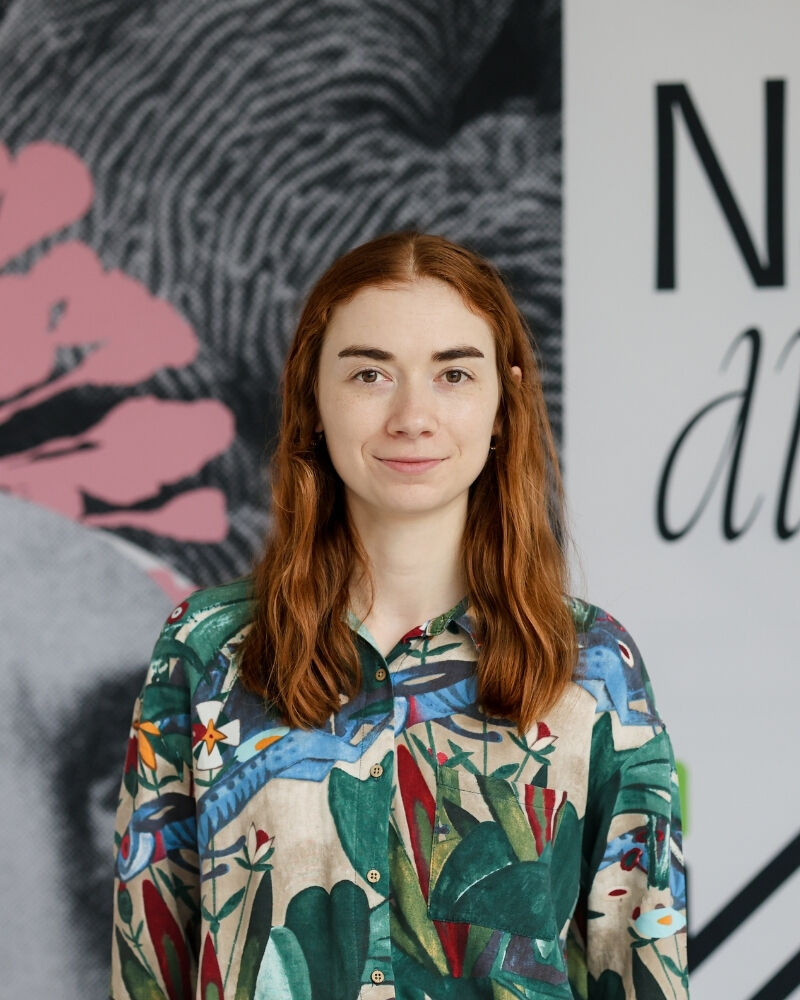
Aleksandra Herud
Ola completed her studies in Biomedical Engineering at Wrocław University of Science and Technology. She gained experience as a bioinformatician at the Hirszfeld Institute of Immunology and Experimental Therapy, Polish Academy of Sciences, where she worked on data analysis from next-generation sequencing (NGS) and third-generation sequencing of bacteria, bacteriophages, and the SARS-CoV-2 virus. She joined the Biology of Astrocytes Research Group, where she is responsible for RNA-seq data analysis.
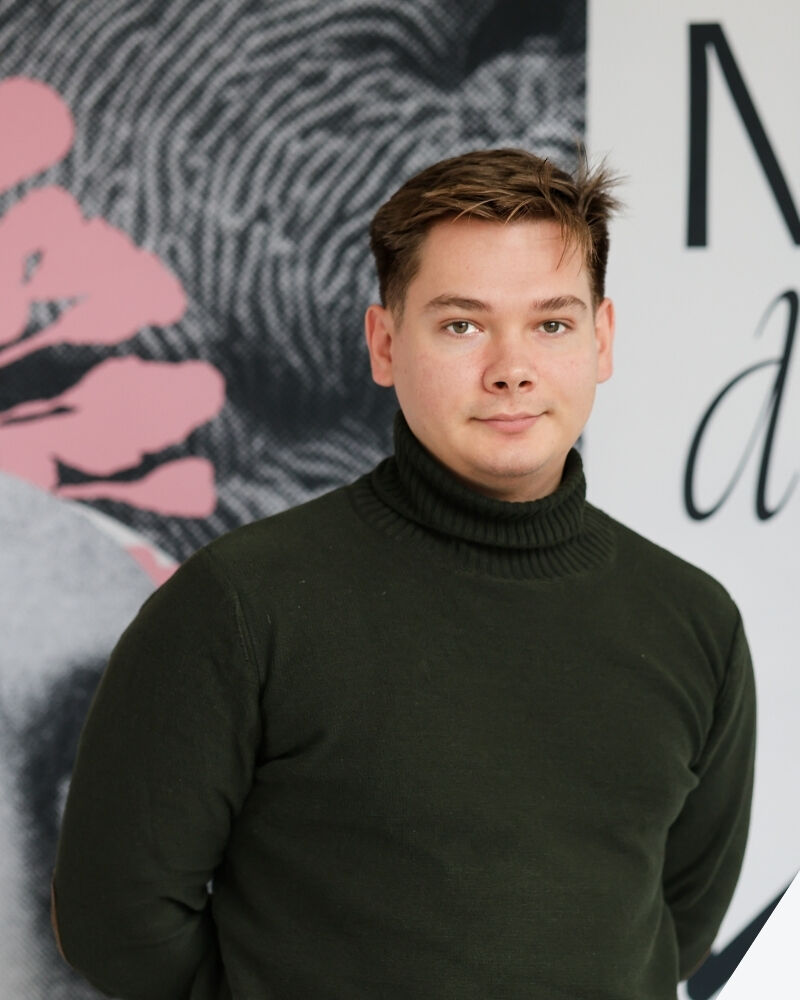
Tansu Göver
Tansu earned her bachelor’s degree in molecular biology and genetics at Üsküdar University in Turkey. During her studies, she completed several research internships at the University of Oxford as part of the Erasmus+ Traineeship program. She then completed her master’s degree in neurobiology and began her doctoral studies, focusing on the molecular mechanisms underlying astrocyte function in neuropsychiatric disorders.
Patrycja Ziuzia
Dedicated PhD student focused on advancing behavioral research, particularly in the context of depression-like and anxiety-like behaviors. My work centers on implementing innovative tools aimed at improving adherence to the 3R principle (Replacement, Reduction, and Refinement) in animal research.

Paweł Hanus
Paweł earned his master’s degree in genetics and experimental biology at the University of Wrocław, where he worked on identifying the transthyretin receptor in astrocytes. Currently, in our team, he investigates the role of astrocyte metabolism in the central effects of chronic stress. His primary scientific interest is the regulation of synaptic plasticity by astrocytes.
Privately, he is an enthusiast of floorball and hitchhiking travels.
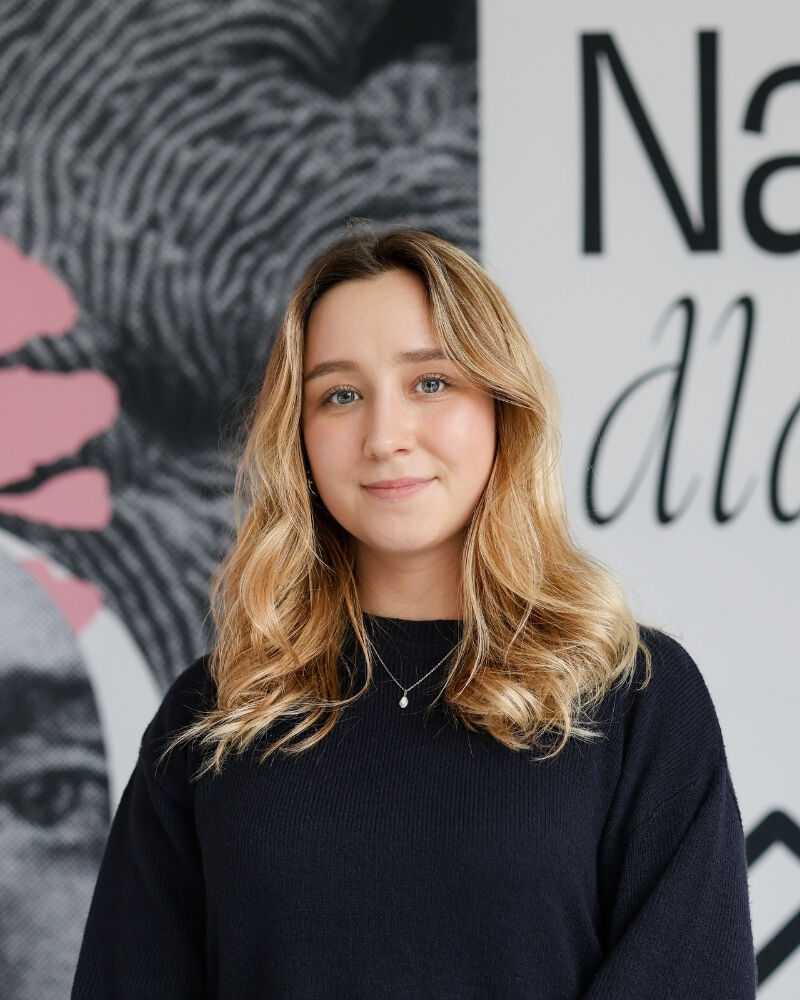
Martyna Skuła
Martyna earned her master’s degree at the University of Wrocław, where her work focused on the impact of glycogen metabolism disturbances on neuronal and astrocyte cultures. She simultaneously completed a second degree in bioinformatics, during which she worked on applications of unsupervised machine learning algorithms in genome analysis. Her doctoral project was ranked highest in the eighth edition of the Implementation PhD program.
In her work, Martyna is responsible for implementing computational solutions to automate behavioral testing in animals.
Klaudia Kuzdrowska
Klaudia holds a master’s degree in biology from the University of Adam Mickiewicz and is currently pursuing a second master’s degree in neurobiology. During her studies, she focused on analyzing behavioral patterns in small mammals, participating in several research projects conducted across Poland, which sparked her interest in neurobiology.
As a student, she received a grant to investigate the neuroprotective effects of nicotine in the context of Alzheimer’s disease and conducted research related to Duchenne muscular dystrophy. She later spent a semester at the University of Wuerzburg, working with a research team analyzing the properties of psychoactive substances in neurodevelopmental disorders such as ADHD and autism. The experience shaped her scientific path and contributed to her current master’s work, in which she continues research in this thematic area.
In the team, Klaudia is responsible for animal care and handling, conducting genotyping essential for our research, and supporting the implementation of the group’s research projects. Additionally, she conducts her own research as part of her master’s thesis, carried out in collaboration with Adam Mickiewicz University and Poznań University of Medical Sciences.