Genome Dynamics Research Group
The Genome Dynamics Research Group conducts interdisciplinary research in the fields of biological sciences, biotechnology, and molecular medicine. Its primary focus includes DNA repair mechanisms, mutation fixation processes, and the evolution of genome structure.
The group’s research aims to understand the causes of cancer development, with particular emphasis on the role of DNA repair processes, as well as to identify biomarkers and explore new opportunities for innovative anticancer therapies.
Group members
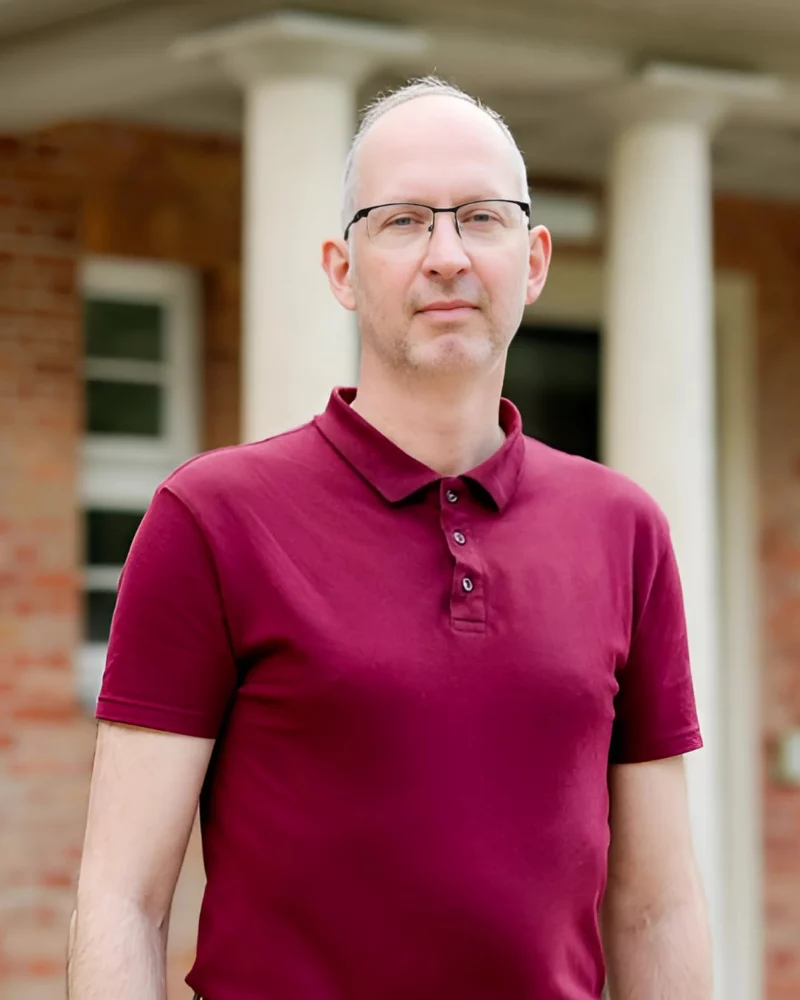
Dr. Michał Malewicz
I began my scientific career at the University of Warsaw, completing a master’s thesis in molecular biology focused on the genetics of RNA metabolism in yeast mitochondria. I then joined the Karlsruhe Institute of Technology (Germany) as a PhD student, where I studied the functioning of the immune system in genetically modified mice.
For my postdoctoral studies, I moved to Stockholm (Sweden) to work at the Ludwig Institute for Cancer Research (affiliated with the Nobel Karolinska Institute), where I developed new biochemical methods for studying protein–protein interactions. This work led to the identification of orphan nuclear receptors NR4A as newly recognized proteins involved in the DNA damage response in mammals.
In 2012, I was appointed an independent group leader at the MRC Toxicology Unit (UK), where I established my first research group focused on DNA repair mechanisms. At the MRC, my laboratory discovered PAXX—a new factor participating in DNA repair through the NHEJ pathway—and subsequently demonstrated that PAXX stimulates DNA repair by directing DNA polymerase activity to the damage site.
In 2019, I returned to Germany to become Director of Research and Drug Discovery at the emerging biotechnology company Genome Biologics, where I led research efforts on a new heart organoid technology designed to create an in vitro system for assessing the toxicity of new drug candidates.
Since late 2020, I have led the Genome Dynamics Laboratory at Łukasiewicz – PORT (Poland), whose mission is to investigate the mechanisms of the DNA damage response and their connection to cancer development using CRISPR/Base Editing genome-editing technologies and advanced disease models such as human iPSC-derived organoids.

Dr. Małgorzata Szatkiewicz
I am currently working as a postdoctoral researcher in the Genome Dynamics Research Group (GenDyn-Group). I completed my master’s studies at the Faculty of Biotechnology of the University of Wrocław. As part of the Erasmus program, I also worked in laboratories at the Max Planck Institute of Molecular Plant Physiology (Potsdam, Germany) and the Centre for Chromosome Biology (Galway, Ireland).
From 2016 to 2020, I carried out my PhD project at the Ludwik Hirszfeld Institute of Immunology and Experimental Therapy of the Polish Academy of Sciences in Wrocław. The aim of my research was to characterize a new canine NK-like cell line, and I defended my PhD thesis with distinction in 2021, already as a member of the GenDyn-Group. Within the Group’s research activities, I was involved in the implementation of the OPUS 20 project led by Dr. Michał Malewicz, PhD, and in my own research under the MINIATURA 7 grant.
My scientific interests include various aspects of cancer research: DNA damage–repair mechanisms, tumor development, cancer immunology, and anticancer therapies. I am a recipient of several scholarships (including the Scholarship of the Minister of Science and Higher Education for outstanding achievements) and a member of the European Association for Cancer Research, Polish Young Immunologists, and FEBS Junior Poland.

Joanna Machnik
I completed my engineering studies at Wrocław University of Science and Technology, but I carried out my diploma project at the Maria Skłodowska-Curie National Research Institute of Oncology in Gliwice. There, I focused on investigating the potential use of mesenchymal stromal cells in regenerative medicine. I then continued my education at the University of Wrocław, where, as part of my master’s studies, I conducted a project on proteins that regulate the cellular cytoskeleton and the internal organization of the cell.
I am currently pursuing an industrial PhD in the Genome Dynamics Research Group (Gen-Dyn). My work focuses on identifying new anticancer therapeutic targets within DNA repair mechanisms, as well as developing a disease model based on induced pluripotent stem cells (iPSCs) that most accurately reflects real pathological conditions.
Scientifically, I am particularly interested in the processes of oncogenesis and cancer transformation—especially changes in gene expression, their underlying causes, and the potential ways they can be exploited, for example in the context of synthetic lethality. After hours, I also enjoy exploring the world of neurobiology.