Immunotherapy Research Group
The Immunotherapy Research Group focuses on developing anticancer therapies based on the immune system. We concentrate on methods for stimulating, modifying, and enhancing immune responses that lead to the elimination of cancer cells. Our goals also include identifying new therapeutic targets and developing innovative technologies that can improve the effectiveness and safety of immunotherapy.
Methodologically, we are interested in visualizing the dynamics of immune cells within tissues—particularly within the tumor microenvironment—using intravital microscopy (confocal and two-photon) combined with image-analysis tools, including artificial intelligence.
Group Members
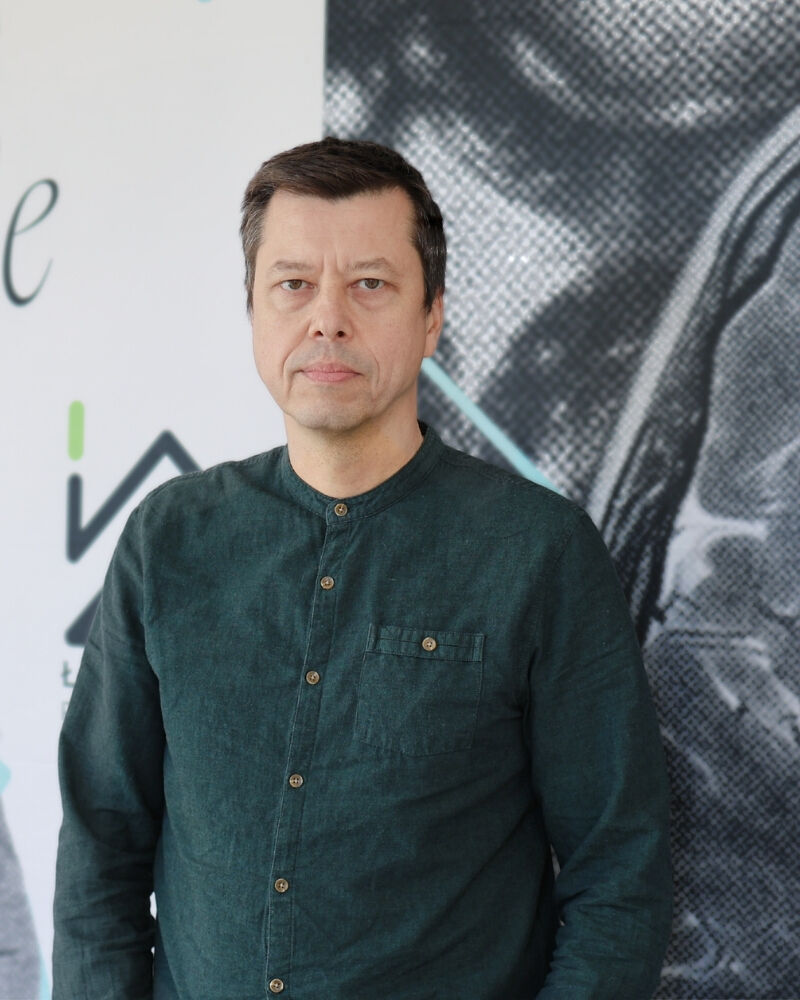
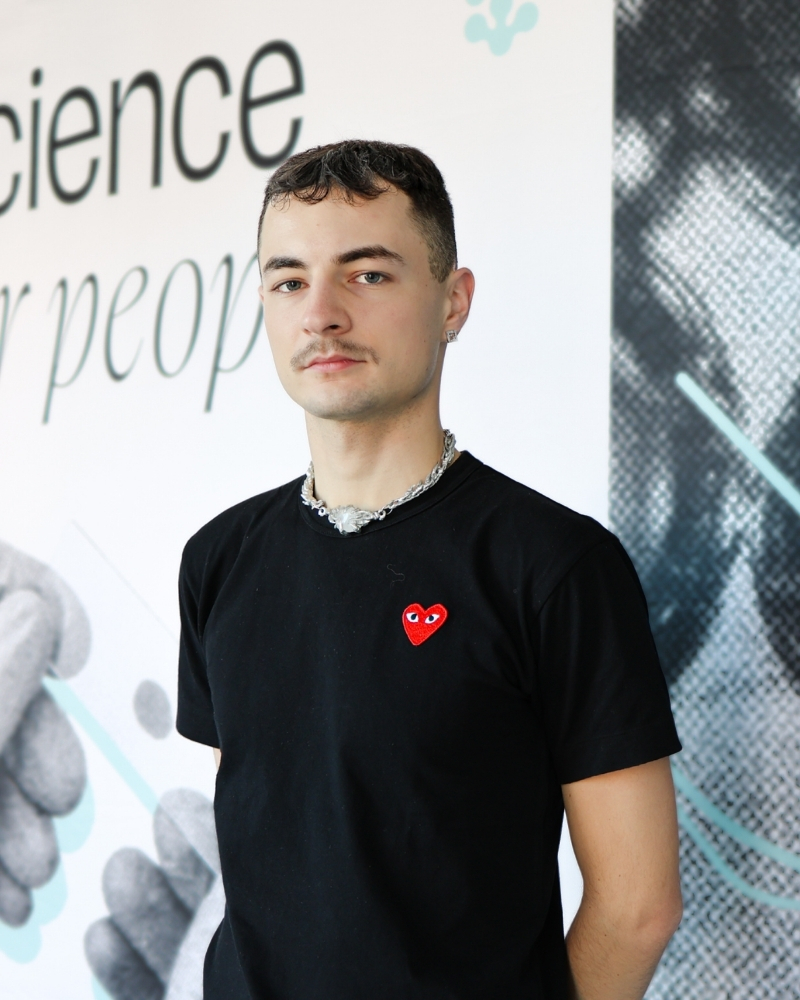
Dr. hab. Grzegorz Chodaczek
Grzegorz is a graduate of the Wrocław Medical University, where he studied at the Faculty of Pharmacy. In 2007, he earned his PhD in biological sciences at the Ludwik Hirszfeld Institute of Immunology and Experimental Therapy of the Polish Academy of Sciences in Wrocław, based on research into the adjuvant properties of lactoferrin in vaccine formulations.
From 2005 to 2007, he worked as a research scientist at the University of Texas Medical Branch in Galveston, USA, in the laboratory of Dr. Istvan Boldogh, where he studied the role of reactive oxygen species in allergic reactions.
In 2007, he began a postdoctoral fellowship at the University of Texas MD Anderson Cancer Center in Houston, USA, in the laboratory of Dr. Tomasz Zal. His project involved microscopic visualization of immune-system activity in the skin and the lung tumor microenvironment. In 2011, he assumed a joint position as the head of the imaging core facility at the La Jolla Institute for Immunology in San Diego, USA, and as an instructor in the laboratory of Dr. Mathias von Herrath, where he performed imaging studies on the involvement of the immune system in several diseases (type 1 diabetes, viral infections, Crohn’s disease, atherosclerosis, and cancer).
In 2014, he joined the Wrocław Research Centre EIT+ (now Łukasiewicz – PORT) to contribute to the establishment of a laboratory focused on bioimaging. In 2023, he founded his own research group dedicated to cancer immunotherapy. His research goal is to develop innovative technologies that have the potential to enhance the effectiveness of immunotherapy.
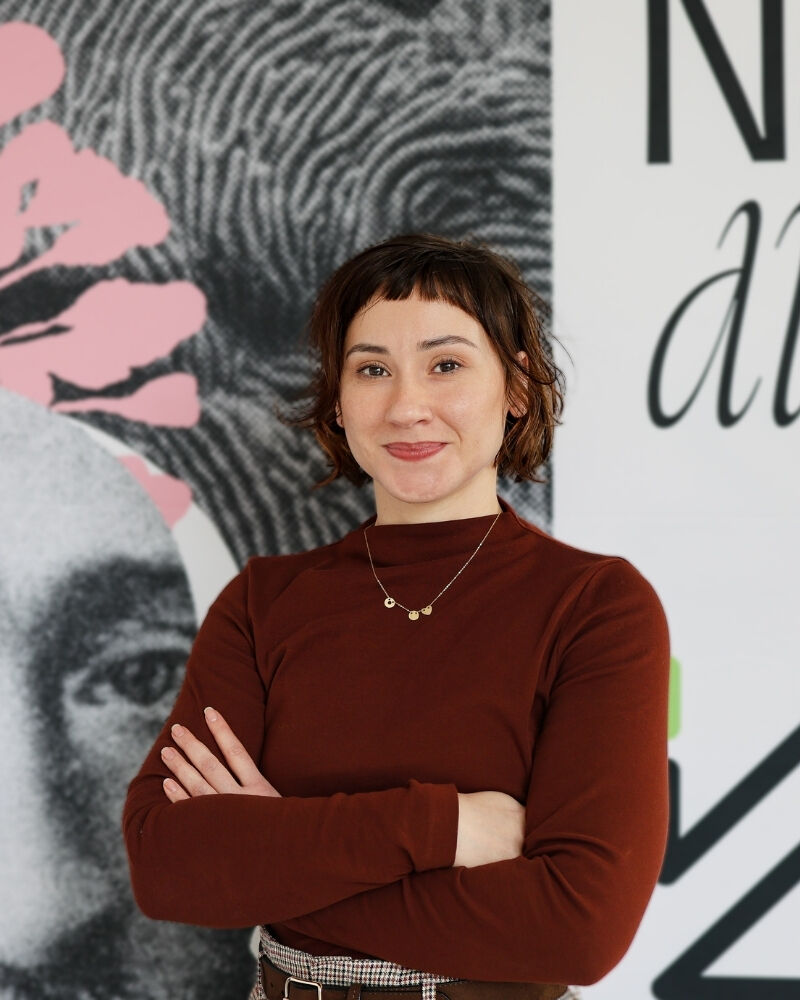
Dr. Agnieszka Chwastek
Agnieszka earned her bachelor’s and master’s degrees (in biology and neurobiology, respectively) at the Jagiellonian University in Kraków, and received her PhD in medical biology from the Institute of Pharmacology of the Polish Academy of Sciences, also in Kraków. Her research focuses on investigating the interconnected mechanisms within the neuroimmunological cellular network.
She has previously explored this topic in the context of neurodegenerative diseases and animal models of neuropathic pain. In our team, Agnieszka works on the genetic modification of γδ T lymphocytes and the optimization of a humanized mouse model for studying therapies targeting human glioblastoma multiforme.
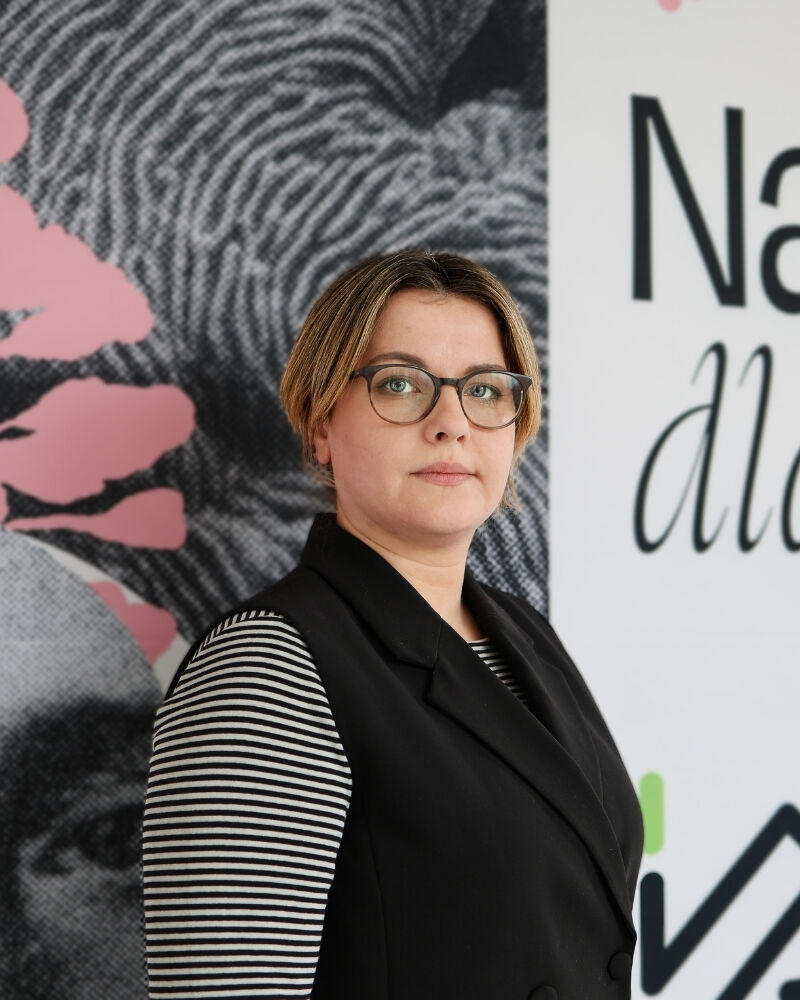
Dr. Justyna Mączyńska
Justyna is a biotechnology graduate of Wrocław University of Science and Technology and earned her PhD at the Department of Medical Biochemistry of Wrocław Medical University. During her doctoral studies, she received a Preludium grant and, through the Erasmus+ program and the Etiuda scholarship, gained extensive research experience in the Preclinical Molecular Imaging Team at the Institute of Cancer Research in London, where she also completed an initial postdoctoral internship.
Her main goal was to develop a photoimmunotherapy approach against cancer, using near-infrared light and small photoactive conjugates for the detection and treatment of malignant cells. She also studied the mechanisms underlying the transformation of an immunosuppressive tumor microenvironment into one responsive to immune activity.
Currently, as a member of our team, she works on immunotherapeutic strategies for treating glioblastoma multiforme, particularly through the use of γδ T cells in adoptive cell therapy. Her aim is to gain a deeper understanding of the mechanisms regulating cellular interactions within the complex tumor microenvironment.

Dr. Agnieszka Szyposzyńska
Agnieszka graduated from the Jagiellonian University, where she studied molecular biotechnology. For her master’s thesis, she evaluated the impact of extracellular vesicle isolation methods on their pro-angiogenic potential and participated in projects related to stem cell biology and extracellular vesicles.
After completing her studies, she began working at the Ludwik Hirszfeld Institute of Immunology and Experimental Therapy of the Polish Academy of Sciences on the project Scientific Information Database Supporting Innovative Therapies, which aimed to digitalize and provide access to information on mesenchymal stem cells through a digital platform.
She is currently completing her PhD at the same Institute, where she has been investigating the effects of microvesicles derived from mesenchymal stem cells on the biological activity of ovarian cancer cell lines and primary ovarian cancer cells obtained from postoperative tissue and effusion fluid. In the Immunotherapy Research Group, she supports the team in daily laboratory tasks and cell culture work.

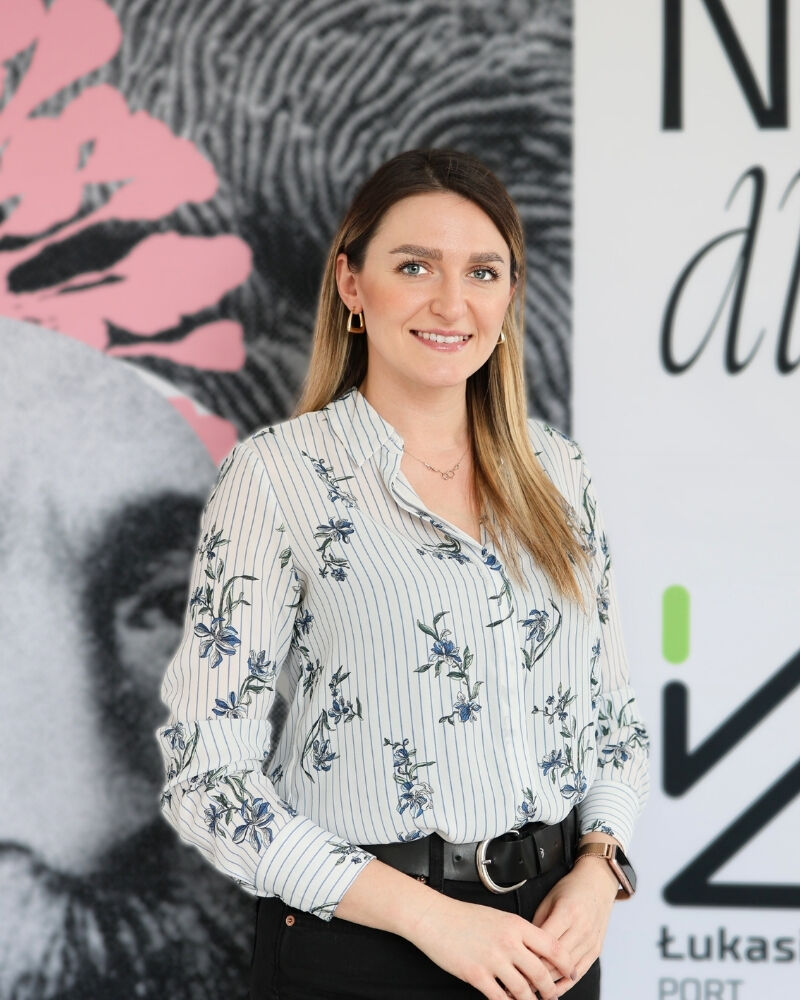
Natalia Frankiewicz
Natalia completed her engineering studies in biotechnology at Wrocław University of Science and Technology. She gained experience working in an analytical laboratory, where she expanded her knowledge of implementation processes and quality management. In our group, she serves as the lab manager, providing support to team members in their daily tasks.
Her responsibilities include monitoring laboratory inventory and coordinating orders. She is also responsible for budget control and documentation. Natalia supports the group in histological and immunohistochemical techniques, works with pathologists, processes human samples, and prepares microscopic histopathology slides used in diagnostics.
Dominika Orzoł
After completing her studies, Dominika began working at the Ludwik Hirszfeld Institute of Immunology and Experimental Therapy of the Polish Academy of Sciences on the project Scientific Information Database Supporting Innovative Therapies, which aimed to digitalize and provide access to information on mesenchymal stem cells through a digital platform.
She is currently completing her PhD at the same Institute, where she has been investigating the effects of microvesicles derived from mesenchymal stem cells on the biological activity of ovarian cancer cell lines and primary ovarian cancer cells obtained from postoperative tissue and effusion fluid. In the Immunotherapy Research Group, she supports the team in daily laboratory tasks and cell culture work.
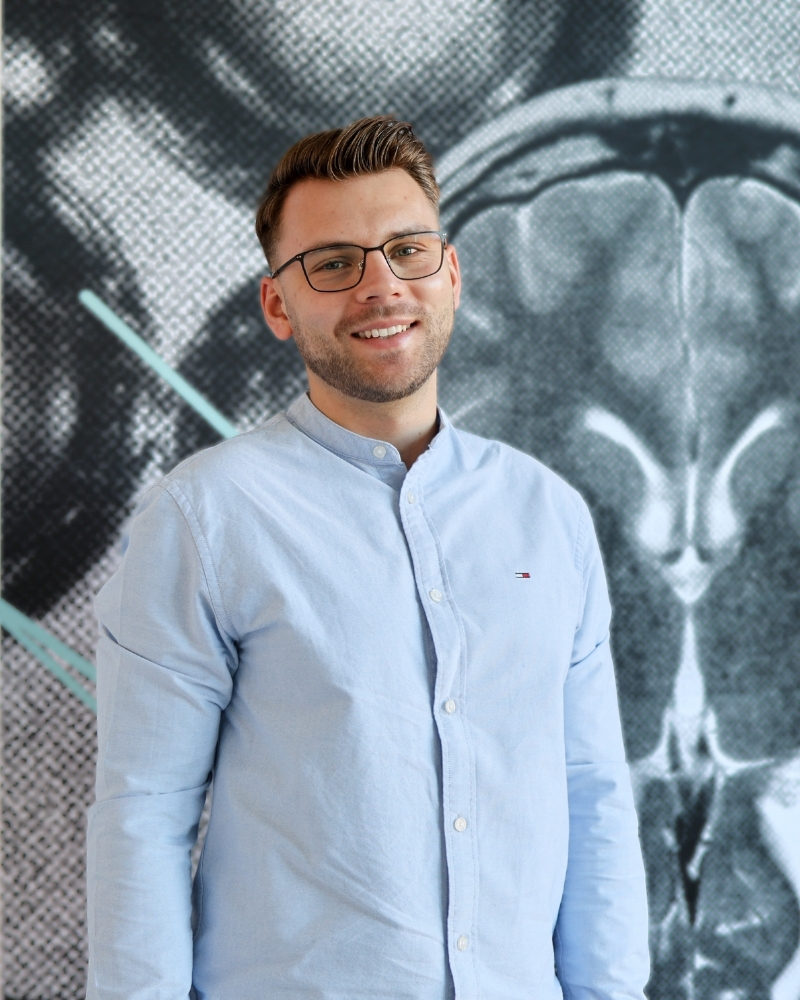
Adrian Kawecki
Adrian is a PhD student at the Doctoral School of Wrocław Medical University in the Department of Clinical Immunology and a biotechnology graduate of the Wrocław University of Environmental and Life Sciences. His scientific interests focus on cell biology, immunology, and the impact of environmental factors—particularly nanoplastics—on immune-system function and the integrity of biological barriers.
His doctoral dissertation examines the mechanisms by which nanoplastics interact with human cells, the immune responses they trigger, and the potential health consequences resulting from their accumulation in the body.
He joined the research team at Łukasiewicz – PORT as a process engineer. In his work, he performs cell-culture experiments involving both primary glioblastoma lines and activated γδ T lymphocytes used in cancer immunotherapy research. He is also responsible for preparing samples for cellular analyses, including spectral cytometry and confocal microscopy, as well as for assessing cellular responses to immune and stress stimuli.
He gained laboratory experience at the Ludwik Hirszfeld Institute of Immunology and Experimental Therapy of the Polish Academy of Sciences in Wrocław, where he worked with cell lines, protein isolation techniques, and molecular biology methods. He also completed internships and training in microbiological and biotechnological laboratories, developing skills in working with microorganisms, bioprocesses, and analytical techniques.