Neurodegeneration Mechanisms Research Group
The Neurodegeneration Mechanisms Research Group investigates how protein quality-control systems fail in aging cells, making them vulnerable to neurodegenerative diseases. Building on this knowledge, we aim to identify new therapeutic strategies that could counteract these devastating conditions.
Our long-term goal is to translate fundamental discoveries into concrete therapeutic solutions. We collaborate with clinical teams and the biotechnology industry with the mission of developing effective disease-modifying treatments for conditions such as Alzheimer’s, Parkinson’s, and Huntington’s diseases. We believe that understanding the molecular foundations of neurodegeneration will not only enable the development of therapies but also drive the creation of diagnostic tools that allow early detection and prevention of these disorders.
Group members
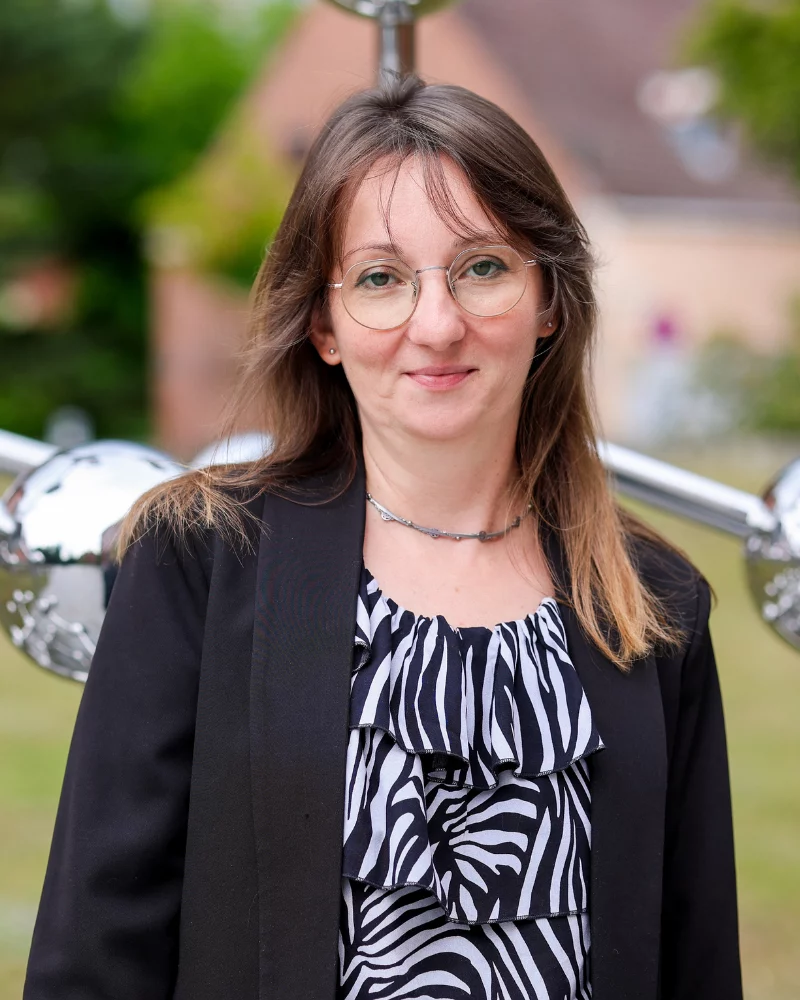
Dr. Agnieszka Krzyżosiak
Agnieszka earned her PhD under the supervision of Dr. Wojciech Krężel and Prof. Piotr Dobryszycki through a co-tutelle arrangement between Université de Strasbourg and Wrocław University of Science and Technology. While working at the Institute of Genetics and Molecular and Cellular Biology (IGBMC), she discovered the role of the RXRg receptor in mediating depressive-like behaviors and the underlying molecular dysfunctions of dopaminergic neurons.
She joined Dr. Anne Bertolotti’s group at the MRC Laboratory of Molecular Biology in Cambridge (UK) for her postdoctoral training, where she received long-term EMBO and HFSP fellowships. Her research focused on strategies to prevent protein misfolding in neurodegenerative diseases. This project led to the identification of the first selective inhibitor of the phosphatase PPP1R15B, which showed beneficial effects in alleviating symptoms of Huntington’s disease. This discovery resulted in the founding of CamPhos Therapeutics Ltd., where Agnieszka gained valuable experience in translating basic research findings into commercial applications.
In 2022, she was awarded the SONATA BIS 11 grant from the National Science Centre to advance research on the molecular mechanisms of neurodegeneration.

Dr. Ewa Mrówczyńska
Ewa completed her master’s degree at the Faculty of Biotechnology of the University of Wrocław, where—through a collaboration with the Hirszfeld Institute of Immunology and Experimental Therapy PAS—she conducted research on the anticancer activity of newly synthesized aminobisphosphonate compounds, testing their effectiveness in inhibiting the growth and metastasis of breast cancer cells.
In 2023, she earned her PhD after conducting a research project in the Cell Pathology Laboratory at the Faculty of Biotechnology, University of Wrocław. Her doctoral work focused on the mechanisms underlying the development of the peripheral nervous system and skin pigment cells during embryogenesis, using the chicken embryo model in both in vitro and in ovo systems.
During this time, she was also involved in research projects examining the role of actin-binding proteins in melanoma development. She served as the principal investigator of a Preludium research project, within which she identified the mechanisms responsible for the effects of the non-integrin laminin receptor (LamR) on neurite development and Schwann cell precursors during the formation of dorsal root ganglia (DRG) in the developing spinal cord.
She was the recipient of several awards, including the Ludwik Hirszfeld Scholarship for outstanding achievements in biological and medical sciences, as well as the Rector’s Scholarship for the best PhD students at the University of Wrocław.
Ewa joined the team in 2023 as a postdoctoral researcher in the SAME-NeuroID project. Her role in the project involved implementing and standardizing protocols for the in vitro research platform aimed at understanding the complex biology of neuropsychiatric disorders. Through collaborations with the Paris Brain Institute (ICM) and Erasmus University Medical Center (Erasmus MC), Ewa has been gaining expertise in iPSC-based models, which are now used in the laboratory to study brain disorders.
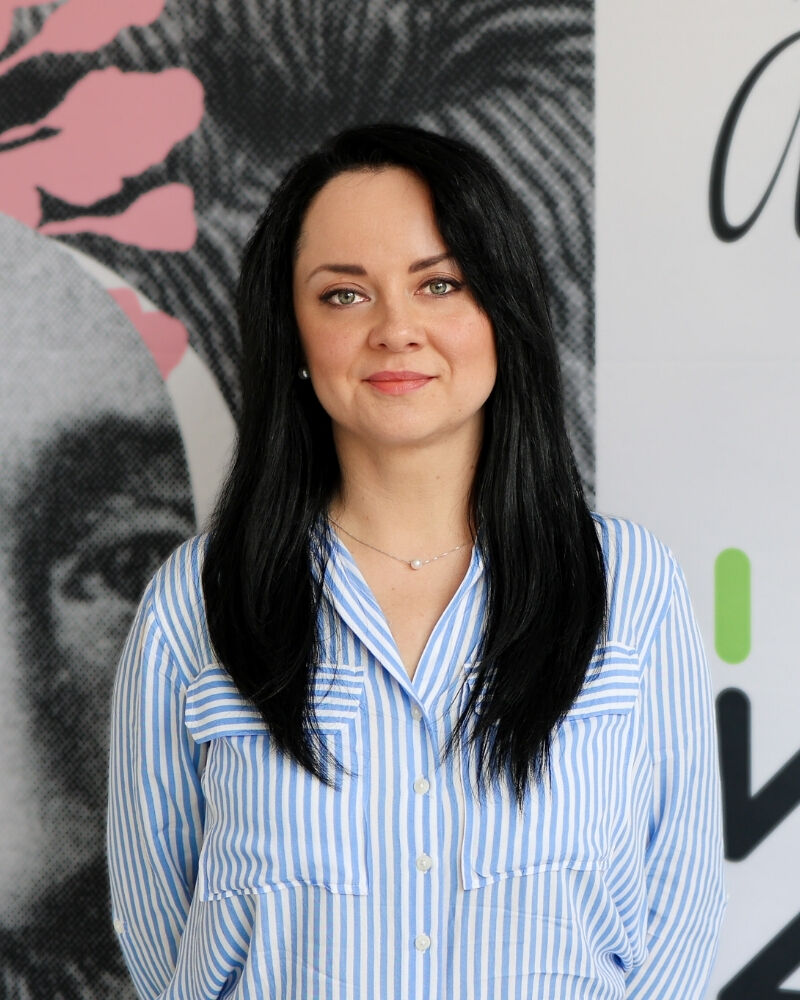
Dr. Agnieszka Górska
Agnieszka obtained her master’s degree in biotechnology from the University of Life Sciences in Poznań and her PhD in chemical sciences, specializing in biochemistry, from the Institute of Bioorganic Chemistry of the Polish Academy of Sciences (IChB PAS). She carried out both her master’s and doctoral research in the RNA Biochemistry Department at IChB PAS under the supervision of Prof. Jerzy Ciesiołka. Her work focused on the mechanisms of protein synthesis in the hepatitis C virus (HCV) and the major tumor suppressor p53, as well as their regulation by microRNAs and antisense oligonucleotides.
She then joined the Molecular Biology of Cell Growth Group led by prof. Associate Professor and later by Dr. Mirko Völkers, MD, at the University Hospital in Heidelberg, where, as a postdoctoral researcher, she conducted studies on mTOR-dependent pathological cardiac hypertrophy using modern high-throughput sequencing techniques as well as cellular and mouse models of hypertension.
Her research led to the identification of new, cell type–specific therapeutic targets and to determining their mechanisms of action, which included the regulation of mRNA metabolism and the maintenance of proteostasis. Part of this work was funded through a Post-doc Start-up grant awarded by the German Centre for Cardiovascular Research (DZHK) under the Excellence program.
Currently, within the Neurodegeneration Mechanisms Research Group, Agnieszka is developing new models of neurodegenerative diseases using reprogramming methods, enabling the identification of novel modifiers of these disorders associated with the protein quality-control (PQC) pathway.
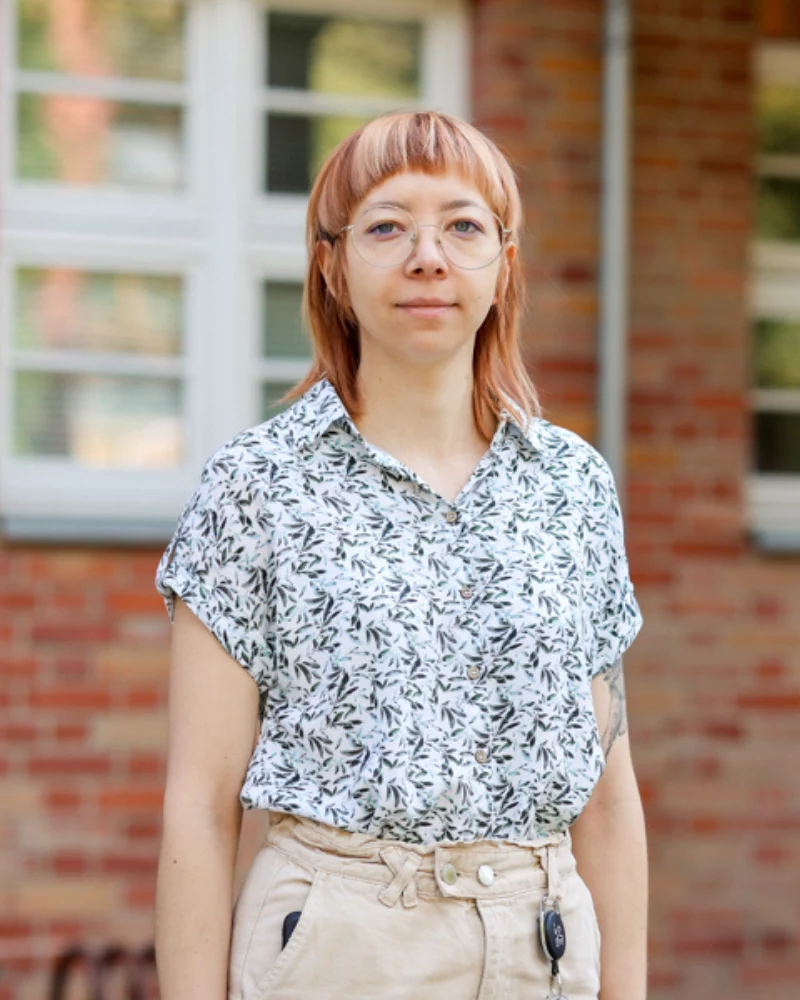
Dr. Daria Hajka
Daria is a graduate of the University of Wrocław, where she completed her master’s degree in Genetics and Experimental Biology. She carried out both her master’s and doctoral research in the Department of Physiology and Molecular Neurobiology at the University of Wrocław under the supervision of Prof. Agnieszka Gizak. Her work focused on the role of the multifunctional protein Fbp2 in communication between neuronal and glial cells, using an in vitro mouse model.
Daria is particularly interested in the role of extracellular vesicles in intercellular communication and in the regulation of energy-metabolism processes in brain cells.
n 2023, she joined the Neurodegeneration Mechanisms Research Group, where, as a postdoctoral researcher, she develops innovative neurodegenerative disease models based on human-cell reprogramming. In 2025, she received funding from the National Science Centre in the MINIATURA competition for the project titled “Validation of a new human research model for ALS in the context of cellular energy metabolism.”

Dr. Rohit Shrivastava
Rohit leads translational neurobiology research at Łukasiewicz – PORT (Wrocław, Poland), focusing on the discovery of new therapeutic targets and the identification of biomarkers in Huntington’s disease using patient-derived neuronal models. He holds a PhD in Cell and Molecular Biology (Ben-Gurion University, Israel) and a Master’s degree in Drug Development with Bio-business (University of Aberdeen, United Kingdom).
His postdoctoral work at CNRS Montpellier (France) contributed to the development of nanobody-based therapeutics targeting the deNEDDylating enzyme NEDP1 in ALS, including central nervous system–targeted delivery strategies using botulinum-based constructs. As a visiting fellow at the UK Dementia Research Institute (King’s College London), he worked on iPSC-derived neurodegeneration models.
Dr. Shrivastava’s research has helped identify NEDD8 as a key regulator of protein quality control in ALS. He has secured international funding (ProteoCure – COST Action Europe, LabEx EpiGenMed, and Fondation pour la Recherche Médicale – France), contributed to intellectual property in CNS biologics, and led cross-border research collaborations.
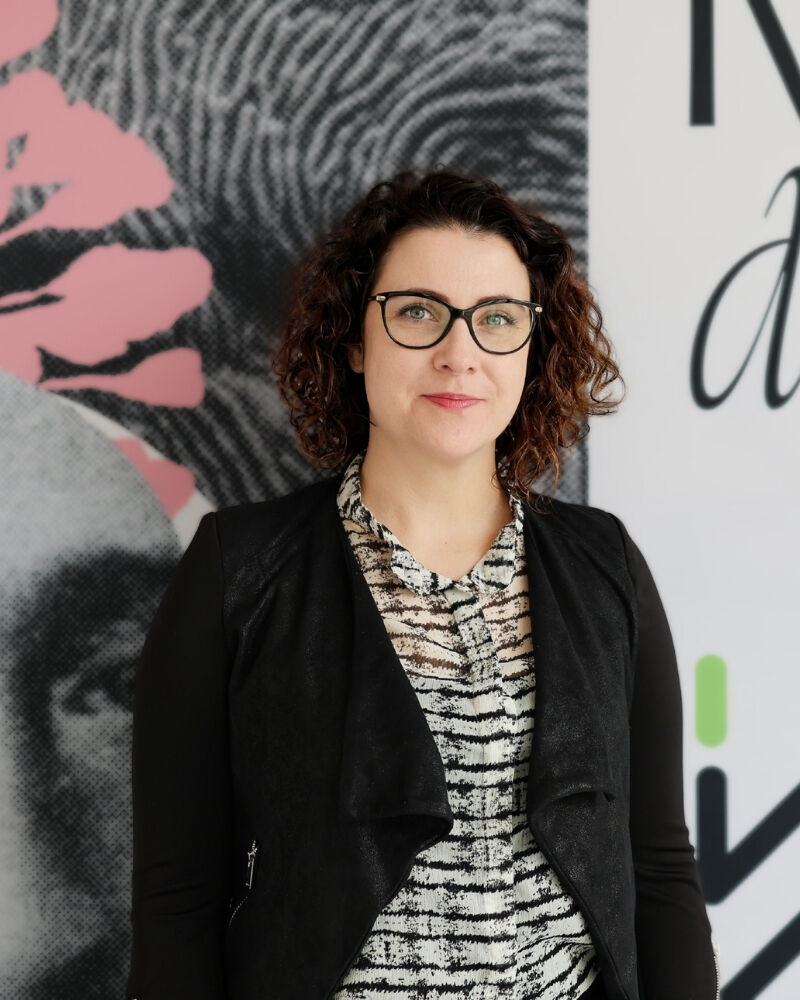
Monika Danielewicz
Monika completed her biotechnology studies at Wrocław University of Science and Technology, and carried out her master’s thesis at the Department of Histology and Embryology of Wrocław Medical University, where she investigated the effects of resveratrol on pancreatic cancer cells. After defending her thesis, she continued her research work at Wrocław Medical University.
She then transferred her skills to a biotechnology company in Kraków, where she conducted HTS studies in the search for compounds with anticancer potential. She also coordinated the development of a cell repository, ensuring the highest standards of cell culture and continuous quality control of biological material.
She joined PORT at the end of 2022, taking the position of Lab Manager in the Neurodegeneration Mechanisms Research Group, where she continues to oversee the operational continuity of research activities, manage orders, plan and monitor the budget, and anticipate and analyze risks. With a can-do attitude, she proactively seeks optimal solutions, supports the team, and always strives to see the glass as half full.