Synaptogenesis Research Group
The Synaptogenesis Research Group conducts multidisciplinary studies aimed at understanding the mechanisms that regulate the formation and organization of synapses in the central nervous system and in skeletal muscles. Our research is carried out using purified proteins, primary and immortalized cell cultures, animals with inducible gene deletions (Cre-LoxP system), and transgenic models. We also use recombinant AAV viruses to overexpress genes of interest both in vitro and in vivo.
The group performs advanced biochemical experiments, including purification of protein complexes, mass spectrometry–based proteomic analyses, and the reconstitution of membrane proteins into artificial lipid bilayers. Research on skeletal muscles focuses on understanding the mechanisms that govern the development of the postsynaptic machinery and the organization of motor neuron axons that innervate muscle fibers. In our brain studies, we investigate mechanisms that regulate both synapses and general neuronal and neural network function in the brain.
Our goal is to understand the mechanisms that regulate synapse organization in the central and peripheral nervous systems. We are committed to conducting innovative, interdisciplinary research at the highest level, using a wide range of molecular, cellular, and genetic techniques. A core part of our mission is to provide intensive training that supports the scientific and personal development of our team members, with the objective of shaping a new generation of world-class researchers and valuable members of society.
Our publication: Rojek et al., PLoS Biology (2019), received the 2020 Konorski Award for the best neuroscience publication in Poland in 2019. The Konorski Award is jointly presented by the Polish Neuroscience Society and the Neurobiology Committee of the Polish Academy of Sciences. Congratulations to all authors!
Group members
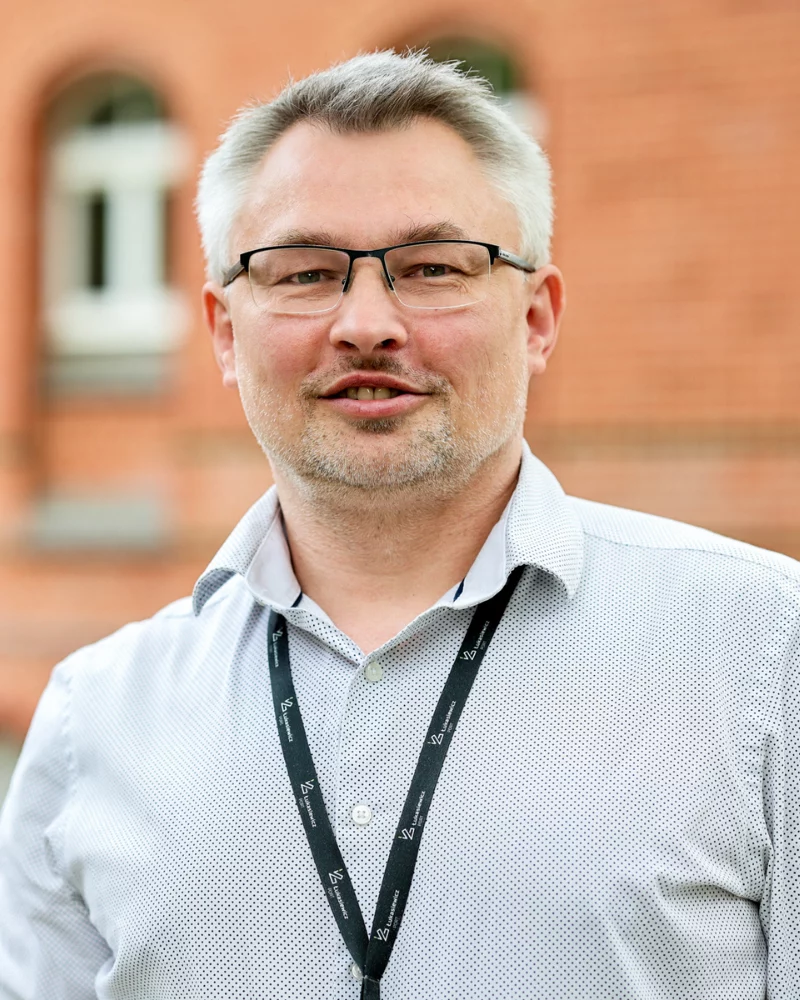
Dr. hab. Tomasz Prószyński
Tomasz completed his doctoral studies in Kai Simons’ laboratory at the Max Planck Institute of Molecular Cell Biology and Genetics in Dresden (Germany). His research focused on intracellular protein sorting and the mechanisms of cell polarity, using yeast as a model system. After earning his PhD, Tomasz Prószyński decided to apply his cell biology expertise in a more complex system and joined Joshua Sanes’ laboratory at Harvard University (USA), where he investigated how muscle cells organize the postsynaptic apparatus at the neuromuscular junction (NMJ). His work was carried out mainly in cultured muscle cells stimulated to form the postsynaptic apparatus.
In 2013, Tomasz Prószyński established his own laboratory at the Nencki Institute of Experimental Biology, where he led projects aimed at understanding the molecular mechanisms regulating the formation and maintenance of the NMJ using mouse models. In parallel, Tomasz Prószyński and his team conducted projects focused on synapse formation in the brain and the organization of neuronal networks. Since 2020, Tomasz Prószyński has been the head of the Synaptogenesis Laboratory at Łukasiewicz – PORT.
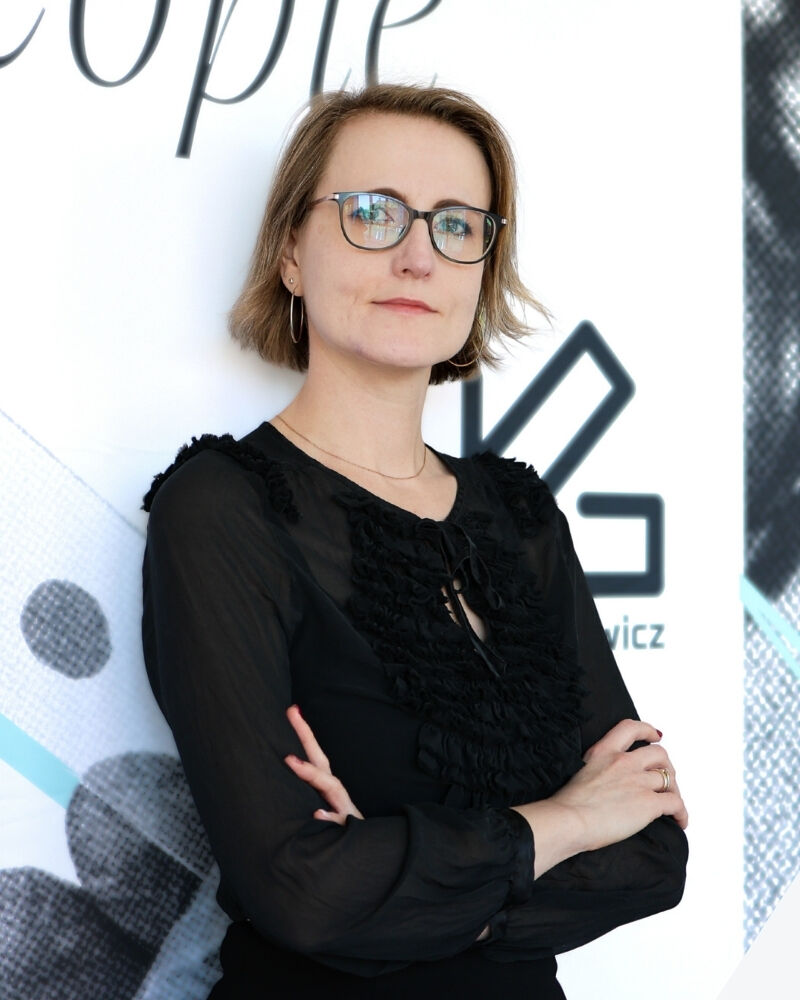
Dr. Alina Zawiślak-Architek
She completed her biotechnology studies at Wrocław University of Science and Technology and subsequently obtained a PhD in biological sciences at the University of Wrocław. Her adventure with neurobiology began during her doctoral work at the Department of Physiology and Molecular Neurobiology (UWr), where she investigated communication between neurons and astrocytes in the context of energy metabolism regulation.
She then transferred this experience to Captor Therapeutics, a biopharmaceutical company specializing in Targeted Protein Degradation (TPD). There, she participated in numerous projects focused on developing therapies for diseases with high unmet medical needs. Her involvement included contributing to a project in the clinical research phase and working with clinical samples under rigorous GCLP (Good Clinical Laboratory Practice) standards.
After years of working in industry, in 2025 she decided to return to her true passion — neurobiology — and joined the Synaptogenesis Research Group. She is currently involved in studying the role of the AMOTL1 protein in the hippocampus and its significance for the development of neuropsychiatric disorders.

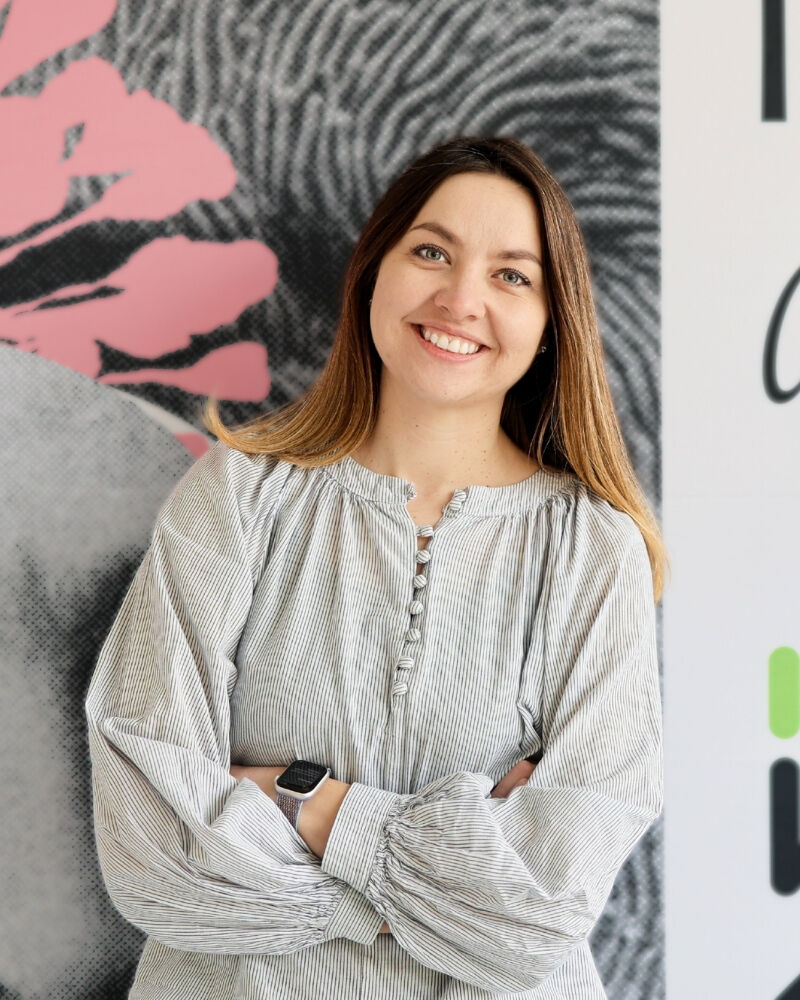
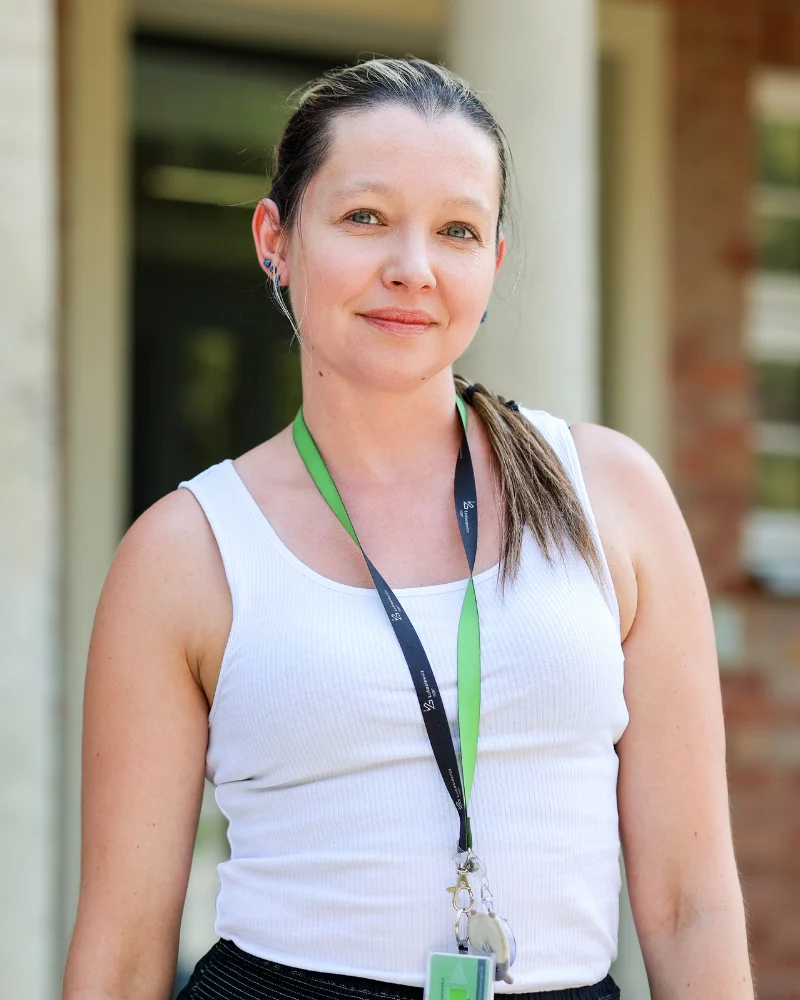
Dr. Olga Wójcicka
She completed her studies in Medical Biotechnology with a specialization in Molecular Medicine at the Medical University of Łódź. After her master’s degree, she worked on a Sonata project in the Independent Laboratory of Nervous System Biology at the Department of Biophysics, Medical University of Wrocław, where she gained experience in brain electrophysiology. She obtained her PhD at the University of Wrocław in the Department of Physiology and Molecular Neurobiology, focusing on the regulation of brain metabolism through communication between neurons and astrocytes.
Since 2021, she has been working in the Synaptogenesis Group, where she studies neuromuscular synapses. She is currently implementing a Sonatina grant titled “The function of Cap2 in motor neurons and skeletal muscles,” which continues the research initiated during a previously completed Miniatura grant. In her free time, she is active in sports, especially aerial acrobatics.
Dr. Przemysław Duda
He graduated from the Faculty of Biological Sciences at the University of Wrocław, where he studied biology, and from the Faculty of Medicine at the Wrocław Medical University. During his doctoral studies, he investigated the molecular determinants of declarative memory formation during long-term synaptic potentiation using an in vitro mouse hippocampus model. His research interests focus on neuropsychiatric disorders — their etiology and pathophysiology.
He joined the Synaptogenesis Research Group in 2022, where he participates in studies involving an animal model of selected symptoms associated with psychiatric disorders. In 2025, he received a Sonata research grant from the National Science Centre, aimed at identifying sex-related differences in selected phenotypes observed during the development of chosen neuropsychiatric conditions.
In his free time, he reads and writes — he is the author of numerous fantasy, science-fiction and medical thriller novels and short stories. He is the (usually) happy owner of two cats, who make sure he never arrives late for work in the morning.

Margareta Jabłońska
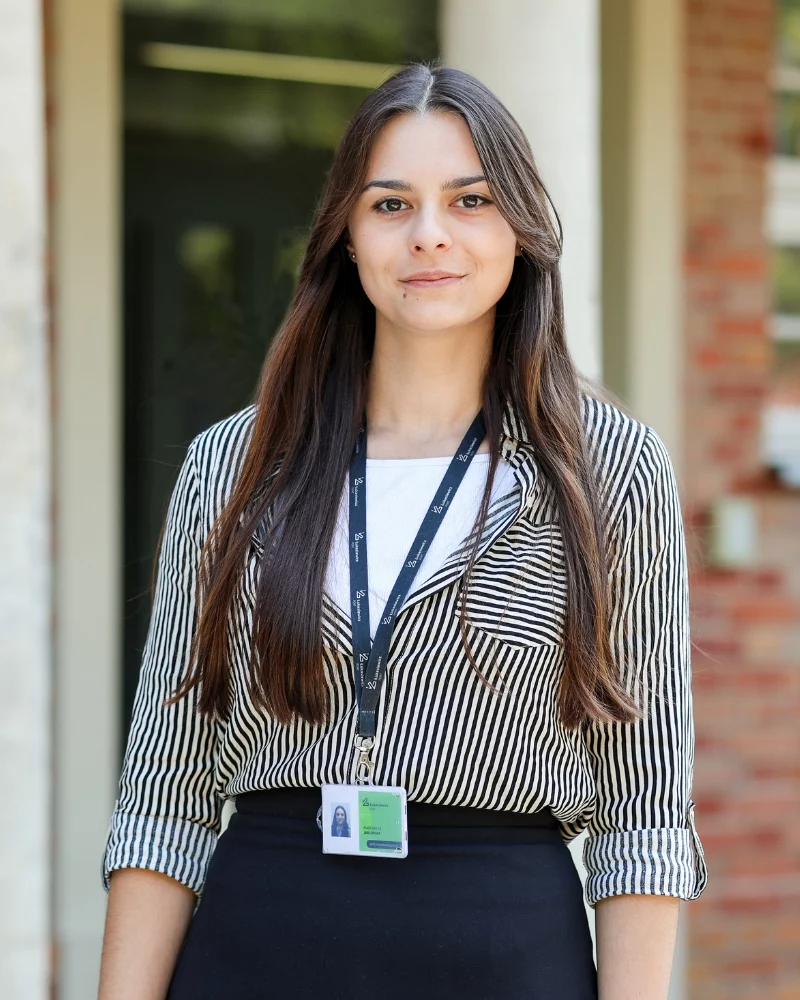
Margareta is a graduate of the Faculty of Biotechnology at the University of Wrocław, where she completed her degree in biotechnology. Already during her studies, she gained research experience by working in the Departments of Cytobiochemistry and Biochemistry on projects funded by the National Science Centre. The research topics focused on the biogenesis of membrane rafts and defects in protein glycosylation.
Thanks to her involvement in experimental work early in her studies, she developed skills in confocal microscopy, immunocytochemistry, immunohistochemistry, genetic engineering, and protein purification techniques.
Since 2021, she has continued her scientific work in the Synaptogenesis Research Group, and in 2022 she began doctoral studies conducted in cooperation with the Wroclaw Medical University. Her PhD project focuses on identifying new mechanisms regulating acetylcholine receptors at neuromuscular synapses.
As part of her research, she is further developing previously acquired techniques and expanding her expertise to include high-resolution microscopy, production and application of AAV viruses, as well as genome editing using CRISPR/Cas technology.


Emeric Sarrou
Emeric holds a master’s degree in Neuroscience from Claude Bernard University Lyon 1 in France, where he gained research experience using rodent models at the Pasteur Institute in Paris, the CNRS in Saclay, and Laval University in Canada. He has worked on circadian biology, decision-making, and spinal cord injury. His scientific interests lie at the intersection of behaviour, neuronal circuitry, and cellular regulation.
At Łukasiewicz – PORT, Emeric Sarrou investigates the role of angiomotins – particularly AMOTL1 – in the regulation of dopaminergic and serotonergic systems. His research aims to uncover how AMOTL1-dependent mechanisms shape brain function through serotonergic and dopaminergic pathways.