Translational Neuropsychiatry Research Group
The Translational Neuropsychiatry Research Group (TREND Lab), led by PhD Ali Jawaid, investigates how environmental factors shape vulnerability to neuropsychiatric and neurodegenerative disorders across the lifespan and across generations .
Supported by ERA-Net, the European Joint Programme on Neurodegenerative Disease Research (JPND), and the National Science Centre (NCN), we apply a multimodal approach that integrates immortalized neuronal and microglial cell lines, microglia and brain organoids derived from induced pluripotent stem cells (iPSCs), transgenic and wild-type rodent models, and ethnically diverse human cohorts.
Our research focuses on uncovering the role of non-coding RNAs and metabolic dysfunction in the intergenerational transmission of trauma-induced disease risk. In parallel, we advance research on amyotrophic lateral sclerosis (ALS), Alzheimer’s disease, and related neurodegenerative disorders, with particular emphasis on identifying novel metabolic and epigenetic pathways that drive disease progression and susceptibility.
Group Members
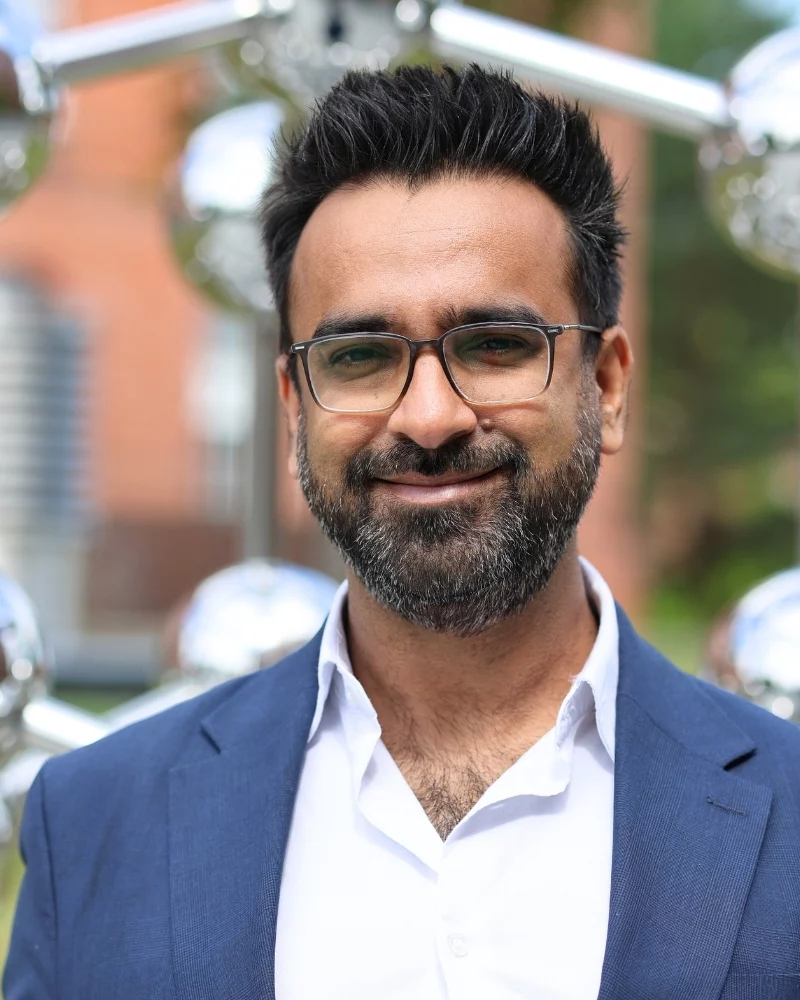
Dr. Ali Jawaid
Ali is a physician–scientist with training and experience in both clinical and basic neurobiology. He completed his medical studies at Aga Khan University in Karachi (Pakistan), followed by a neuropsychiatry residency at Baylor College of Medicine in Houston, Texas (USA). In 2016, he earned his MD-PhD in neurobiology through the international UZH/ETH program in Zurich (Switzerland), which combines doctoral training at the University of Zurich and ETH Zurich.
Dr. Ali Jawaid currently leads the Translational Research on Exposures and Neuropsychiatric Disorders Laboratory (TREND Lab) at the Nencki Institute in Warsaw. He has conducted extensive research in areas such as childhood trauma, memory, neurodegenerative diseases, neuroepigenetics, and epigenetic inheritance.
He is the author of over 75 scientific publications in prestigious journals such as Nature, Science, Nature Neuroscience, Nature Human Behavior, Neuron, Nature Communications, Trends in Genetics, EMBO Journal and Molecular Neurodegeneration. It has a current H index of 28. In 2016–2018 he served as President of the European MD-PhD Association and is currently a fellow of the prestigious FENS-Kavli Network of Excellence. Apart from his scientific work, he is an author of prose and poetry and a virtual reality enthusiast.
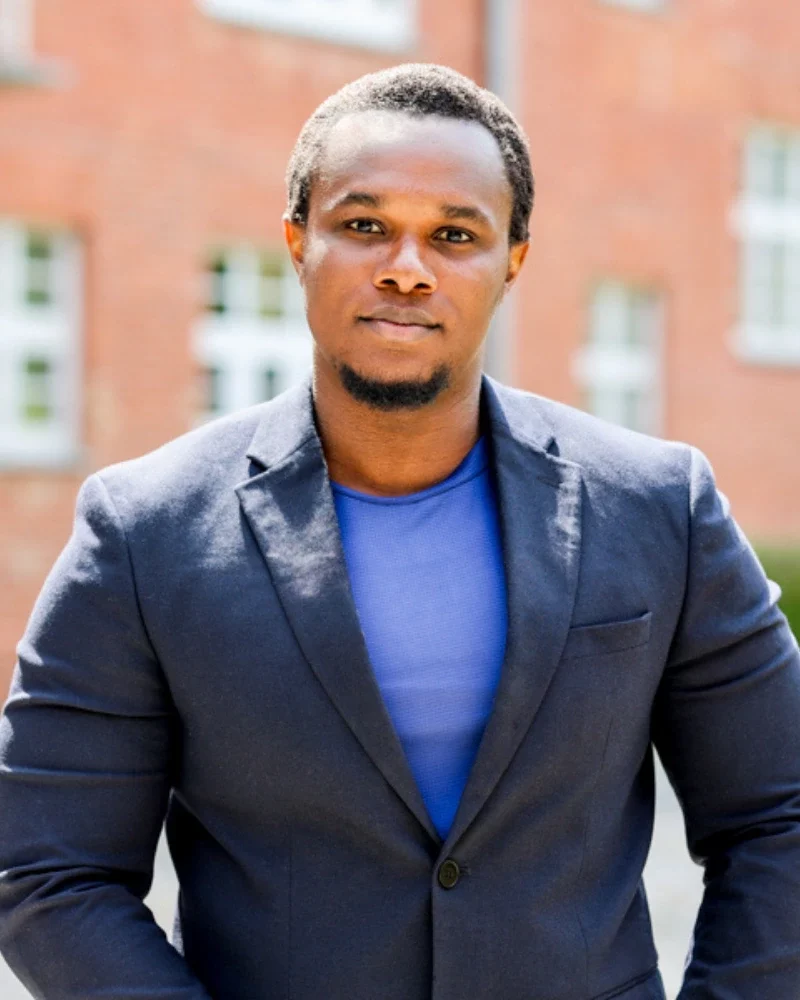
Dr. Ismail Gbadamosi
Ismail is a postdoctoral researcher studying the molecular and cellular mechanisms underlying neurodegenerative diseases, with a particular focus on TDP-43 proteinopathies and cellular energy metabolism. Originally from southwestern Nigeria, Ismail began his predoctoral training in Human Anatomy at the University of Ilorin (Nigeria), where he conducted research on nicotine addiction, phytomedicine, and neurotoxicity.
He later received the prestigious Ernst Mach Fellowship, which enabled him to pursue research at the Medical University of Vienna (Austria), where he investigated cellular kinase activity and its role in surface receptor expression. In 2020, he joined the TREND laboratory, where he uses advanced molecular biology techniques to explore the role of TDP-43 in cellular energy homeostasis in various models of ALS (amyotrophic lateral sclerosis) and FTLD (frontotemporal lobar degeneration).
Ismail is the author of numerous scientific publications, an ambassador of the International Society for Neurochemistry, and an editor for the Journal of Neurochemistry.
Beyond his scientific work, Ismail is a passionate advocate for physical and mental well-being. As an enthusiastic runner and beginner cyclist, he eagerly participates in outdoor activities, embodying resilience and a drive for excellence in all aspects of life.
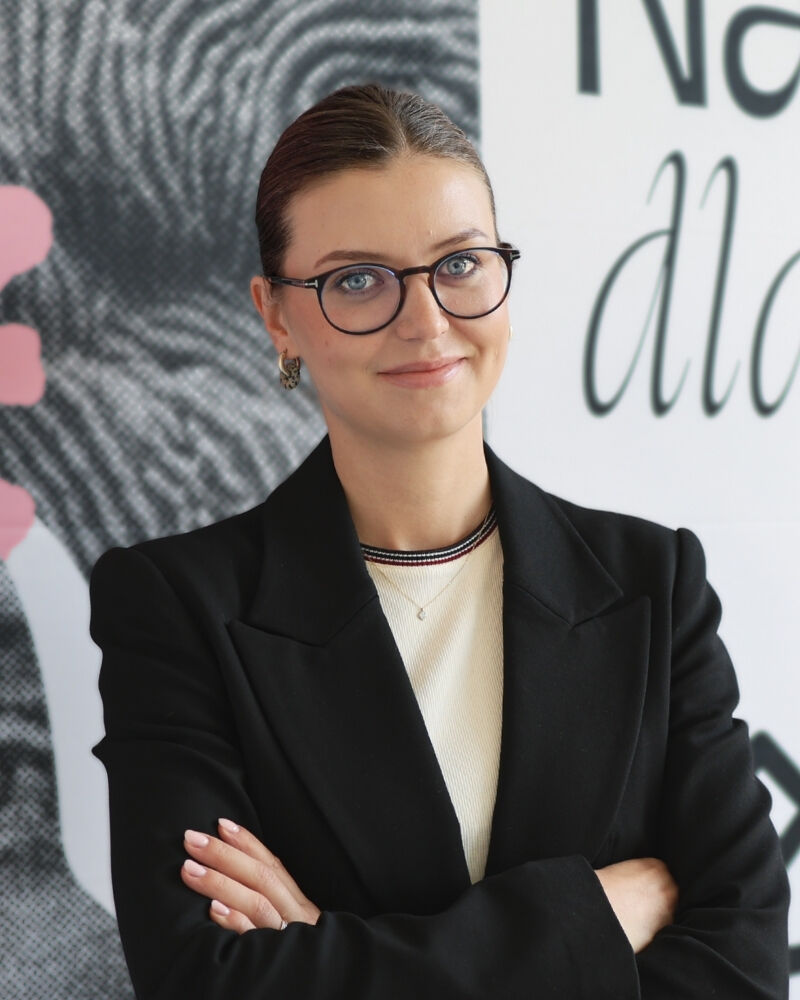
Dr. Justyna Bącela
Justyna is a senior specialist – research engineer (postdoc) in the TREND Laboratory. She holds a PhD in engineering and technical sciences in the field of mechanical engineering and is a biomedical engineer specializing in biomechanics. She completed her studies at Wrocław University of Science and Technology and at the University of Deusto in Bilbao, Spain. In her doctoral work, she focused on developing thin protective coatings for orthodontic arches using the sol–gel method.
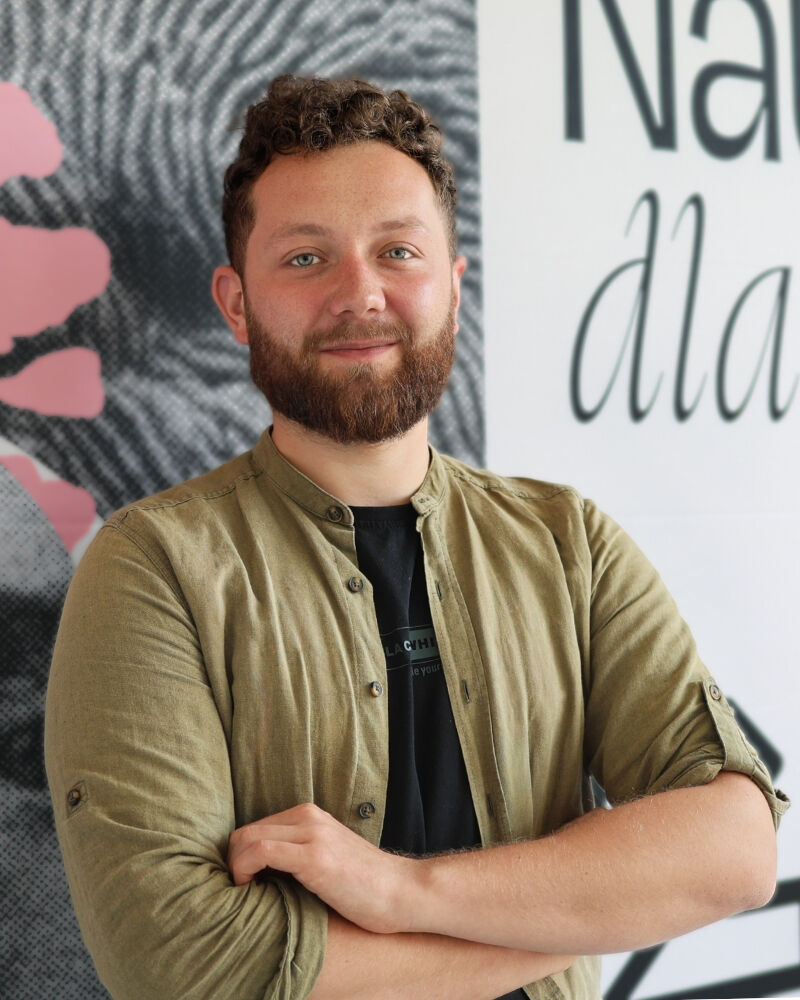
Dr. Mateusz Dróżdż
Mateusz is a postdoctoral researcher in the Translational Neuropsychiatry Research Group at the Łukasiewicz Research Network – PORT Polish Center for Technology Development. His research focuses on the role of lipid metabolism in the intergenerational transmission of traumatic experiences. After completing a Fulbright fellowship at the University of Texas Southwestern Medical Center (United States), Mateusz earned his PhD at the Free University of Berlin (Germany), where he investigated the role of alternative splicing during immune system activation.
After returning to Poland, he joined the research group led by PhD Ali Jawaid, bringing his expertise in RNA biology and contributing to elucidating the role of microRNAs as vectors of epigenetic inheritance. He is the author of numerous scientific publications and is actively involved in the Polonium Foundation, which supports Polish professionals living abroad. Outside of science, Mateusz is passionate about traveling and exploring the cultures and cuisines of the countries he visits.
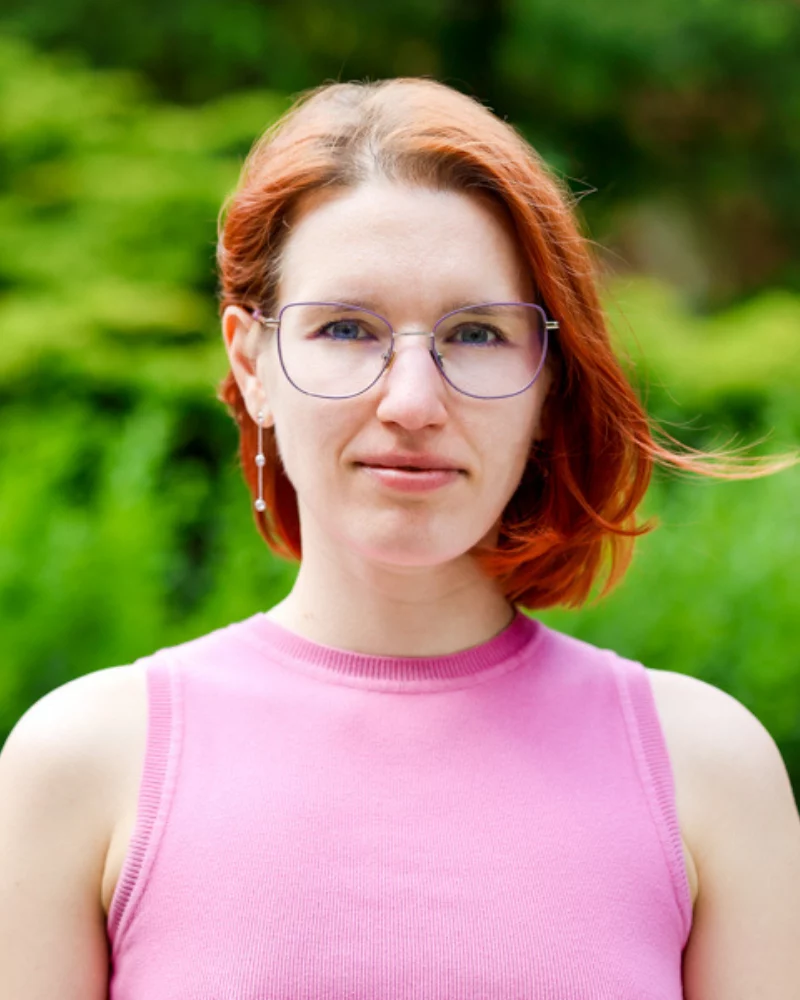
Magdalena Gomółka
Magdalena is a PhD candidate in the final phase of her studies in the TREND laboratory. In 2017, she obtained her master’s degree in genetics and experimental biology from the University of Wrocław. She then moved to Warsaw, where she spent two years working on the Artificial Pancreas Project at the Foundation for Research and Science Development (FBiRN). It was during this time that she discovered her passion for academic neurobiology.
Magdalena leads a demanding doctoral project aimed at investigating the role of microRNAs and lipid mediators in the intergenerational transmission of the consequences of childhood trauma. She has made significant contributions to the ethical and effective use of animal models in neuropsychiatric research and is currently the primary driving force behind the laboratory’s in vivo studies.
Outside of her scientific work, Magdalena is a left-handed violinist and an enthusiast of gravel-bike ultramarathons. She is a strong advocate for equality and mental well-being in science and openly shares her experience of living with multiple sclerosis, inspiring both her peers and the students she mentors.
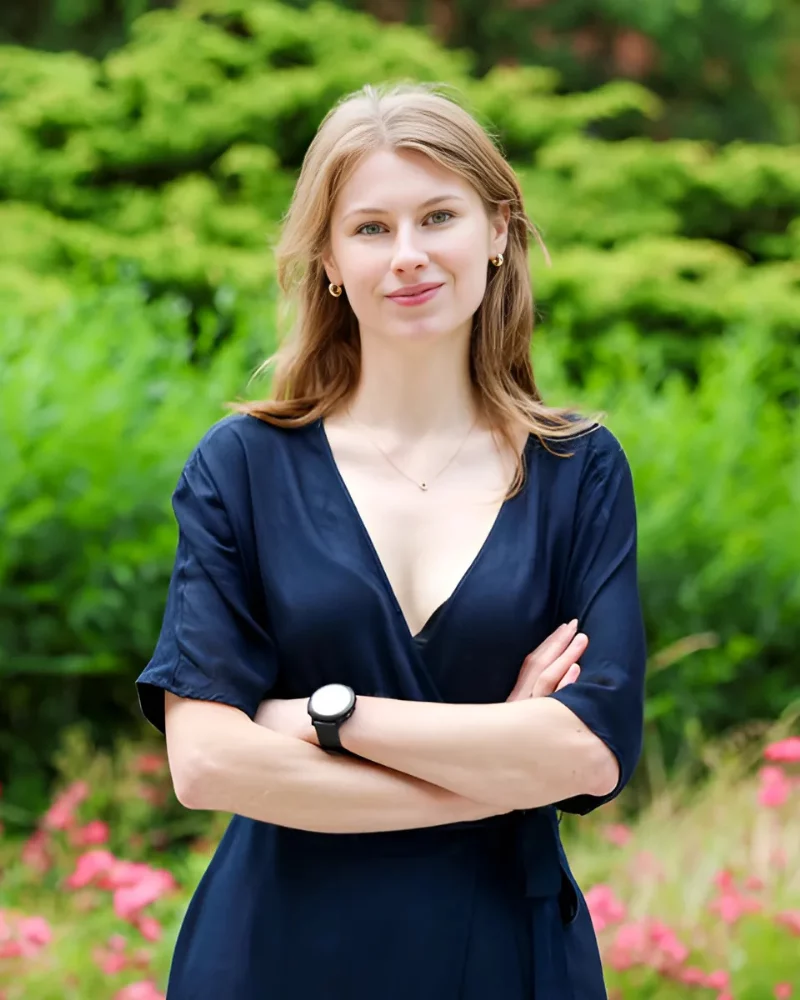
Weronika Tomaszewska
Weronika is a PhD candidate in the final phase of her studies in the TREND laboratory, where she investigates the mechanisms underlying vulnerability to childhood traumatic experiences, with a particular focus on the role of microglia. She completed her master’s degree in medical biotechnology at the Poznań University of Medical Sciences, where she prepared her thesis on the role of piRNAs in infertility.
She continued her scientific path during an internship at the Genome Screening Laboratory at the University of Trento (Italy), where she worked with induced pluripotent stem cells (iPSCs) in the context of ALS research. In October 2021, she began her doctoral studies in the TREND laboratory, where she now examines the molecular aspects of childhood trauma using stem-cell–based models, including iMicroglia and cortical organoids.
Outside of her scientific work, Weronika is passionate about cooking—she loves experimenting with new recipes and hosting friends. Cycling is both a form of physical activity and a way for her to explore the world. She is an avid traveler and enjoys discovering new cultures. During her stay abroad, she began learning Italian and continues to develop her language skills.
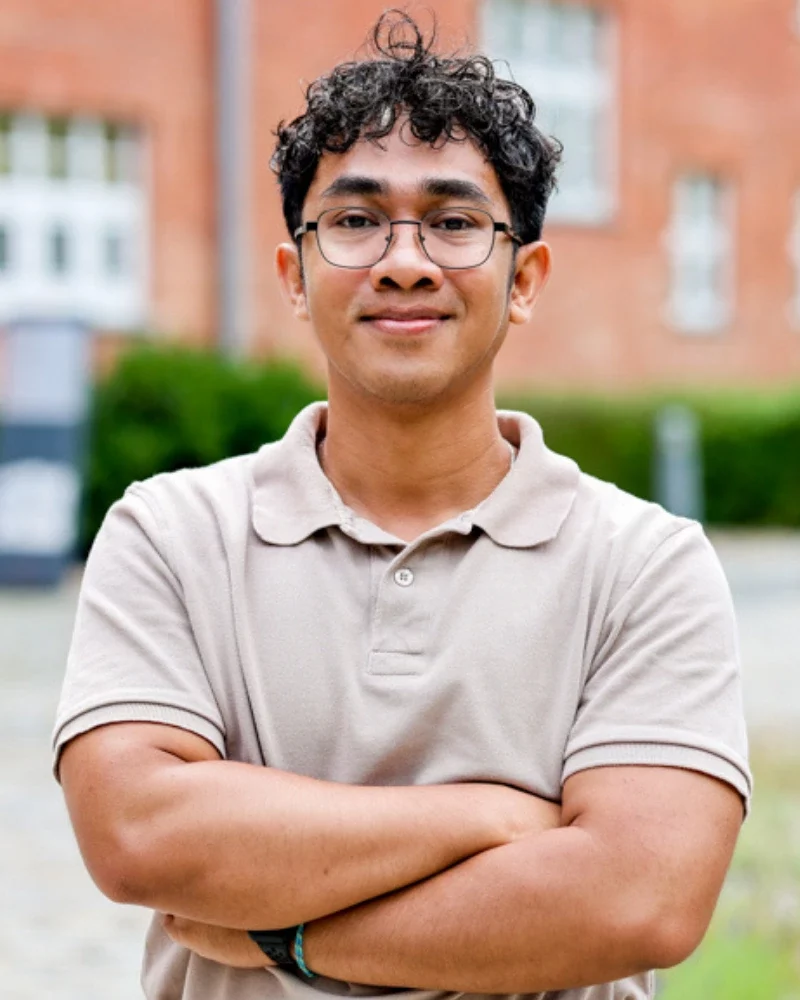
Taufik Hidayat
Taufik is a Research Line Leader in the TREND laboratory. He comes from the picturesque island of Lombok in Indonesia. He completed his master’s degree at the Warsaw University of Life Sciences (SGGW) and joined the TREND laboratory in 2023 as a laboratory technician. Thanks to his enthusiasm and exceptional efficiency, he quickly developed the skills that enabled him to take on the role of scientific lead. In this position, Taufik is responsible for training new staff, managing purchases and maintenance of equipment and laboratory reagents, and ensuring quality in the laboratory’s daily operations.
Beyond his administrative responsibilities, he actively conducts molecular biology experiments, gaining specialized expertise in RNA biology and microglia. He also mentors young interns and students, sharing his knowledge and skills. Outside of work, Taufik loves cooking delicious Indonesian dishes, playing volleyball and badminton, and practicing photography. As the laboratory’s official photographer, he also creates engaging and dynamic animations that support the educational initiatives led by PhD Ali Jawaid.

Marika Hildebrand–Jurczyk
Marika is the Administrative Manager of the TREND laboratory and serves as the primary liaison between the lab and the institute’s administration. She is the go-to person for everything from fixing the office heating system to finalizing long-term purchasing plans and organizing business trips and conferences.
Originally from Piła, Poland, Marika has a background in graphic design and is currently pursuing executive-level management studies. She also has experience in the fashion industry, and her excellent sense of aesthetics is reflected in the décor of the TREND laboratory, which radiates warmth, comfort, and vibrant colors.
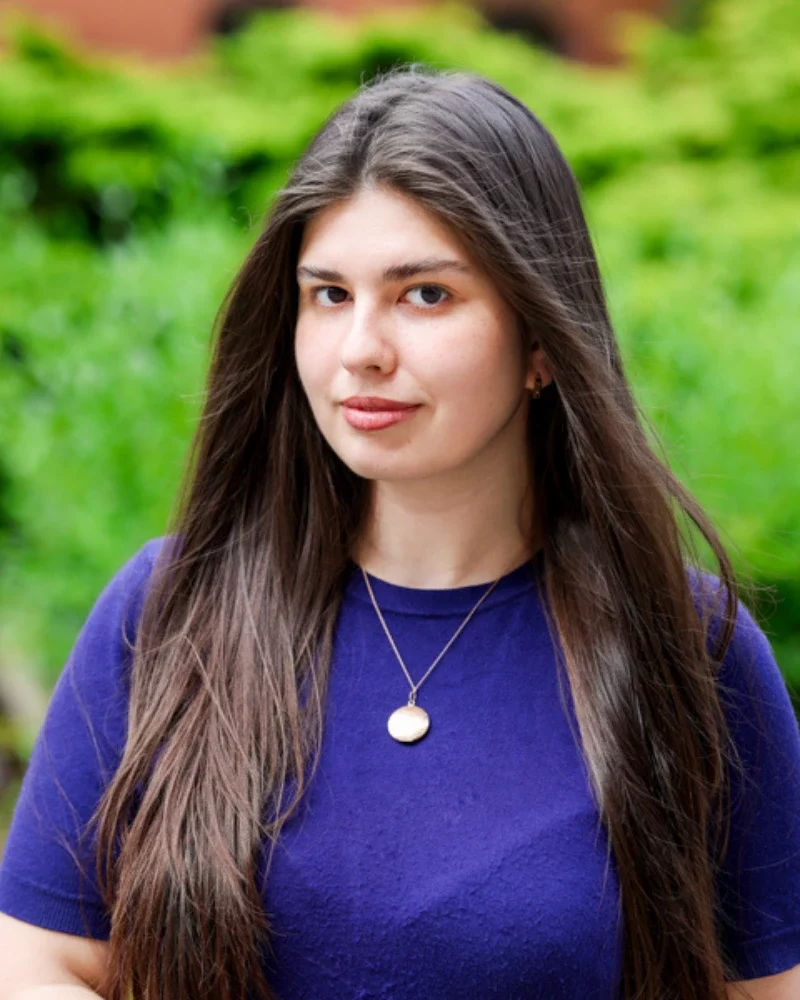
Regina Nadalińska
Regina joined the TREND laboratory as an intern in June 2024 and now works as a laboratory technician. She completed her bachelor’s degree in genetics and experimental biology at the University of Wrocław. She has always been fascinated by psychology and neurobiology, and she is currently particularly interested in microRNAs. Outside the laboratory, Regina is passionate about learning foreign languages and exploring different cultures through their languages.
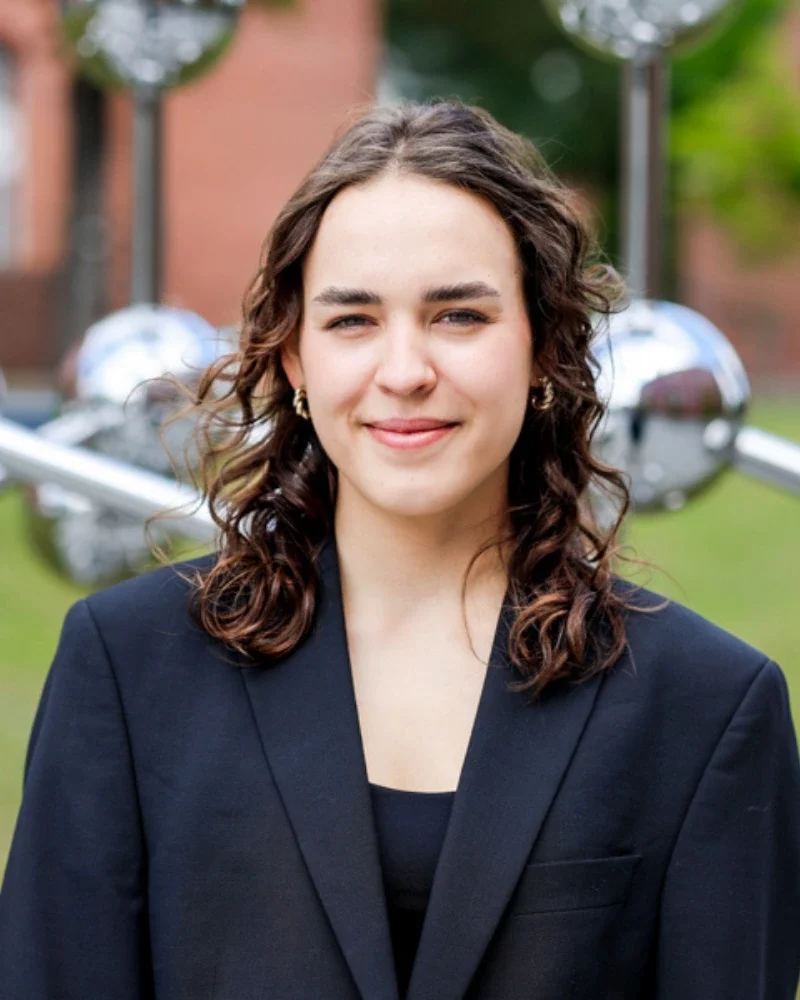
Agata Małoburska
Agata is a master’s student in Neurobiology at the Jagiellonian University. She earned her bachelor’s degree at the University of Wrocław, specializing in microbiology. Although the world of bacteria was fascinating, neurobiology and psychology have been her true passions since her teenage years.
Her interest in molecular biology emerged from a fascination with how small molecules such as microRNAs can influence the functioning of the entire organism by shaping behavior. In her free time, Agata enjoys traveling, sports, cooking, and combining a healthy lifestyle with her love of chocolate.