Therapeutic Microbiomics Research Group
The gut microbiome is a complex community of microorganisms that significantly influences the health and disease status of its host. Increasing evidence shows that this microbial community affects both acute and chronic conditions and has a profound impact on overall population well-being.
From antibiotic resistance to chronic intestinal inflammation, the gut microbiome offers an excellent field for discovering new interactions that can serve as the basis for innovative therapeutic approaches. In our group, we aim to understand the protective functions of the microbiota by identifying and manipulating its mechanisms, transforming this knowledge into breakthrough biotherapies that can substantially improve patients’ quality of life.
We combine classical microbiology and molecular biology techniques with innovative synthetic biology strategies and multi-omics approaches to better understand the functional aspects of microbiota and pathogens – from computational analyses and laboratory experiments to animal model studies – in order to uncover the true scope of these functional modifications.
Group Members
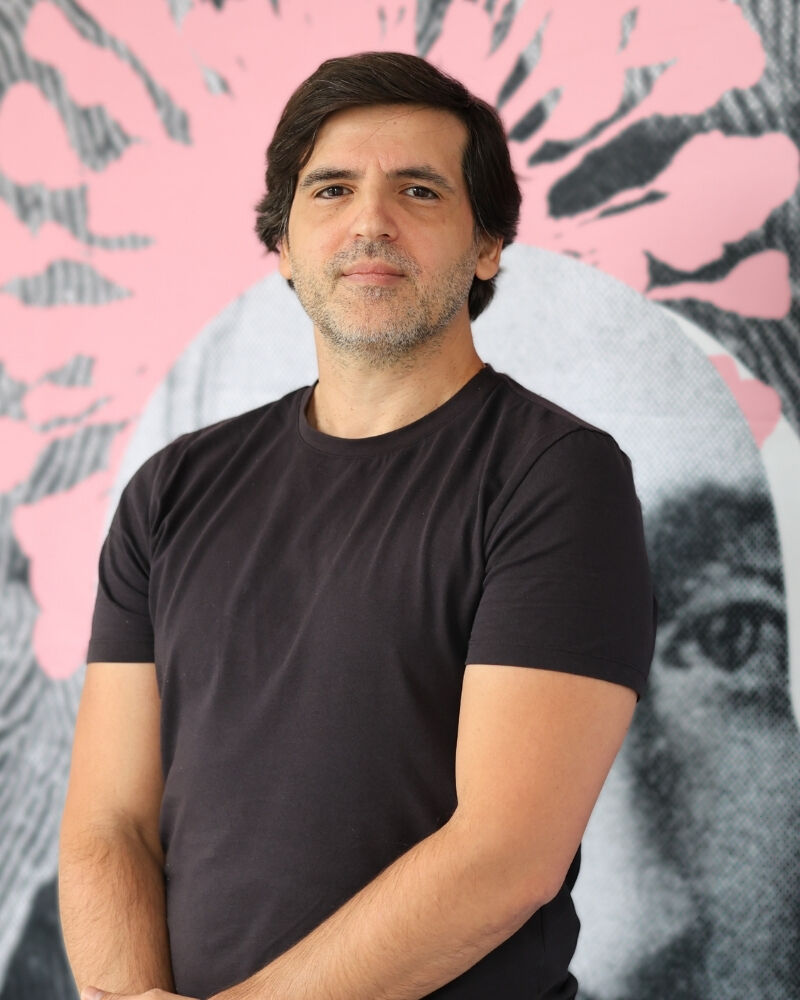
Dr. Vitor Cabral
Vitor is a microbiologist specializing in the gut microbiome and its therapeutic potential. His research focuses on developing novel probiotic-based therapies aimed at reducing inflammation and dysbiosis, as well as strategies to limit the spread of antibiotic resistance.
At the Therapeutic Microbiomics Research Group, his team studies both individual microorganisms and microbial communities (biofilms) to identify features that drive either pathogenicity or protective functions. Their goal is to develop innovative prognostic and diagnostic assays, as well as next-generation therapeutic approaches. By integrating fundamental and translational research with machine learning models, the lab aims to advance the development of microbiome-based therapeutics.
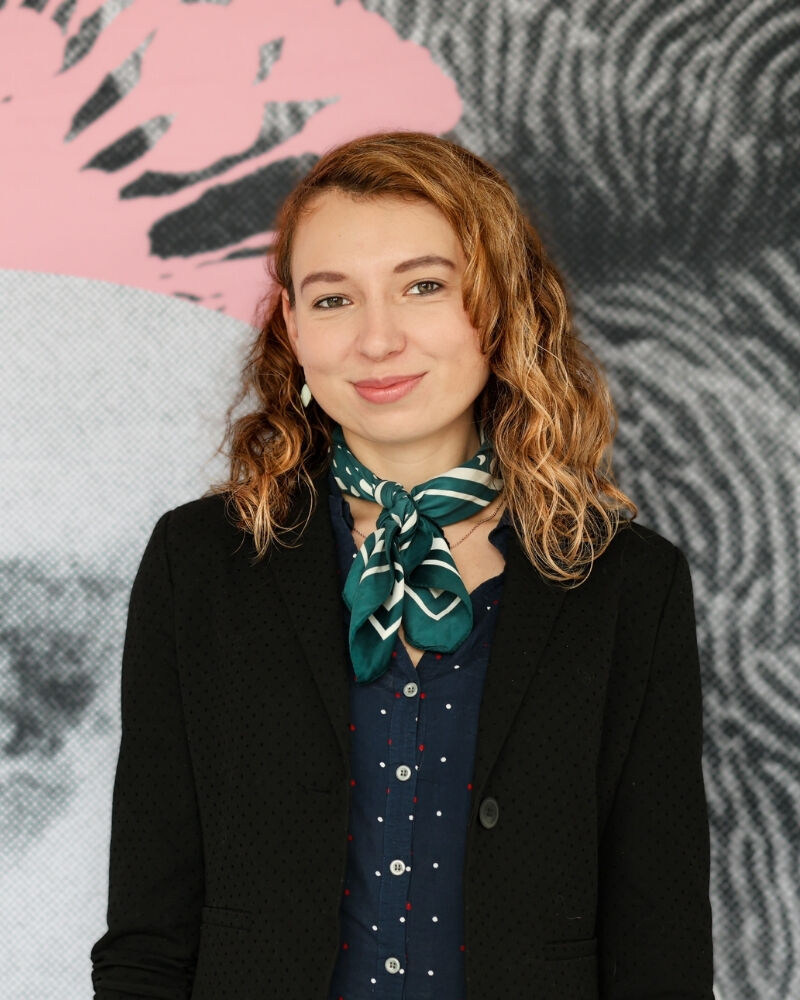
Dr. Paula Czyszczoń
Paula obtained her PhD in exact and natural sciences, specializing in immunochemistry, at the Ludwik Hirszfeld Institute of Immunology and Experimental Therapy of the Polish Academy of Sciences in Wrocław. Her doctoral research focused on bacterial outer membrane vesicles (OMVs) isolated from Yersinia enterocolitica O:3 and their interactions with the human complement system.
During her PhD studies, she investigated surface carbohydrate antigens of bacteria and OMVs using spectroscopic methods and mass spectrometry, analyzing their role in the activation of the innate immune response and their potential involvement in the development of sepsis, including studies conducted in in vivo models. A key aspect of her research involved the optimization of OMV preparation protocols and their subsequent analysis using physicochemical techniques, including flow cytometry.
She completed numerous research internships in scientific institutions and diagnostic laboratories (holding an MSc degree in Microbiology), including a six-month research stay at the Faculty of Biology of the University of Barcelona, where she specialized in molecular biology analyses, as well as a several-month internship at the University of Iceland in Húsavík.
Currently, she works as a postdoctoral researcher in the Therapeutic Microbiomics Research Group, where she investigates interactions between microorganisms of the human microbiota and the host, as well as the protective mechanisms and pathogenic traits of these microorganisms. In her research, she employs next-generation sequencing (NGS) techniques and phenotypic methods, continuing to develop her scientific interests in the field of microbiology.
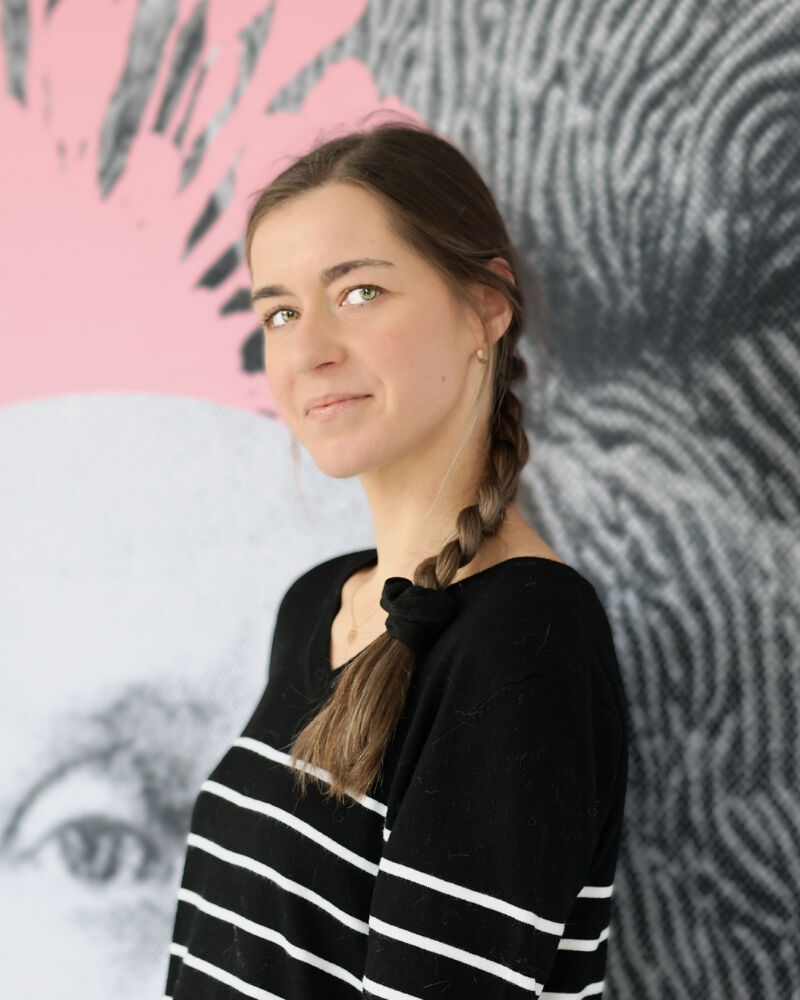
Kinga Hupało
Kinga completed her life science studies at the University of Wrocław. While working on her master’s project, she gained practical skills at the intersection of molecular biology, genetic engineering, and medical biotechnology. She acquired her first professional experience as a laboratory technician in the Department of Toxicology at Wrocław Medical University. During this time, she also completed postgraduate studies in molecular biology at Jagiellonian University in Kraków, expanding her expertise in clinical research.
She joined the Therapeutic Microbiomics Research Group as a Lab Manager and is currently working closely with the team to establish the laboratory from the ground up. Her day-to-day responsibilities include budget planning, procurement of laboratory reagents and equipment, as well as ensuring compliance with regulatory and technical requirements necessary to commence laboratory activities, including work involving genetically modified microorganisms (GMMs) and genetically modified organisms (GMOs). In the long term, she will also support the team in the implementation of research and development projects.