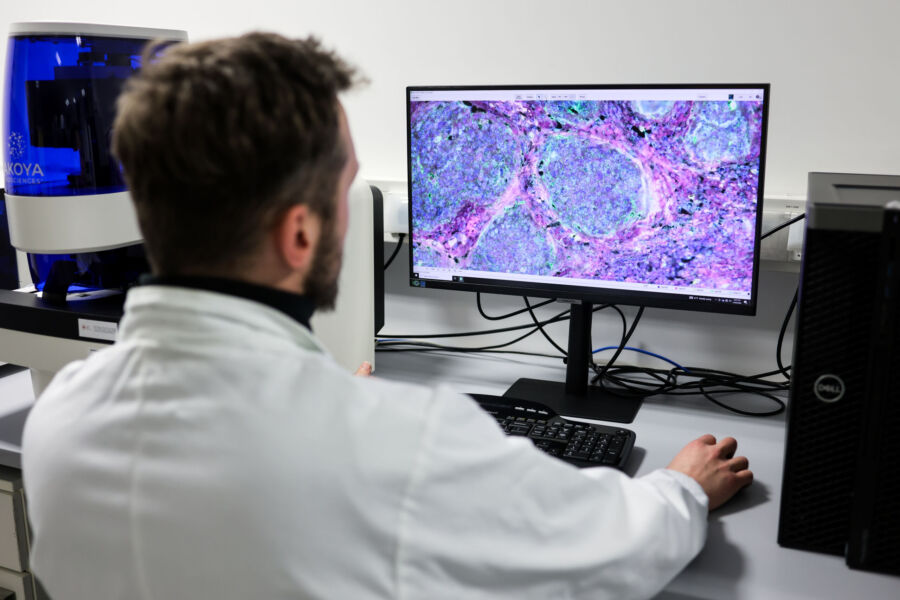
The advancement of precision medicine is transforming the approach to diagnosis and treatment. Modern therapies require advanced molecular analysis, a thorough understanding of disease mechanisms, and access to high-quality biological material. Therefore, the effective implementation of innovative treatment methods relies on close collaboration between research laboratories, scientists, and hospitals.
Collaboration with hospitals is one of the key areas of activity at Łukasiewicz – PORT. An integrated model that brings together basic, translational, and clinical research within a single ecosystem enables the validation of laboratory hypotheses in a clinical context, supports the development of applied projects, and facilitates studies with direct potential to improve treatment outcomes and patients’ quality of life.
Partnership and Mutual Benefits
Partnership with the institute enables hospitals to become active participants in the development and implementation of medical innovations. Clinical centers gain access to advanced experimental facilities, specialized expertise, and research infrastructure, along with support in identifying clinical applications. In turn, for research institutes, this collaboration provides an opportunity to focus on key clinical challenges and to carry out projects with strong translational potential.
From a scientific perspective, access to patient-derived biological material is essential. Research conducted on clinical samples makes it possible to capture the true complexity of diseases – including cancer, neurodegenerative, and metabolic disorders –representing a fundamental advantage over experimental models. In the context of precision medicine, which is based on an individual patient’s molecular profile, such collaboration is a critical driver of both scientific and clinical progress.
“ We are building an environment in which scientists and clinicians jointly define and address research challenges,” says Dr. hab. Joanna Cybińska, Director of R&D at Łukasiewicz – PORT. “In this way, we can shorten the path from discovery to implementation and make a tangible impact on the quality of care.”
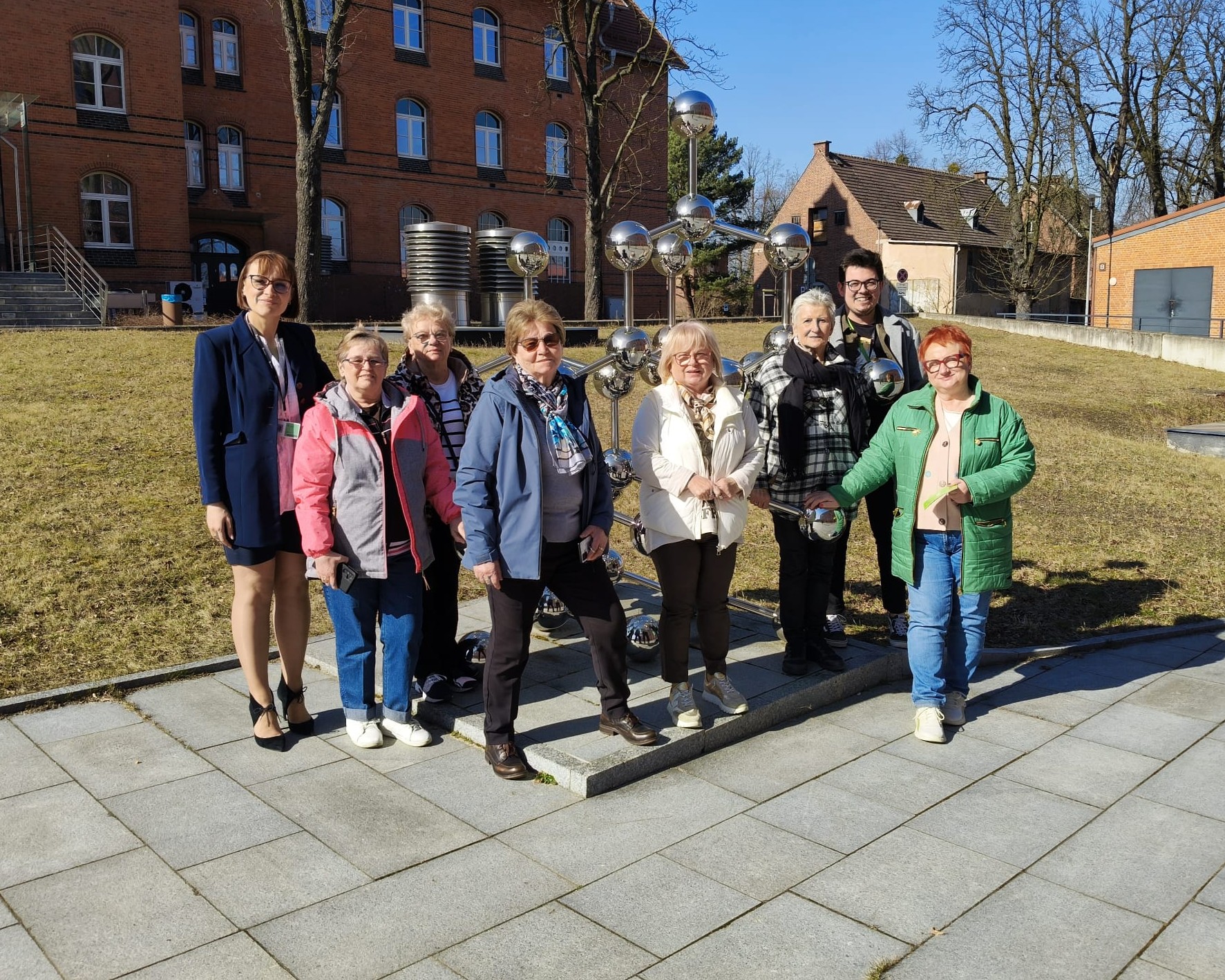
An Institute with a Broad Range of Expertise
Łukasiewicz – PORT operates at the intersection of multiple disciplines, including bioengineering, biotechnology, and bioinformatics. The institute conducts research on the role of the microenvironment in cancer progression, investigates mechanisms of neurodegeneration and neuropsychiatric disorders, and studies metabolic regulation, the significance of the microbiome, and mechanisms underlying the modulation of infectious diseases.
This diversity is systemic rather than incidental. Cancer is not merely a problem of a single cell, but the result of complex interactions within the tumor microenvironment, including the immune system, as well as the influence of hormones and the nervous system. Similarly, neurodegenerative diseases cannot be reduced to the dysfunction of a single protein but instead arise from multi-layered disruptions involving metabolic, epigenetic, and environmental processes. In response to this complexity, the institute is developing capabilities that span multiple levels of biological organization – from molecular, through cellular and tissue, to the level of the whole organism.
“Understanding disease requires a multidimensional perspective,” emphasizes Dr. hab. Patrycja Gazińska, Director of the Population Diagnostics Center and leader of the Biobank Research Group at Łukasiewicz – PORT. “We integrate molecular, imaging, and clinical data to obtain a comprehensive picture of pathological processes. A key prerequisite for this approach is access to patient-derived biological material. Without close collaboration with hospitals and patient groups, progress in translational research remains significantly limited.”
The Materials Science and Engineering Center also plays a role in this ecosystem, developing functional materials and specialized instrumentation solutions that support biomedical research. The expertise of chemists, physicists, and engineers contributes, among other things, to advances in imaging technologies and sample analysis. One example is the QuPIX project, carried out under the EIC Pathfinder program – led by Muhammad Danang Birowosuto, whose team is developing a next-generation scanner that could enhance digital histopathology and biomedical data analysis in translational research projects.
Research Biobank and P4Health – Infrastructure for Clinical Research
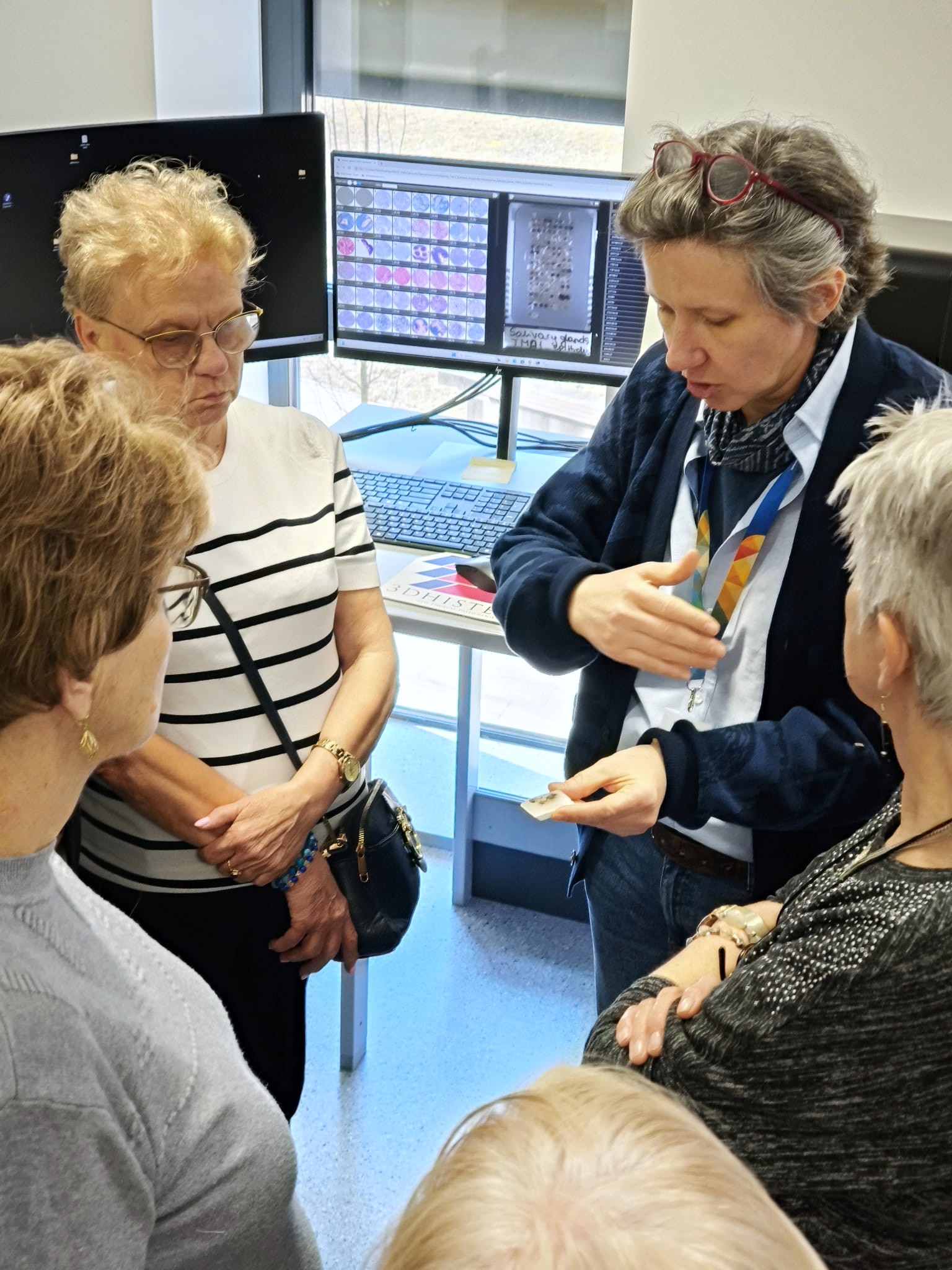
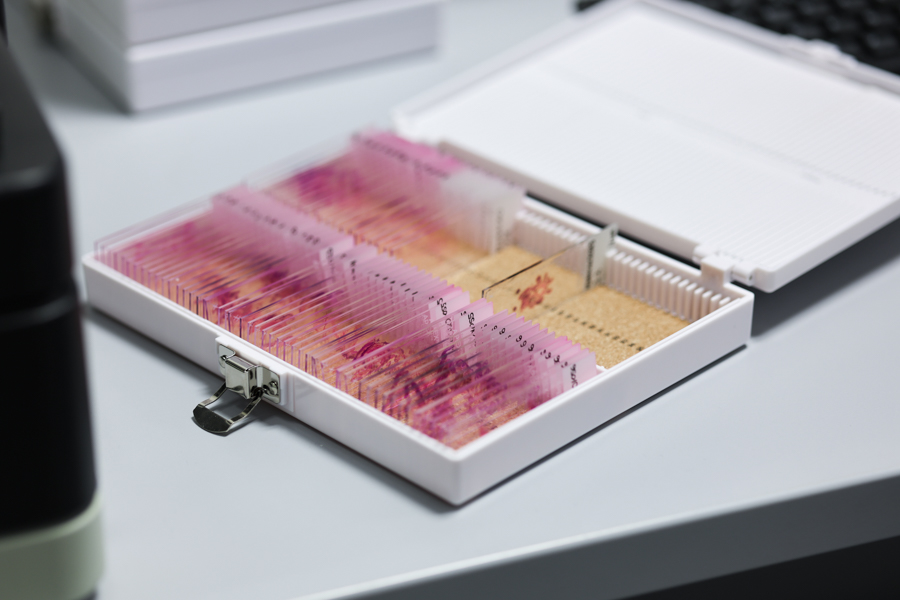
A central component of the entire ecosystem is the biobank being developed within the Population Diagnostics Center, which enables the collection, storage, and analysis of biological material in compliance with the highest European standards. It is an infrastructure that combines scientific rigor with top-tier ethical and legal frameworks. Each sample is not merely research material, but part of a broader data system that can support the development of future diagnostic and therapeutic tools.
The development of biobanking is also part of a broader initiative – the P4Health Center of Excellence, implemented under the Horizon Europe program. The project strengthens the institute’s capabilities in precise phenotyping and 4P medicine – predictive, preventive, personalized, and participatory.
Artificial Intelligence and Digital Pathology
“Unique technologies developed within the Biobank Research Group provide comprehensive support for spatial and digital pathology, opening up opportunities for ambitious research projects,” says Dr. hab. Patrycja Gazińska. The research group she leads is involved in the European initiative EUCAIM, focusing on the development of AI-based methods for analyzing medical images in oncology. In parallel, the group is carrying out projects funded by the Medical Research Agency, including initiatives aimed at establishing digital medicine centers that integrate clinical, genomic, and imaging data for research on non-communicable diseases, with a particular focus on oncology. The team is also a partner in one of the largest prehabilitation initiatives for cancer patients in Europe – RESET – which focuses on optimizing therapeutic processes and improving the quality and efficiency of care.
The team also conducts its own research projects in collaboration with national and international partners. An additional interdisciplinary dimension is provided through cooperation with the Materials Science and Engineering Center, which expands the scope of research to include material and technological components.

Collaboration with Hospitals
The model of collaboration with the clinical community developed at Łukasiewicz – PORT is both systemic and long-term in nature. The institute has already established agreements with hospitals across Lower Silesia and is currently in discussions with additional institutions. Each agreement is tailored to the specific needs of the partner – it may include joint applications for research projects, training in biobanking, and, above all, ongoing dialogue between research teams and clinicians. A leading role in this process is played by the Population Diagnostics Center, which serves as an integration platform for specialists as well as patient communities.
“Preclinical studies using in vitro and in vivo models do not fully capture the complexity of the human organism. If we aim to achieve real translational potential and identify reliable biomarkers, access to human material and collaboration with hospitals are absolutely essential,” adds Dr. hab. Marek Wagner, head of the Innate Immunity Research Group, who conducts research on new therapies for melanoma.
A similar perspective is shared by Dr. hab. Grzegorz Chodaczek, head of the Immunotherapy Research Group, who emphasizes that fields such as immunotherapy, neurobiology, and metabolism research require direct engagement with clinical practice: “We need access to the clinical setting and insight into the real challenges faced by patients and physicians. At the same time, clinics can benefit from our technological and analytical capabilities, as well as our ideas – sometimes offering alternative, out-of-the-box approaches to the problems at hand. It is a relationship based on mutual interdependence.”
In this model, the laboratory and the hospital no longer operate in separate spheres. They are connected by a bidirectional translational pathway – biological material and clinical questions move to the laboratory, while research findings return to medical practice as new diagnostic and therapeutic strategies.