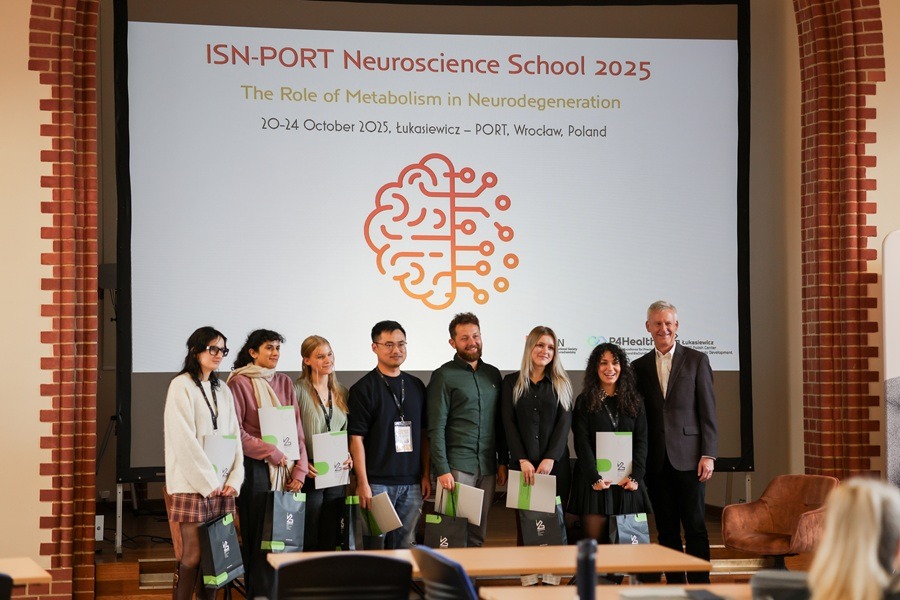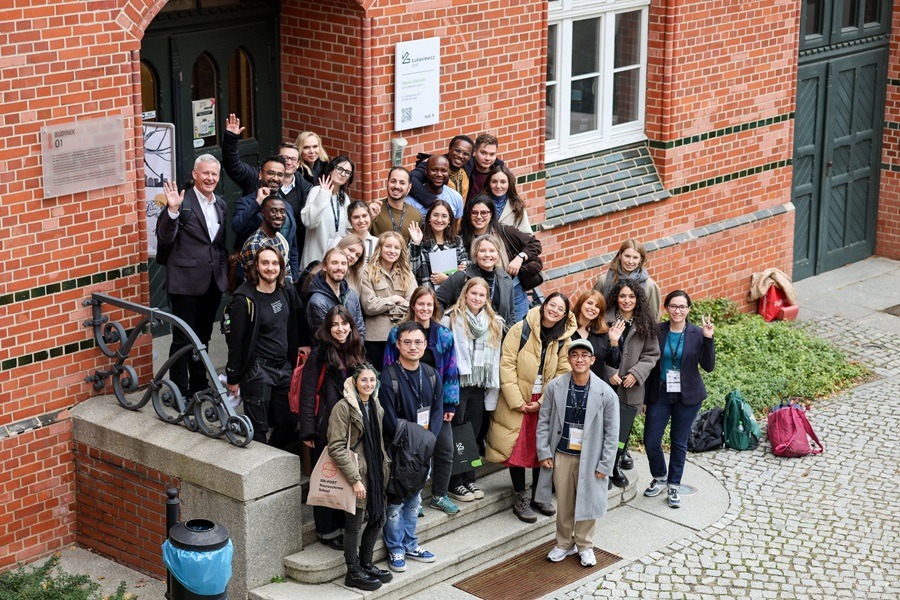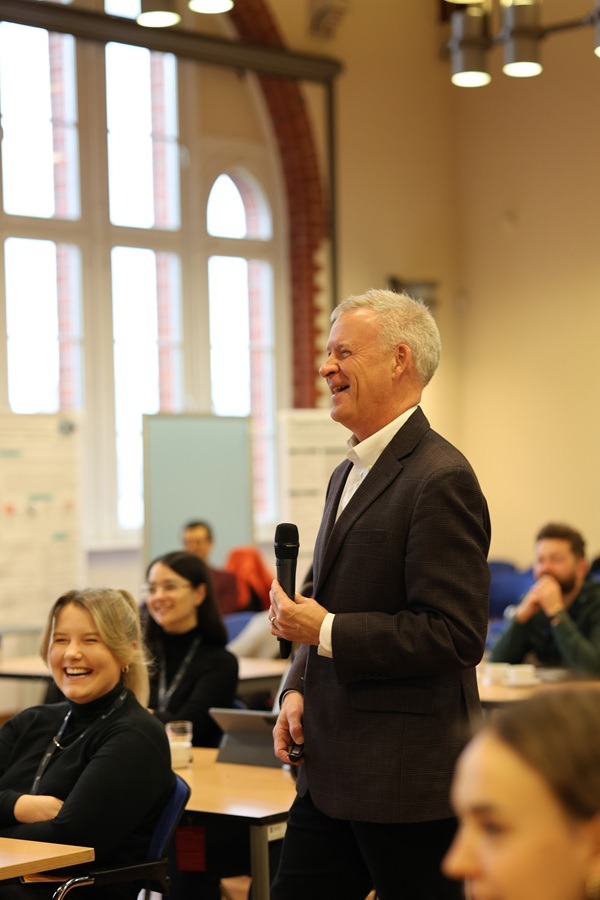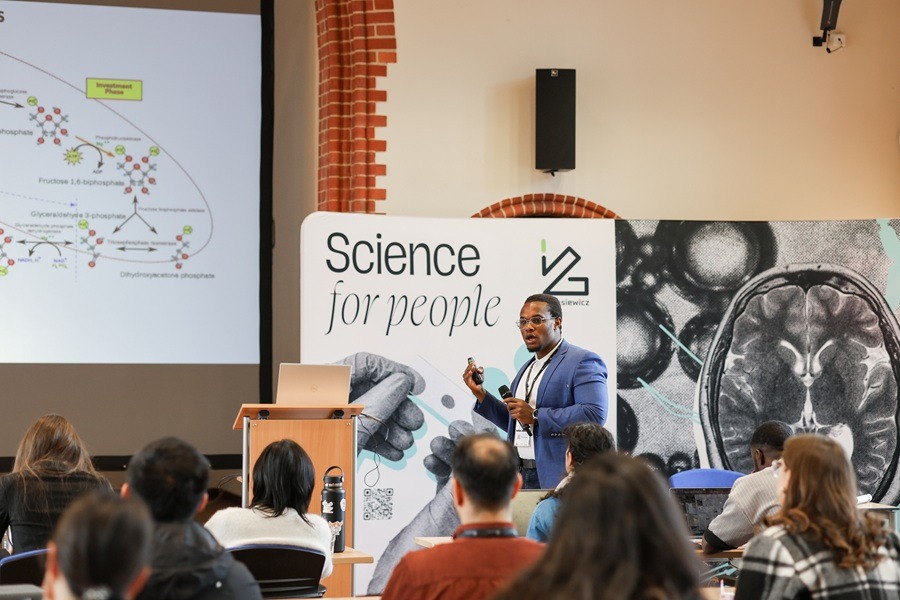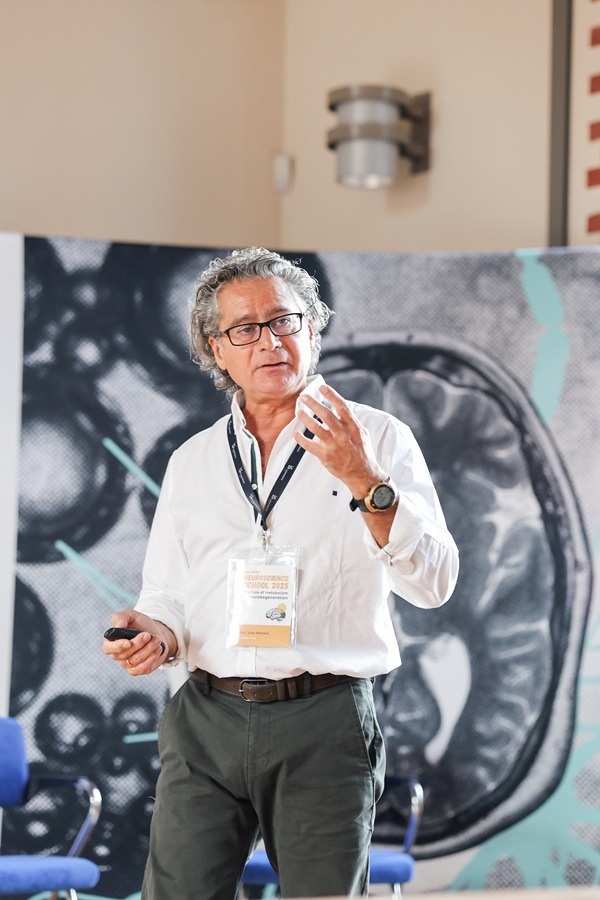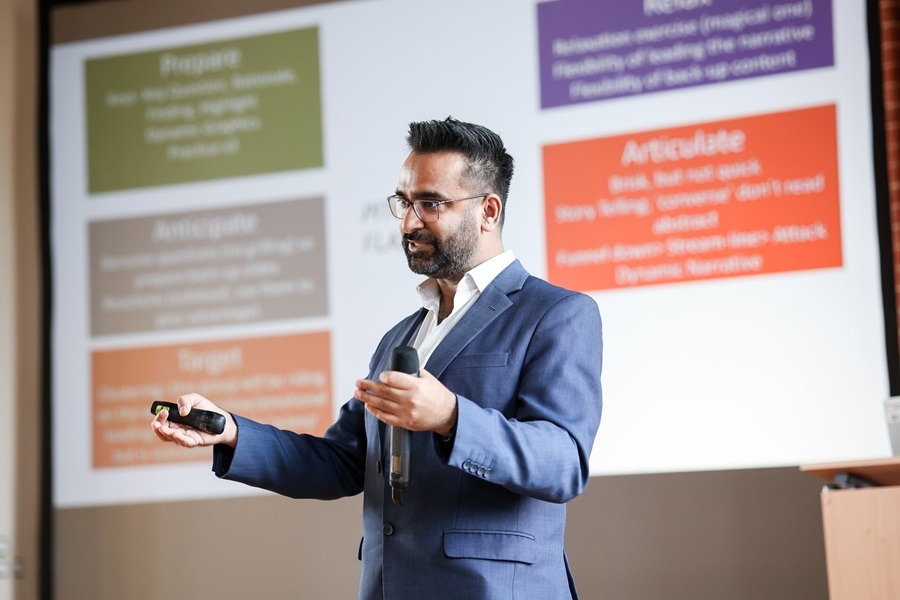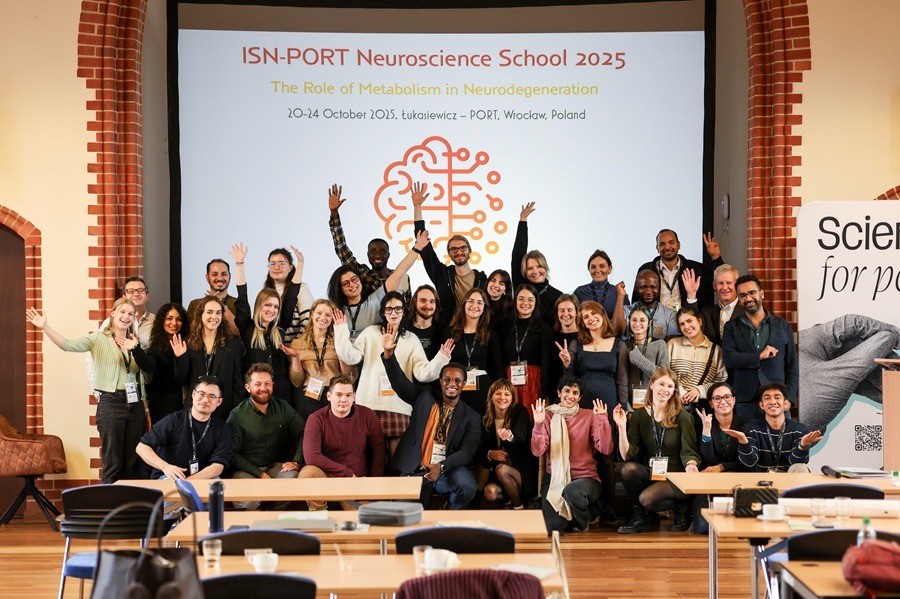
The first ISN–PORT Neuroscience School in Poland has just concluded at Łukasiewicz – PORT—an intensive week-long program dedicated to the role of metabolism in neurodegenerative diseases. The event, funded by the International Society for Neurochemistry (ISN), brought together 30 young scientists from across Europe, selected from more than 120 applications.
The initiator and main organizer of the school was Dr. Ismail Gbadamosi, a researcher in the Translational Neuropsychiatry Research Group (TREND Lab). The school was made possible through an ISN grant and the support of the team implementing the P4Health project. “The idea came from a desire to give something back to the community of young scientists. It is incredibly rewarding to see this vision come to life,” says Dr. Gbadamosi.
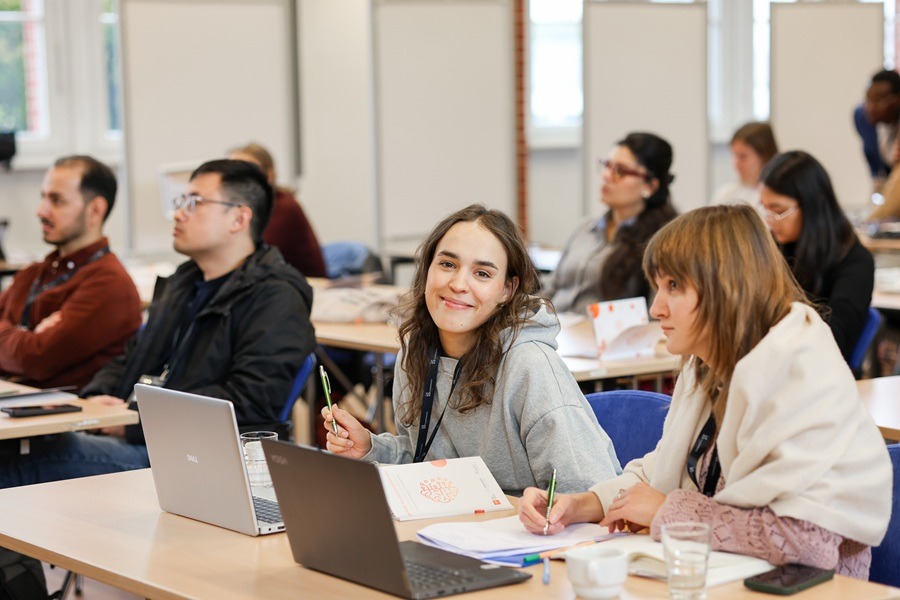
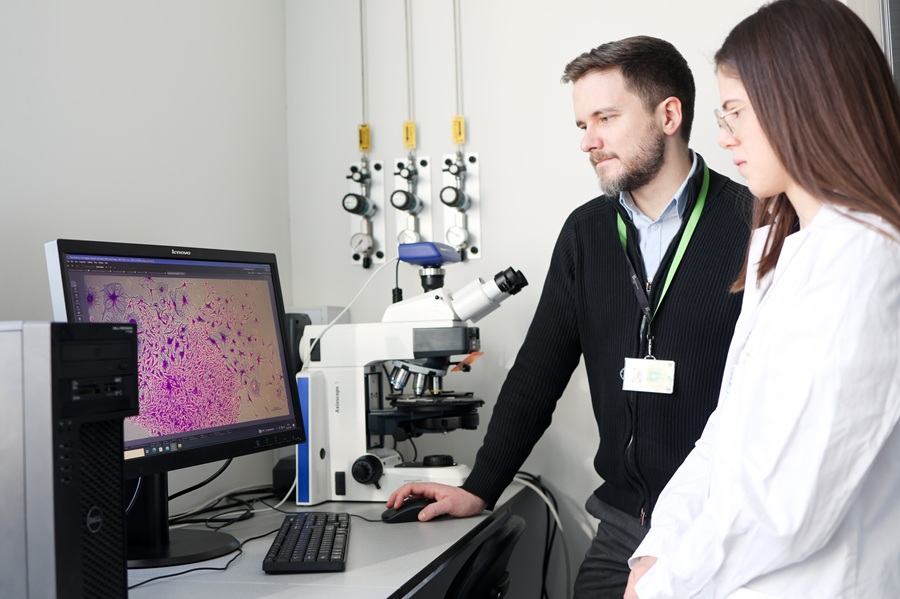
Under the theme The Role of Metabolism in Neurodegeneration, ISN–PORT Neuroscience School 2025 combined lectures, workshops, hands-on sessions, and mentoring meetings. Participants—doctoral candidates and early-career researchers—focused on the complex interactions between neuronal metabolism and neurodegenerative processes, while gaining experience with new research methods, experimental models, and analytical techniques. They also presented their own findings and received direct feedback from leading experts in neurobiology.
“It was an incredibly valuable week—an enormous dose of knowledge and inspiration,” recalls Daisy May Palmer from Swansea University School of Medicine in the United Kingdom, one of the participants.
The roster of speakers included distinguished experts from Europe and the United States. Highlights of the program were lectures by Prof. Paul E. Schulz of McGovern Medical School, UTHealth Houston—an acclaimed neuropsychiatrist and neurodegeneration researcher—and Prof. Juan Bolaños from the University of Salamanca, a global authority in neuroenergetics and mitochondrial biology. Other speakers included Dr. Ali Jawaid, Dr. Agnieszka Krzyżosiak, Dr. hab. Witold Konopka, Dr. Raluca Contu, Dr. Bartosz Wojtas, and Dr. Michał Ślęzak.
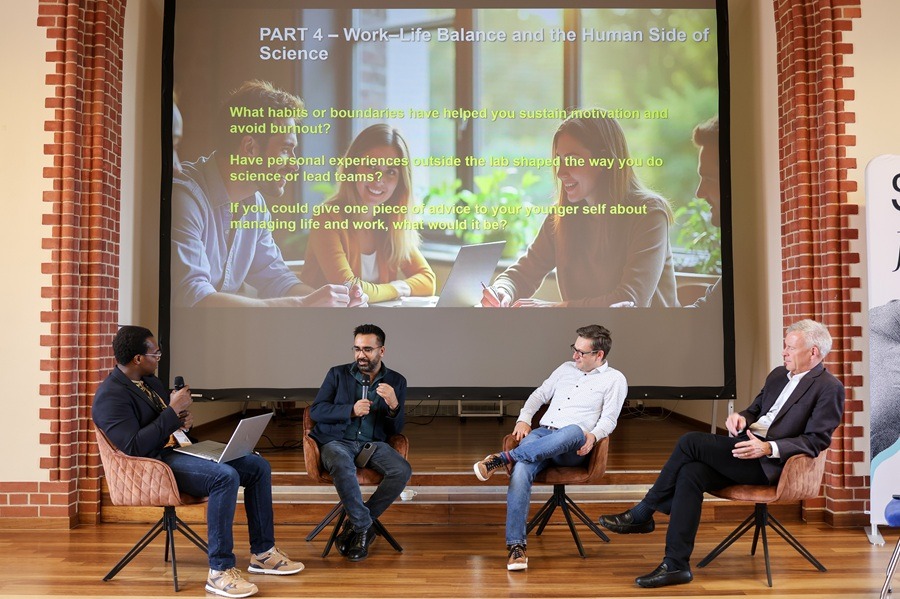
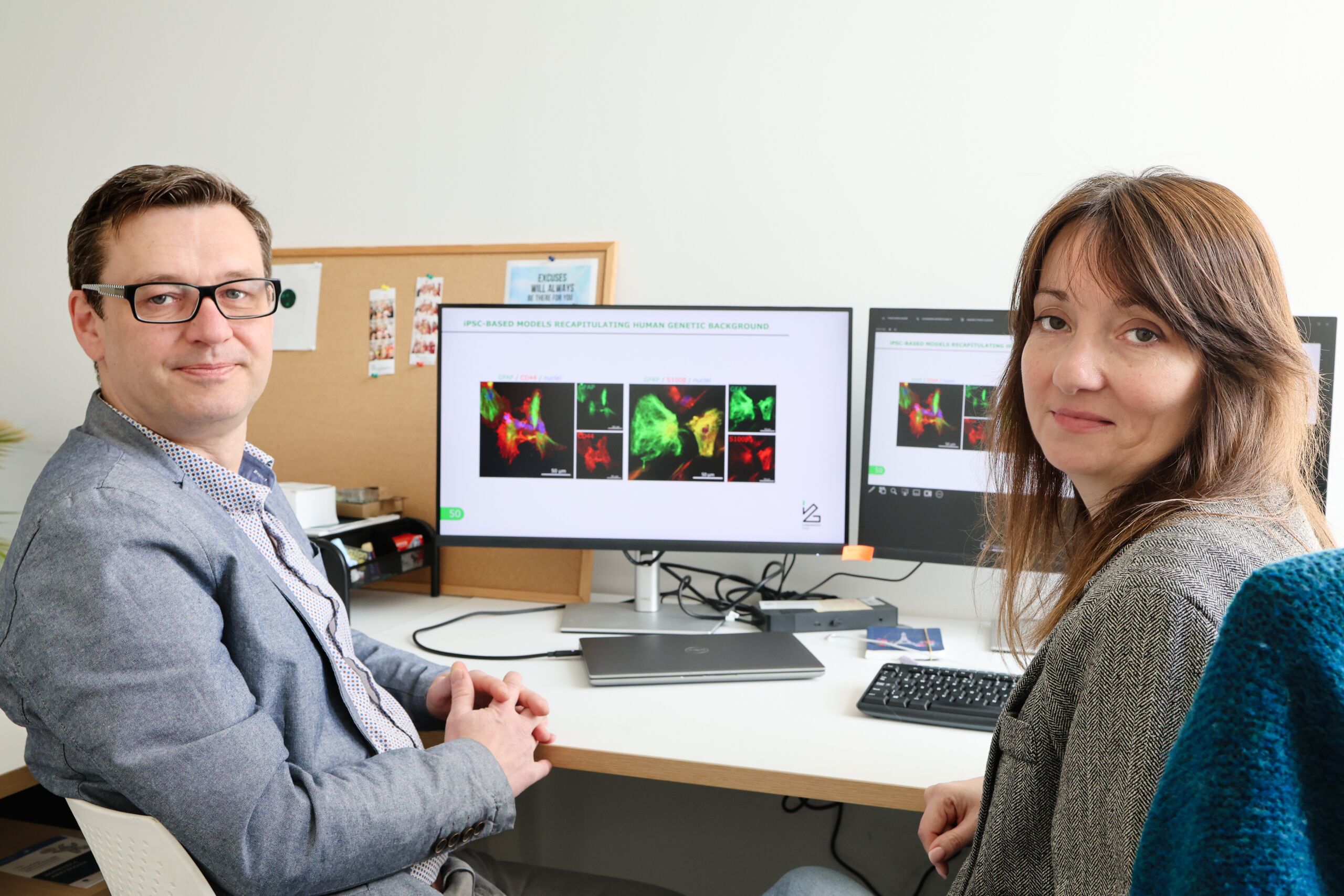
Beyond the scientific content, participants emphasized the importance of soft-skills development and opportunities for building international collaboration. Workshops on grant writing, public speaking, and data analysis were led by Dr. Ali Jawaid, head of the TREND Lab at Łukasiewicz – PORT, who believes the school’s success also reflects the maturation of a new generation of scientists:
“Nothing brings a researcher greater pride than seeing their trainees surpass them. The school became a vivid example of how peer-to-peer knowledge exchange and intergenerational mentorship can lead to groundbreaking research directions.”
Participants represented a wide range of fields—from neurochemistry and metabolomics to bioinformatics, cellular disease models, and tissue engineering. The new connections formed and the interdisciplinary ideas exchanged may pave the way for future research initiatives in neurodegeneration, metabolism, and translational medicine. “This is just the beginning—this group will grow into a community of researchers who will help shape the future of neurobiology in Europe,” emphasizes Dr. Gbadamosi.
Łukasiewicz – PORT plans to continue supporting young scientists and strengthening international collaboration. The success of the first ISN–PORT Neuroscience School confirms that Wrocław and Łukasiewicz – PORT are becoming important hubs on the European neurobiology landscape.