As part of our website, we use cookies to provide you with the highest level of service, including services tailored to your individual needs. By continuing to use the website without changing your cookie settings, you agree to the placement of cookies on your device as described in our Privacy Policy. You can change your cookie settings in your web browser at any time. Acceptance of essential cookies is required for the proper functioning of the website. For more detailed information, please refer to our PRIVACY POLICY.
Łukasiewicz – PORT is systematically strengthening its presence in venues where the directions of development of modern medicine, materials technologies, and technological innovation are discussed. The participation of institute representatives in key conferences and forums in Poland and abroad results from a consistently implemented strategy focused on the development of international partnerships, building networks of contacts, and engagement in initiatives co-creating the European Research Area.
The Independent P4Health Department – Center of Excellence for Precision Phenotyping and Biological Data Banking was separated from the institute’s structure to focus on the strategic P4Health project. Its goal is to create in Poland a center that sets standards for modern, translational biomedical research. At the beginning of December, the position of the Center’s Director is assumed by Prof. Bastian Hengerer, former Director of Neurodegeneration Research at Boehringer Ingelheim.
Dr. Maria Zdończyk and Dr. Piotr Kenis have defended their doctoral dissertations. Although they represent different disciplines, they share a common way of looking at the world: through the lens of matter and the tools that allow them to study it at scales invisible to the naked eye. And above all, a curiosity about what else can be created from it. They work together at the Materials Research Laboratory at Łukasiewicz – PORT, where they combine their interdisciplinary expertise.
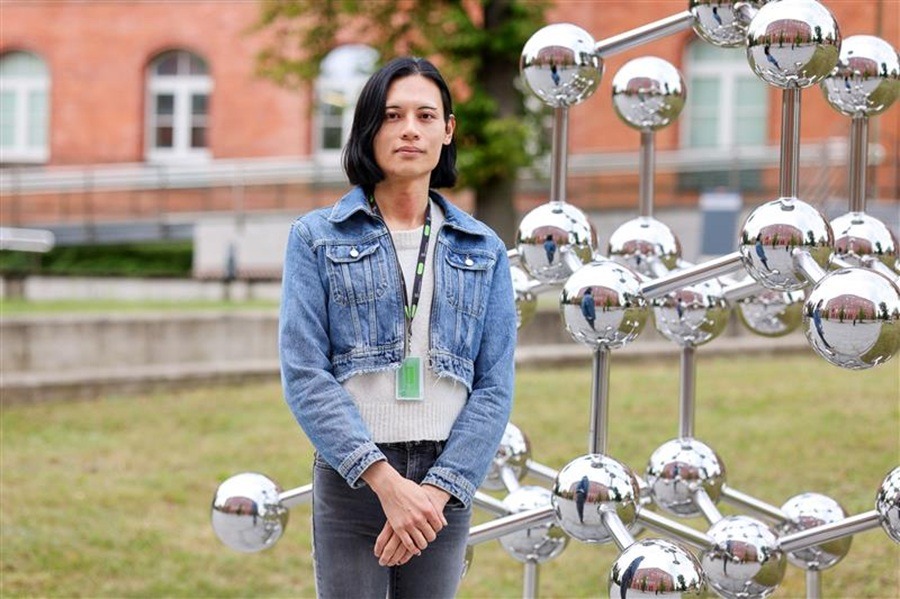
Dr. Heng-Chang Chen, leader of the Quantitative Virology Research Group at Łukasiewicz – PORT, has been selected for the prestigious New Voices in Virology program by the Journal of Virology. The initiative showcases researchers who bring fresh perspectives and innovative methods to modern virology.
Łukasiewicz – PORT has received a recommendation for funding for two large infrastructure projects submitted under the BINGO call of the European Funds for a Modern Economy 2021–2027 program, within the track dedicated to network-type institutions. The initiatives are of key importance for the development of modern research infrastructure and will form the foundation for future scientific projects related to energy transformation, national defense and security, as well as precision medicine and genomics.
Stress triggers a cascade of complex biochemical reactions in the body. One of its consequences may be the disruption of autophagy, the cellular “self-cleaning” process. Dr. Viorica Raluca Contu, leader of the AutoHealth project, investigates how stress influences this mechanism and how the interplay between the body’s metabolism and the brain shapes our mental health.
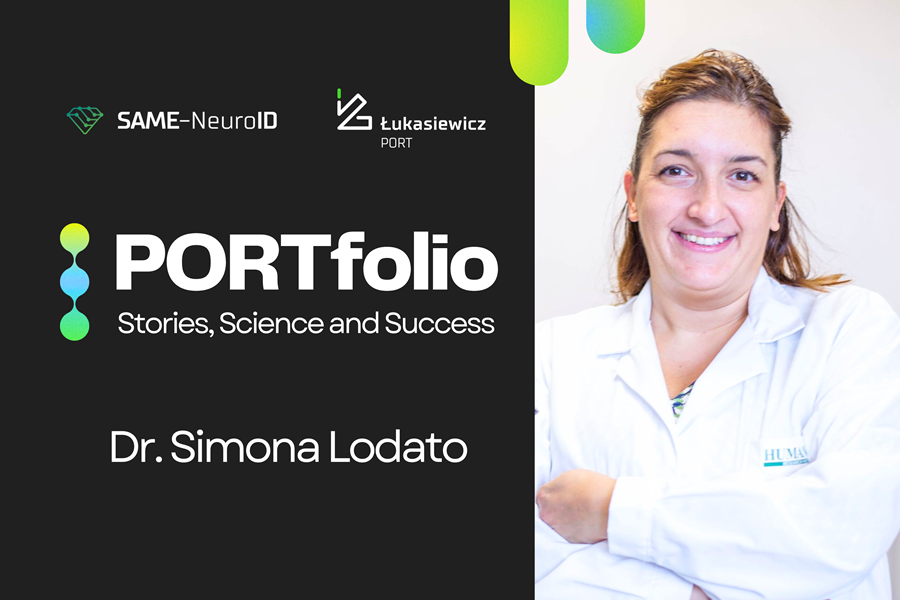
We invite you to listen to the latest episode of PORTfolio Stories, Science and Success—a conversation with Dr. Simona Lodato, a neurobiologist from Humanitas University and Head of the Department of Developmental Neurobiology at Humanitas Research Hospital in Italy.
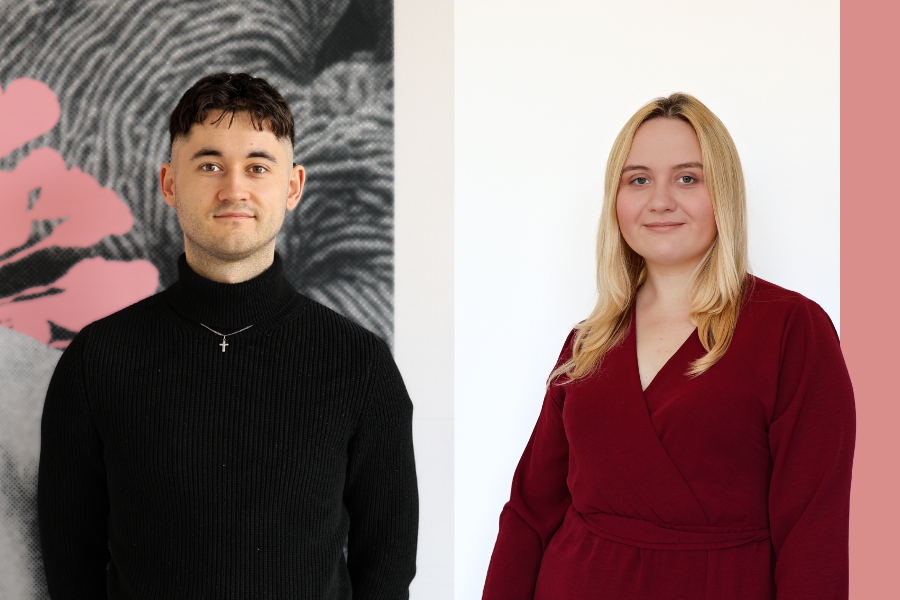
Kacper Prokop has been awarded the Max Born Scholarship in the field of physical and chemical sciences. Weronika Zając received a distinction in the same category. Both work in the Advanced Materials Synthesis Research Group and are pursuing industrial doctorates.
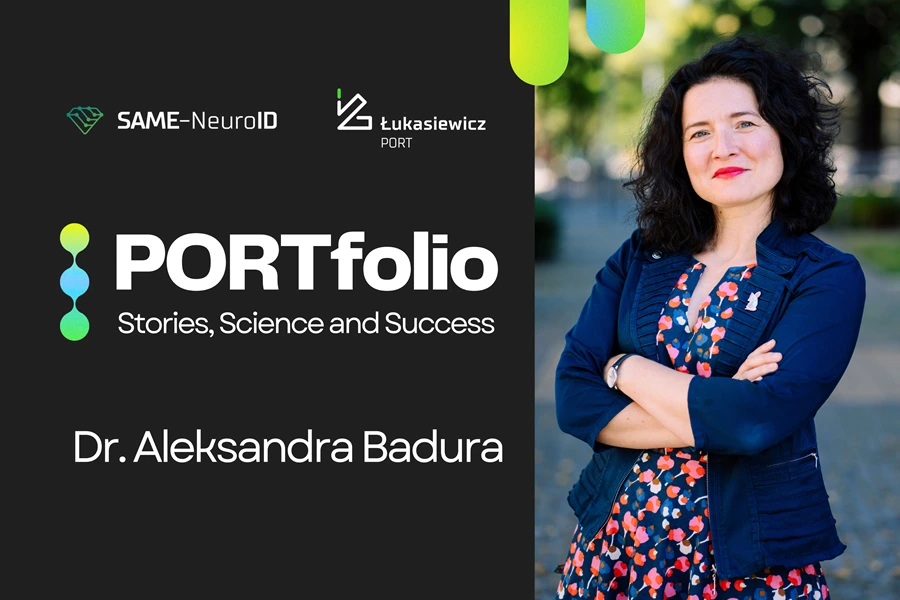
The guest of the latest episode of the PORTfolio podcast is Dr. Aleksandra Badura, Head of the Neural Networks Underlying Behavioral Flexibility Laboratory at Erasmus Medical Center in Rotterdam. Her team investigates how the cerebellum influences behavioral flexibility and how its dysfunctions may contribute to the development of autism.
The Foundation of the Polish Center for Technology Development was established to bring science closer to people. For several years, it has successfully implemented educational and social projects that inspire curiosity about the world, promote equal opportunities, and demonstrate that hands-on experience is one of the best ways to learn. The Foundation’s activities align with the mission of Łukasiewicz – PORT, connecting science with social responsibility and the development of local communities.