As part of our website, we use cookies to provide you with the highest level of service, including services tailored to your individual needs. By continuing to use the website without changing your cookie settings, you agree to the placement of cookies on your device as described in our Privacy Policy. You can change your cookie settings in your web browser at any time. Acceptance of essential cookies is required for the proper functioning of the website. For more detailed information, please refer to our PRIVACY POLICY.
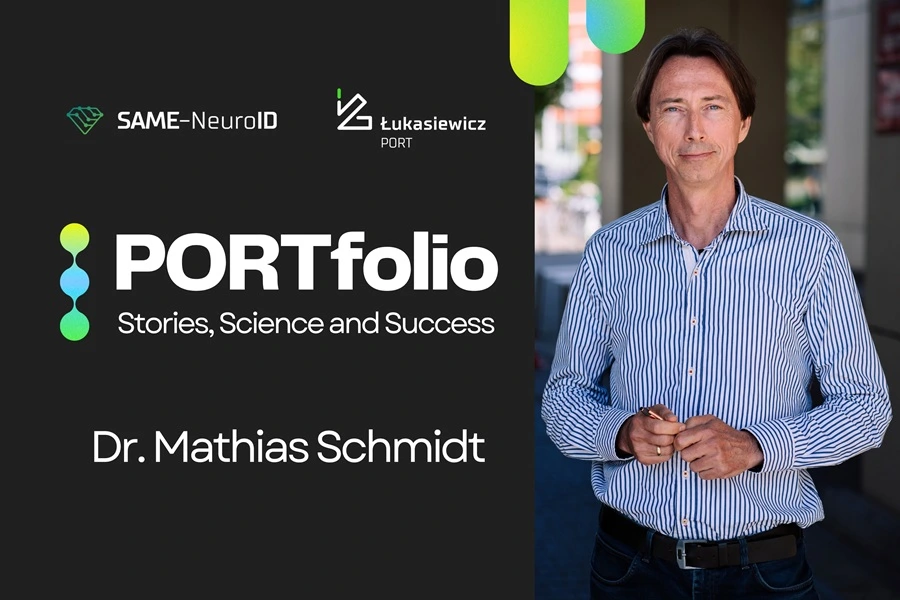
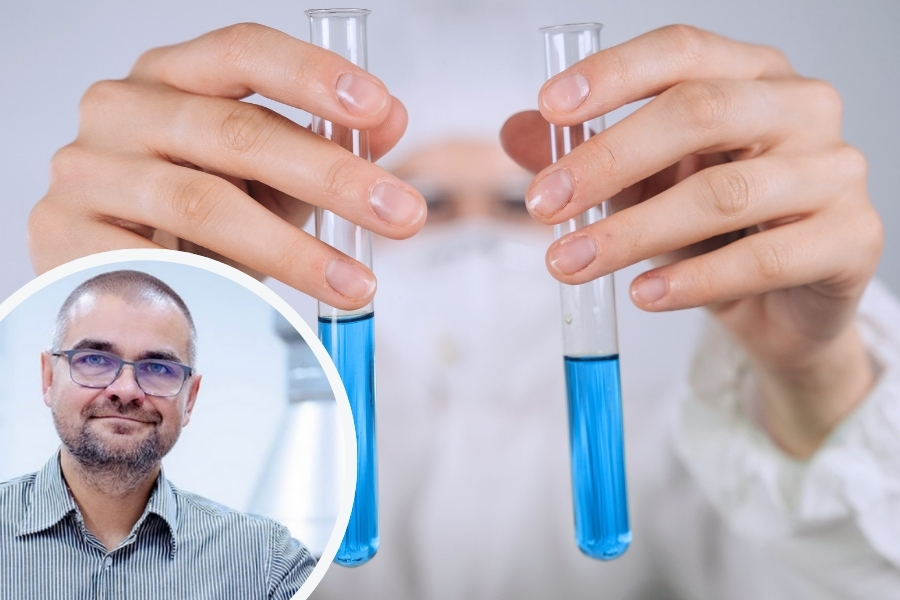
The special episode of the PORTfolio podcast features a conversation between Dr. Raluca Contu and Dr. Mathias Schmidt from the Max Planck Institute of Psychiatry, exploring the molecular and behavioral mechanisms of stress vulnerability and their neuropsychiatric and metabolic consequences.
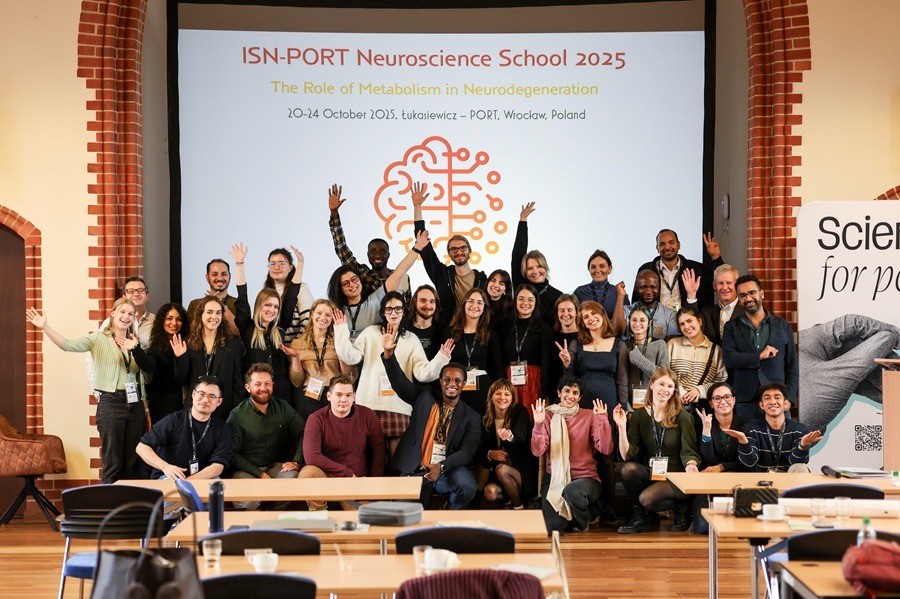
The first ISN–PORT Neuroscience School in Poland has just concluded at Łukasiewicz – PORT—an intensive week-long program dedicated to the role of metabolism in neurodegenerative diseases. The event, funded by the International Society for Neurochemistry (ISN), brought together 30 young scientists from across Europe, selected from more than 120 applications.
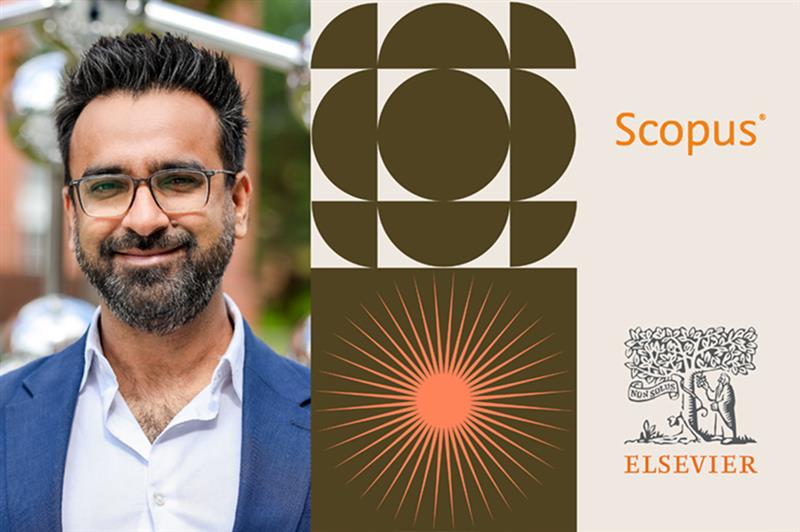
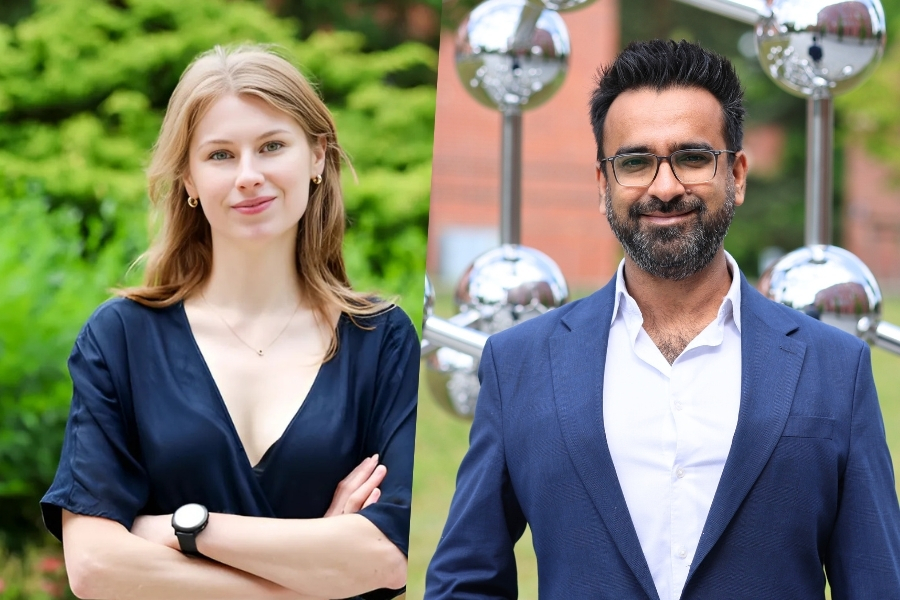
Dr. Ali Jawaid has been included in the latest edition of the prestigious World’s Top 2% Scientists ranking, developed by Stanford University (USA) in cooperation with Elsevier and the Scopus database.
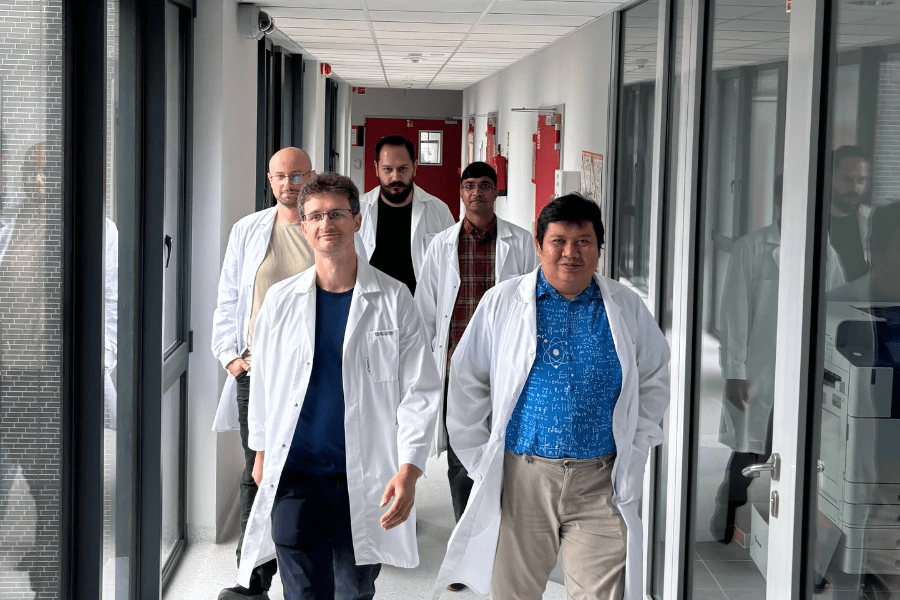
A full-color, high-resolution X-ray image of the human body, combined with precise information about its chemical composition; imaging with unprecedented spatial resolution, faster, more accurate, and safer than ever before—scientists at Łukasiewicz – PORT are working on a technology that could make this possible.
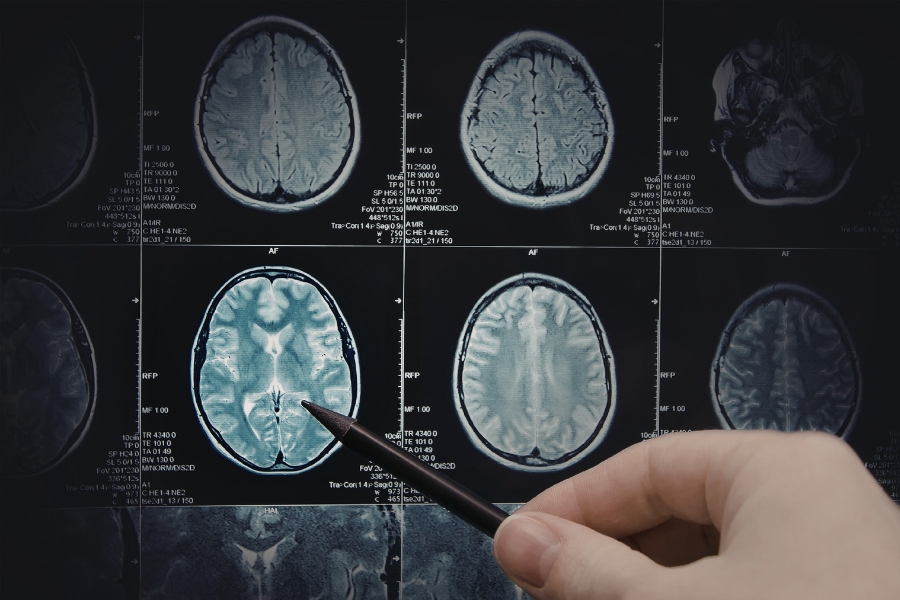
In the latest episode of PORTfolio Stories: Science and Success, Dr. Przemysław Duda – neuroscientist, physician, and writer – discusses the remarkable plasticity of the human brain, its capacity for change, and the role of creativity in uncovering scientific principles.
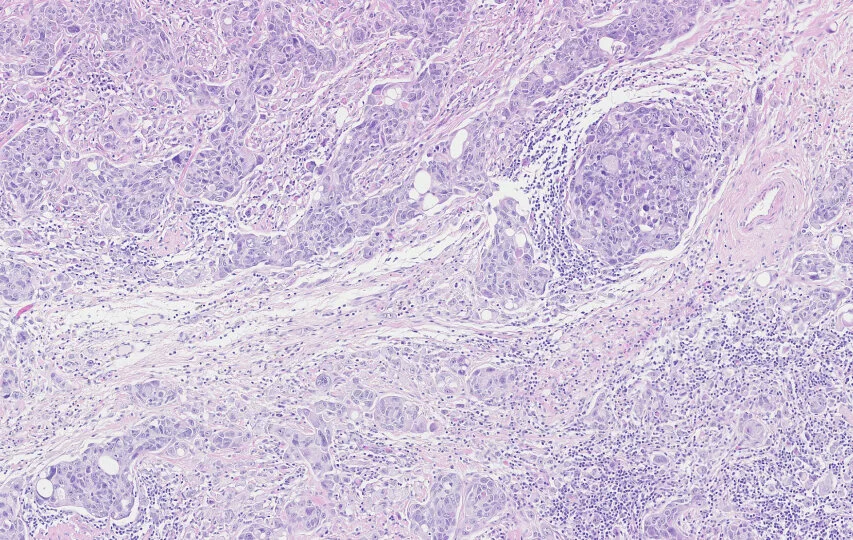
Breast cancer remains the most frequently diagnosed malignant tumor among women worldwide and in Poland. According to estimates from the World Health Organization and the National Cancer Registry, more than 25,000 new cases are diagnosed annually in Poland, and the lifetime risk of developing the disease is approximately 12.5%.
Researchers from the Wrocław-based research institute have uncovered biological links between women’s adverse childhood experiences and the composition of their breast milk after childbirth.
Beginning in October, Prof. Andrzej Białowiec joins the scientific community of Łukasiewicz – PORT, where he will lead and develop the Biomaterials Engineering and Environmental Technologies Research Group. This strategic decision enables the institute to expand into new, priority research areas within the Łukasiewicz Research Network.
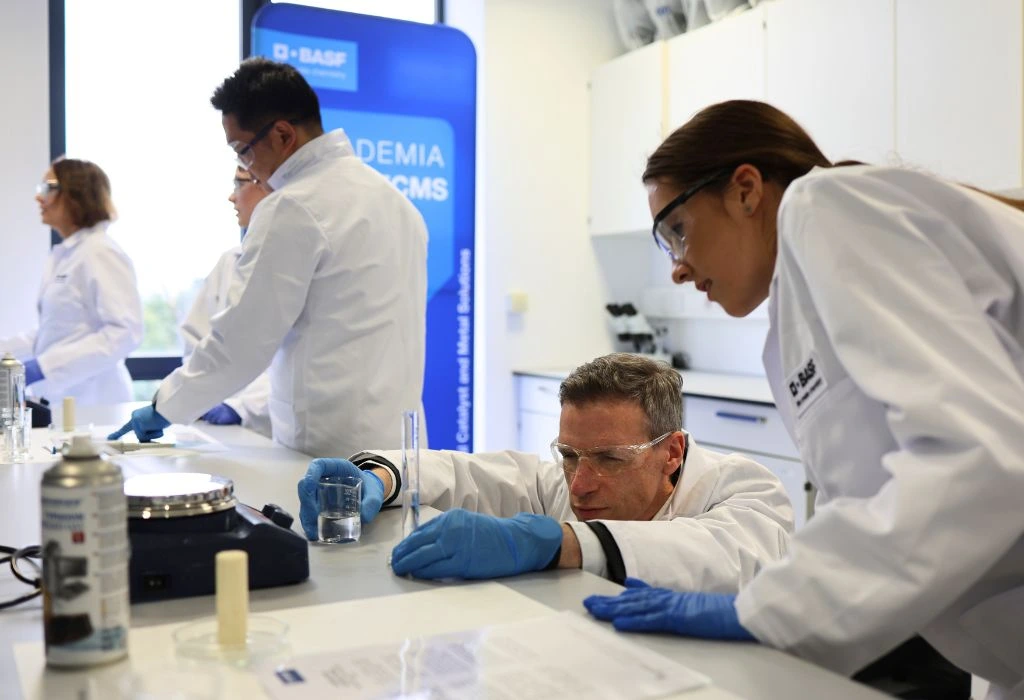
“Science is here, and we want to share it,” said Prof. Jarosław Bosy, Director of Łukasiewicz – PORT, welcoming the international delegation of BASF Environmental Catalyst and Metal Solutions. Members of BASF’s regional boards visited Wrocław to see firsthand how the BASF ECMS Academy educational program is implemented on site. The program has been jointly run for a year by Łukasiewicz – PORT and BASF’s plant in Środa Śląska.
Semiconductors are the foundation of modern technology—from computers and smartphones to electric vehicles, renewable energy, and medical devices. Global demand for them continues to rise, as does the scope of their potential applications.