Biobank Research Group
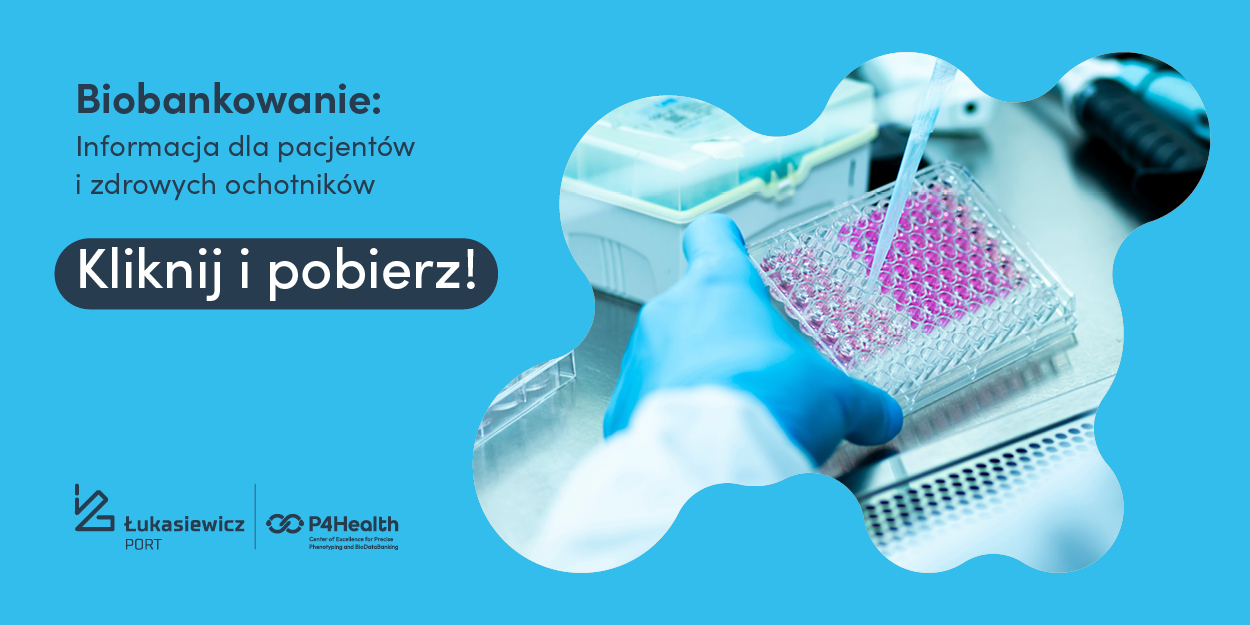
The Łukasiewicz – PORT Biobank is one of the largest centers for collecting and storing human biological material in Poland. It gathers and preserves human biological samples obtained both from population studies and from research on specific diseases. We are open to collaboration with research institutions and industry through jointly conducted scientific and research projects.
The Biobank operates in accordance with the guidelines of the international OECD organization, as well as quality, ethical, and legal standards for research on human biological material.
Biological samples are stored at temperatures of –80°C and –150°C. The storage system is continuously monitored, supported by emergency power supply, and secured with liquid nitrogen and CO₂ backup systems.
Biobank services include:
- collection and storage of biological material for scientific research purposes,
- provision of biological samples for biomedical research,
- consultation on research projects involving the collection of human biological material,
- assistance in preparing applications to bioethics committees and correct project documentation.
Group Members

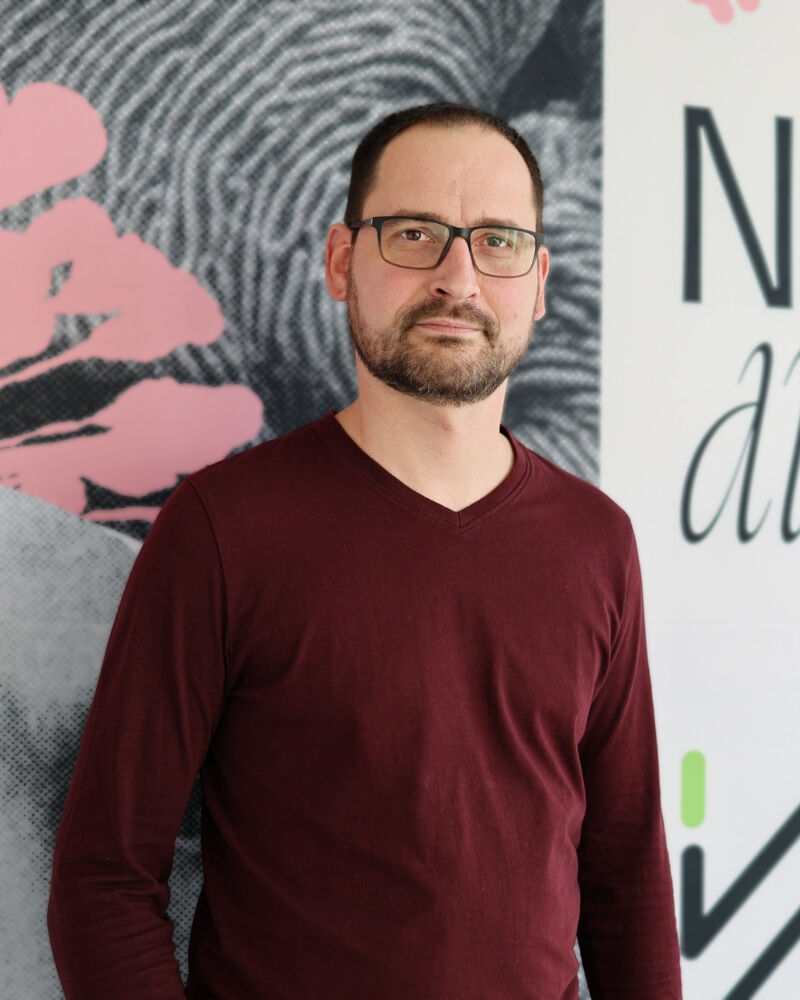
Dr. hab. Patrycja Gazińska
Dr. Gazińska received her doctoral degree in agricultural sciences (animal science) in 2006 from the Warsaw University of Life Sciences (SGGW). In 2024, she was awarded the title of Doctor habilitatus in medical sciences and health sciences on the basis of her publication cycle “The significance of histopathological evaluation of breast cancer and the characterization of its microenvironment”. Since 2022, she has served as the leader of the Biobank Research Group at Łukasiewicz – PORT.
Previously, she was, among others, the Head of the Experimental and Digital Pathology Team at the Institute of Cancer Research in London (2018-2021), a Manager in the Oncology Research and Development Department at AstraZeneca (2020-2021), and a Research Scientist and Senior Researcher at King’s College London (2008-2018).
Her research focuses on oncology – particularly breast cancer and head and neck cancers – with emphasis on digital pathology, immunopathology, and the tumor microenvironment.
Dr. hab. Gazińska leads numerous research projects in Poland and abroad. She is the principal investigator of projects funded, among others, by the Medical Research Agency (ABM), the National Science Centre (NCN), and the European Commission. She has participated in international clinical trials, including TNT, OPPORTUNE, and DB-06 (AstraZeneca). She initiated and conducts research on, among other topics, the impact of the lymph node microenvironment on prognosis in breast cancer, the immunological landscape of chemotherapy-resistant tumors, and the role of exosomes in immune escape.
Dr. Gazińska played a key role in establishing digital pathology infrastructure at King’s College London and the Institute of Cancer Research. In Poland, she is developing the Łukasiewicz – PORT Biobank and promotes a culture of biobanking in clinical and translational research. She actively collaborates with British research institutions, conducting joint projects with KCL, ICR, and the Royal Marsden Hospital.
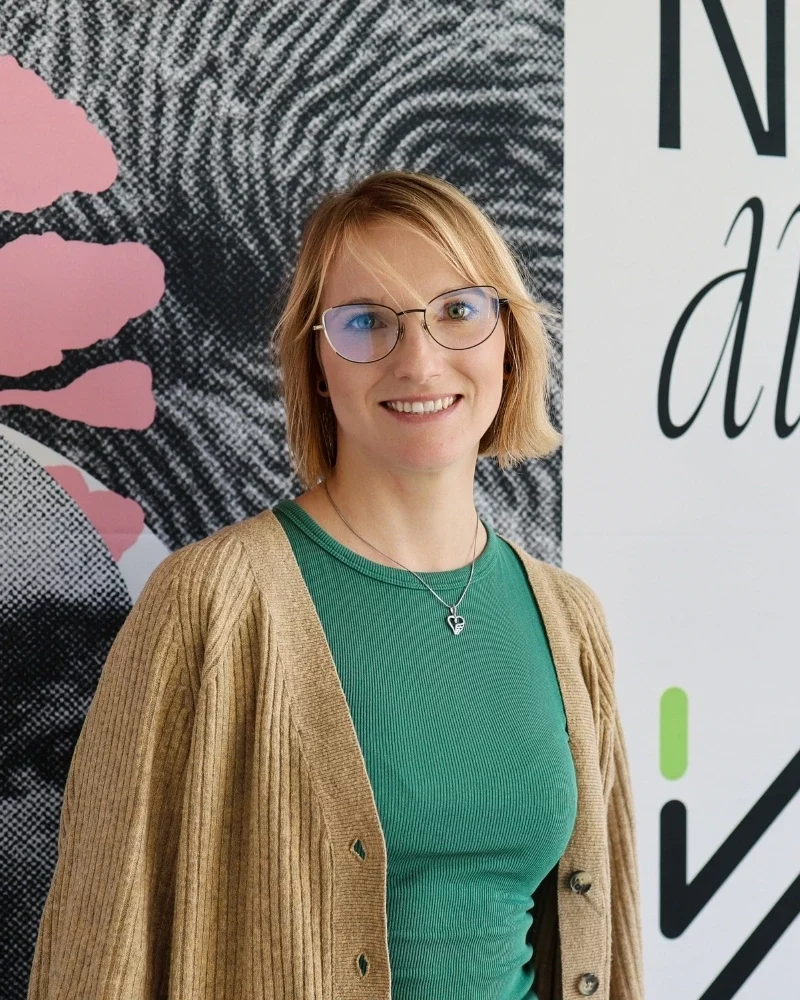
Dr. Natalia Łabędź
Natalia is a postdoctoral researcher in a project funded by the Medical Research Agency under the RCMC call, focused on the multidimensional characterization of patients suffering from morbid obesity. The aim of the project is to identify predictive factors for the success of bariatric treatment. Her main interest within the project lies in spatial phenotyping of patient-derived tissues using advanced in situ multiplex staining technologies.
She earned her PhD in biological sciences at the Ludwik Hirszfeld Institute of Immunology and Experimental Therapy, Polish Academy of Sciences. Her doctoral research, conducted as part of the OPUS project, focused on the isolation of primary cells from the breast cancer microenvironment, characterization of cancer-associated fibroblasts (CAF), and evaluation of the impact of vitamin D3 on CAF functions in the context of the breast cancer microenvironment.
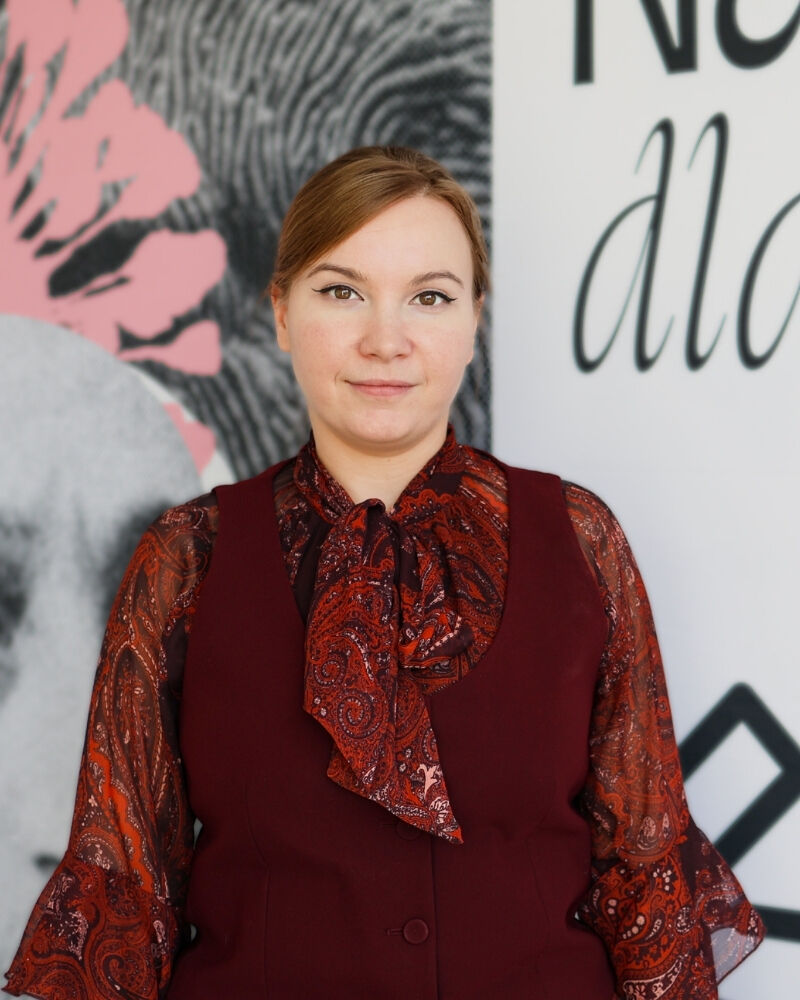
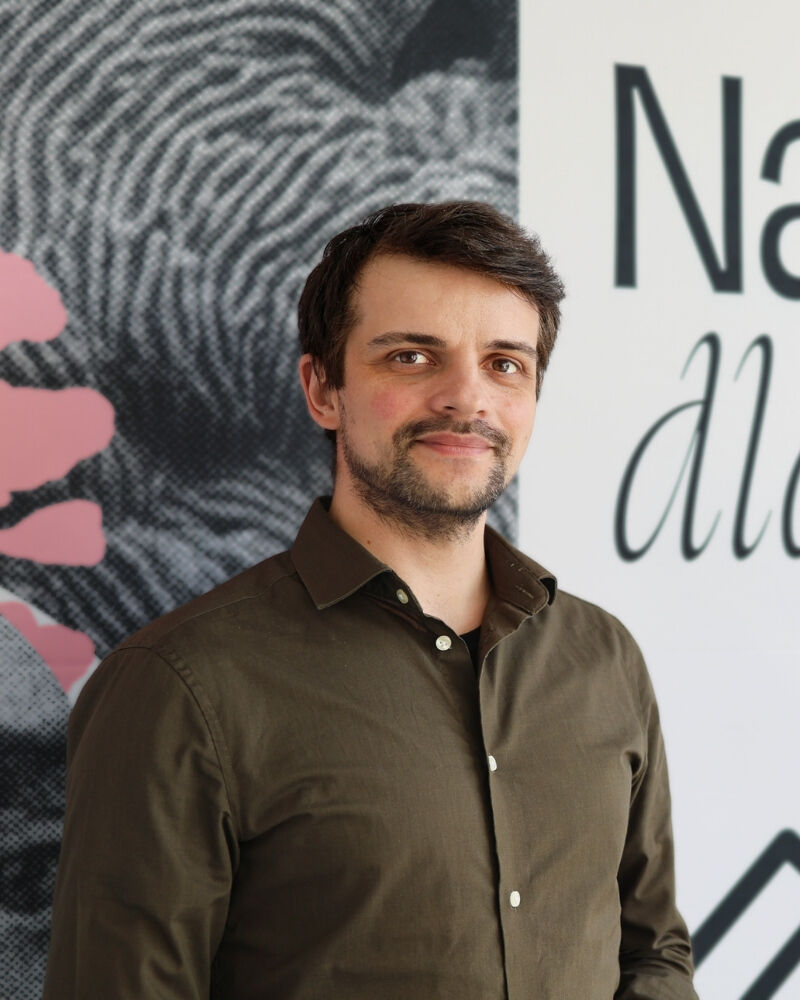
Dr. Paweł Gluza
Dr. Paweł Gluza works in the Biobank Research Group as a postdoctoral researcher. His research focuses on breast implant-associated anaplastic large cell lymphoma (BIA-ALCL) and the mechanisms underlying its development. Paweł completed his bachelor’s and master’s degrees at the Faculty of Biotechnology of the University of Wrocław, where he conducted research on the mitochondrial subproteome and was also a member of the university’s rowing team, representing it in eight-oared rowing regattas and dragon boat competitions.
He continued his research on plant and yeast systems during a graduate internship at the Max Planck Institute in Potsdam. In 2016, he was awarded the Melbourne Research Scholarship and, during his PhD at the University of Melbourne, remained in the field of cell biology, studying the relationships between glycosyltransferases and nucleotide sugar transporters within the Golgi apparatus. Paweł completed his first postdoctoral internship at Łukasiewicz – PORT, where he investigated the role of two newly identified regulators of the human G2/M cell-cycle checkpoint.
In addition to his academic work, Paweł has professional experience in technology transfer, pharmacovigilance, and aerobiology. He loves cats, the Alps, and Asian cuisine.
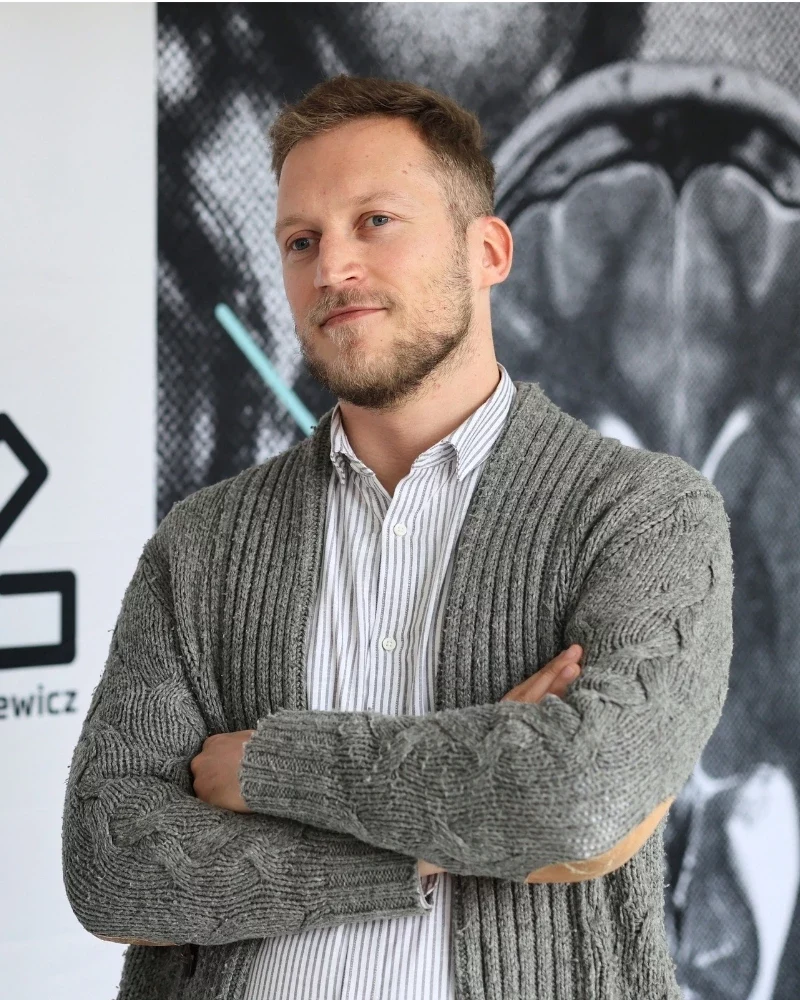
Artur Nieszporek
Artur Nieszporek is a Senior Specialist in Cell Culture and Biobanking. He uses and develops his research experience in the following areas: analysis of the role of exosomes in the cellular microenvironment of head and neck cancers, cellular models of head and neck squamous cell carcinoma, and biobanking of biological material for future research.
Additionally, he maintains and supports the further development of the Biobank Quality System in accordance with ISO 20387:2018. A graduate of Medical Biotechnology at the Pomeranian Medical University in Szczecin and Pharmaceutical Biotechnology at the Faculty of Chemistry, Wrocław University of Science and Technology.
He is currently enrolled in postgraduate studies in Industrial Pharmacy at the Medical University of Gdańsk. His interdisciplinary education – combining medical and technical sciences – supports his professional development. He gained professional experience in academic environments (including the Jagiellonian University Medical College and the Hirszfeld Institute of Immunology and Experimental Therapy PAS), participating in scientific research projects in translational studies (production of ATMPs for the clinical trial within the CIRCULATE project, Jagiellonian University Medical College) and in basic research (the role of microRNAs and the transcription factor SNAIL in intracellular signaling in rhabdomyosarcoma and colorectal cancer, Jagiellonian University Medical College).
He is the author and co-author of review and original papers. His work in the public sector (Regional Center for Blood Donation and Hemotherapy in Wrocław) enriched his research experience with valuable knowledge and practice in working according to GMP requirements and ISO Quality Systems. He has also completed internships at Polish research institutes and biotechnology companies. He is a winner of the BioFuture Challenge competition.
Outside of work, he spends his free time staying physically active – mountain hiking, middle-distance running, and swimming.
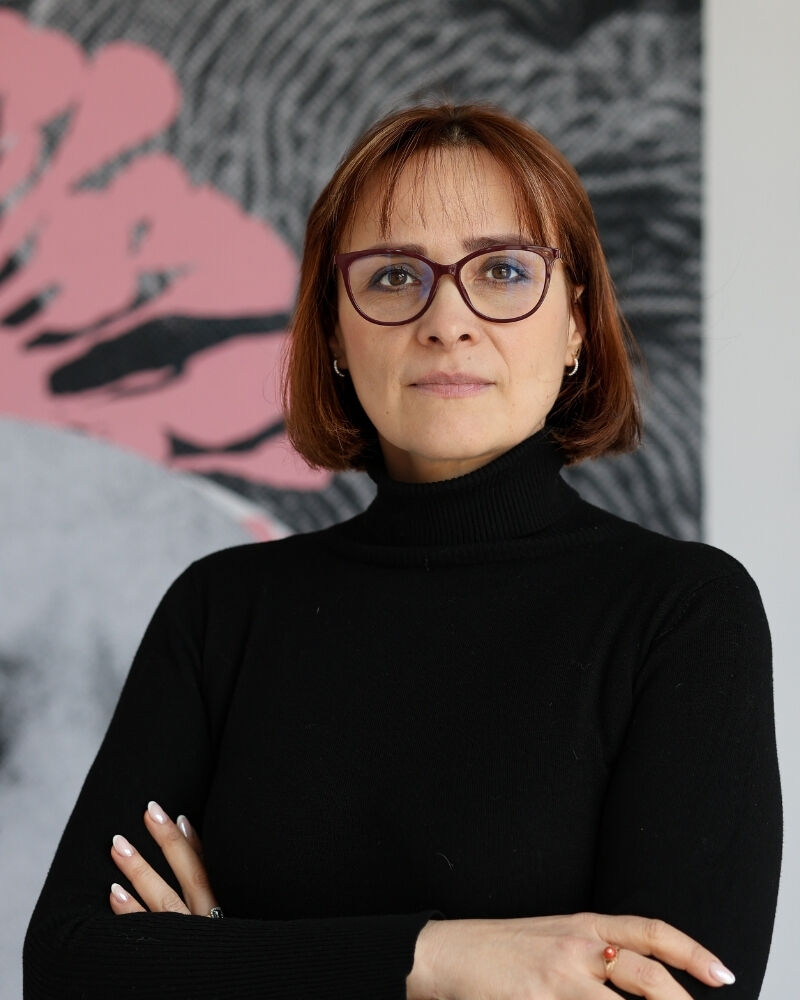
Anna Wojtysiak
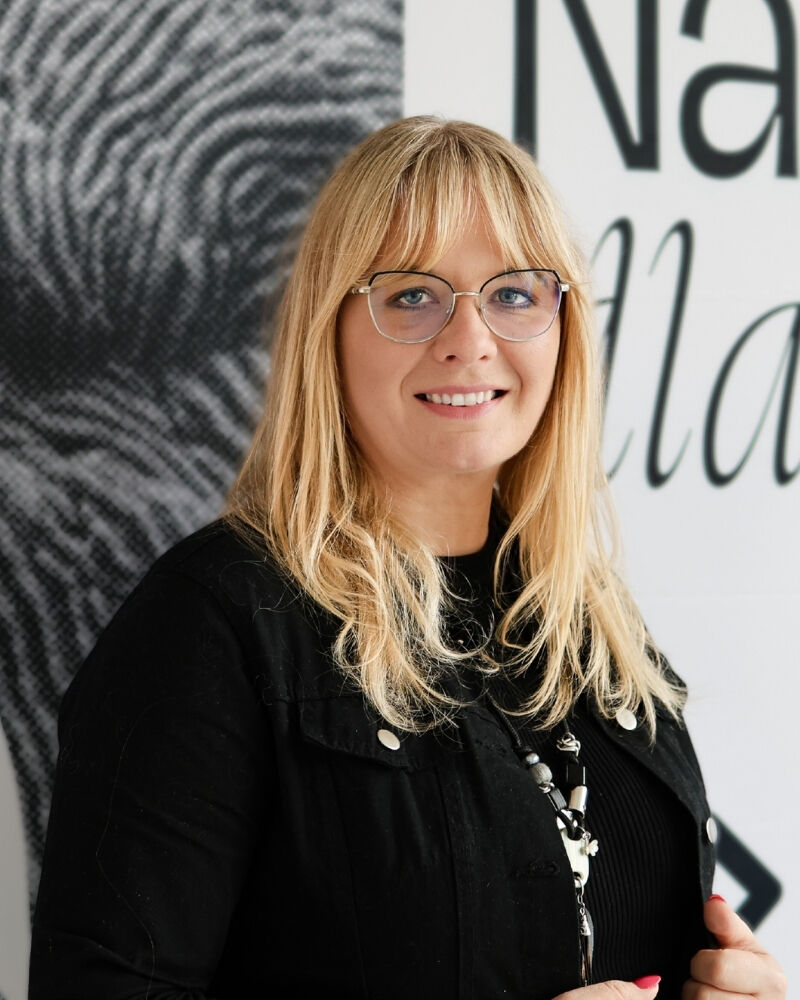
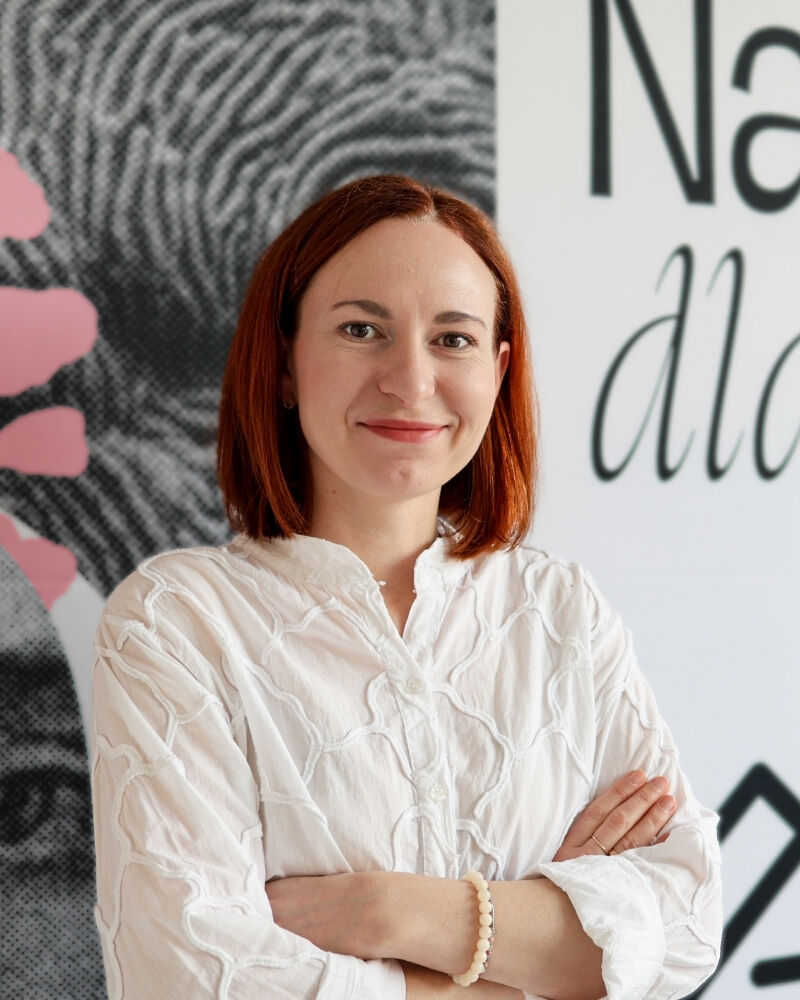
Ania, an economist and paramedic. She has a multidisciplinary and consistently developed educational background in management, medicine, healthcare, and project management. She completed studies in Accounting and Auditing as well as Marketing, an MBA in Healthcare Management, and postgraduate studies in Finance and Management in Healthcare, as well as EU Project Management. Her educational profile has been further strengthened by numerous certified trainings and competency programs in the areas of clinical research (GCP, Clinical Research Operations, Data Management, Adverse Event Reporting, Children in Clinical Research), quality management (ISO 9001, ISO/IEC 27001), healthcare system financing, medical documentation, HTA, project and risk management, as well as the strategic development and implementation of health policies.
Ania’s professional career includes over 20 years of experience in managerial, strategic, and expert positions in the medical, pharmaceutical, and healthcare sectors. She has held director and coordinator roles responsible for institutional development, supervision of investments, cooperation with healthcare providers, implementation of research projects, team management, and building strategic partnerships. She has implemented and settled EU-funded projects with a value exceeding PLN 100 million, and was also responsible for preparing healthcare program concepts, risk assessment, and implementing ISO standards and quality policies. She also has many years of experience in the clinical environment, including practice as a paramedic and conducting first aid training courses.
Her work has been recognized with the Lower Silesian ROP Leader Award for exemplary implementation of EU co-funded projects, as well as distinctions granted by auditing institutions for the high quality of procedures. She has served on social councils of healthcare institutions and on monitoring committees for regional programs, which confirms her expert standing and recognition within the healthcare sector.
At the Łukasiewicz – PORT Institute, as a Chief Clinical Collaboration Specialist, she serves as a key link between scientific research and clinical practice. Thanks to many years of experience in cooperation with healthcare providers and the clinical community, Ania is responsible for developing clinical collaboration at Łukasiewicz – PORT, based on three key pillars that form a logical and progressive model for acquiring clinical partners, developing research collaboration, and building the largest and most diverse collection of biological material.
She initiates research projects, including interdisciplinary ones, carried out in collaboration with both clinical and scientific partners.
The Chief Clinical Collaboration Specialist represents the Institute in relations with external partners, ensuring the development of strategic cooperation, the efficiency of processes, and the achievement of the scientific and research objectives of Łukasiewicz – PORT.
Sylwia Biegun
The researcher’s profile is being prepared.
Barbara Hliwa
The researcher’s profile is being prepared.
Zuzanna Kurz-Minecka
The researcher’s profile is being prepared.
Anna Wiatr
The researcher’s profile is being prepared.