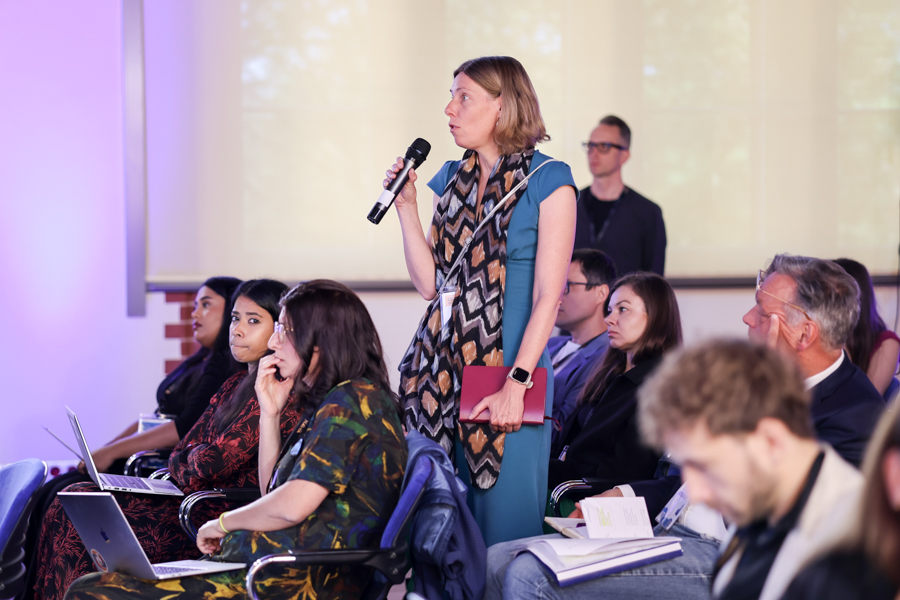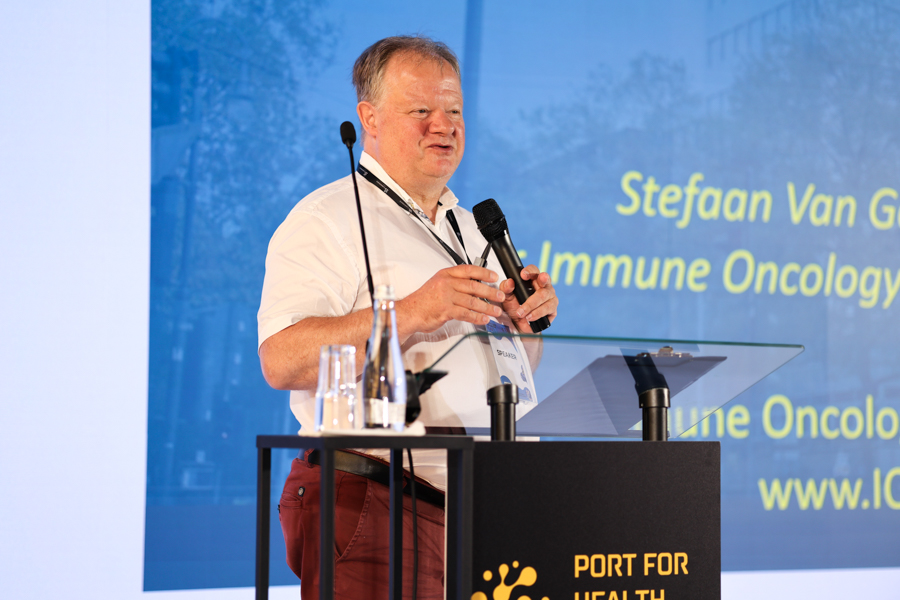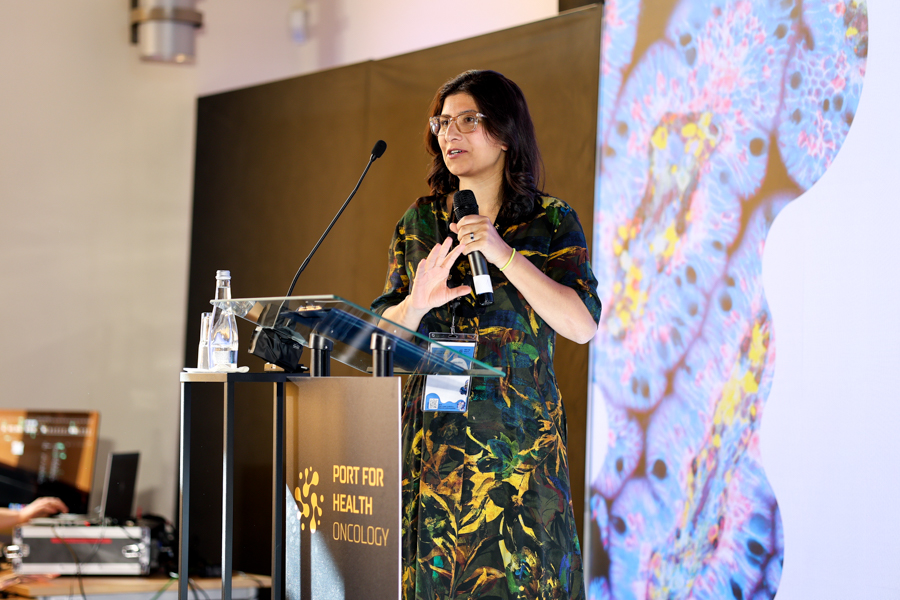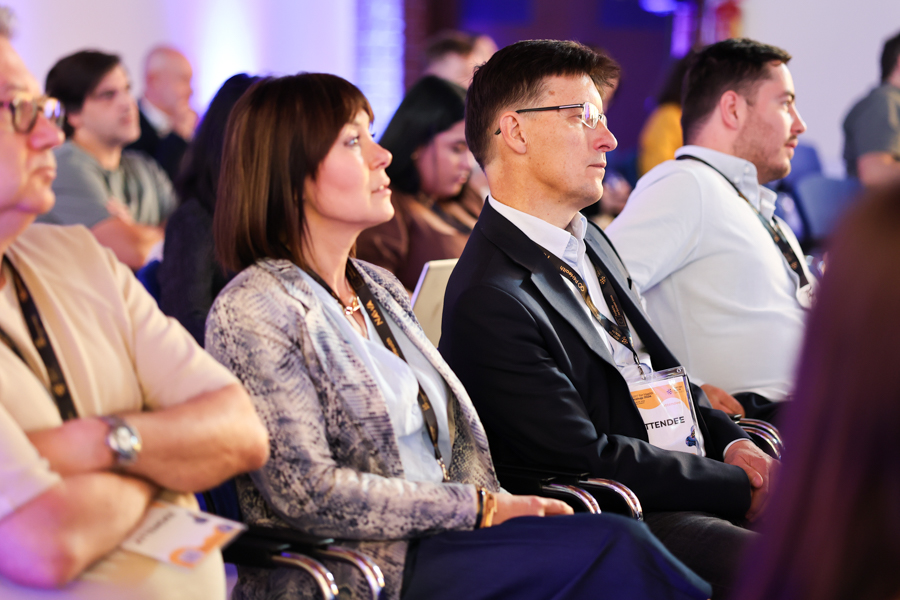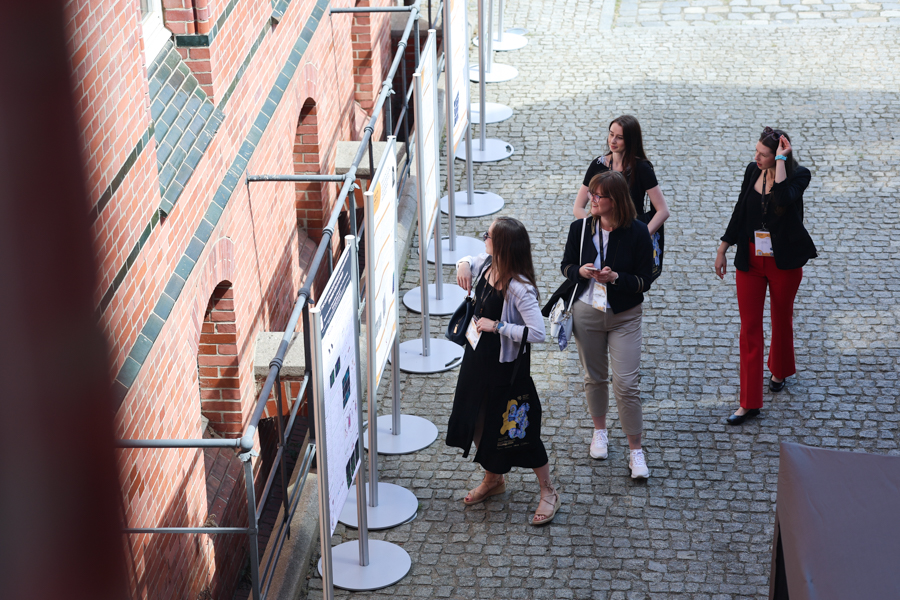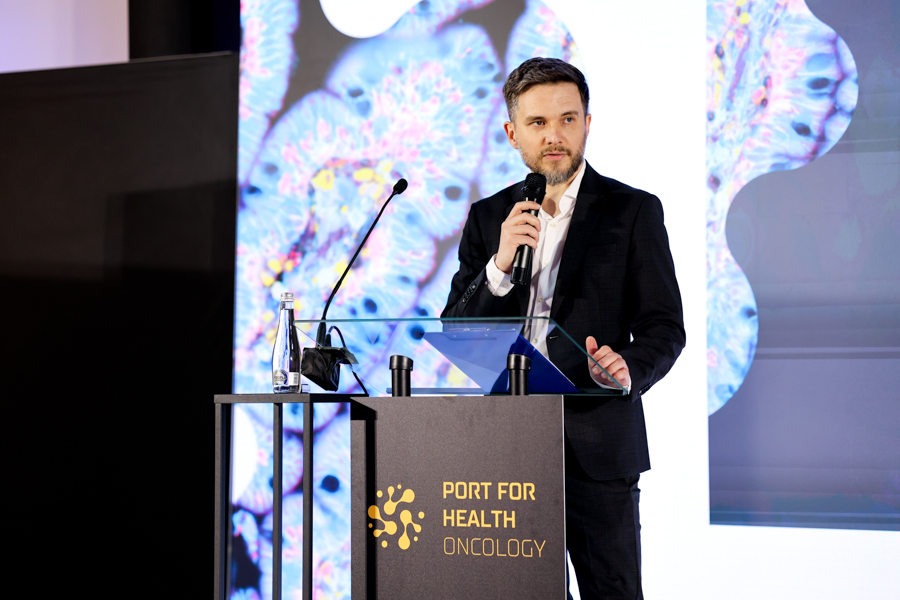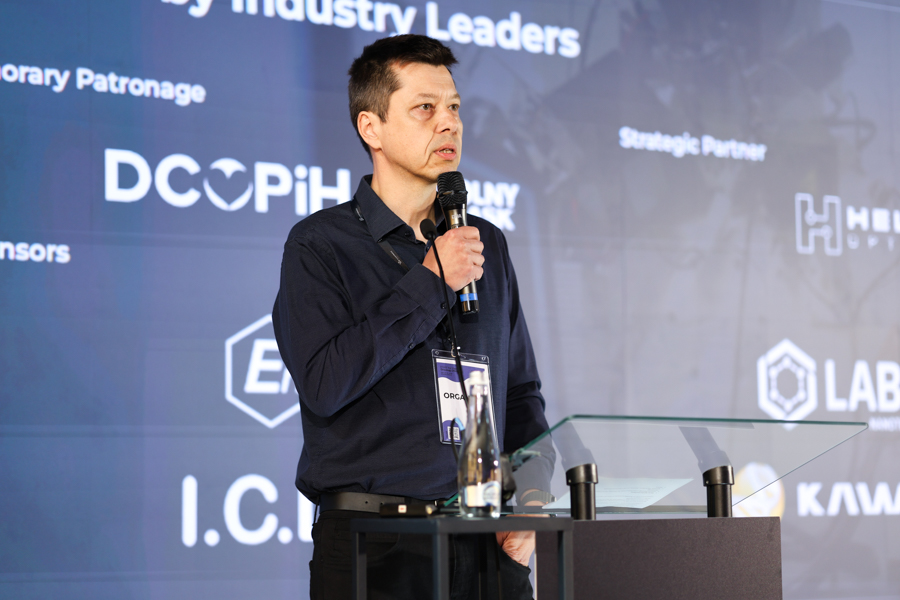
“If I had to choose one word that is essential for the future of oncology, I would say: combination,” said Prof. Stefaan van Gool of the Immun-Onkologisches Zentrum Köln, summarizing a theme that repeatedly emerged in discussions throughout the several days of the PORT for Health: Oncology 2026 conference. Researchers and clinicians agreed that the future lies in combined therapies, precision medicine, and close collaboration between the laboratory and the clinic.
Collaboration and Connections Matter More Than Individual Discoveries
Dr. Stefaan van Gool, a specialist in immunotherapy for brain tumors, emphasized that too often we focus on a single element – a single drug, mechanism, or discovery. In reality, treatment effectiveness depends on combining different therapeutic approaches and integrating expertise from multiple disciplines.
“The development of effective therapies today requires close collaboration between scientists conducting basic research, teams involved in translational studies, and physicians working directly with patients,” said Dr. Stefaan van Gool. “Basic research teaches us how to design effective therapeutic combinations, while clinicians show us how to translate knowledge from the laboratory into tangible benefits for patients.”
A similar view was expressed by Dr. Aurélie Poli of the Luxembourg Institute of Health: “Oncologists should have access to the full range of available tools. Surgery, radiotherapy, and chemotherapy will of course remain the foundation of cancer treatment, but if we want to help patients more effectively, we need new therapeutic options.”
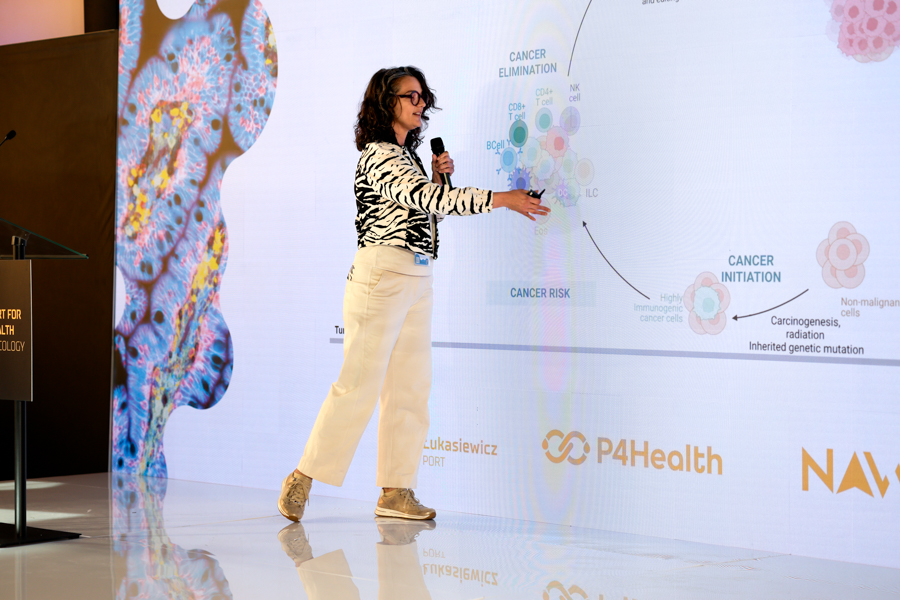
Glioblastoma Cells in Neural Networks
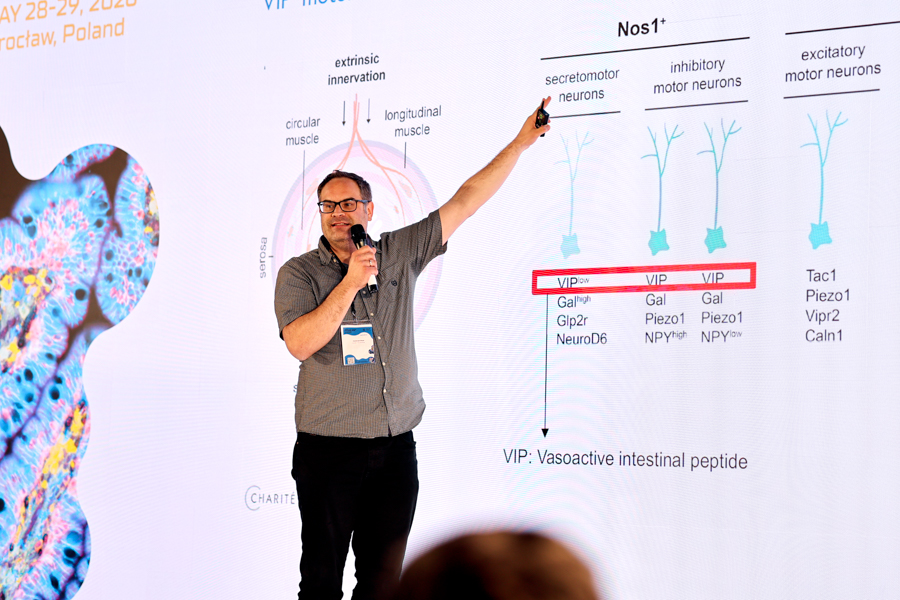
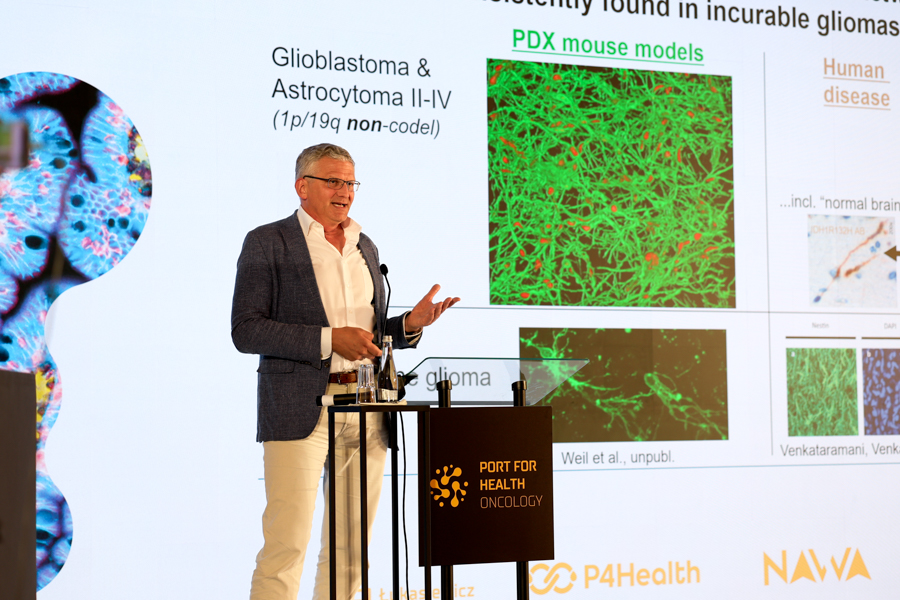
The keynote speaker at the conference, which brought together scientists working on various aspects of cancer research in Wrocław on 28–29 May, was Prof. Frank Winkler of Universitätsklinikum Heidelberg, recipient of the The Brain Prize 2025, one of the most prestigious awards in neurobiology. His lecture focused on glioblastoma, one of the most aggressive forms of brain cancer.
Research findings from his team show that glioblastoma cells do not function in isolation. Instead, they remain in active communication with surrounding cells and structures of the nervous system. This discovery is changing the way scientists think about treating glioblastoma: targeting cancer cells alone is not enough – the entire microenvironment in which they operate must also be taken into account.
For participants, the conference provided an opportunity to translate new knowledge directly into clinical practice.
“I’m reviewing my notes and thinking about what I should change in my approach. I’ve already contacted my colleagues and asked them to take a closer look at two newly identified NK cell subtypes,” said Dr. Stefaan van Gool. “This is not a vacation – it’s about gaining new insights and translating them into better patient care.”
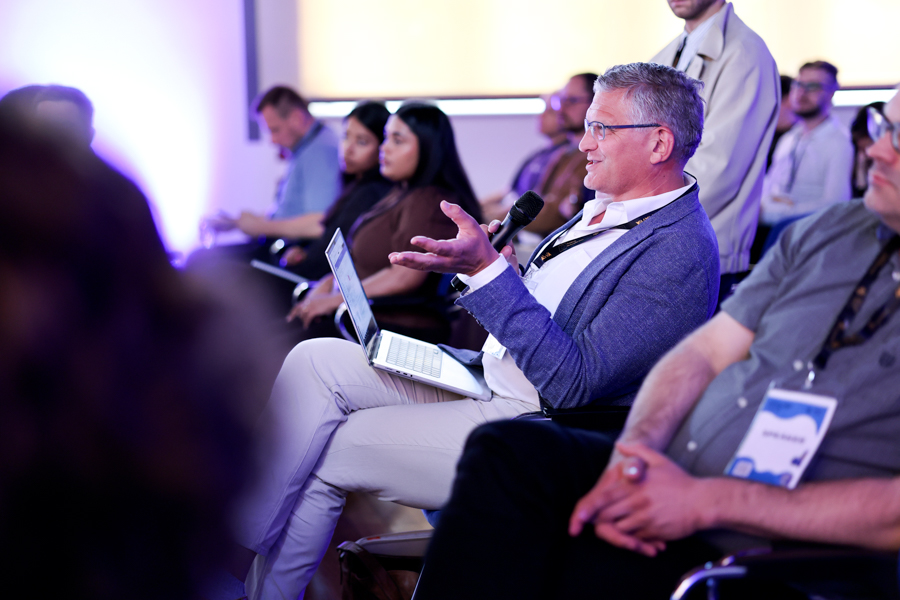
Precision Medicine Instead of a One-Size-Fits-All Approach
Dr. Helen Kakkassery of King’s College London presented research on BIA-ALCL (breast implant-associated anaplastic large cell lymphoma), a rare cancer linked to breast implants. As part of a collaboration between King’s College London and Łukasiewicz – PORT, researchers are using biobank resources to analyze changes in patients’ immune systems and explore new therapeutic opportunities.
Dr. Helen Kakkassery emphasized that the diversity of cases encountered in clinical practice requires an individualized approach to each patient: “The future lies in highly precise, personalized treatment tailored to each individual patient.”
Cancer as a Chronic Disease – A New Challenge for Oncology
Advances in cancer treatment mean that more and more patients are living longer with the disease. While this is a major success, it also creates new challenges for research.
“We are seeing a growing number of patients who live many years after their diagnosis. However, complications such as fatigue, peripheral neuropathy, and cognitive impairment can have a profound impact on their quality of life, and we still know relatively little about the mechanisms behind these conditions,” said Dr. Andrew Shepherd of the University of Texas MD Anderson Cancer Center.
According to the researchers, one of the key challenges in the coming years will be not only improving the effectiveness of cancer treatments, but also reducing their side effects and providing better support for patients after treatment has ended.
Dr. Aurélie Poli noted that a long-term goal should be to transform at least some cancers into conditions that patients can live with for many years: “I hope we will have enough tools at our disposal to treat cancer as a chronic disease. That is how I envision the future – cancer therapies that not only extend patients’ lives but also help them maintain a good quality of life.”
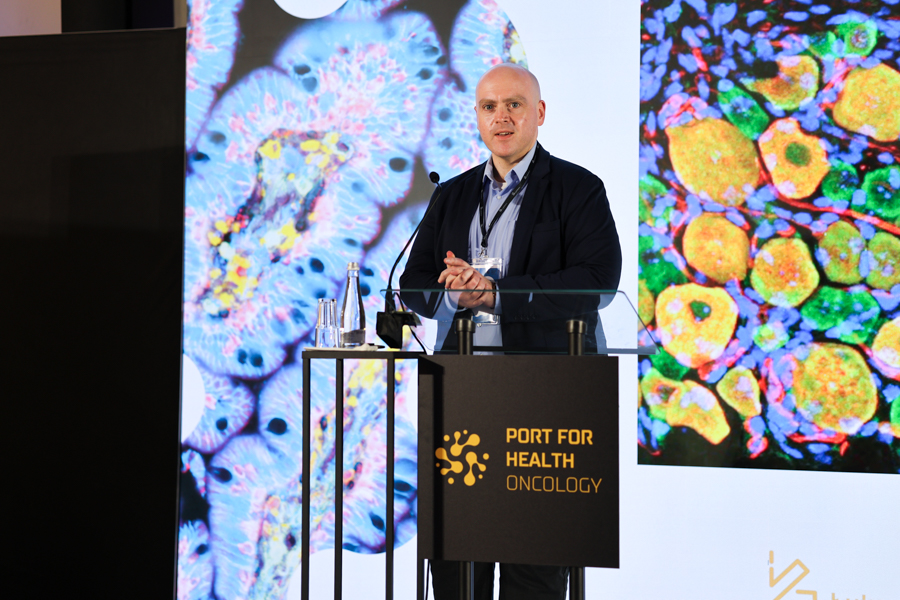
From Conversation to Long-Term Collaboration
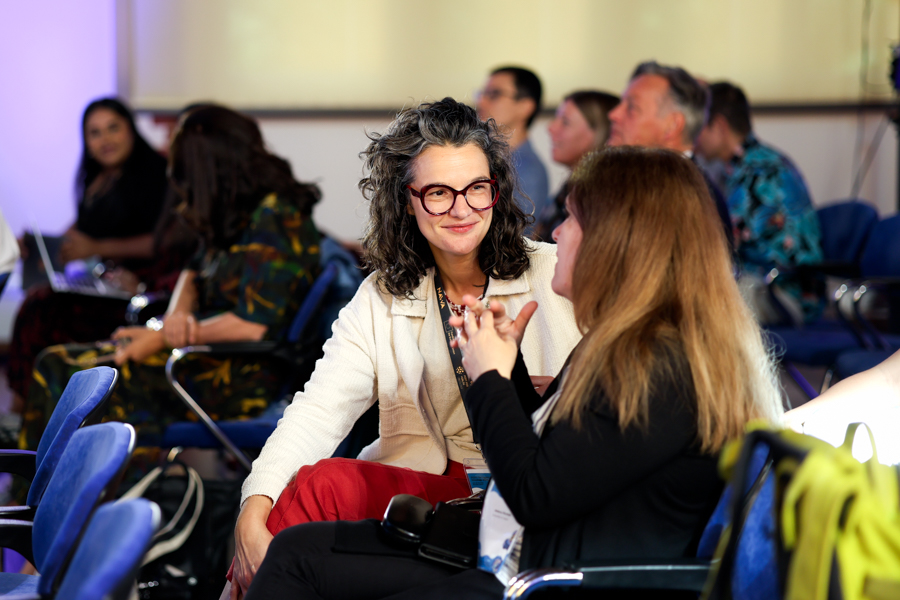
“It was a great opportunity to learn what is happening in other teams, to talk with colleagues, and to consider how these meetings could lead to concrete joint research projects,” said dr Wojciech Krężel from the Institut de Génétique et de Biologie Moléculaire et Cellulaire.
PORT for Health is an annual scientific conference organized by Łukasiewicz – PORT since 2021. The event brings together researchers, clinicians, and industry representatives to discuss the most significant advances in life sciences and translational medicine. Each edition is dedicated to a major biomedical challenge, alternating its focus between neuroscience and oncology.
In 2027, we invite you to join a conference dedicated to the latest research findings in neuroscience.