Immunotherapy Research Group
The Immunotherapy Research Group focuses on the development of innovative cell-based therapies and cancer immunotherapies, with a particular emphasis on γδ T lymphocytes. Our research encompasses the isolation, expansion, genetic engineering, and functional characterization of immune cells, as well as the evaluation of their therapeutic potential in preclinical models.
We work closely with clinical partners, using primary tumor specimens to investigate tumor biology, identify novel biomarkers, and assess the efficacy of the cell-based therapies under development. In parallel, we develop technologies that support the design and manufacturing of Advanced Therapy Medicinal Products (ATMPs), contributing to the translation of innovative cell therapies into future clinical applications.
Group Members

Dr. hab. Grzegorz Chodaczek
Grzegorz is a graduate of the Wrocław Medical University, where he studied at the Faculty of Pharmacy. In 2007, he earned his PhD in biological sciences at the Ludwik Hirszfeld Institute of Immunology and Experimental Therapy of the Polish Academy of Sciences in Wrocław, based on research into the adjuvant properties of lactoferrin in vaccine formulations.
From 2005 to 2007, he worked as a research scientist at the University of Texas Medical Branch in Galveston, USA, in the laboratory of Dr. Istvan Boldogh, where he studied the role of reactive oxygen species in allergic reactions.
In 2007, he began a postdoctoral fellowship at the University of Texas MD Anderson Cancer Center in Houston, USA, in the laboratory of Dr. Tomasz Zal. His project involved microscopic visualization of immune-system activity in the skin and the lung tumor microenvironment. In 2011, he assumed a joint position as the head of the imaging core facility at the La Jolla Institute for Immunology in San Diego, USA, and as an instructor in the laboratory of Dr. Mathias von Herrath, where he performed imaging studies on the involvement of the immune system in several diseases (type 1 diabetes, viral infections, Crohn’s disease, atherosclerosis, and cancer).
In 2014, he joined the Wrocław Research Centre EIT+ (now Łukasiewicz – PORT) to help build a bioimaging laboratory. In 2023, he established his own research group dedicated to cancer immunotherapy. His goal is to develop innovative technologies that can increase the effectiveness of immunotherapy.
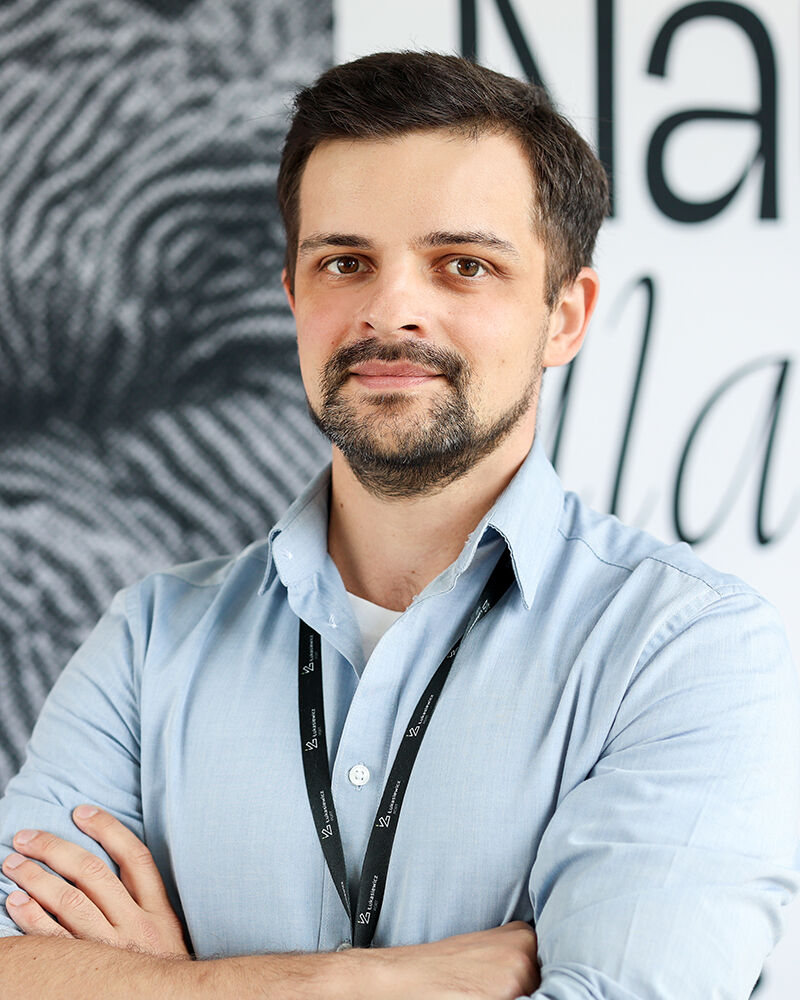
Dr. Paweł Gluza
Paweł graduated from the Faculty of Biotechnology at the University of Wrocław. He obtained his PhD from the University of Melbourne, Australia, where he investigated the interactions between glycosyltransferases and nucleotide sugar transporters within the Golgi apparatus. During his doctoral studies, he was awarded the Melbourne Research Scholarship, and his scientific achievements were recognized with distinctions including the Norma Hilda Schuster (née Swift) Scholarship and the John S. Turner Postgraduate Scholarship.
Following his PhD, he completed postdoctoral fellowships at Łukasiewicz – PORT, where he studied the molecular mechanisms regulating the G2/M cell cycle checkpoint and the pathogenesis of Breast Implant-Associated Anaplastic Large Cell Lymphoma (BIA-ALCL). He also gained professional experience outside academia in technology transfer, pharmacovigilance, and aerobiology.
As a member of the Immunotherapy Research Group, he contributes to the P4HEALTH project. He is part of Platform 5, which focuses on cellular engineering and the development of advanced cell therapies, including personalized medicine, targeted genome modifications and the generation of novel therapeutic products. His research interests include cancer immunotherapy, cellular engineering, and the molecular mechanisms regulating immune cell function.
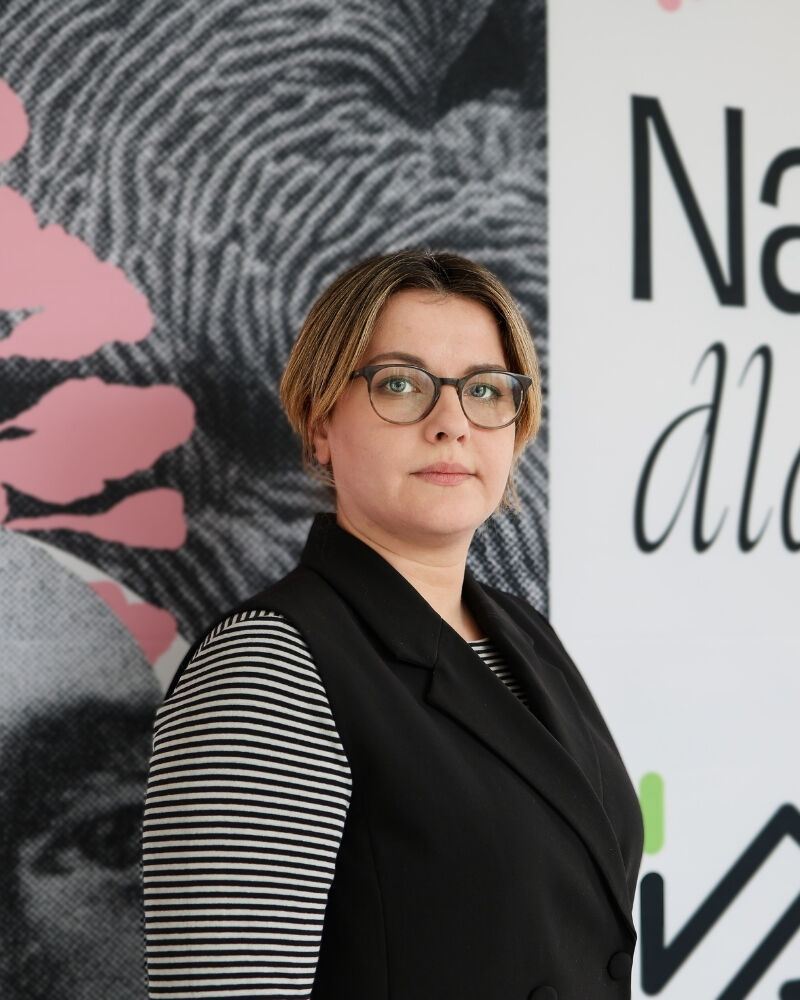
Dr. Justyna Mączyńska
Justyna is a biotechnology graduate of Wrocław University of Science and Technology and earned her PhD at the Department of Medical Biochemistry of Wrocław Medical University. During her doctoral studies, she received a Preludium grant and, through the Erasmus+ program and the Etiuda scholarship, gained extensive research experience in the Preclinical Molecular Imaging Team at the Institute of Cancer Research in London, where she also completed an initial postdoctoral internship.
Her main goal was to develop a photoimmunotherapy approach against cancer, using near-infrared light and small photoactive conjugates for the detection and treatment of malignant cells. She also studied the mechanisms underlying the transformation of an immunosuppressive tumor microenvironment into one responsive to immune activity.
Currently, as a member of our team, she works on immunotherapeutic strategies for treating glioblastoma multiforme, particularly through the use of γδ T cells in adoptive cell therapy. Her aim is to gain a deeper understanding of the mechanisms regulating cellular interactions within the complex tumor microenvironment.
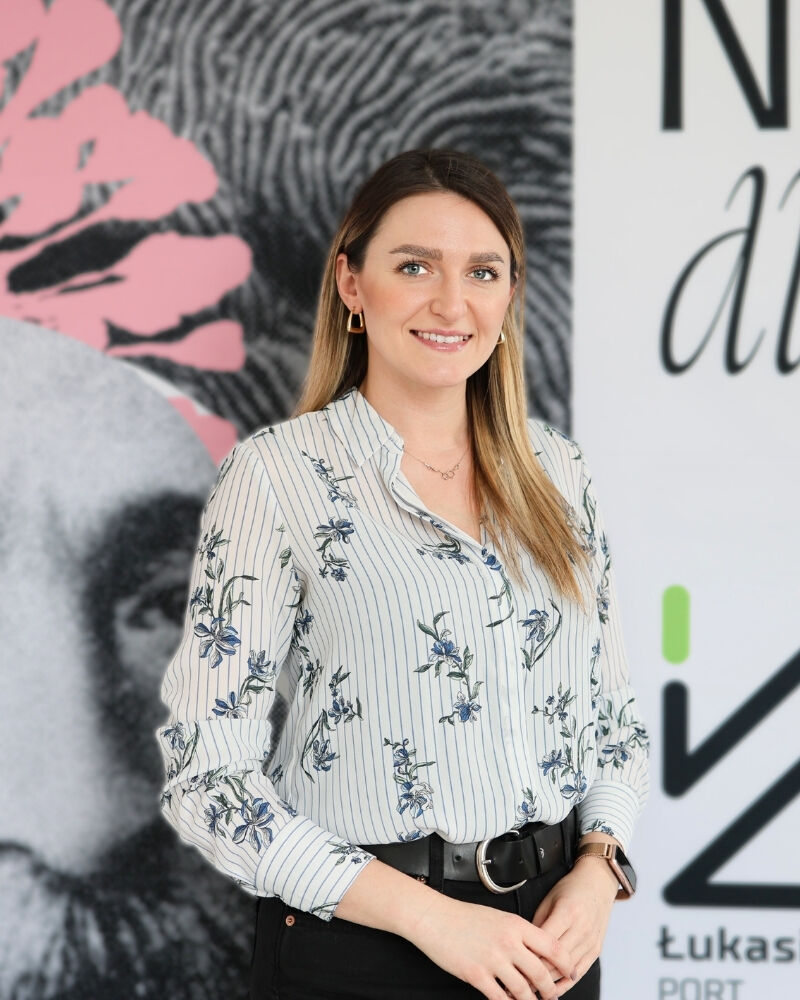
Natalia Frankiewicz
Natalia completed her engineering studies in biotechnology at Wrocław University of Science and Technology. She gained experience working in an analytical laboratory, where she expanded her knowledge of implementation processes and quality management. In our group, she serves as the lab manager, providing support to team members in their daily tasks.
Her responsibilities include monitoring laboratory inventory and coordinating orders. She is also responsible for budget control and documentation. Natalia supports the group in histological and immunohistochemical techniques, works with pathologists, processes human samples, and prepares microscopic histopathology slides used in diagnostics.
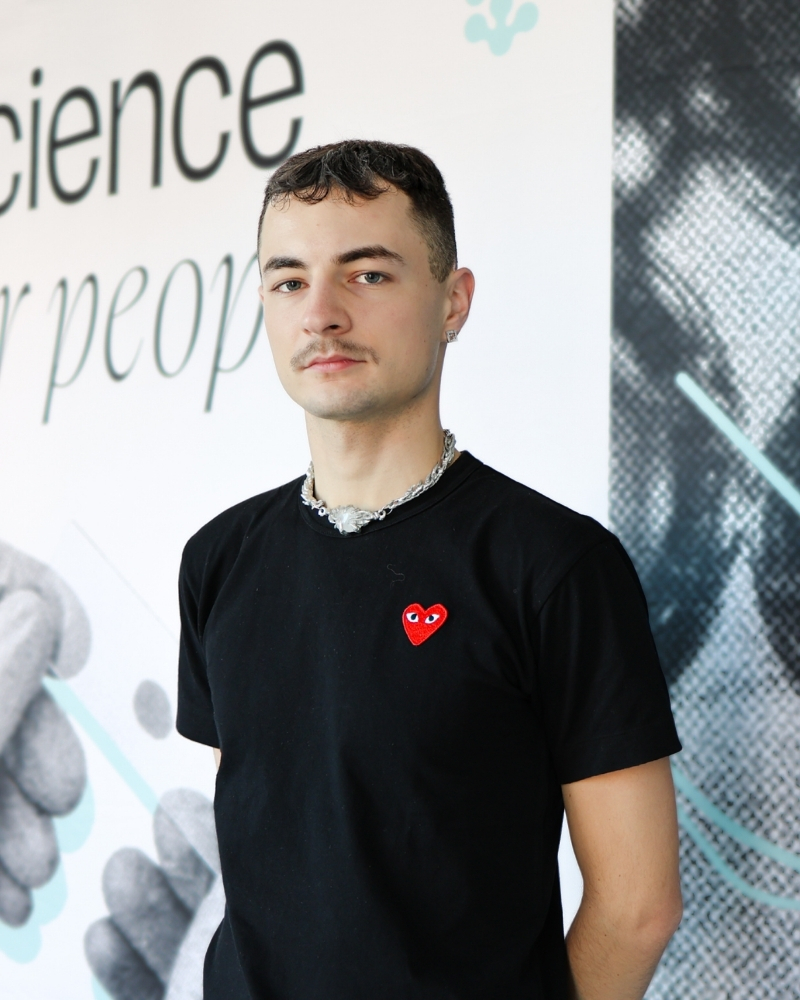
Leszek Moniakowski
Leszek graduated from the Faculty of Veterinary Medicine at Wrocław University of Environmental and Life Sciences. Since his second year of studies he has been conducting research at the Department of Biochemistry and Molecular Biology participating in projects focused on the development of monoclonal antibodies for the diagnosis and treatment of hematological malignancies in dogs.
His scientific interests include antibody engineering, particularly antibody humanization and caninization, high-throughput confocal microscopy and broadly defined immuno-oncology. As a veterinarian, he is especially interested in translational research, which bridges the gap between basic science and clinical practice. He has experience working with in vivo models used for the preclinical evaluation of novel therapeutic strategies.
As a member of the Immunotherapy Research Group, he is involved in research on cellular therapy for glioblastoma including the development of 2D and 3D tumor models, the culture and expansion of γδ T lymphocytes, cytotoxicity assays, and the application of genome editing technologies and advanced intravital imaging techniques to gain deeper insight into tumor-immune cell interactions.

Julia Pierwoła
Julia graduated from Wrocław University of Environmental and Life Sciences, where she obtained a Master of Science degree in Biotechnology. During her studies, she gained experience in laboratory work, with a particular focus on cell biology, cell culture techniques, and biochemical analyses. Within the Research Group, she is responsible for maintaining cell cultures and performing biological assays supporting research on novel therapeutic strategies.
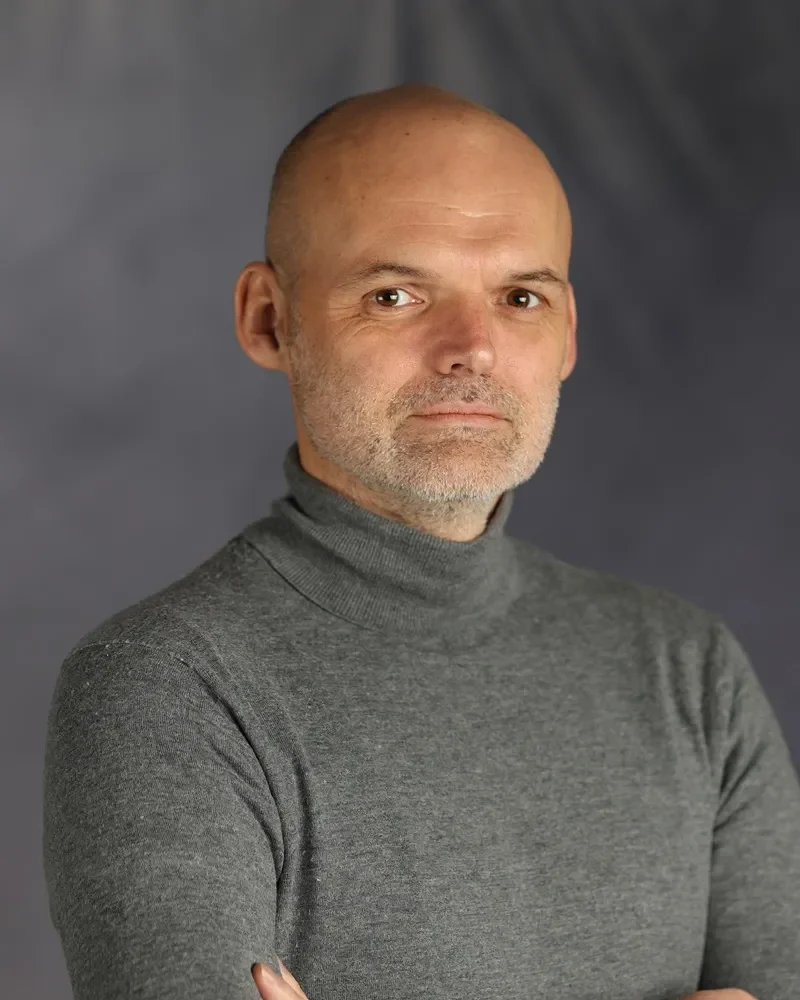
Łukasz Wojciech
After earning his PhD in veterinary science, he joined the Center for Biotechnology and Genomic Medicine at Georgia Regents University in the United States, where he conducted research in the laboratory of Professor Leszek Ignatowicz. His work focused on the influence of the microbiome on intestinal intraepithelial lymphocytes, regulatory T cell selection, and effector cell differentiation. This research also involved developing methods for T cell receptor (TCR) repertoire analysis, integrating experimental approaches with bioinformatics.