Signals received by immune cells during HIV infection may influence where the virus integrates its genetic material and how it behaves in infected cells. Researchers will investigate whether cells that form the HIV reservoir develop a form of “immunological memory” that shapes the reservoir’s characteristics and affects the virus’s potential for reactivation. The study seeks to better understand the mechanisms that allow HIV to persist in the body.
Modern antiretroviral drugs effectively suppress HIV replication but cannot completely eliminate the virus from the body. HIV can integrate its genetic material into the DNA of infected cells and remain dormant for many years. Cells harboring latent proviruses form the latent HIV reservoir—one of the main obstacles to curing HIV infection.
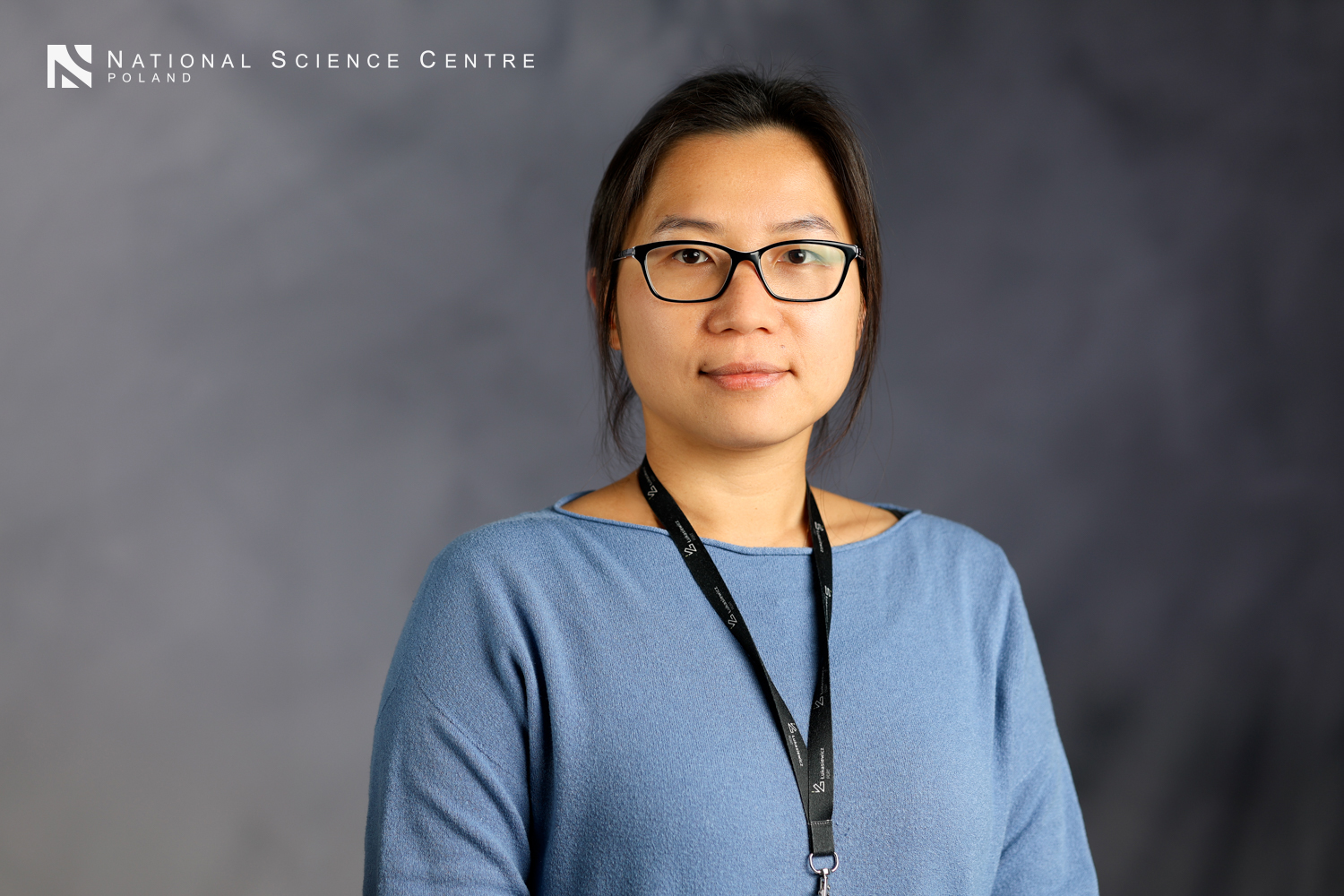
Dr. hab. Heng-Chang Chen, leader of the Quantitative Virology Research Group at the Population Diagnostics Center, and his team have long sought to understand why HIV hidden within cells does not always behave in the same way. In some cases, the virus can be reactivated relatively easily; in others, it remains deeply dormant. In a new three-year project funded by Poland’s National Science Centre under the OPUS 30 LAP call, the researchers will investigate the causes of these differences together with the team of Prof. Marina Lusic at Heidelberg University Hospital in Germany.
Immunological Memory in Cells and HIV Latency
The new research grew out of observations involving CD4+ T cells—immune cells that constitute the main HIV reservoir in the human body. In laboratory experiments, researchers need to activate these cells before they become permissive to HIV infection. A specific group of cytokines—γc cytokines—such as interleukin-2 (IL-2), IL-7, and IL-15, is responsible for CD4+ T cell activation.
Dr. Chen’s team observed that CD4+ T cells show different levels of susceptibility to HIV infection depending on the γc cytokines used to activate them. Preliminary findings also suggest that signals received before infection may influence subsequent viral transcription and reactivation.
“This new project is directly connected to our previous work. Until now, we have primarily studied the HIV reservoir heterogeneity at the level of HIV sense and antisense transcription. We now want to examine the processes occurring at the cellular level linking sense and antisense transcription and epigenetic regulation,” explains Dr. hab. Heng-Chang Chen.
The researchers hypothesize that prior exposure to a particular cytokine may leave a form of “immunological memory” in the cell—changes that could influence the establishment of the HIV reservoir and the subsequent reactivation of dormant provirus. Testing this hypothesis is one of the project’s main objectives.
International Collaboration in HIV Research
As part of the joint project, Prof. Marina Lusic will investigate how the spatial organization of DNA within cells influences where HIV integrates its genetic material and the virus’s subsequent activity. The researchers will also examine the role of different cytokines in these processes.
The Łukasiewicz – PORT team will further develop and refine B-HIVE technology, which allows researchers to study the activity of individual HIV copies integrated into the DNA of infected cells. Using this technology, they will investigate how different cytokines influence the regulation of viral activity.
The Heidelberg team will use advanced microscopy techniques to study where HIV genetic material is located within the three-dimensional structure of human DNA. The researchers will also examine how DNA organization is linked to viral activity in cells exposed to different cytokines.
By combining their research methods and analyzing the results from both institutions, the researchers aim to understand how cytokines shape the molecular microenvironment in which HIV remains hidden and how previous exposure to different cytokines affects the characteristics of the HIV reservoir and the virus’s potential for reactivation.
The collaboration will also help develop a new technology platform for more detailed studies of how HIV persists in infected cells.
γc Cytokines in HIV Cure Strategies?
Understanding the role of γc cytokines in reactivating dormant HIV, particularly HIV in a state of deep latency, is important for advancing current therapeutic strategies, such as the “shock-and-kill” strategy. This approach aims to reactivate the virus so that infected cells can be recognized and eliminated by antiretroviral drugs or cellular cytotoxicity. During latency, HIV produces little or no viral protein, making infected cells invisible to the immune system. One of the greatest challenges in curing HIV infection is targeting latent proviruses that are particularly difficult to reactivate.
“We will gain a better understanding of how cells in the HIV reservoir respond to different cytokines. This will help us determine how the molecular microenvironment within these cells affects their response to specific signals and under which conditions the virus can be more easily reactivated. This knowledge could help improve the effectiveness of existing HIV treatments,” explains Dr. hab. Heng-Chang Chen.
In parallel, Łukasiewicz – PORT researchers are investigating possibilities for a functional cure for HIV infection in a separate project using the “block-and-lock” strategy. Unlike “shock-and-kill,” this approach seeks to keep HIV permanently silent without necessarily eliminating the integrated viral genetic material.
Toward Personalized HIV Therapies
Research into the mechanisms shaping HIV reservoir heterogeneity and methods of targeting the previously hidden reservoir may eventually contribute to the development of more individualized treatments.
“A single therapeutic strategy will probably not be sufficient for every patient. A combination of approaches to target the heterogeneity of HIV pathogenesis and compensate for between-patient variations may prove more effective. Treatment choices can also depend on the stage of infection and when a patient presents for care. That is why we hope to see more personalized HIV treatment in the future,” emphasizes Dr. hab. Heng-Chang Chen.