As part of our website, we use cookies to provide you with the highest level of service, including services tailored to your individual needs. By continuing to use the website without changing your cookie settings, you agree to the placement of cookies on your device as described in our Privacy Policy. You can change your cookie settings in your web browser at any time. Acceptance of essential cookies is required for the proper functioning of the website. For more detailed information, please refer to our PRIVACY POLICY.
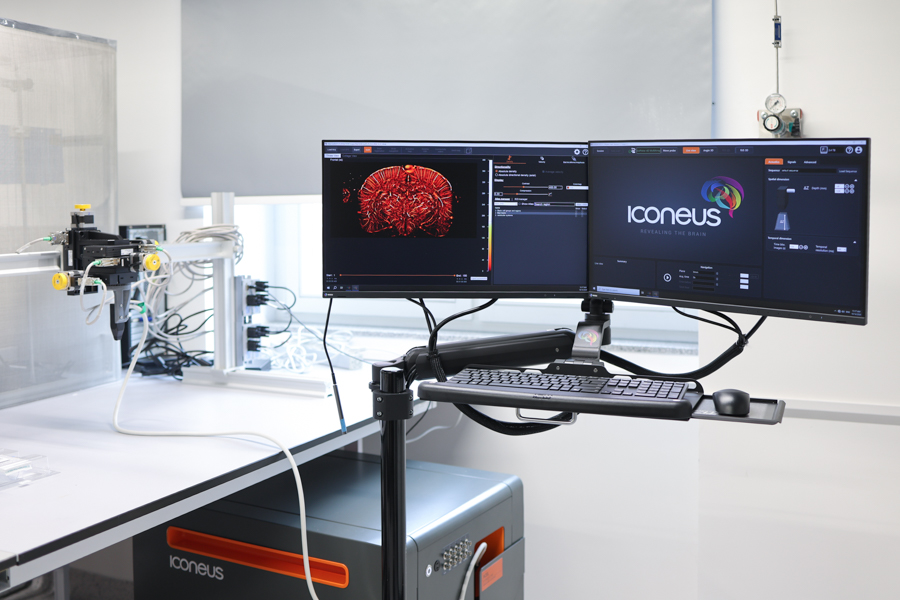
Researchers at the P4Health Center now have access to the Iconeus One system. This addition to the research platforms will help them investigate how changes in astrocyte function affect brain networks and their response to experimental treatments.
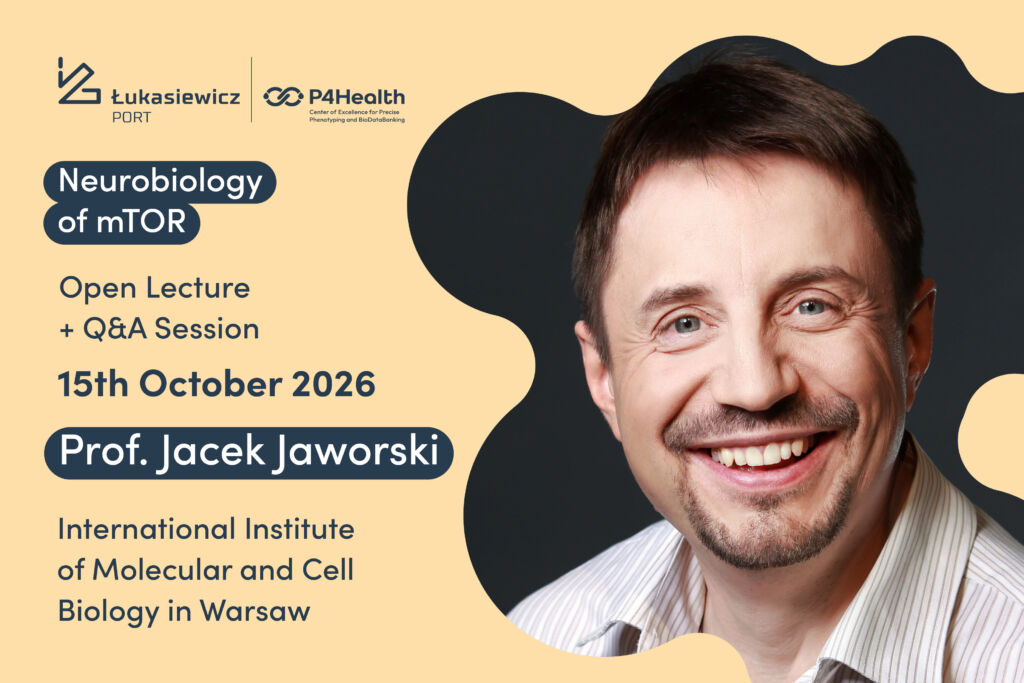
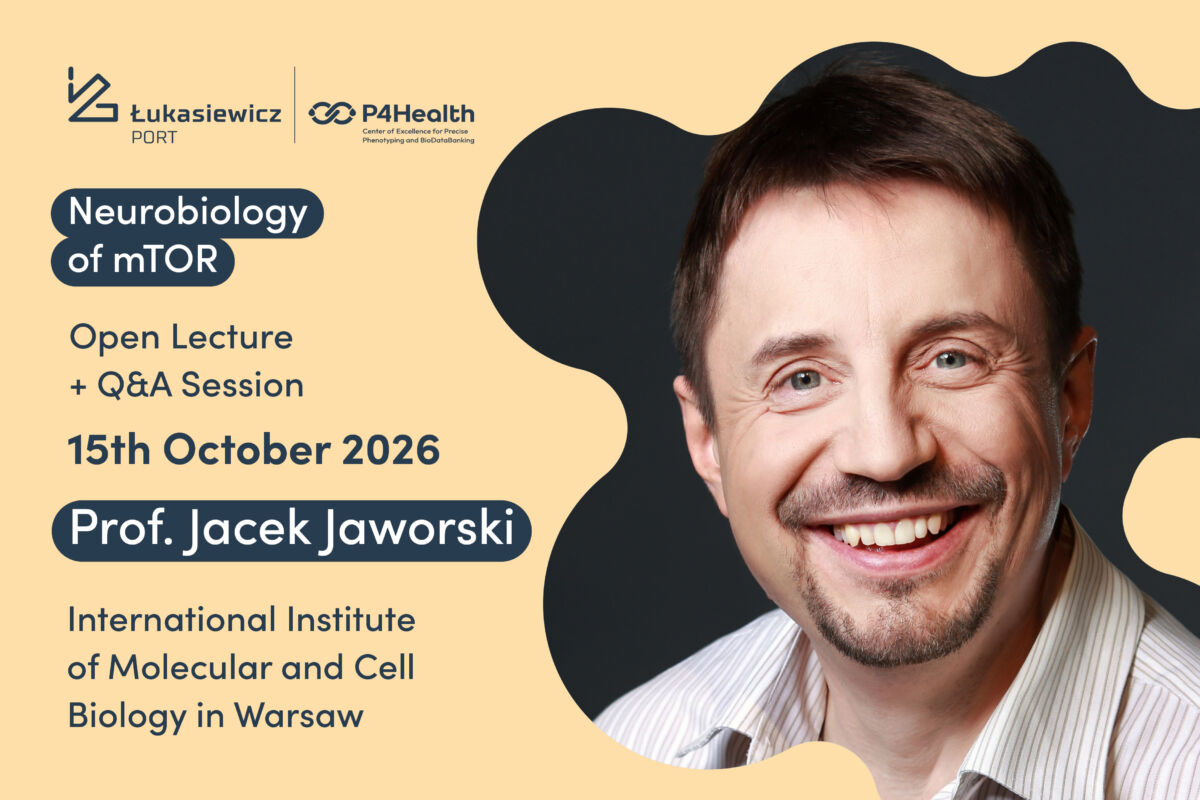
mTOR is an enzyme that regulates cellular processes and plays a key role in neuronal development. At an open scientific seminar at Łukasiewicz – PORT, Prof. Jacek Jaworski will explore its lesser-known functions and their importance for the nervous system.
A lightweight, hydrogen-powered drone capable of monitoring rivers and lakes, detecting pollution, and inspecting water infrastructure—that is the concept researchers from Opole, Wrocław, and Kraków are working to bring to life. Prof. Andrzej Białowiec is also involved in the project, focusing on developing structural materials using recycled raw materials recycled materials.
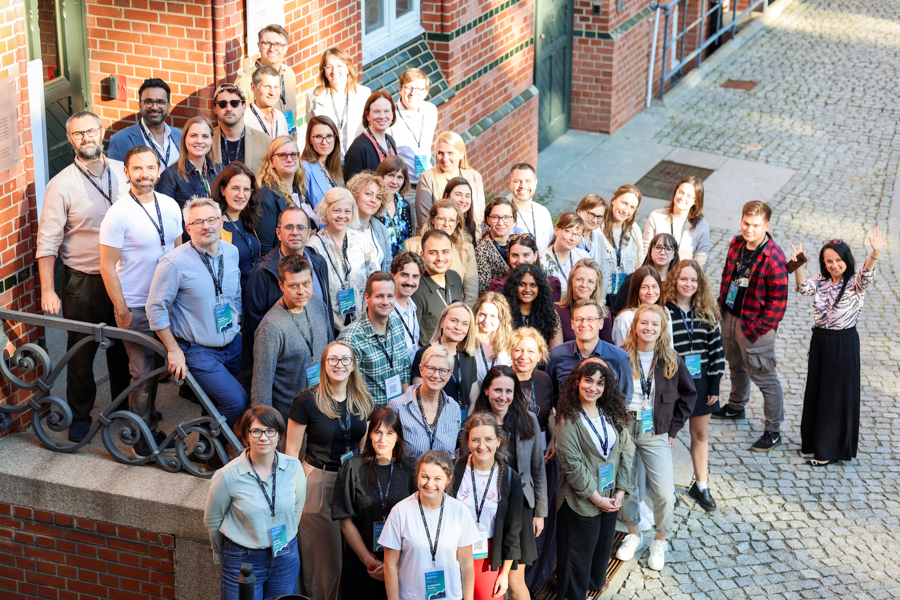
Glial cell researchers from more than a dozen research institutions across Poland gathered at Łukasiewicz – PORT for a two-day event to establish the Polish Glia Network.
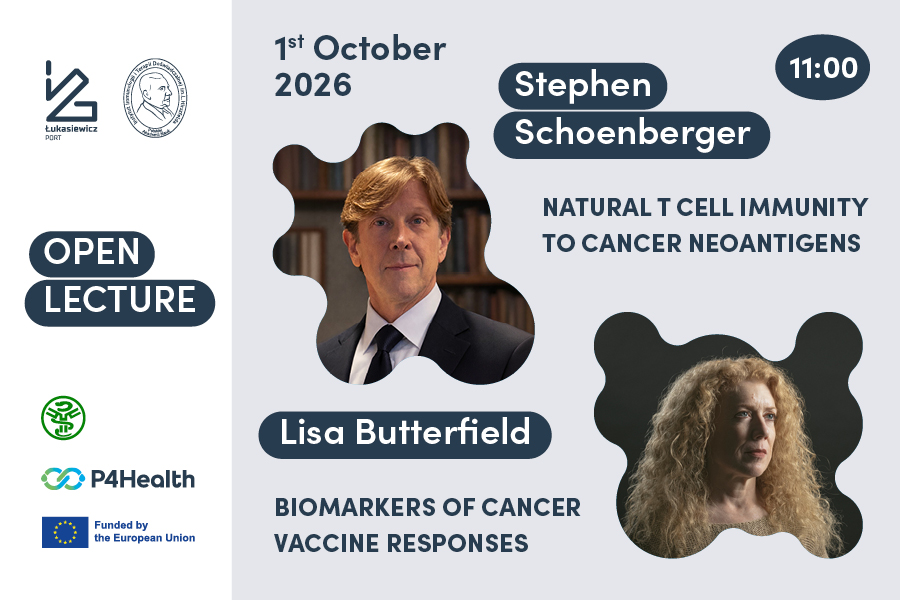
How can the immune system support personalized cancer treatment, and what determines the effectiveness of cancer vaccines? These questions will be explored at the next open seminar by Prof. Stephen P. Schoenberger and Dr. Lisa H. Butterfield.
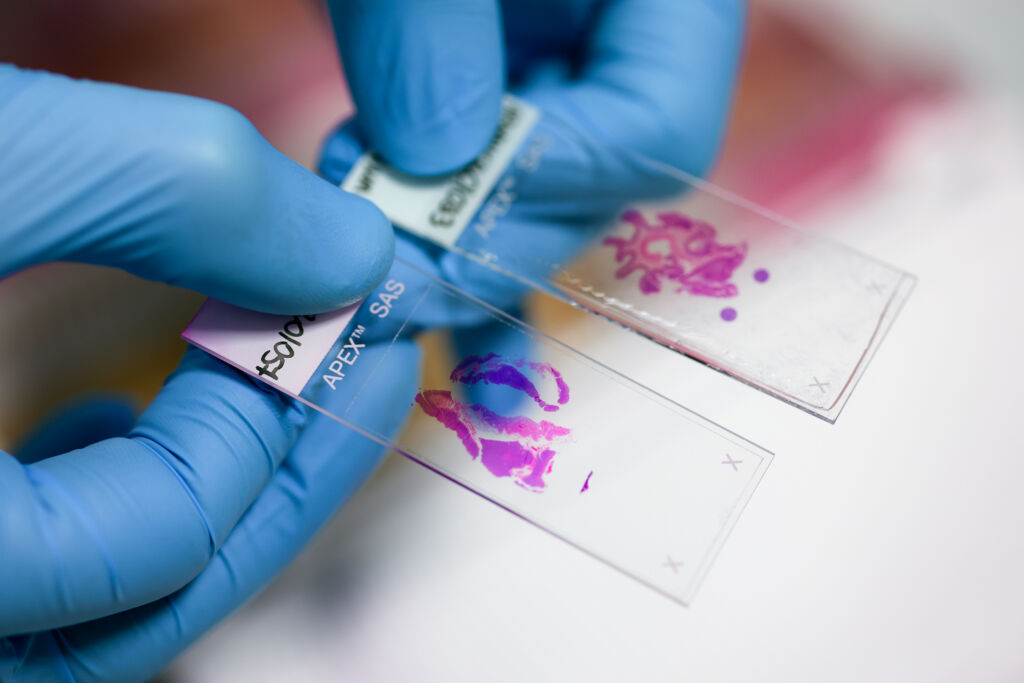
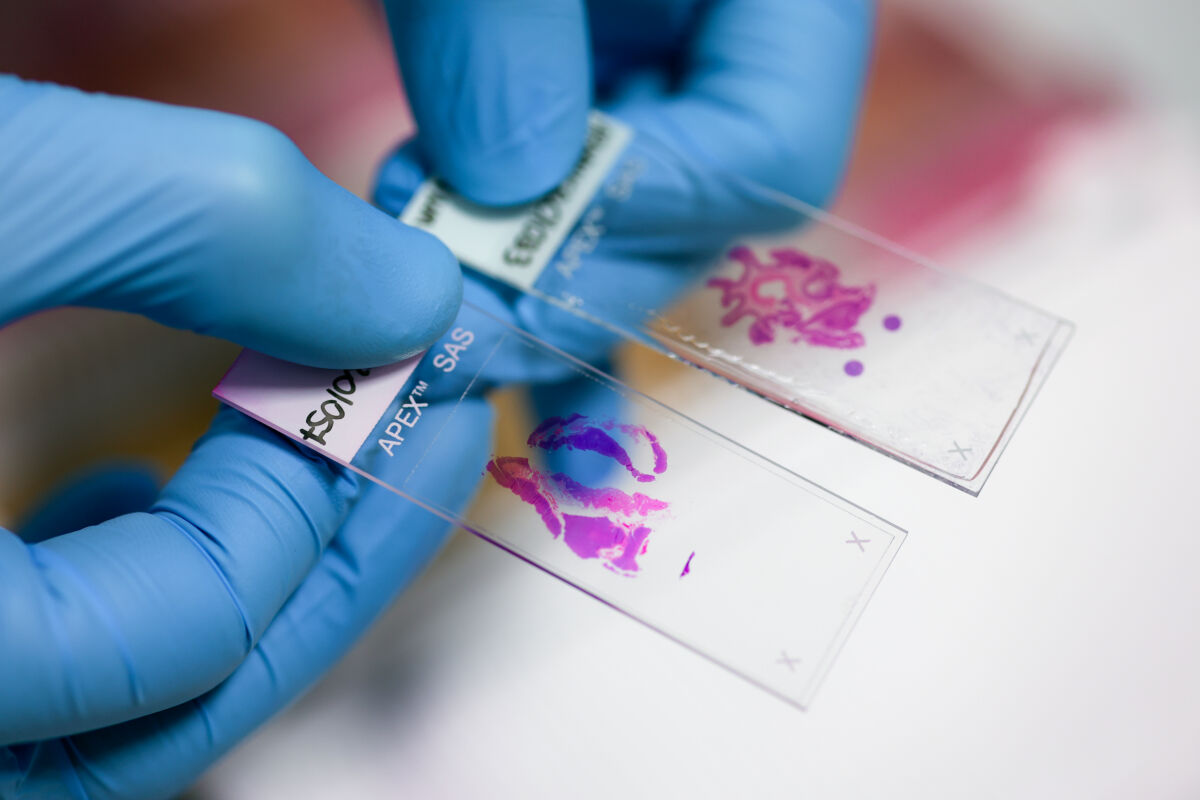
Translational medicine, biobanking, and brain research are the focus of three projects involving scientists from Łukasiewicz – PORT that have been included in the latest updated edition of the Polish Map of Research Infrastructure.
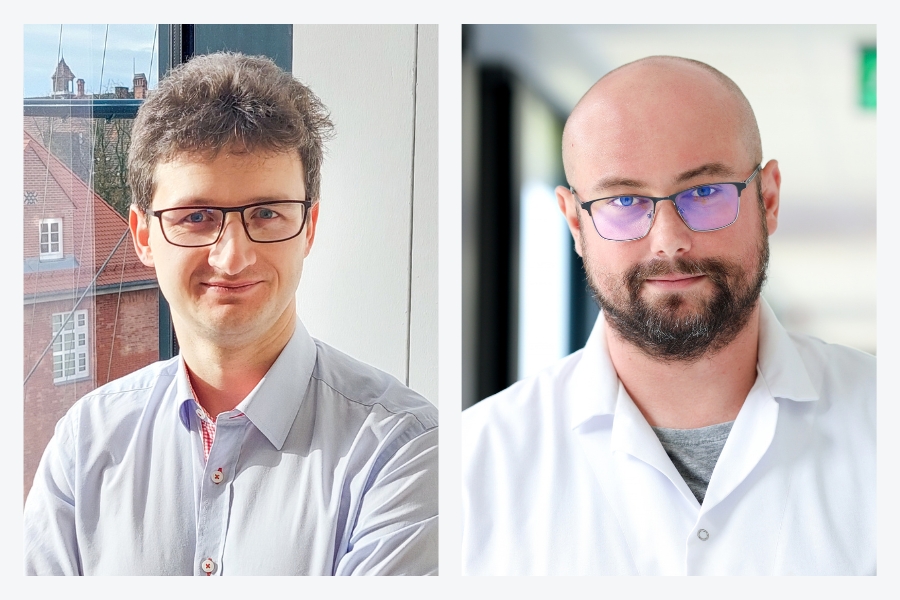
Recent research on scintillation is expanding beyond material composition to include the role of the nanoscale environment in light–matter interactions. Dr. Dominik Kowal and Dr. Michał Makowski of the Photonic Materials Research Group are investigating these effects to develop more efficient scintillators with greater control over their properties.
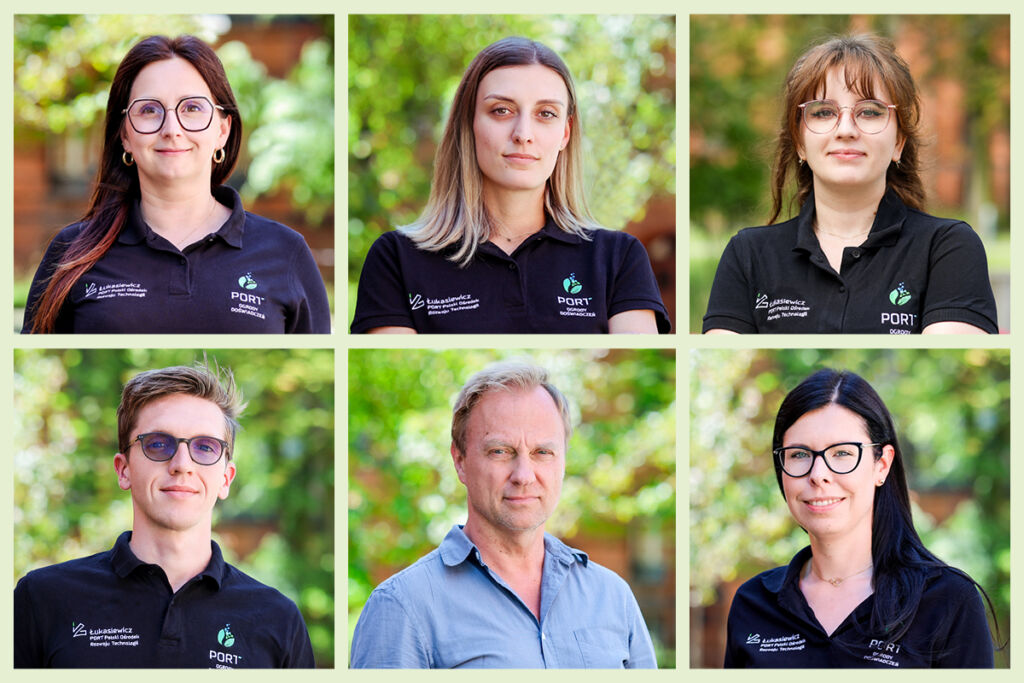
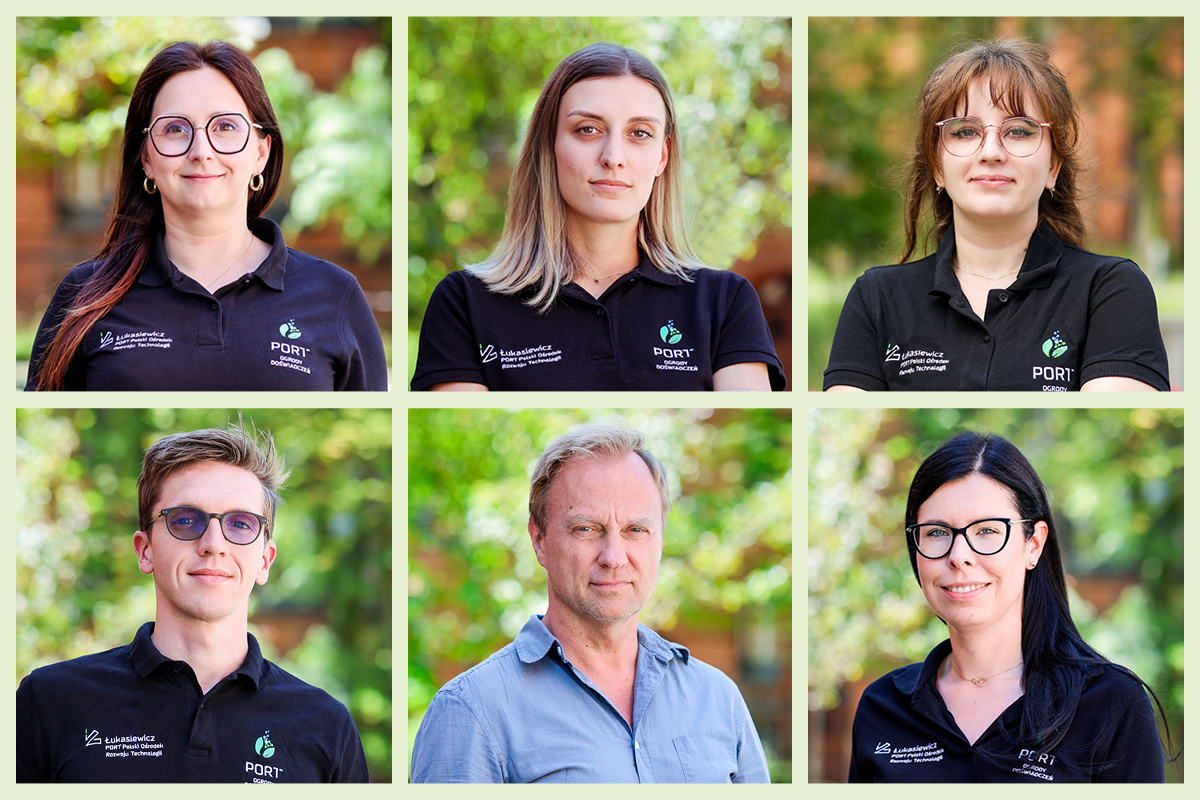
They lead workshops, develop original lesson plans, and take part in science outreach events. Behind the Gardens of Experiences is a team of educators from a range of disciplines, united by their ability to make complex scientific topics accessible.
Dr. Anastasiia Lysak will spend three months at Pohang University of Science and Technology (POSTECH) in South Korea. With funding from the National Science Centre’s MINIATURA program, she will advance her research on integrating advanced materials used in semiconductor technologies.
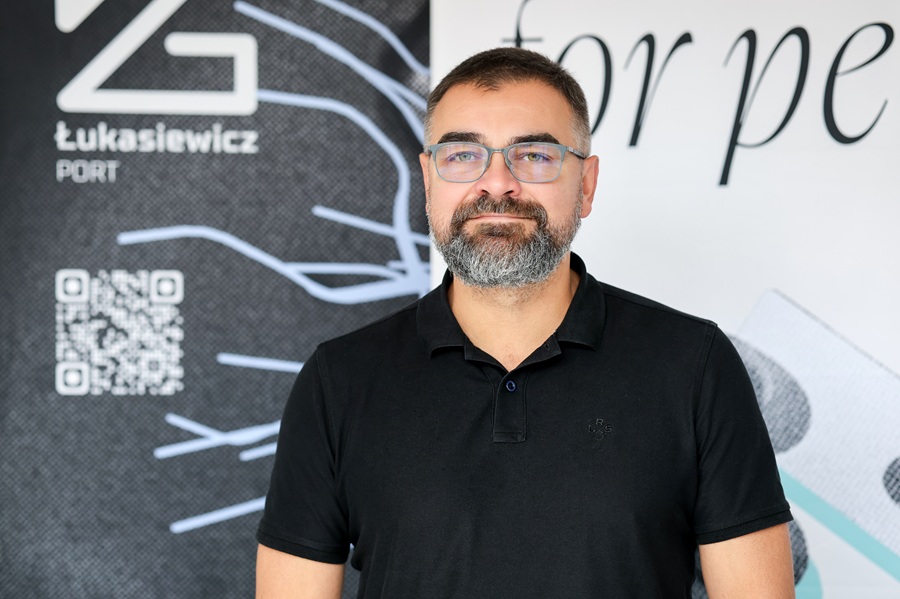
Dr Michał Ślęzak will lead Łukasiewicz – PORT’s activities within EU-GLIA, a new pan-European network of glial cell researchers established with funding from the COST programme. The funding will support conferences, training activities and scientific exchanges, while fostering collaboration between research centres across Europe.