Translational medicine, biobanking, and brain research are the focus of three projects involving scientists from Łukasiewicz – PORT that have been included in the latest updated edition of the Polish Map of Research Infrastructure. The document features the country’s most important unique research equipment, laboratories, and systems, providing strategic resources for scientific research.
Strategic Infrastructure for Polish Science
The Map includes initiatives of particular importance to Poland’s research and innovation system. Between 2024 and 2026, the Ministry of Science and Higher Education carried out an update of the Map. Nearly 300 reviewers from Poland and abroad took part in the evaluation process, and the updated list now includes a total of 165 research infrastructures.
As Marcin Kulasek, Minister of Science and Higher Education, emphasizes, “large-scale strategic research infrastructures attract leading researchers and innovative companies.” Inclusion on the PMIB not only confirms the scientific potential of a given initiative, but also creates opportunities for its further development, funding, and collaboration with partners in Poland and abroad.
Shared Resources for Biomedical Research
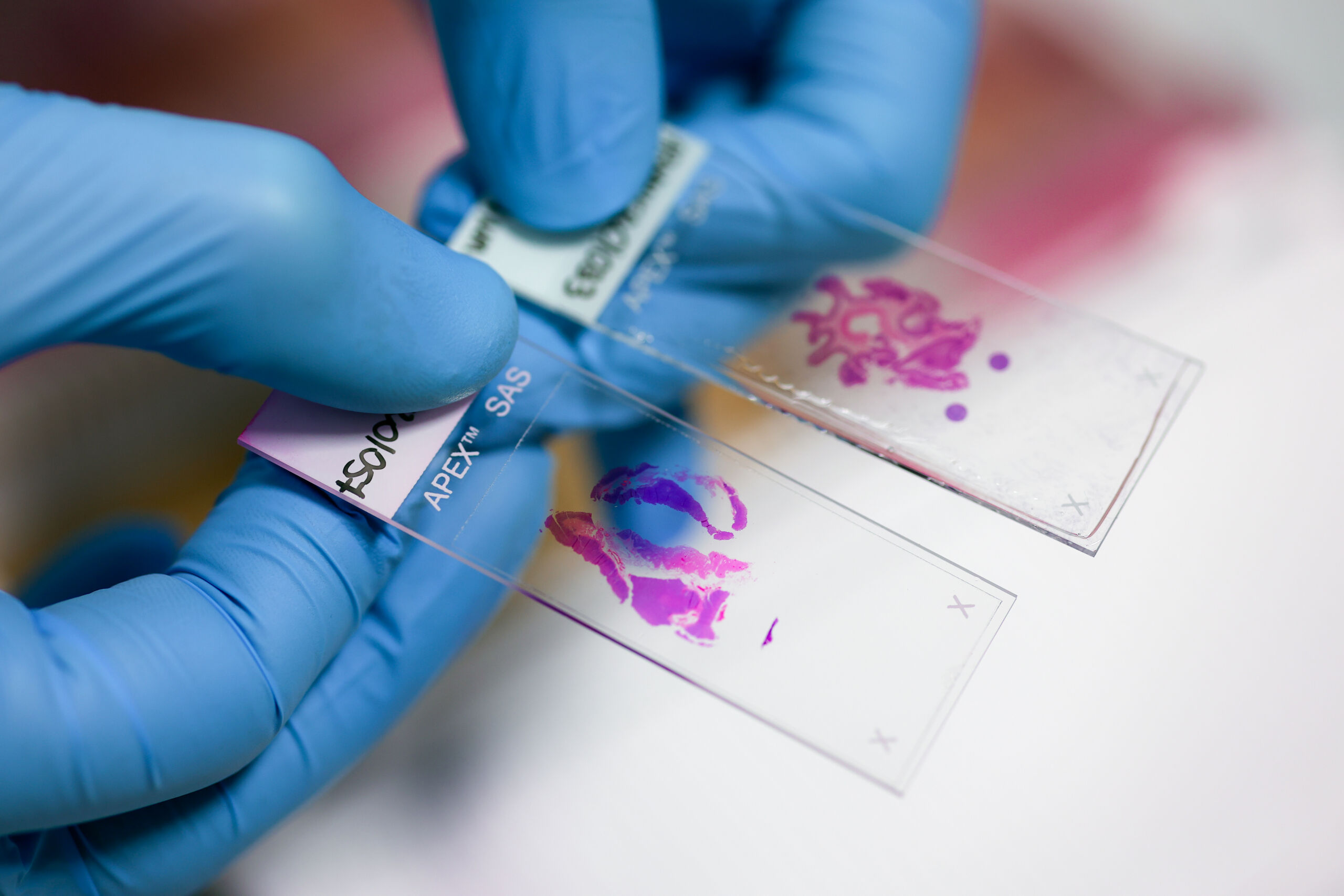
Dr. hab. Patrycja Gazińska represents Łukasiewicz – PORT in the Polish Biobanking Network, BBMRI.pl. This nationwide network brings together biobanks, their resources, and expert capabilities. Its continued development is intended to facilitate the secure collection, sharing, and reuse of biological material and associated data for research purposes.
BBMRI.pl operates within the European BBMRI-ERIC ecosystem, expanding opportunities for Polish institutions to participate in international biobanking and biomedical research initiatives.
Advanced Infrastructure for Translational Medicine
Dr. hab. Grzegorz Chodaczek is involved in the development of the Center for Bioimaging and Precision Phenotyping for Translational Medicine – PrecBioMed. The Center is designed to support research on cancer and neurological diseases. Its capabilities will be based on the integration of advanced imaging methods, precision phenotyping, and research models that enable a better understanding of disease mechanisms and the development of new diagnostic and therapeutic strategies.
The project brings together the expertise of Łukasiewicz – PORT, the Hirszfeld Institute of Immunology and Experimental Therapy of the Polish Academy of Sciences, and Wroclaw Medical University.
Digital Infrastructure for Brain Research
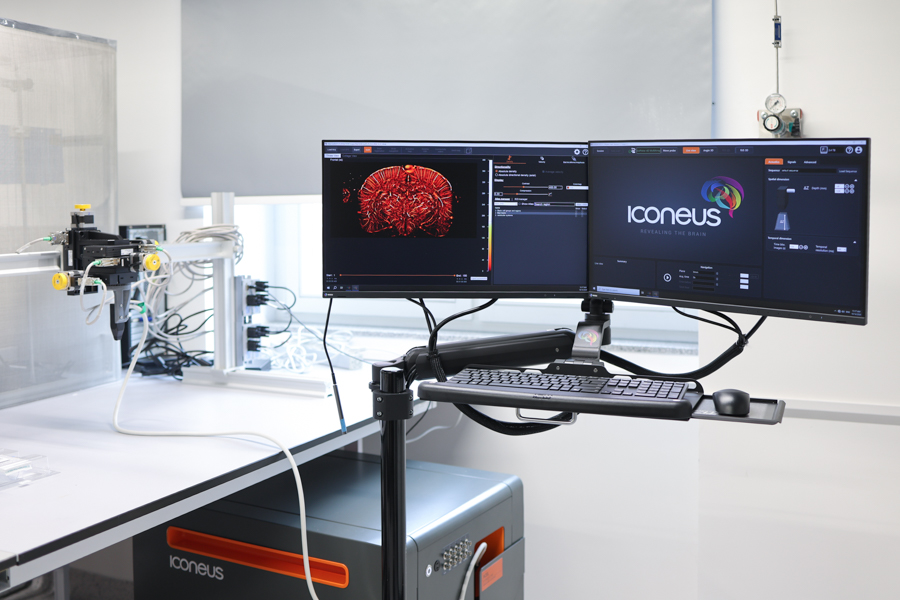
Dr. Mateusz Kucharczyk is developing EBRAINS-PL at Łukasiewicz – PORT as an open digital infrastructure for brain research. The project aims to create an environment for integrating and analyzing data on the nervous system, particularly the brain, while providing access to specialized digital tools and computing resources. This is intended to foster collaboration among teams from different disciplines and enable research to be conducted on a larger scale.
EBRAINS-PL is being developed in connection with the European EBRAINS infrastructure, which integrates data, tools, and resources used in neuroscience.
Greater Visibility and New Opportunities for Collaboration
Inclusion on the Polish Research Infrastructure Map supports the formation of consortia and the development of collaboration with universities, research institutes, clinical centers, and international partners.
For BBMRI.pl and EBRAINS-PL, this dimension is directly European in scope. PrecBioMed, in turn, strengthens ties among Wrocław-based scientific and medical institutions, helping build the region’s capacity in biomedicine and translational medicine.
These initiatives are also aligned with the direction set by the P4Health Centre operating at Łukasiewicz – PORT, which combines research on cancer and brain diseases with advanced phenotyping, biobanking, biological data analysis, and disease modeling. Its goal is to build research capacity for predictive, preventive, personalized, and participatory medicine.