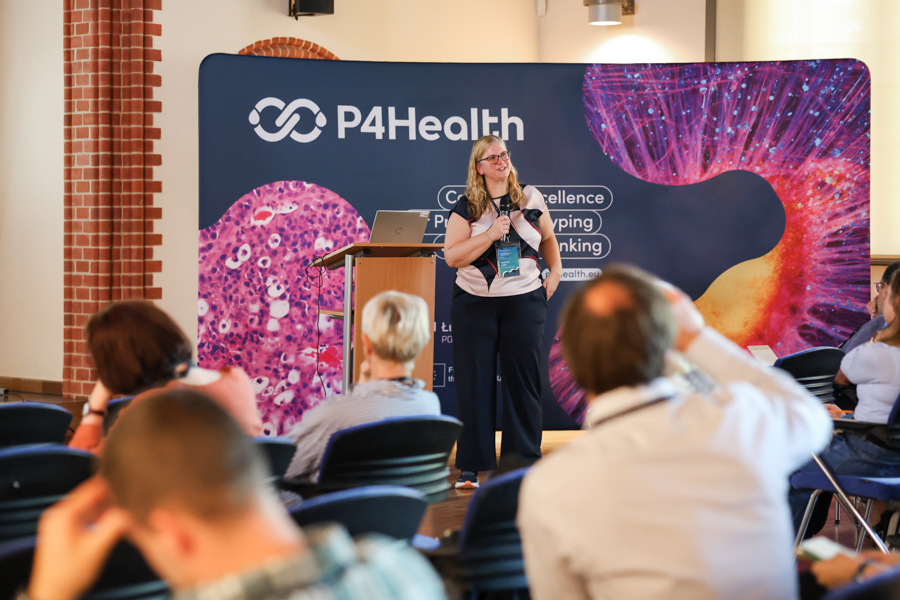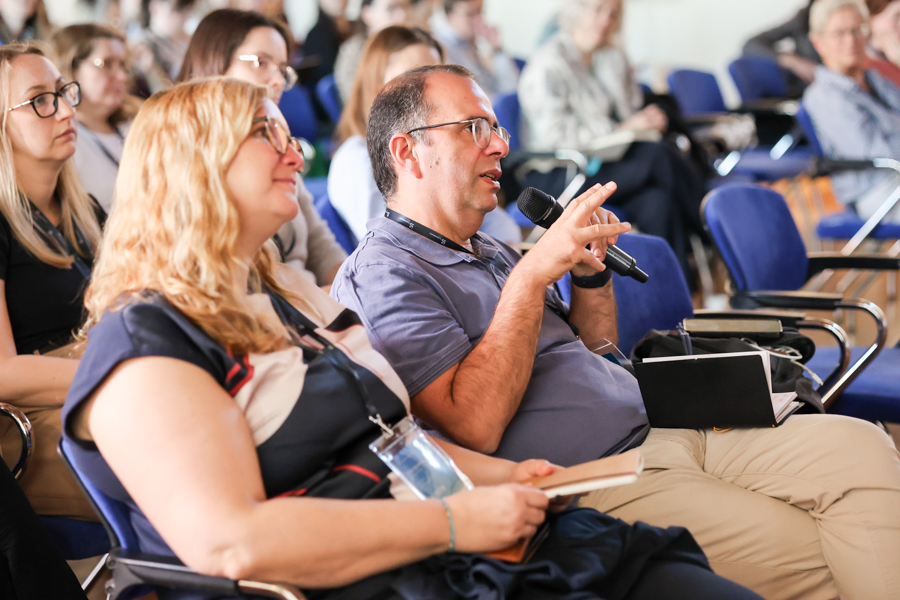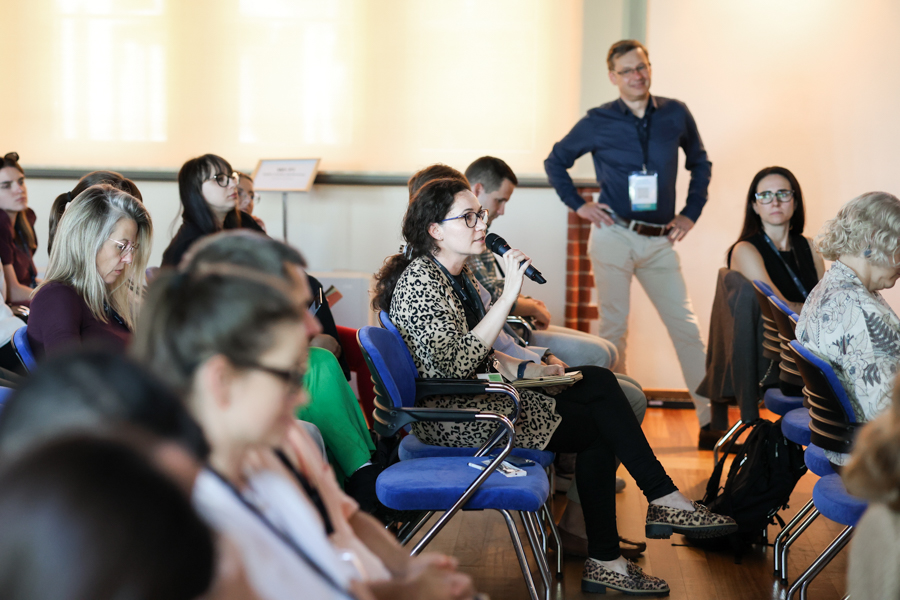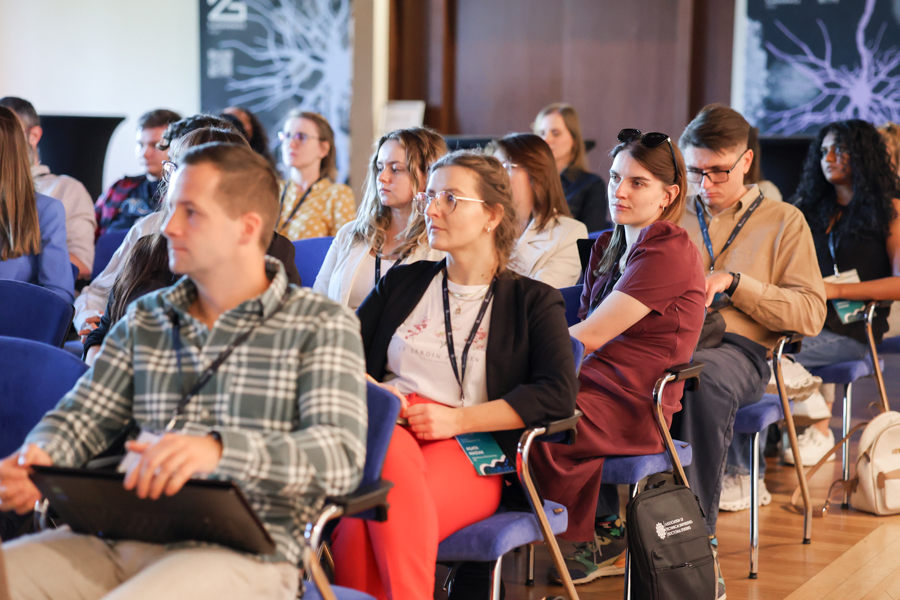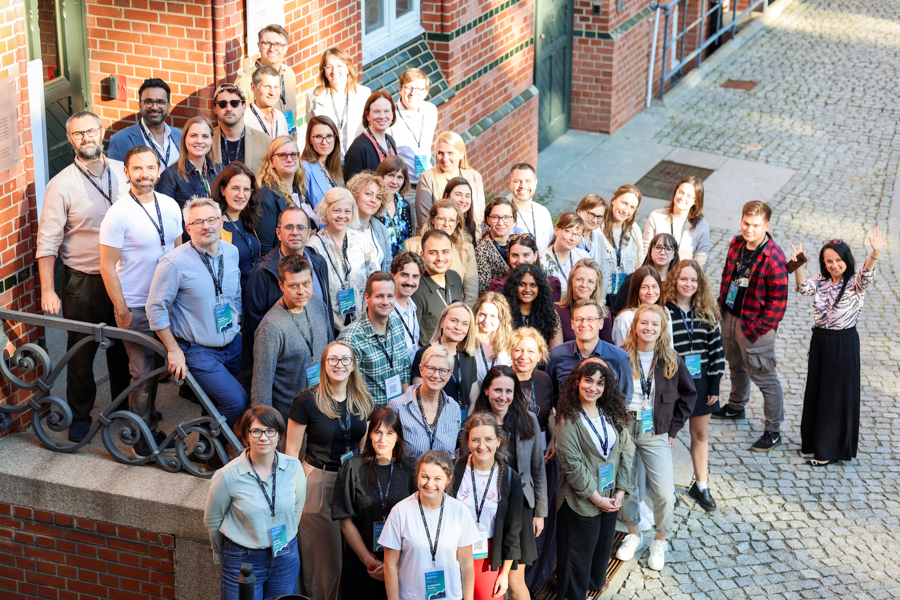
Glial cell researchers from more than a dozen research institutions across Poland gathered at Łukasiewicz – PORT for a two-day event to establish the Polish Glia Network, a nationwide association aimed at bringing the community together, facilitating the exchange of expertise, and developing joint research initiatives.
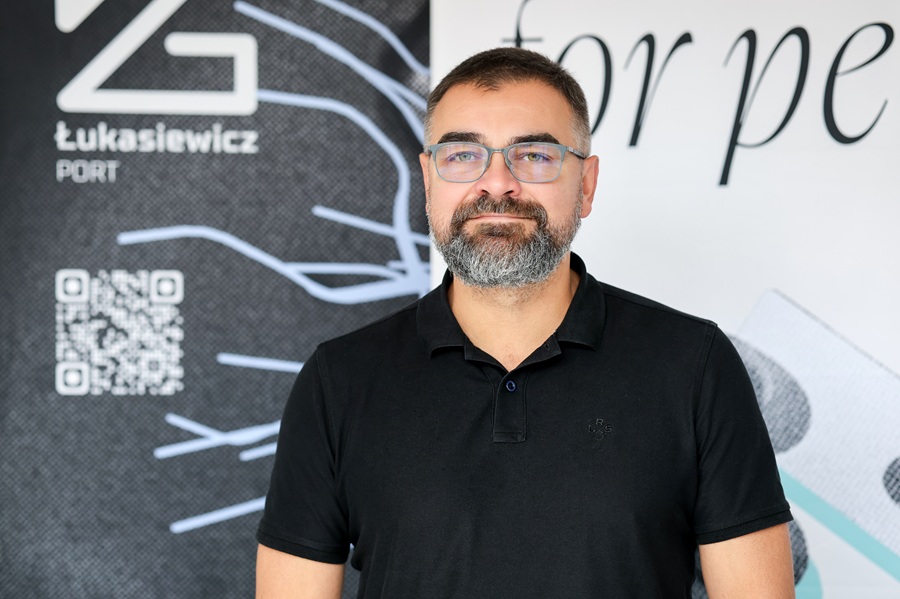
“In the brain, everything is interconnected: astrocytes, microglia, oligodendrocytes, and neurons constantly influence one another, while the blood-brain barrier exposes them to molecular signals circulating in the bloodstream. As a result, the symptoms of most brain disorders arise from dysfunction across multiple cell types, and a growing body of research points to the key role played by glial cells. Developing new therapies for psychiatric and neurodegenerative disorders therefore requires collaboration among scientists who study the same cells from different perspectives and using different methods. This new initiative is intended to make it easier for us to search for answers together,” says Dr. Michał Ślęzak, leader of the Biology of Astrocytes Research Group at the P4Health Center of Excellence and one of the organizers of the meeting.
The founders of the nationwide association include representatives of the University of Warsaw, Jagiellonian University, Wrocław University of Science and Technology, several institutes of the Polish Academy of Sciences — Nencki Institute of Experimental Biology, Mossakowski Medical Research Institute, Institute of Computer Science, Institute of Biochemistry and Biophysics, and Maj Institute of Pharmacology — as well as Wroclaw Medical University, Medical University of Gdańsk, Poznan University of Medical Sciences, Pomeranian Medical University in Szczecin, Warsaw University of Life Sciences (SGGW), and Łukasiewicz – PORT.
Glial Cell Biology from Different Perspectives
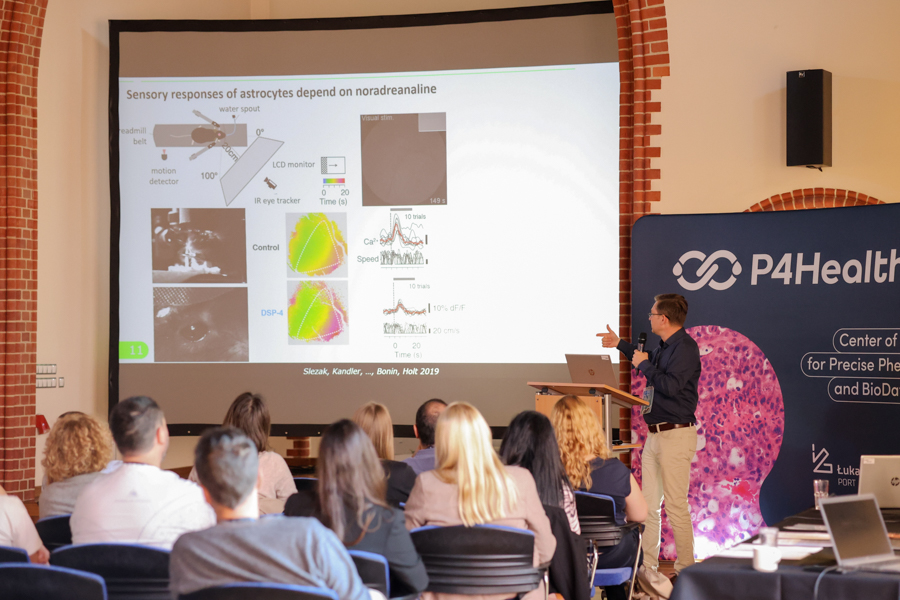
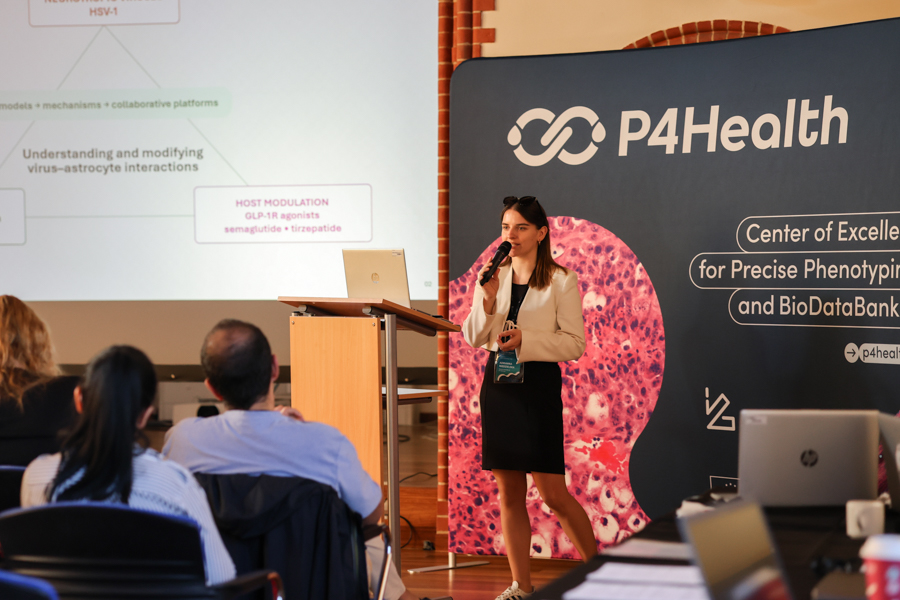
Over the course of two days, research group leaders from institutions across Poland presented the work of their teams, including the technologies available in their laboratories, with the aim of mapping the landscape of glial research in Poland. Across more than 20 presentations, they discussed topics including astrocytes and microglia, synaptic plasticity, metabolism, sleep, neuroinflammation, demyelination, neuropathic pain, neurodegeneration, and brain tumors. The presentations and discussions were also intended to help researchers identify potential partners for collaborative projects.
“This was the first time I gave a talk not to present my data, but to say: I am looking for collaborators in specific areas. And I succeeded in establishing those collaborations,” said Dr. Ben Hur Mussulini of the University of Warsaw.
Plenary lectures were delivered by special guests Dr. Kerstin Lenk of Graz University of Technology and Dr. João Bettencourt Relvas of the University of Porto.
Dr. Lenk is an expert in computational modeling of glial biology. “We incorporate new experimental findings into computational models, and what the models reveal then goes back to the laboratory. This is how we search for new therapeutic targets, including for the treatment of depression,” Dr. Kerstin Lenk explained. During her lecture, Dr. Lenk also presented COST EU-GLIA, an initiative she leads that is funded by the European Commission and aims to strengthen collaboration in glial research across Europe.
Dr. João Bettencourt Relvas, in turn, studies how glial cells maintain the health of nervous tissue and respond to injury. In his lecture, he explained how proteins from the Rho GTPase family, which coordinate the cytoskeleton and intracellular signaling, regulate the behavior of oligodendrocytes and microglia—and, in turn, myelin production and repair as well as inflammatory responses in the brain. Dr. Relvas also presented the work of the Network Glia Foundation, which organizes Europe’s largest recurring meeting for glial researchers.
From Computational Models to Neurodegeneration
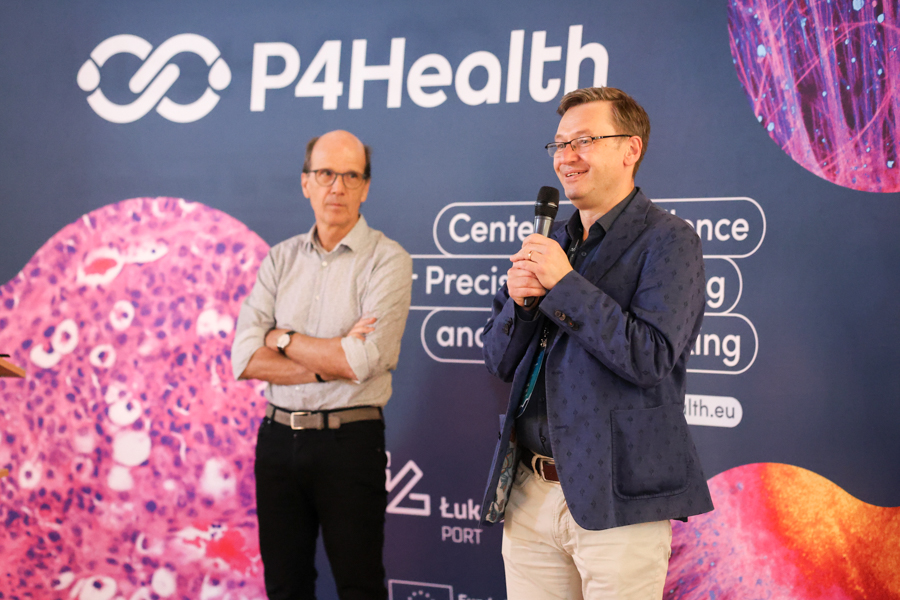
The meeting was initiated by scientists from Łukasiewicz – PORT in collaboration with the Warsaw Glia Community. It was opened by Prof. Bastian Hengerer, Director of the P4Health Center, while the concept and goals of the network were presented by Dr. hab. Anna Malik and Dr. Łukasz Szewczyk of the University of Warsaw and Dr. Michał Ślęzak.
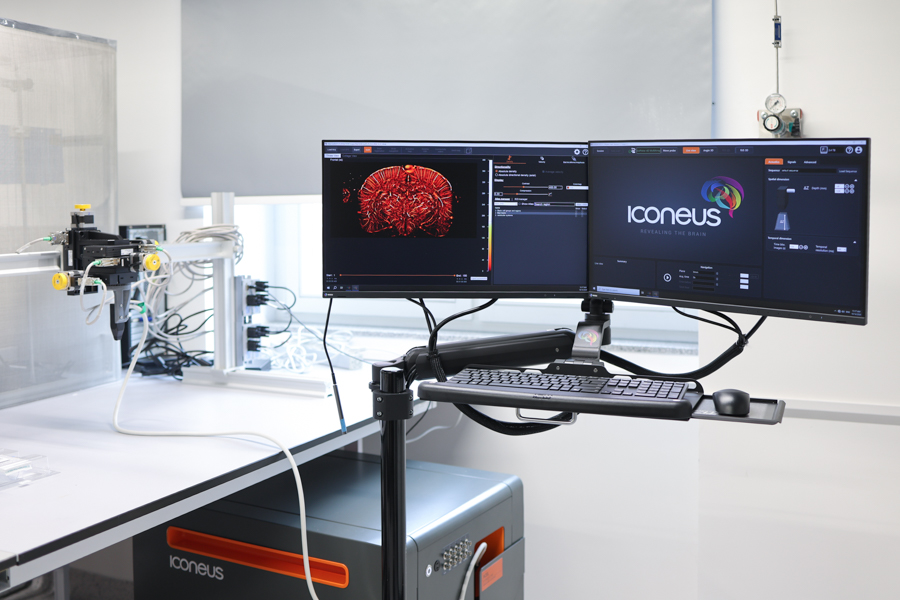
The meeting’s focus is closely aligned with research conducted at the P4Health Center of Excellence, established at Łukasiewicz – PORT with funding from the European Teaming for Excellence project, the Polish Ministry of Science and Higher Education, and the Foundation for Polish Science. The International Research Agenda implemented at P4Health focuses on astrocytes, one of the major types of glial cells. Researchers study them at multiple levels to identify new avenues for the treatment of brain disorders.