Functionał Ultrasound Imaging on Brain Circuits Research Group
Functional Ultrasound Imaging on Brain Circuits Research Group [Fus-Brain] – The Functional Ultrasound Imaging on Brain Circuits Research Group uses functional ultrasound (fUS) to analyse how astrocytes influence brain activity and functional connectivity. The studies also support the validation of new therapeutic targets in models of stress and Alzheimer’s disease by assessing how astrocyte-targeted interventions affect brain function and animal behaviour. In parallel, the group further develops and refines fUS technology so that it can serve not only as an advanced research tool, but also as a basis for future services and collaboration with academic and industrial partners.
Group Mambers
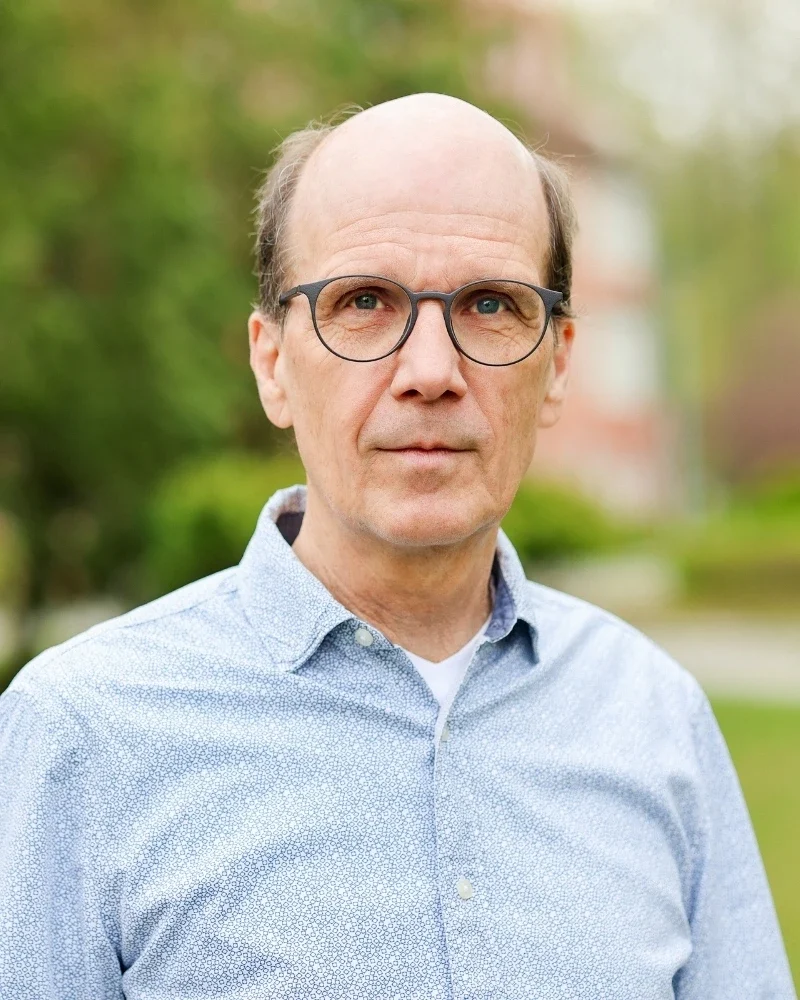
Prof. Bastian Hengerer
Bastian is a neuroscientist with extensive experience in pharmaceutical research. He leads P4Health as Director of the Centre of Excellence and serves as Principal Investigator of the MAB research program funded by the Foundation for Polish Science.
His scientific work focuses on the neurobiology of stress-related and neurodegenerative disorders, with a particular interest in astrocyte biology and its role in psychiatric disease. Before joining Łukasiewicz – PORT, he held senior scientific leadership positions in the pharmaceutical industry, directing discovery programs spanning neurodegeneration, neuropsychiatry, and translational neuroscience.
At P4Health, Prof. Hengerer oversees the strategic development of the center—its research agenda, its partnerships with King’s College London and CERBM, and its transition toward a self-sustaining Centre of Excellence. He combines scientific leadership with a strong orientation toward translational outcomes: science that reaches patients.
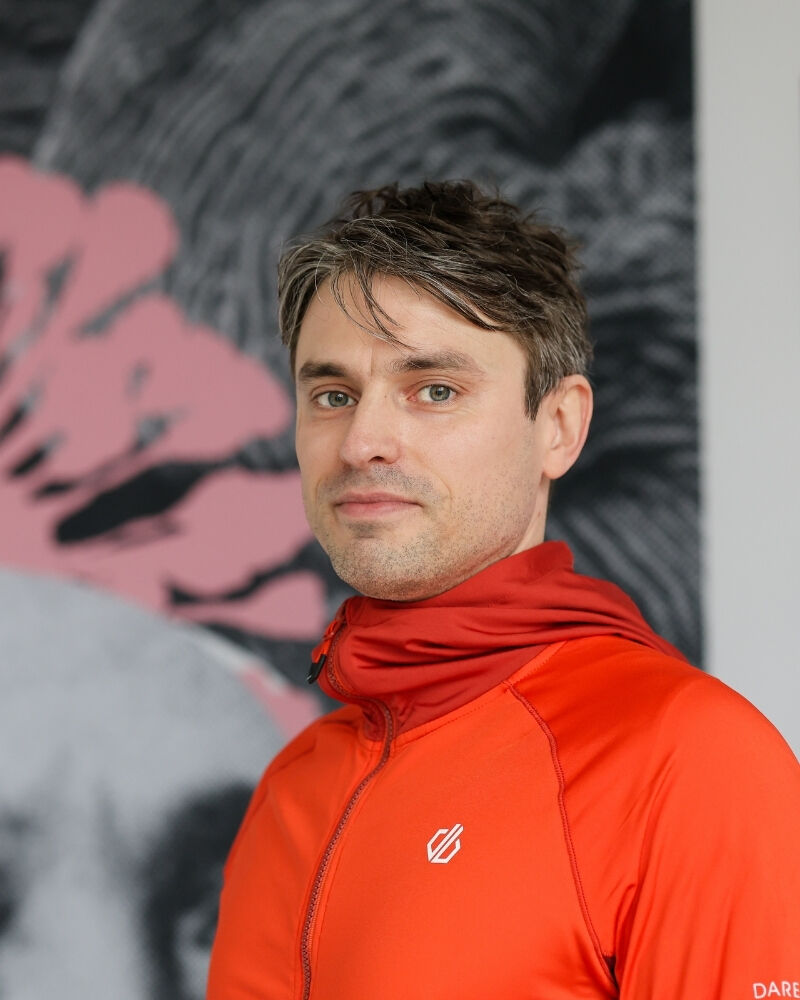
Dr. Bartosz Zgliński
Bartek completed his studies at the University of Warsaw and then began doctoral studies at the Nencki Institute of Experimental Biology of the Polish Academy of Sciences in Warsaw. In both institutions, he participated in projects related to metabolism, with particular emphasis on adipose tissue metabolism and its regulation by microRNAs. This work led to the discovery of several microRNAs associated with the process of non-shivering thermogenesis.
Additionally, Bartek became involved in side projects in the field of cognitive neuroscience, where he developed an interest in non-invasive methods for assessing animal behavior and data analysis. The experience he gained in these methods, combined with inspiration from the metabolic cage system used in his previous project, encouraged him to work with an automated T-maze system connected to animal-behavior analysis using deep learning methods. The use of neural networks enabled analyses at a level difficult to achieve with traditional techniques.
Currently, at Łukasiewicz – PORT, Bartek continues to develop this concept and is responsible for the implementation of a tool known as the “social box,” which enables the characterization of more complex social behaviors in animals.