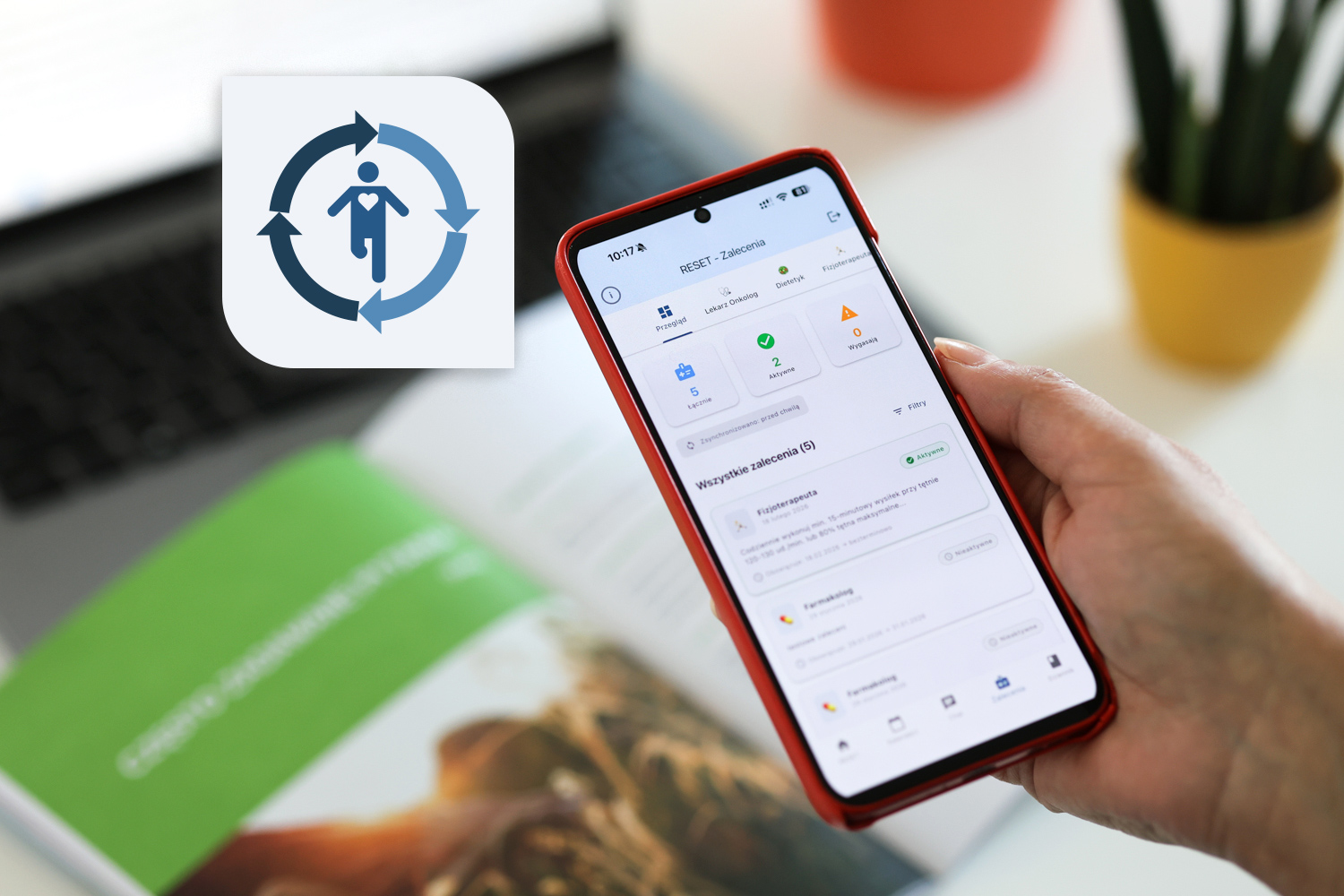
The mobile app is one of the key components of the RESET project, supporting patients even before they are admitted to the hospital. It helps them follow their personalized preoperative plan, provides reminders about medical recommendations, and enables ongoing contact with their care coordinator and medical team. By combining technology with the expertise of an interdisciplinary care team, RESET ensures that patients are not left on their own after leaving the doctor’s office —they receive support at every stage of treatment.
Prehabilitation – Better Preparation for Treatment
One of the most important components of the project is prehabilitation—a comprehensive process that takes place before a planned surgical procedure. It is an active approach to preparing the body for treatment, designed to improve the patient’s readiness for surgery and recovery. The process focuses on enhancing physical fitness, nutritional status, metabolic health, and psychological well-being.
Proper preparation can improve treatment tolerance, help patients undergo surgery more successfully, accelerate recovery, and reduce the risk of complications. This is particularly important in cancer surgery, as a patient’s overall condition affects not only the course of hospitalization but also the ability to begin subsequent stages of treatment on schedule.
A Care Plan Tailored to Each Patient
Before hospitalization, the patient’s health is assessed during consultations with a team of specialists. Depending on the patient’s individual needs, the care team may include a physician, nurse, physical therapist, dietitian, psychologist, clinical pharmacist, and care coordinator.
Based on these assessments, an individualized prehabilitation plan is developed. Each patient begins treatment with different needs and capabilities, so the preparation program is tailored to their specific health condition and circumstances. The plan may include exercises tailored to the patient’s abilities, nutritional recommendations, psychological support, medication management, and supplementation based on identified needs. The patient’s progress is monitored throughout the process, and they can report additional needs and consult with members of the care team. Preoperative support is not limited to a single appointment; instead, it forms a cohesive, coordinated process designed to prepare the patient for surgery.
The RESET App Is Now Live
The RESET mobile app helps patients follow their recommendations each day. It has already been implemented and is being used by project participants. This digital tool organizes the key information related to treatment preparation and postoperative recovery. After logging in, each patient receives a plan tailored to their health status and the recommendations of their care team.
The app reminds patients to take their medications and complete scheduled tests, provides instructions on how to prepare for diagnostic procedures, and gives them access to personalized nutritional recommendations and exercises selected by a physical therapist. It also allows patients to track their progress, access educational resources, contact their care coordinator, and record their own observations and experiences. Patients have all the essential information in one place, making it easier to follow their care plan between appointments. This promotes greater independence, better organization throughout the treatment process, and a stronger sense of control over their own care.
The app is being developed in collaboration with patients and medical experts to ensure that it addresses the real-world needs of people undergoing cancer treatment.
Cancer Treatment Journal
The Cancer Treatment Journal, developed as part of the project, complements the digital tool. It provides practical support for patients who want to keep essential information, recommendations, and personal notes in one place—even when they are not using the mobile app. It helps patients organize information, record recommendations, prepare for consultations with specialists, and track each stage of their treatment.
Combining the app with a printed journal allows information to be delivered in a way that reflects each patient’s needs and preferences. Both tools support patients in navigating the treatment process in a more informed, organized, and consistent manner.
From Hospital Admission to Safe Discharge
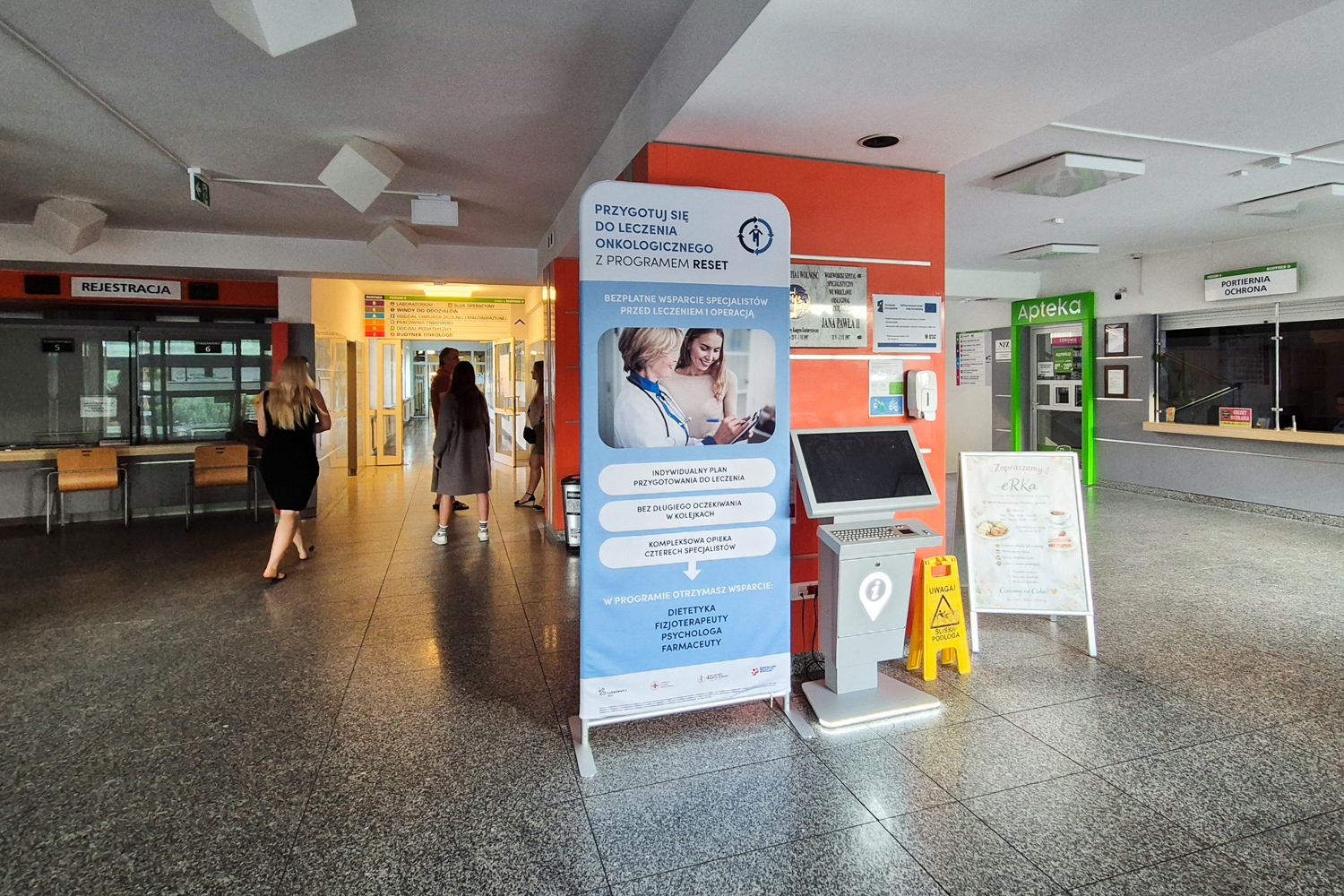
RESET extends beyond the period before surgery to encompass the patient’s entire care journey—including hospitalization, postoperative recovery, and follow-up care after discharge. The project is designed to ensure continuity of care and effective coordination of medical services at every stage of treatment.
During hospitalization, measures are implemented to improve patient flow and minimize unnecessary delays. Each patient receives a care plan for their hospital stay and an anticipated discharge date, while their condition and needs are regularly assessed by the medical team. After surgery, the Enhanced Recovery After Surgery (ERAS) protocol is implemented. ERAS is a set of evidence-based medical and organizational practices designed to support faster recovery following surgery. It includes early mobilization, rehabilitation, appropriate nutrition, medication review, and monitoring of the healing process and any potential complications.
Before discharge, patients and their loved ones receive information about follow-up care. This ensures that patients are not left to manage post-discharge recommendations on their own, but instead receive a clear plan for next steps and continued contact with the healthcare system. Follow-up consultations, coordination with primary care providers and community nurses, and the next stages of cancer treatment are also planned. This approach is intended to reduce the risk of prolonged hospital stays and hospital readmissions.
A Care Model for Cancer Hospitals
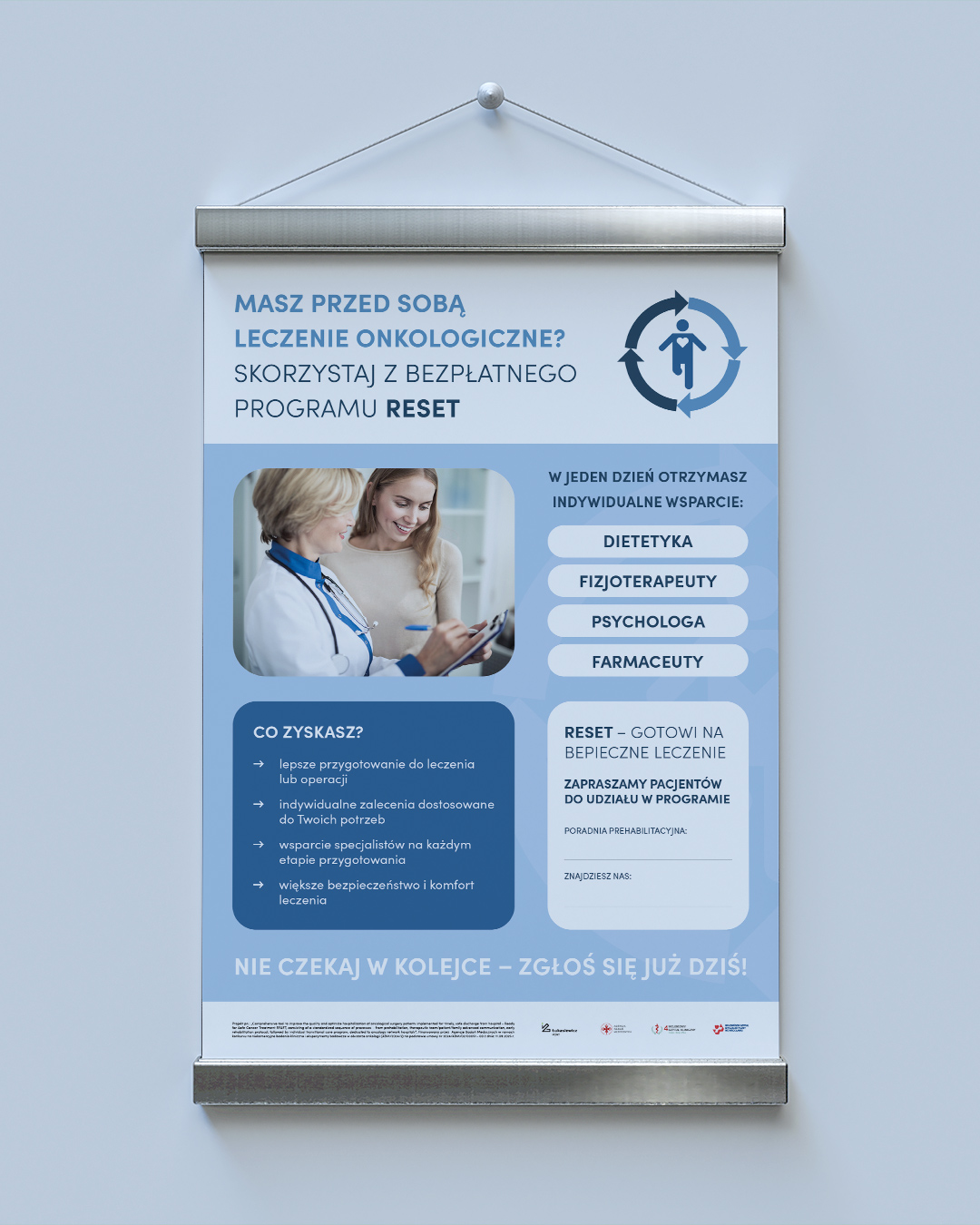
The project is being carried out by a consortium led by the Provincial Specialist Hospital in Wrocław. Its partners are The 4th Military Clinical Hospital with Polyclinic and Łukasiewicz – PORT. The consortium received nearly PLN 43 million in funding from the Medical Research Agency.
At Łukasiewicz – PORT, the project is being carried out by the Biobank Research Group, led by Dr. hab. Patrycja Gazińska, Director of the Population Diagnostics Center, working closely with specialized teams responsible for implementation, IT, legal, administrative, financial, and project management matters. Activities related to the commercialization strategy are coordinated by Dr. Elżbieta Kocowska-Siekierka.
The Łukasiewicz–PORT team is responsible for developing and implementing technological and IT solutions, data analysis and biostatistics, biobanking, and the coordination of legal, ethical, regulatory, and organizational matters, thereby ensuring the project’s efficient execution. The project will also produce educational materials, recommendations, and an implementation guide for hospitals to support the adaptation of the developed model to the needs and conditions of different oncology centers.
The project aims not only to improve the experience of patients participating in RESET, but also to develop a care model that can be implemented in other oncology hospitals across Poland in the future. RESET demonstrates that effective cancer treatment begins even before surgery. By combining specialist expertise, modern digital tools, and active patient participation, it is possible to create a more coordinated, safe, and patient-friendly care system.