Materials and Technological Research Laboratory
We are a modern research laboratory specializing in comprehensive materials analysis and characterization. We offer a broad range of analytical services for determining the chemical composition, structure, and properties of materials using state-of-the-art instrumentation. Our advanced research and analytical infrastructure includes scanning and transmission electron microscopy (SEM and TEM), X-ray diffraction (XRD), NMR and FTIR spectroscopy, ICP-OES spectrometry, as well as thermal analysis techniques such as DSC, TGA, STA, DMA, and TMA. By combining cutting-edge measurement technologies with scientific expertise, we deliver accurate and reliable results that support research and development, quality assurance, and the design of innovative materials.
Our facilities also include modern ISO Class 5 and ISO Class 6 cleanrooms dedicated to thin-film deposition and patterning processes, as well as the fabrication of miniaturized microelectronic and photonic devices.
We collaborate with industrial partners and research institutions on both commercial and R&D projects. Our team provides end-to-end support throughout the entire process—from initial consultation and selection of the most appropriate analytical methods, through testing and characterization, to expert interpretation of results.
Manager
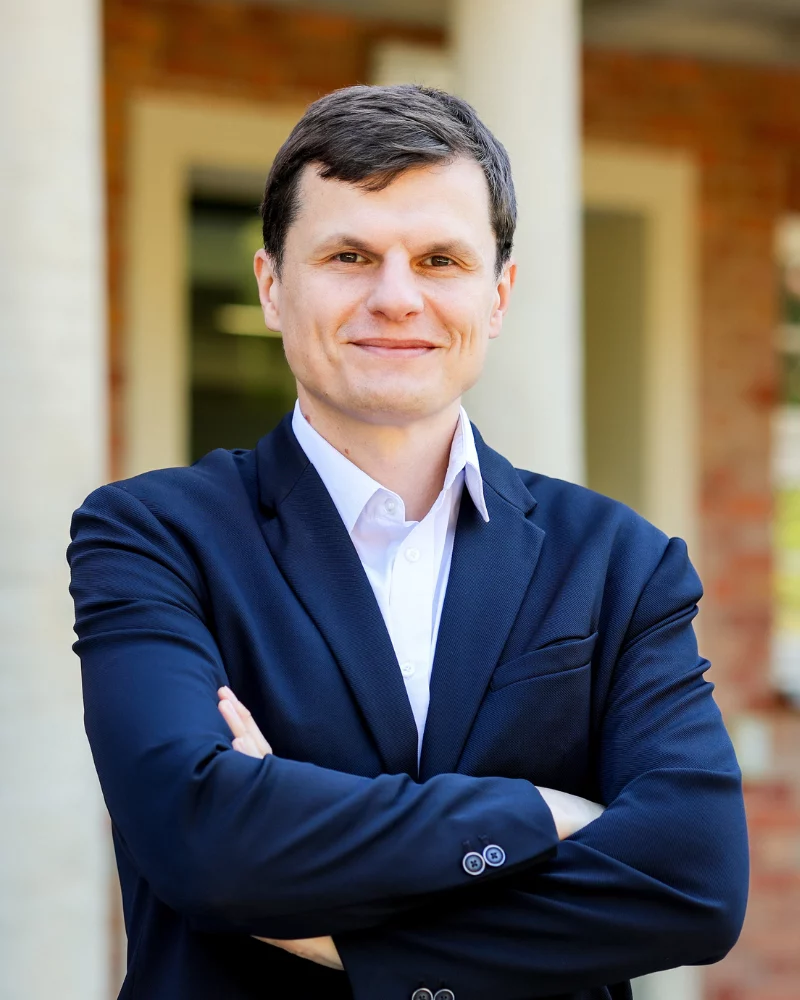
Dr Krzysztof Czyż
Laboratory Manager of the Materials and Technological Research Laboratory at Łukasiewicz – PORT, specializing in laser micromachining, thin-film deposition, and optical characterization of photonic structures. He earned his PhD in 2018 from the Military University of Technology in Warsaw.
He is the co-author of 18 scientific publications and a participant in numerous R&D projects. He managed a project carried out in cooperation with an international company in the field of industrial laser microprocessing. In 2025, he completed a postdoctoral internship at the ILM Institute in Lyon under the supervision of Joël Bellessa, where he worked on the development and characterization of photonic structures for Tamm plasmon lasers.
Team members

Dr Sebastian Arabasz
Sebastian has 12 years of experience in electron microscopy, with a particular focus on microscope alignment and servicing, contrast theory in SEM and (S)TEM techniques, image interpretation, and conducting research using SEM and SEM-EDS.
He also specializes in FIB sample preparation, qualitative and quantitative EDS analysis, 3D microscopy (including SEM/FIB tomography), cryo-microscopy in TEM, and high-resolution (S)TEM microscopy. He has carried out numerous research and development projects, and his scientific work has been highly cited in specialist journals (h-index = 8).
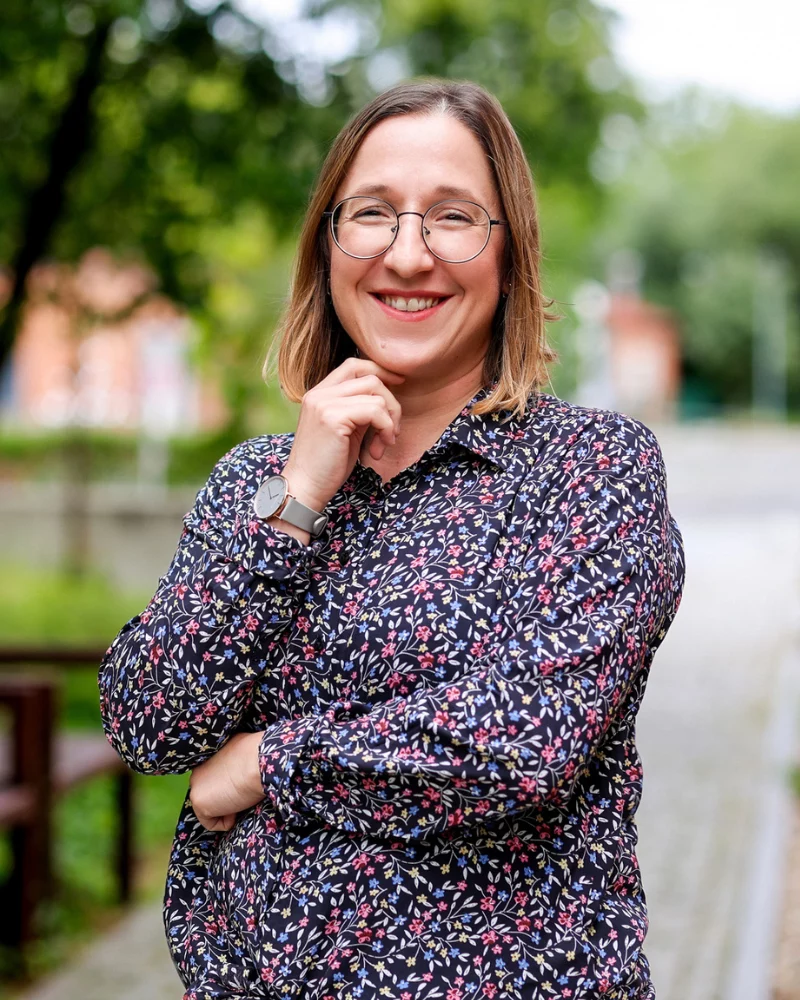
Dr Katarzyna Chomiak
Katarzyna was affiliated with the Faculty of Chemistry at Wrocław University of Science and Technology from 2005 to 2018, where she obtained her MSc and PhD in chemical sciences and subsequently worked as a research assistant on a project. In 2019, she joined the Łukasiewicz Research Network – PORT.
She currently works at the Materials and Technological Research Laboratory as a Senior Specialist, carrying out commissioned work and contributing to research and development projects. She specializes in measurements using thermal analysis techniques across a wide range of materials.
She has participated in numerous research projects, both national and international, and is a co-author of ten scientific publications, primarily focused on the synthesis and characterization of carbon materials, metal–organic clusters, and polymers.

Dr Anna Czajkowska
Anna completed her chemistry studies at the University of Łódź, specializing in instrumental analysis. She further expanded her expertise in this field through Postgraduate Studies at the Warsaw University of Life Sciences (SGGW). She obtained her doctoral degree in technical sciences, specializing in chemical technology, at the Faculty of Biotechnology and Food Sciences of the Lodz University of Technology.
She has 20 years of experience gained in research and development units, including the Institute of Agricultural and Food Biotechnology in Warsaw, where she worked on developing new instrumental analytical methods used to analyze food ingredients and contaminants, as well as dietary supplements.
She has led dozens of research projects and is the author of scientific publications and book chapters. Her scientific interests focus on the development of new analytical methods, particularly through the use of hyphenated techniques (liquid chromatography coupled with mass spectrometry).

Dr Patrick Groves
Patrick received his education in the United Kingdom, earning degrees in chemistry from the universities of Newcastle and Cambridge. After his studies, he carried out a number of research projects in postdoctoral and managerial positions in Sweden, Poland, Spain, and Portugal. After returning to Poland, he continued his scientific career at the University of Gdańsk and in the industrial sector. He has been working at Łukasiewicz – PORT since 2021, where he serves as a Senior Research Engineer.
He specializes in NMR spectroscopy, which forms the foundation of his research. He also has extensive experience in other spectroscopic techniques, such as circular dichroism (CD), fluorescence, as well as in protein purification and analysis. His particularly valued NMR method is diffusion-ordered spectroscopy (DOSY), used to measure molecular size and serving as a valuable complement to techniques such as DLS, SEC, and AUC.
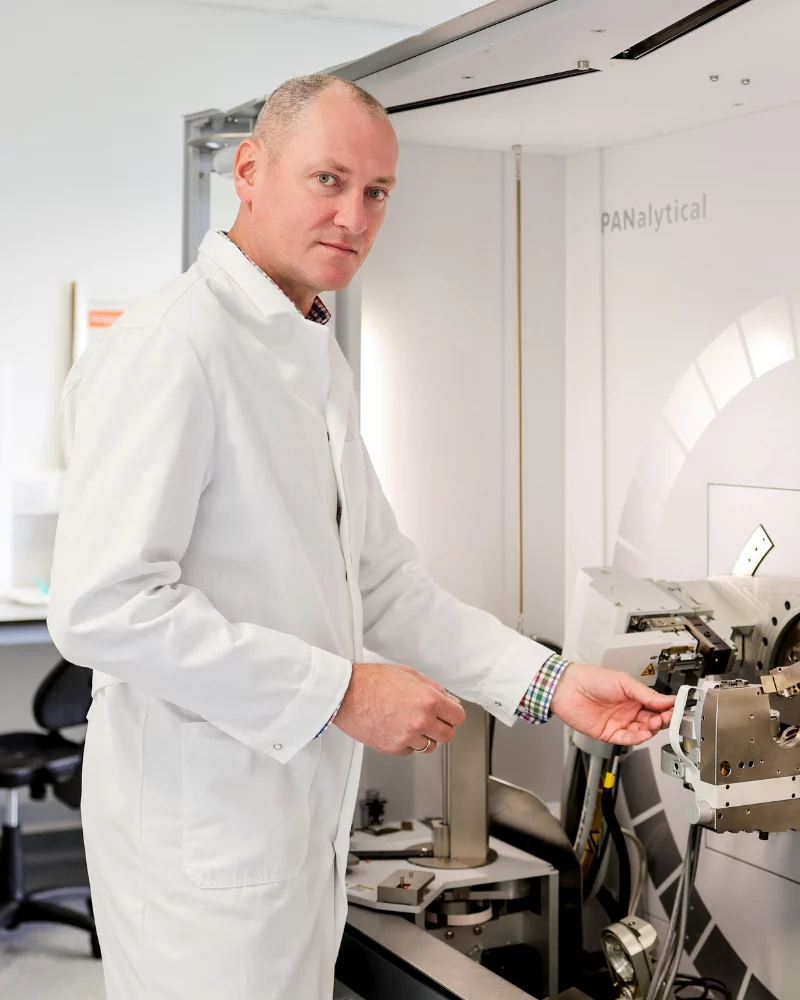
Dr Roman Jędrzejewski
Roman spent 19 years affiliated with the West Pomeranian University of Technology in Szczecin (ZUT), where he obtained his master’s degree and later his doctorate in technical sciences in the field of chemical technology. He also worked at the Institute of Materials Engineering, focusing on obtaining and characterizing thin films using pulsed laser deposition (PLD) and electron-beam physical vapor deposition (PED). He was also responsible for managing research and measurement equipment and conducting comprehensive material analyses, with particular emphasis on X-ray diffraction (XRD).
In 2019, he joined the Łukasiewicz Research Network – PORT, taking the position of Head of the Crystallography Laboratory. In 2022, he completed a one-year postdoctoral fellowship at Eindhoven University of Technology (Tu/e), where he conducted research on coatings and their antibacterial properties. He currently holds the position of Senior Specialist at the Materials Research Laboratory at Łukasiewicz – PORT, where he is responsible for conducting internal research as well as commercial projects using advanced measurement and analytical techniques.
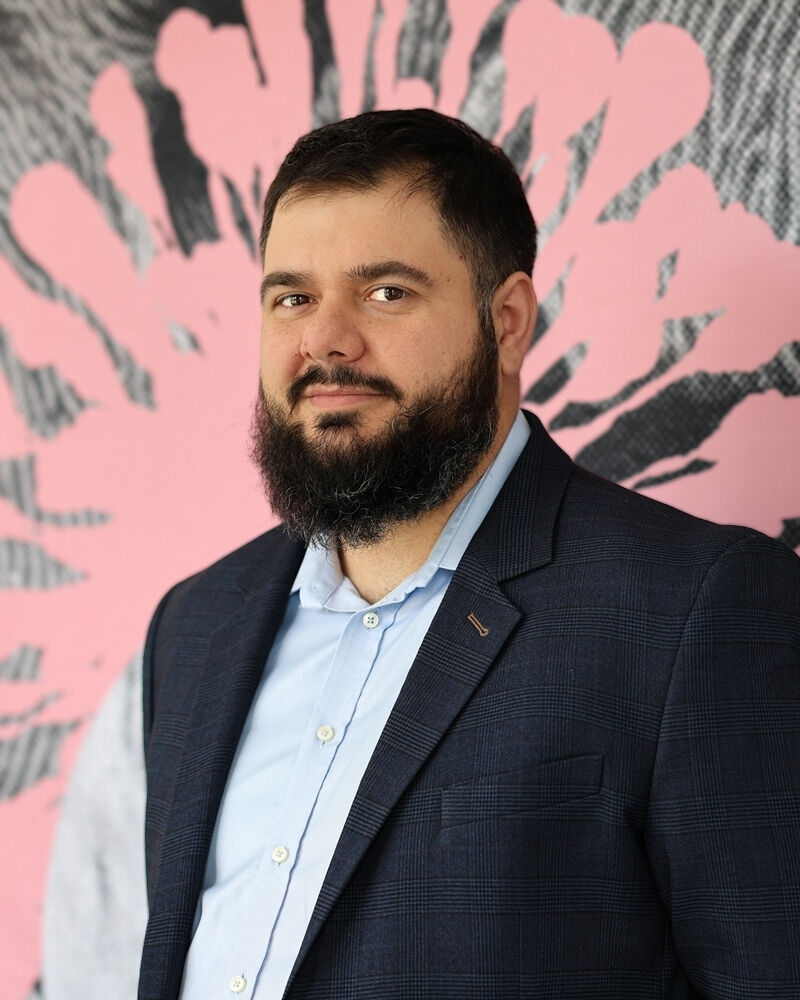
Dr Piotr Kenis
Piotr is an operator of electron microscopes (SEM, TEM) at the Materials and Technological Research Laboratory at Łukasiewicz – PORT. He completed his master’s studies in Earth and Environmental Sciences at the University of Wrocław, where he also pursued doctoral studies and is currently awaiting the review of his doctoral dissertation.
Piotr has extensive knowledge of electron microscopy techniques (EDS, CL, EBSD, QEMSCAN, FIB, Raman spectroscopy, STEM) used in fields such as mining, geology, geography, materials engineering and biology. He is the author of seven scientific publications (h-index: 4). His research interests focus mainly on phase analysis of Late Paleozoic and modern cryogenic sediments and their relationship to global climate change.
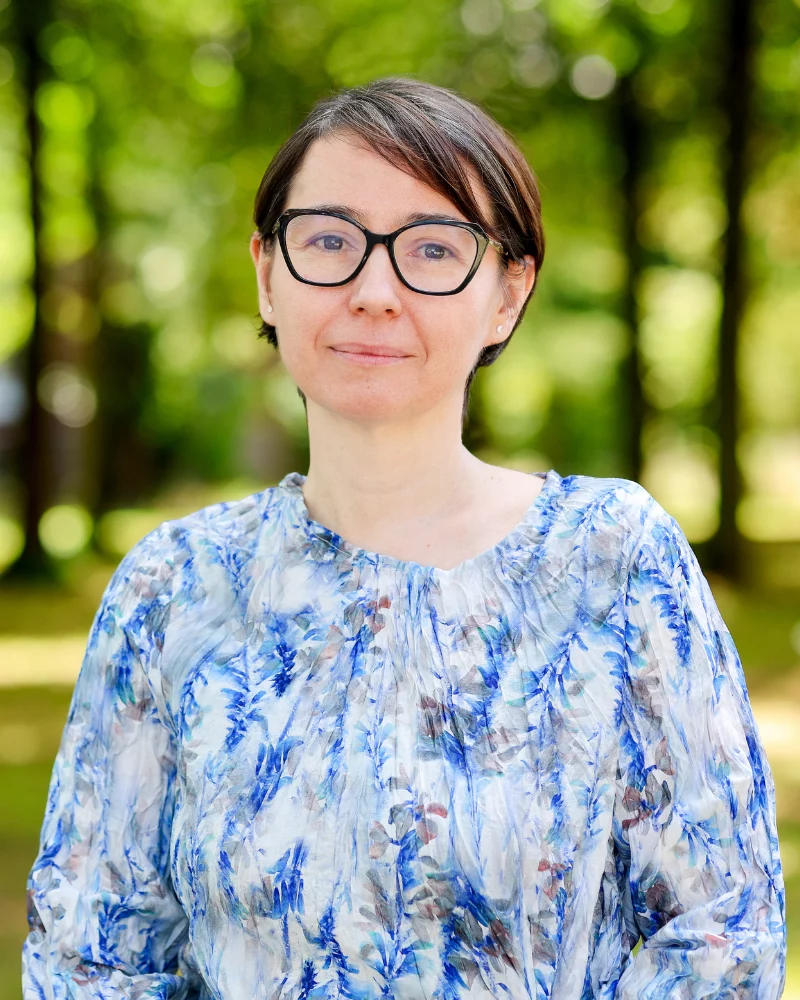
Dr Anna Konopka
Anna obtained her PhD in chemical sciences from the Faculty of Chemistry at the University of Warsaw in the field of analytical chemistry, and subsequently completed a 3.5-year postdoctoral fellowship at the German Cancer Research Center (DKFZ) in Heidelberg in a group specializing in mass spectrometry techniques. After returning from her fellowship, she worked as an assistant professor at the Faculty of Chemistry at the University of Warsaw.
She has been working at Łukasiewicz – PORT since 2021 in the Bioanalytics Laboratory, where she is responsible for qualitative and quantitative proteomic analysis using a combined technique: high-performance liquid chromatography coupled with high-resolution mass spectrometry.
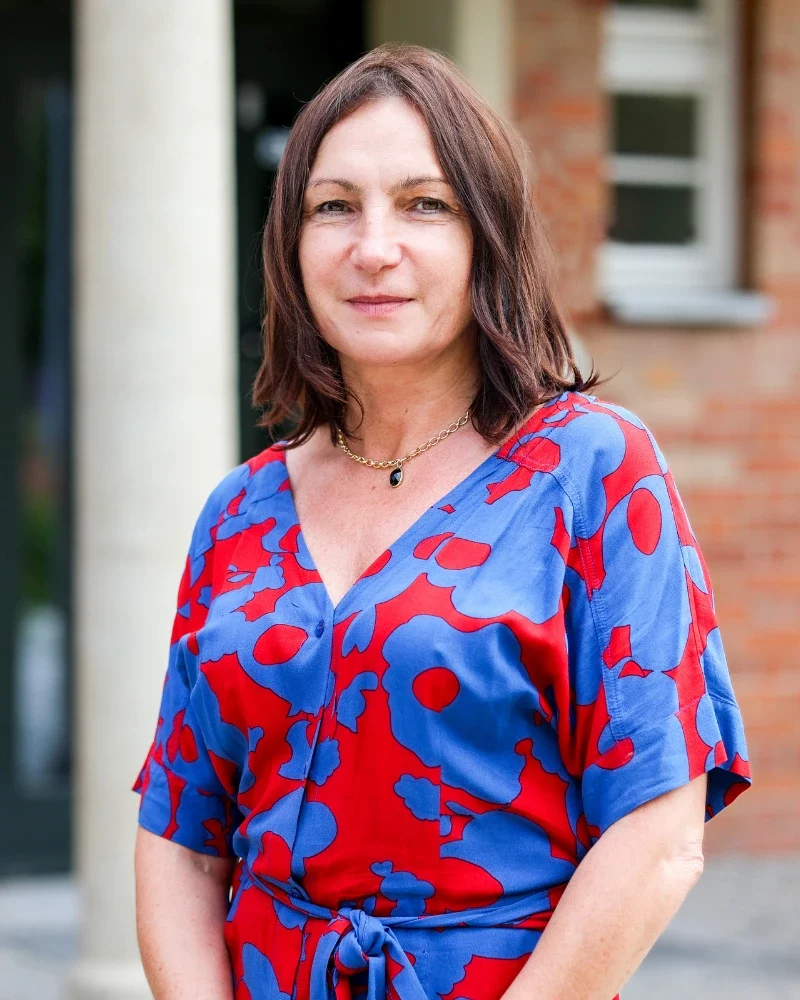
Dr Edyta Piskorska-Hommel
Since 2017, she has been working at the Łukasiewicz – PORT Polish Center for Technology Development. She conducts research on the fabrication of semiconductor materials using molecular beam epitaxy (MBE). She is also involved in studies of the local structure and electronic structure of functional materials using X-ray spectroscopy methods (XAFS, XANES, EXAFS) with synchrotron radiation. Her research interests include epitaxial semiconductors, catalysts, metal–organic frameworks (MOFs), and materials with a high degree of disorder.
She gained her scientific experience at institutions including the Institute of Physics of the Polish Academy of Sciences in Warsaw, the Institute of Low Temperature and Structure Research PAS, and the University of Bremen (Germany), where she carried out research on the structure of nanomaterials under a DFG fellowship.
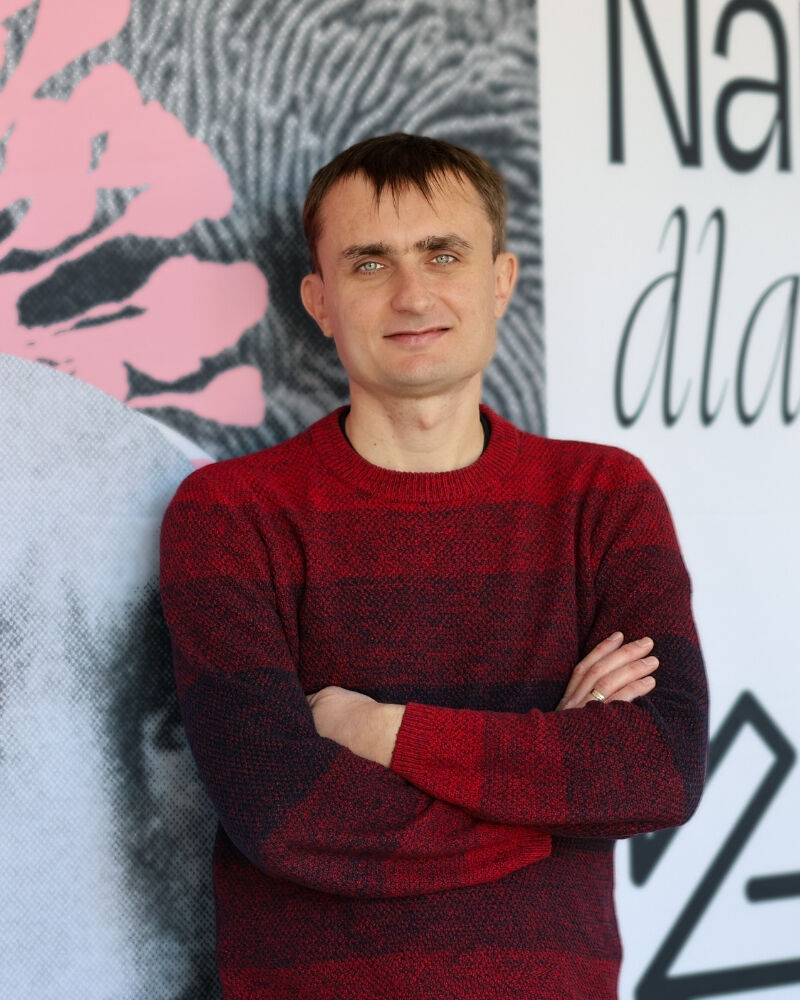
Dr Krzysztof Rola
He graduated with a master’s degree (2009) in Electronics and Telecommunications, specializing in Microsystem Electronics, from the Faculty of Microsystem Electronics and Photonics at Wrocław University of Science and Technology, where in 2015 he also obtained a doctoral degree in technical sciences in the field of electronics. In his doctoral work, he focused on anisotropic etching of silicon microstructures for applications in MEMS and MOEMS systems.
In 2015–2017, he worked as a specialist at the Institute of Low Temperature and Structural Research of the Polish Academy of Sciences, where he analyzed various materials using electron microscopy (SEM/TEM/EDS). Since 2017, he has been associated with Łukasiewicz – PORT Polish Center for Technology Development (formerly: Wrocław Research Center EIT+), where he has conducted research on photonic crystal and semiconductor technologies. From 2024, he has been responsible for managing the Clean Room Laboratory.
In 2015, he received the START scholarship from the Foundation for Polish Science. He has participated in the implementation of several research projects funded by NCN, FNP, and NCBR. He has co-authored 34 scientific publications cited 331 times (according to Web of Science) and two patent applications; his Hirsch index is 11.
His scientific interests include micro- and nanostructuring using electron microscopy and microfabrication of integrated photonic circuits with potential applications in biosensors. He has extensive laboratory experience in cleanroom work with experimental techniques such as SEM/FIB/EDS microscopy, electron beam lithography, optical lithography, reactive ion etching (RIE), wet etching, thin-film deposition, and ellipsometry.
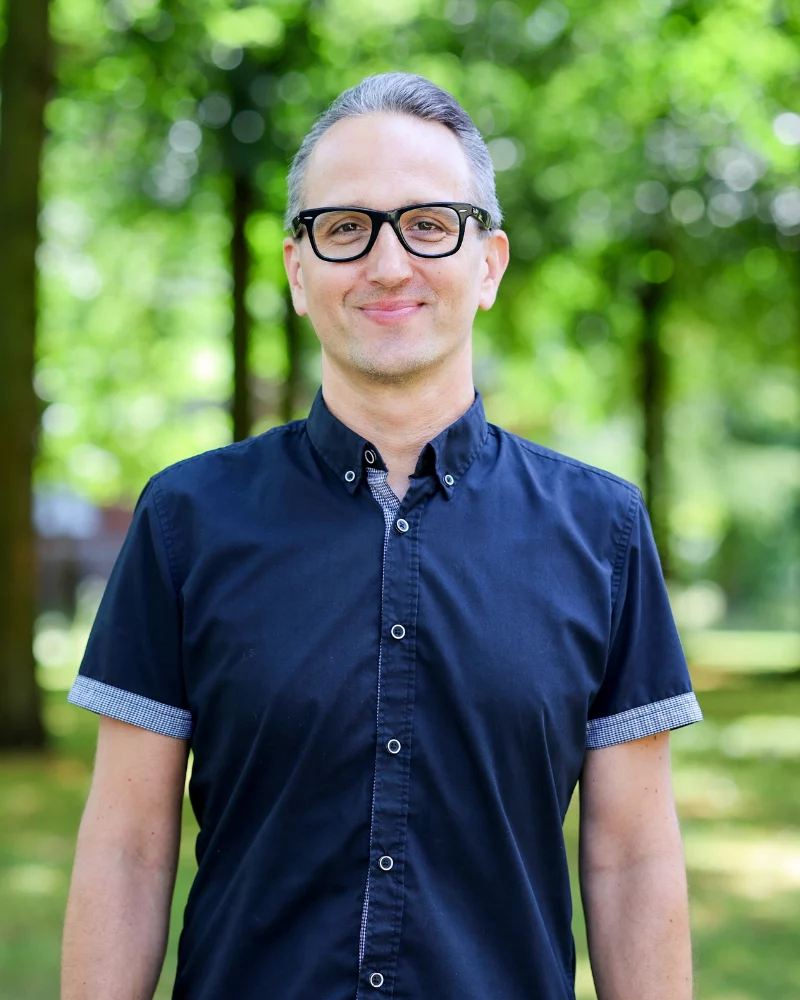
Dr Janusz Skonieczny
Janusz completed his chemistry studies at the University of Wrocław, specializing in chemical informatics. He obtained his PhD under the supervision of Prof. Lechosław Latos-Grażyński, conducting research on porphyrinoids containing a silicon atom. He gained experience in NMR techniques as well as organic and inorganic synthesis while working as an assistant professor and head of the Faculty NMR Laboratory at the University of Wrocław, where he trained users and provided scientific consultations.
Since 2013, he has been associated with Łukasiewicz – PORT (formerly Wrocław Research Center EIT+), where he participated in the creation and development of the high-field NMR laboratory. He currently works as a Senior Research Engineer and is responsible for maintaining the quality system compliant with ISO/IEC 17025:2018-02 and performing NMR analyses, including those covered by PCA accreditation.
He specializes in qualitative and quantitative analysis of organic compounds and advanced NMR techniques for solutions, homogenates, and solids, including two-dimensional experiments.
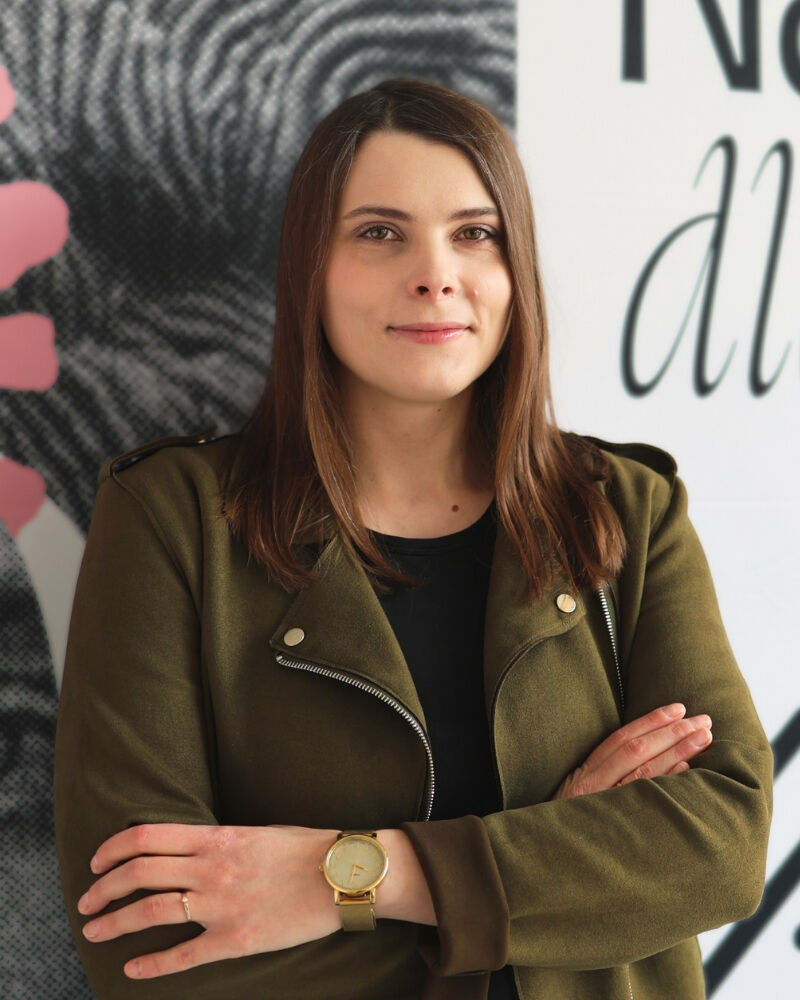
Dr Małgorzata Szatkiewicz
I am currently working as a postdoctoral researcher in the Materials and Technological Research Laboratory. I completed my master’s studies at the Faculty of Biotechnology of the University of Wrocław. As part of the Erasmus program, I also worked in laboratories at the Max Planck Institute of Molecular Plant Physiology (Potsdam, Germany) and the Centre for Chromosome Biology (Galway, Ireland).
From 2016 to 2020, I carried out my PhD project at the Ludwik Hirszfeld Institute of Immunology and Experimental Therapy of the Polish Academy of Sciences in Wrocław. The aim of my research was to characterize a new canine NK-like cell line, and I defended my PhD thesis with distinction in 2021, already as a member of the GenDyn-Group. Within the Group’s research activities, I was involved in the implementation of the OPUS 20 project led by Dr. Michał Malewicz, PhD, and in my own research under the MINIATURA 7 grant.
My scientific interests include various aspects of cancer research: DNA damage–repair mechanisms, tumor development, cancer immunology, and anticancer therapies. I am a recipient of several scholarships (including the Scholarship of the Minister of Science and Higher Education for outstanding achievements) and a member of the European Association for Cancer Research, Polish Young Immunologists, and FEBS Junior Poland.
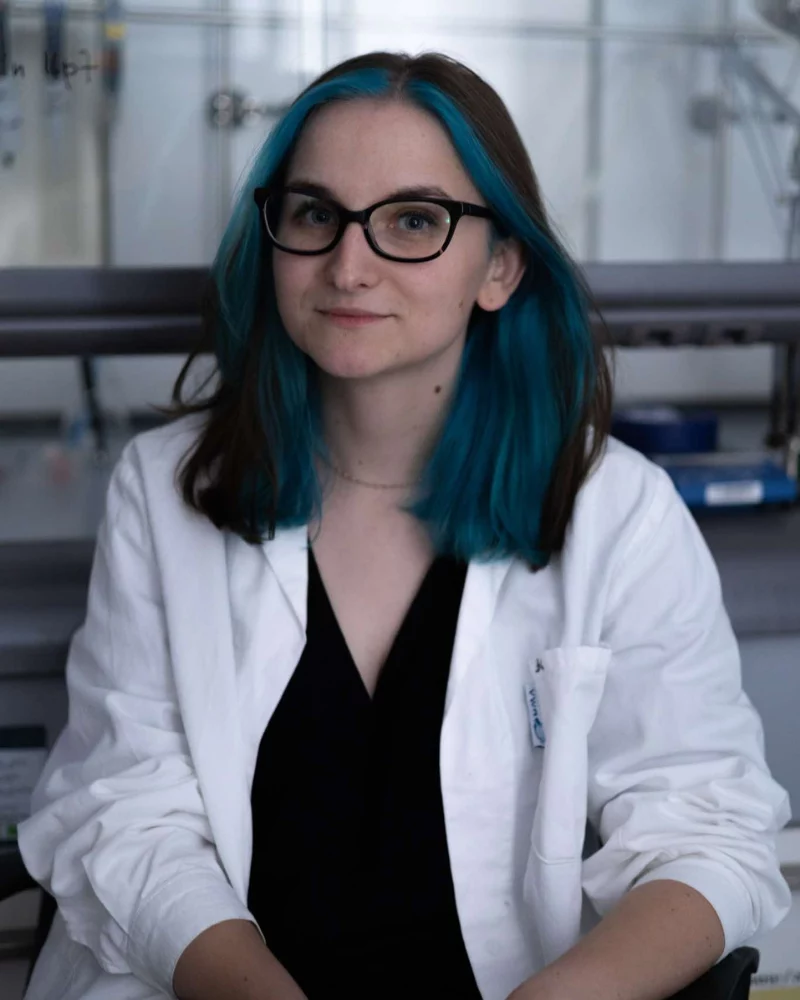
Dr Maria Zdończyk
Maria is a researcher associated with the Advanced Materials Synthesis Research Group and the Materials and Technological Research Laboratory at Łukasiewicz – PORT Polish Center for Technology Development. She is currently pursuing a doctoral degree in the field of chemical sciences at the Wrocław University of Science and Technology as part of an Industrial Doctorate program.
She joined Łukasiewicz – PORT in 2018 and since then has participated in the implementation of numerous scientific projects funded by the National Science Centre (NCN), the National Centre for Research and Development (NCBR), and the Foundation for Polish Science (FNP). Her research focuses on the development of organic–inorganic hybrid materials exhibiting irreversible color changes under temperature influence — silicone matrices impregnated with organic dyes. Additionally, she is expanding her expertise in electron microscopy techniques, studying structure–property relationships in functional materials and organic dyes.
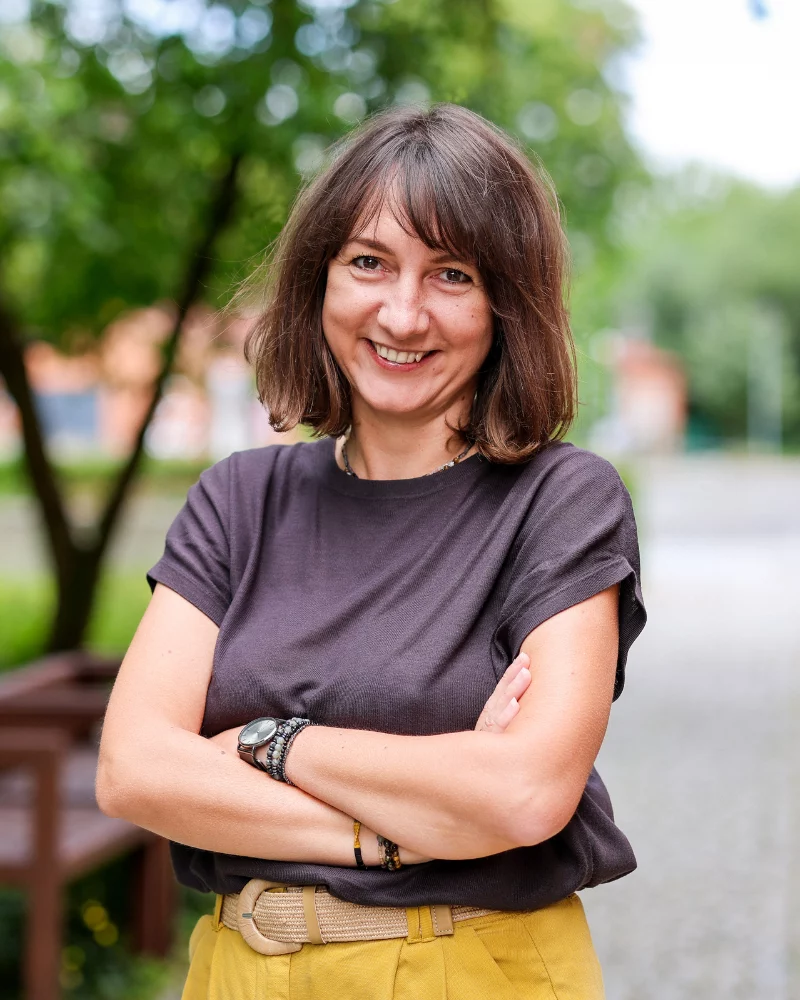
Magdalena Dulska
Magdalena completed her master’s studies at the Faculty of Chemistry of the Wrocław University of Science and Technology. Since 2006, her professional career has been connected with research and development work at an Analytical Laboratory. She worked at the KaHo Sint-Lieven University College in Belgium, and later in the chemical industry. She has extensive experience in identifying and analyzing compounds using spectroscopic and chromatographic techniques.
Since 2017, she has been working as a Senior Specialist at the Materials and Technological Research Laboratory at Łukasiewicz – PORT Polish Center for Technology Development. She specializes in determining the content of elements in various samples using the Optical Emission Spectrometry with Inductively Coupled Plasma (ICP-OES) technique and the Carbon and Sulfur Elemental Analyzer.
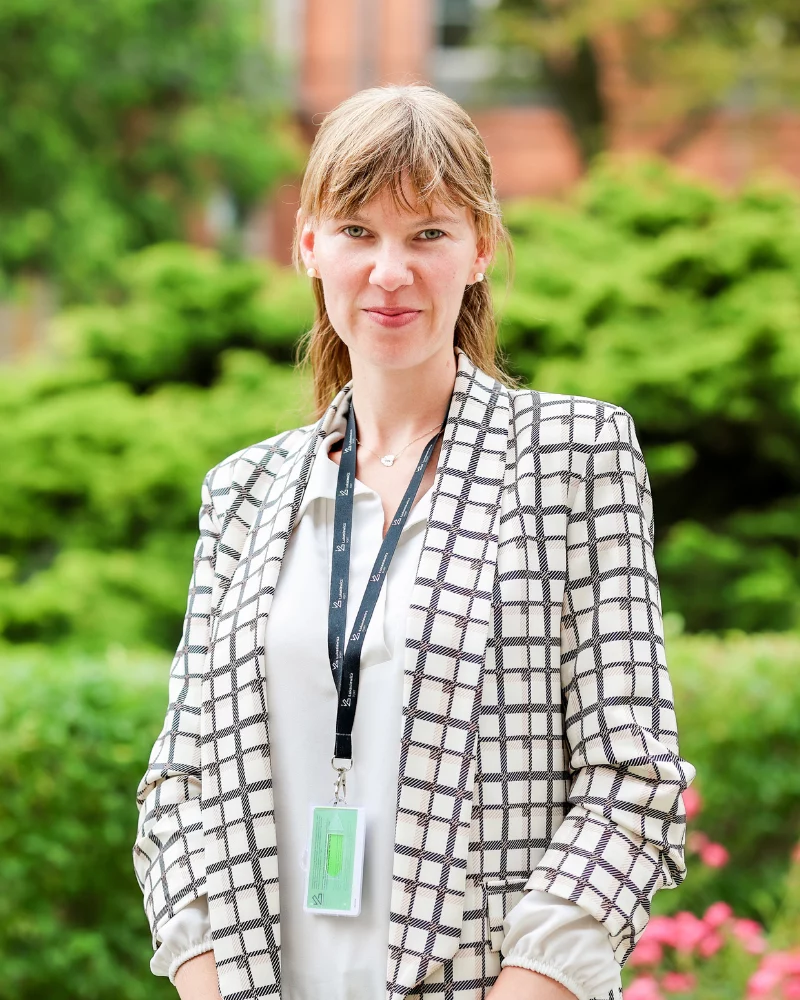
Katarzyna Grabowska
Katarzyna completed her master’s degree at the Faculty of Food Science at the University of Environmental and Life Sciences in Wrocław. In 2016, she began working at the Food Analysis Laboratory at the Voivodeship Sanitary and Epidemiological Station in Wrocław, and later at the Materials and Technological Research Laboratory at Łukasiewicz – PORT Polish Center for Technology Development.
She currently works as a Process Engineer and specializes in identifying and analyzing chemical compounds using Fourier Transform Infrared Spectroscopy (FTIR). She also works with elemental analysis using Optical Emission Spectrometry with Inductively Coupled Plasma (ICP-OES).
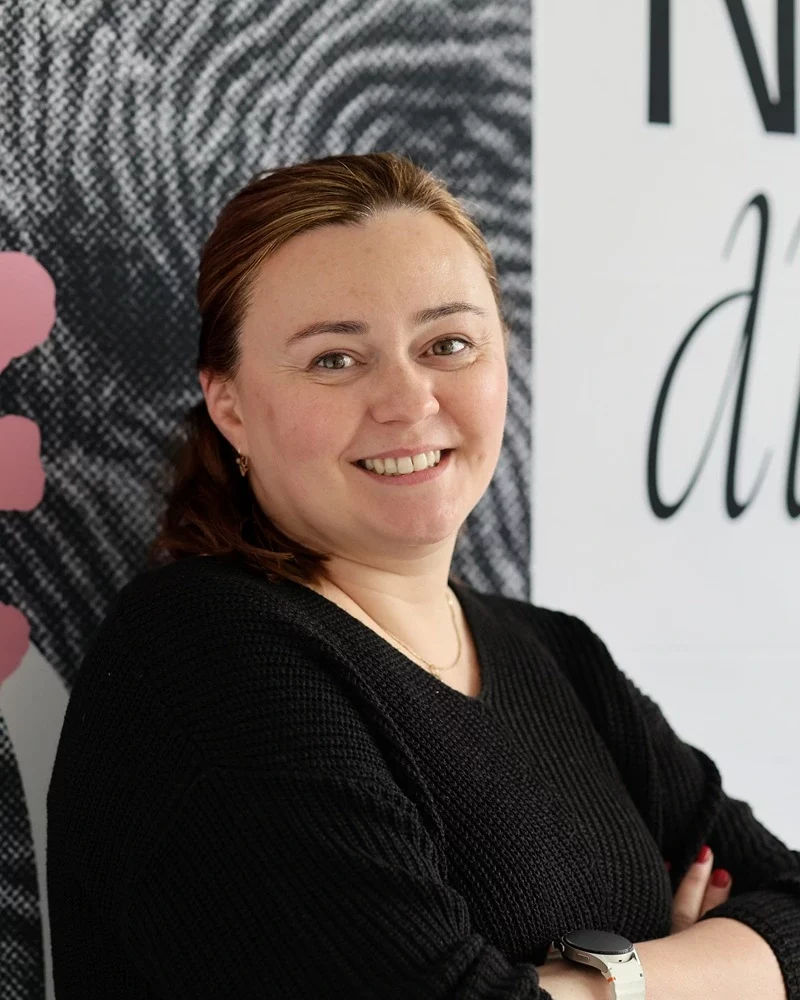
Maria Kochel
He works at the Materials and Technological Research Laboratory of the Łukasiewicz Research Network – PORT, where he serves as an electron microscopy operator. He obtained his master’s degree in environmental protection and geology from the Faculty of Earth and Environmental Sciences at the University of Wrocław.
He also gained professional experience at the Institute of Geological Sciences, where he analyzed minerals using techniques such as scanning electron microscopy (SEM), X-ray diffraction (XRD) and Raman spectroscopy.
He specializes in advanced electron microscopy methods, particularly transmission electron microscopy (TEM, STEM), scanning electron microscopy (SEM), and Raman spectroscopy. His work is applied in research related to geology, materials engineering and the natural environment.

Joanna Machnik
I completed my engineering studies at Wrocław University of Science and Technology, but I carried out my diploma project at the Maria Skłodowska-Curie National Research Institute of Oncology in Gliwice. There, I focused on investigating the potential use of mesenchymal stromal cells in regenerative medicine. I then continued my education at the University of Wrocław, where, as part of my master’s studies, I conducted a project on proteins that regulate the cellular cytoskeleton and the internal organization of the cell.
I am currently pursuing an industrial PhD in the Genome Dynamics Research Group (Gen-Dyn). My work focuses on identifying new anticancer therapeutic targets within DNA repair mechanisms, as well as developing a disease model based on induced pluripotent stem cells (iPSCs) that most accurately reflects real pathological conditions.
Scientifically, I am particularly interested in the processes of oncogenesis and cancer transformation—especially changes in gene expression, their underlying causes, and the potential ways they can be exploited, for example in the context of synthetic lethality. After hours, I also enjoy exploring the world of neurobiology.
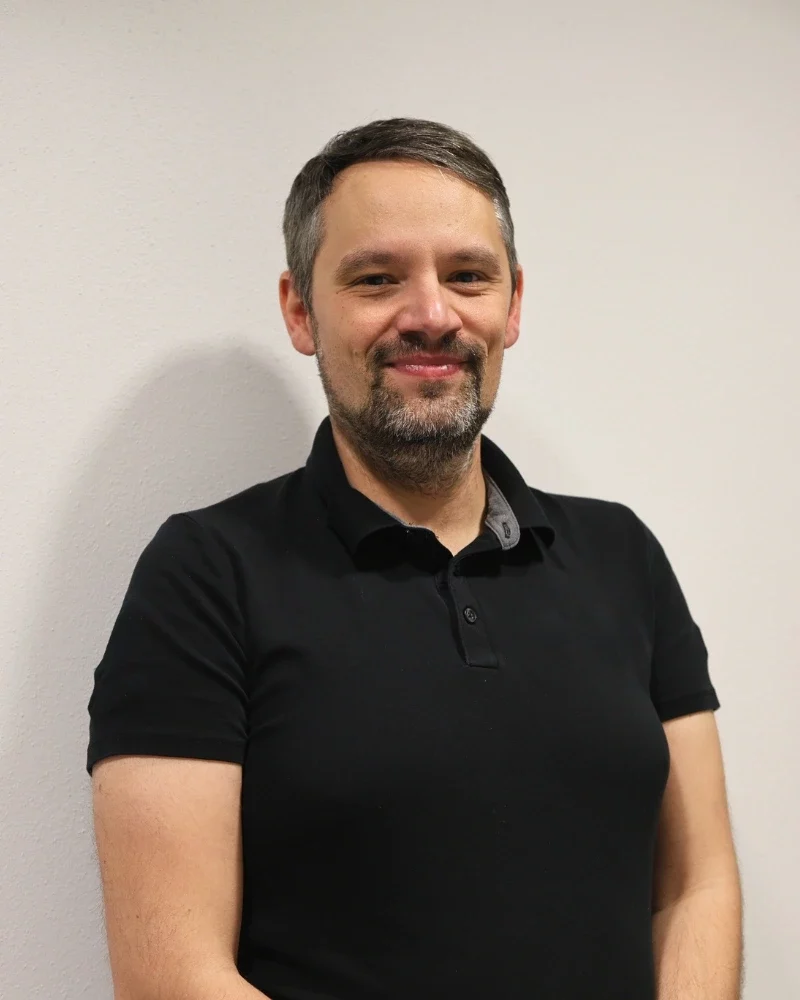
Krzysztof Placek
Krzysztof has over 10 years of experience in operating and servicing electron microscopes, providing ongoing support in maintaining Materials-Lab in operational readiness.
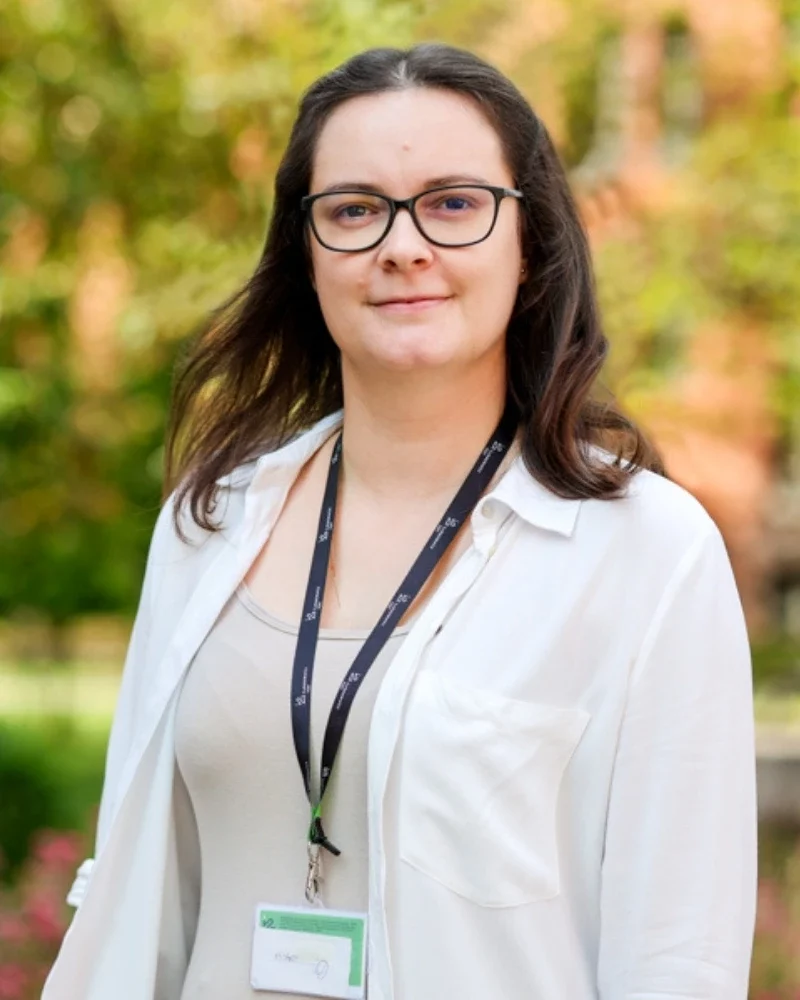
Olga Pietrzyk
Olga graduated with distinction from the University of Warmia and Mazury in Olsztyn, where she studied biotechnology with a specialization in molecular biotechnology. For her master’s thesis, she conducted research in the Department of Animal Physiology, leading to the identification of a family of pregnancy-associated glycoproteins (PAGs) in the genomes of the pine marten, the European otter, and the Siberian sika deer.
After completing her studies, she began working with a pharmaceutical company, where for more than three years she was part of the Quality Control Department, ensuring the safety of medicinal products. She then gained experience at the Nencki Institute of Experimental Biology PAS in Warsaw, where she worked on animal genotyping, AAV viral-vector production, and cryopreservation of mouse embryos and sperm.
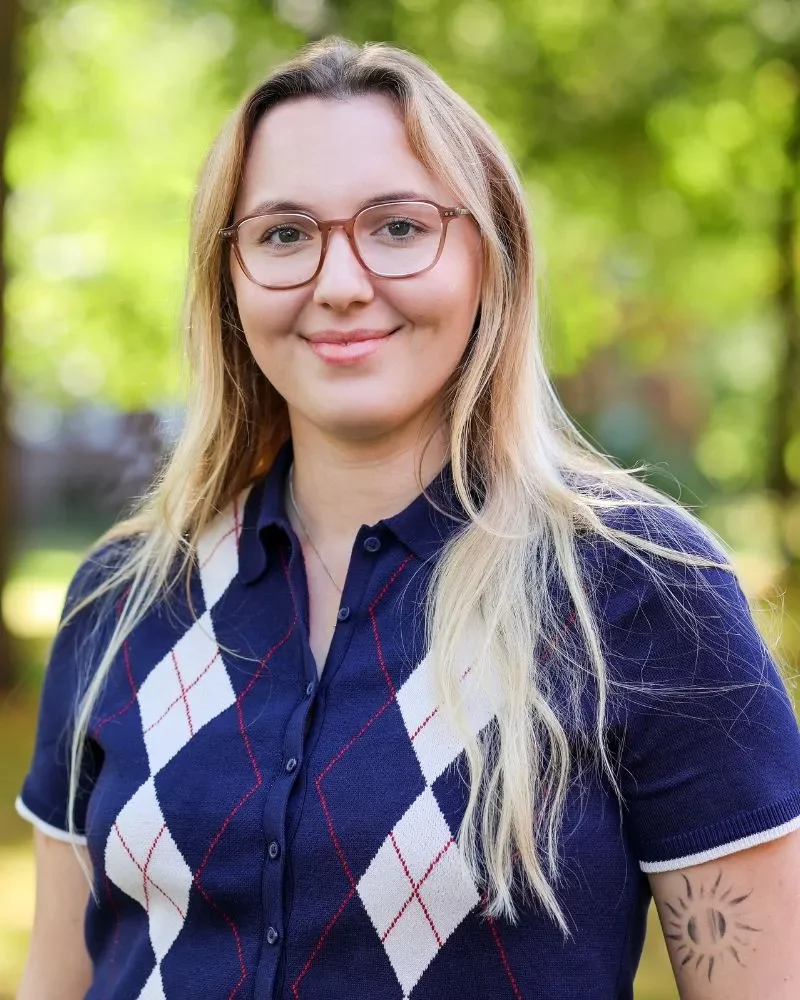
Zuzanna Sikora
Zuza graduated from the Faculty of Chemistry at Wrocław University of Science and Technology, where she completed her engineering and master’s studies in biotechnology with a specialization in molecular biotechnology and biocatalysis.
She gained laboratory experience during her studies, including in the Department of Biological Chemistry and Bioimaging, as well as in the Department of Biochemistry, Molecular Biology and Biotechnology, and during an internship at the ALAB Medical Analysis Laboratory in Wrocław. In the Bioanalytics Laboratory, she is responsible for performing advanced proteomic analyses using LC-MS techniques, including the preparation of biological samples, optimization of measurement methods, and interpretation of results in the context of protein profile characterization.
Mateusz Łabęcki
The researcher’s profile is being prepared.